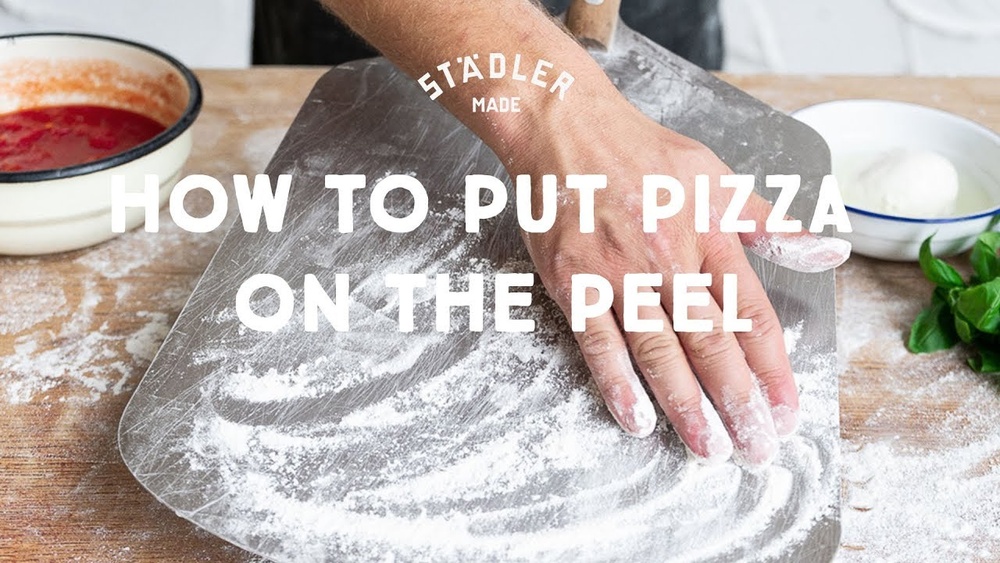
If you’ve ever struggled with your pizza sticking to the peel or sliding off too soon, you know how frustrating it can be. Mastering the right flouring techniques on your pizza peel is the secret to a smooth, effortless launch every time.
Whether you’re baking in Austin, Texas, or anywhere else, understanding how to dust your peel properly can transform your homemade pizza game. You’ll discover simple, practical tips to keep your dough from sticking, ensure a perfect slide onto your stone or steel, and make pizza night a breeze.
Ready to take control of your pizza peel and impress everyone with flawless pies? Let’s dive into the best pizza peel flouring techniques that will change the way you bake forever.
Choosing The Right Flour
Choosing the right flour for dusting your pizza peel is key to a smooth pizza launch. The flour acts as a barrier, preventing the dough from sticking to the peel. This makes transferring your pizza to the oven easier and cleaner. Different flours offer various textures and benefits. Picking the right one can improve your pizza-making experience.
Semolina Benefits
Semolina is a coarse flour made from durum wheat. Its gritty texture helps the dough slide easily off the peel. Semolina also adds a slight crunch to the pizza crust edges. It does not absorb much moisture from the dough. This keeps the peel dry and prevents sticking during transfer.
Rice Flour Advantages
Rice flour is very fine and has excellent non-stick properties. It does not absorb water quickly, keeping the peel surface dry. Rice flour creates a smooth release for the pizza dough. It is gluten-free, making it a good choice for those with allergies. Using rice flour helps in quick, clean pizza launches every time.
Regular Flour Drawbacks
Regular all-purpose flour is the most common choice but it has downsides. It tends to absorb moisture from the dough, making the peel sticky. This can cause the pizza to stick and tear when transferring. Regular flour also clumps easily, which may slow down the launch. It works, but there are better options for dusting your peel.
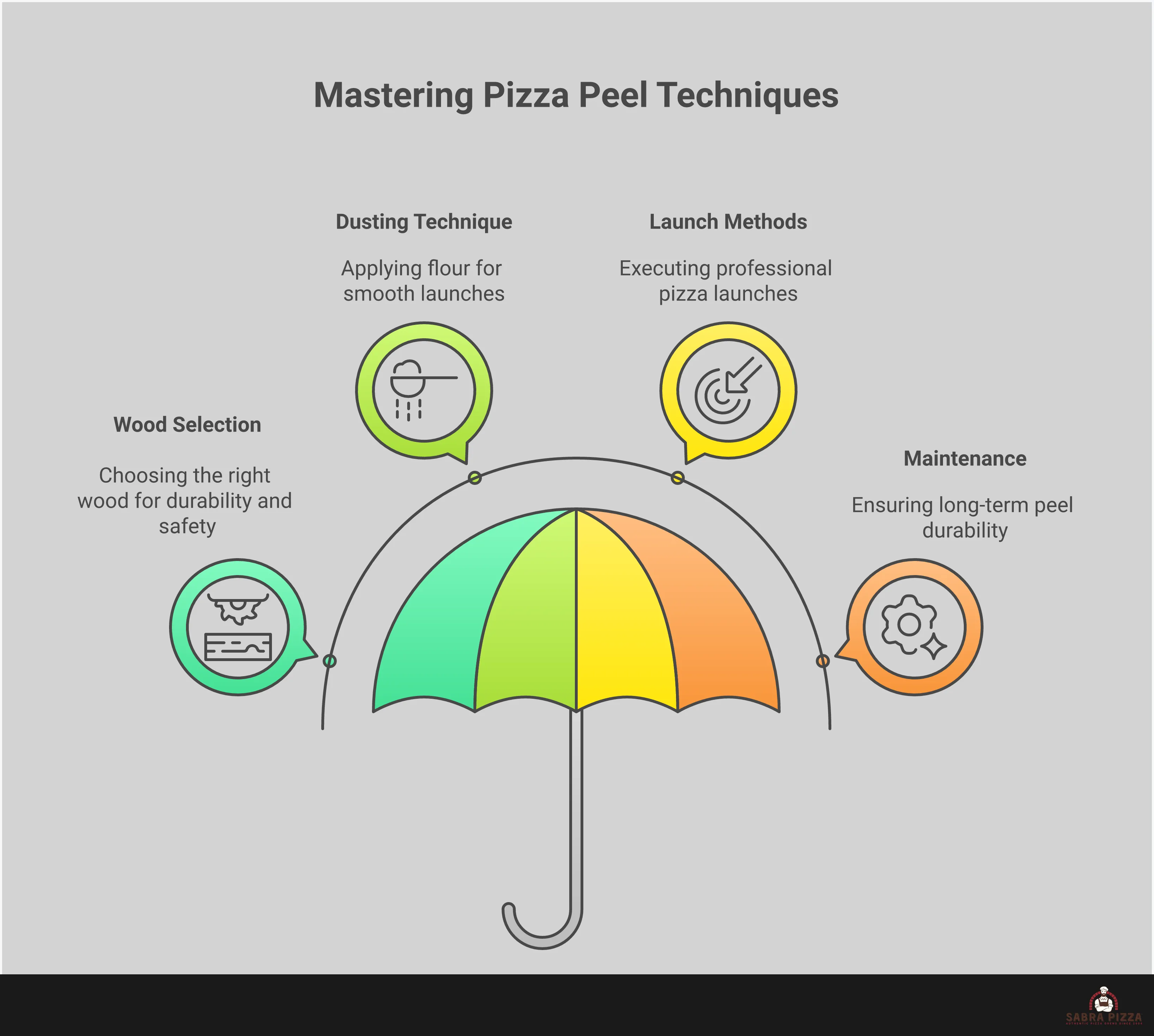
Credit: sabrapizza.com
Preparing The Peel Surface
Preparing the peel surface is essential for a smooth pizza launch. A well-prepared peel helps the dough slide off easily without sticking. It also prevents tearing or misshaping the pizza. Using the right flouring technique creates a thin barrier between the dough and the peel. This section explains key steps to prepare your pizza peel for the best results.
Proper Dusting Techniques
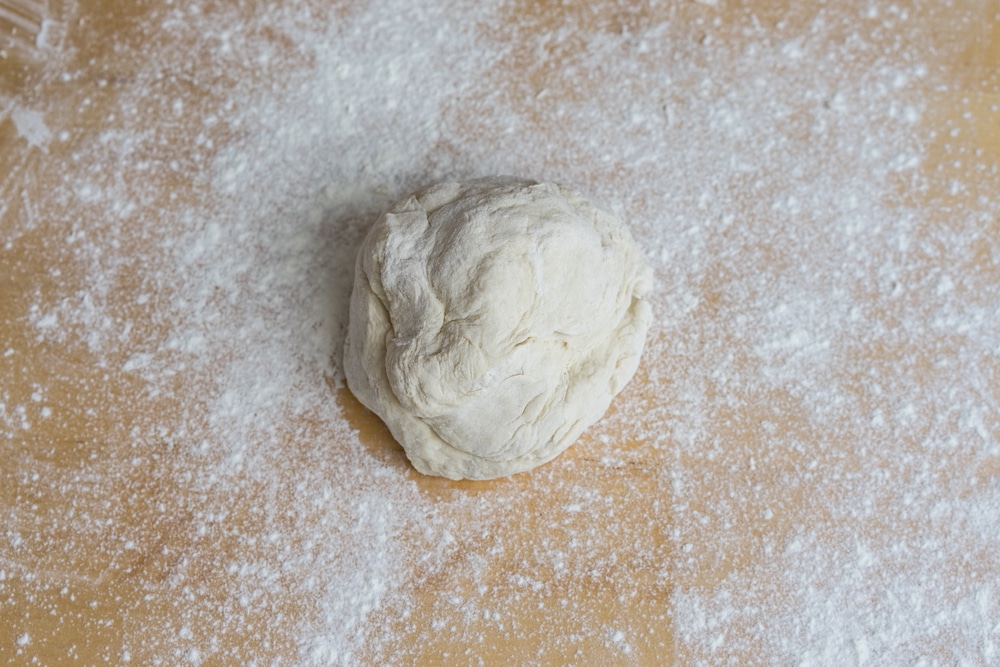
Start by sprinkling a thin, even layer of flour on the peel. Use a light dusting to cover the entire surface where the dough will rest. Spread the flour gently with your hand or a small sieve. Too much flour can clump and cause uneven sliding. Proper dusting creates a smooth base that supports the dough’s movement.
Avoiding Overflouring
Overflouring is a common mistake that can stick to the dough’s bottom. Excess flour absorbs moisture and forms lumps. These lumps make the pizza stick or create holes when sliding off. Use just enough flour to prevent sticking, but not so much that it piles up. Check the peel often and shake off extra flour if needed.
Using Cornmeal Effectively
Cornmeal adds texture and helps the pizza move easily across the peel. Sprinkle a small amount evenly over the flour layer. Cornmeal grains act like tiny ball bearings under the dough. This reduces friction and makes sliding simple. Use fine or medium-ground cornmeal for best results. Avoid large grains that can burn in the oven.
Loading The Pizza On The Peel
Loading the pizza on the peel is a key step for a perfect bake. The dough must slide off smoothly onto the oven surface. Sticking dough causes frustration and uneven cooking. Proper flouring and handling techniques keep the pizza moving freely. Use the right method to avoid delays and messes. Below are effective tips for loading pizza with ease.
Shaking To Test Mobility
After placing the dough on the peel, gently shake it side to side. The pizza should move without resistance. If it sticks, add a little more flour or semolina under the dough. This simple test prevents stuck pizzas and helps launch smoothly. Keep the peel level during this step to avoid toppings sliding off.
Handling Wet Dough
Wet dough tends to stick more on the peel. Sprinkle flour or semolina liberally before placing the dough. Use a light touch when shaping the dough to avoid excess moisture on the peel. If dough still sticks, lift edges gently and dust underneath. Avoid pressing down hard, which compacts the dough and causes sticking.
Using Parchment Or Silicone Mats
Place the dough on parchment paper or a silicone baking mat on the peel. This method ensures easy transfer and prevents sticking. Parchment can go directly into the oven with the pizza. Silicone mats provide a reusable, non-stick surface for shaping. Both options save time and reduce flour use on the peel.
Credit: palapizza.com
Launching Pizza Onto The Oven
Launching your pizza onto the oven stone or steel is a key step in baking a perfect pie. This action requires confidence and a smooth technique. Proper flouring of the pizza peel helps the dough slide off easily. A well-floured peel prevents sticking and keeps the toppings intact. The right launch motion ensures your pizza lands flat and cooks evenly.
Quick Forward-and-back Motion
Start by shaking the peel gently to check the pizza moves freely. Use a quick forward push to slide the pizza onto the stone. Immediately pull the peel back with a sharp jerk. This back-and-forth motion helps the pizza release smoothly. Avoid slow or hesitant moves to prevent sticking. Practice this motion to build speed and confidence.
Targeting Hot Stone Or Steel
Aim the pizza toward the back of the hot stone or steel. This position allows the dough to cook evenly as it moves forward. The stone or steel must be very hot for a crispy crust. Proper placement avoids folding or sliding off the peel. Keep the peel level to guide the pizza accurately. This targeting helps achieve a perfect bake every time.
Mid-launch Adjustments
If the pizza sticks during launch, stop and fix it quickly. Gently lift the dough edges with the peel or your fingers. Add a little more flour or semolina under the dough to reduce friction. Blowing air under the crust can help loosen it. In tough cases, use a plate or pan to flip and re-flour the peel. These quick adjustments save your pizza from sticking or tearing.
Dealing With Stuck Pizza
Dealing with stuck pizza on a peel can be frustrating. It interrupts your cooking flow and may ruin your perfect pizza launch. The key lies in simple techniques that keep the dough moving freely. These methods help you slide the pizza off without tearing or folding the dough. Use the right moves to save your pizza and impress your guests.
Jiggle And Lift Method
Start by gently shaking the peel side to side. This loosens the dough from the surface. If the pizza still sticks, carefully lift the edges with a spatula or your fingers. Work around the pizza, lifting little by little. This method prevents tearing and keeps the shape intact. Once free, slide the pizza quickly onto the oven stone or pan.
Adding More Flour Or Semolina
Dust the peel with extra flour or semolina when the dough sticks. Semolina adds a rough texture that helps the pizza slide easily. Sprinkle a small amount under the stuck edges. Use a flat utensil to spread it evenly under the dough. This creates a barrier between the dough and the peel. Avoid adding too much, or the pizza might burn underneath.
Flip Trick With Pizza Pan
If the pizza is really stuck, try the flip trick. Place a pizza pan or large flat plate on top of the dough. Hold both peel and pan firmly together. Flip them over quickly so the pizza lands on the pan. Dust the peel again and slide the pizza back onto it. This resets the dough and peel surface. Now, launch your pizza smoothly into the oven.
Common Mistakes To Avoid
Flouring a pizza peel seems simple but many make avoidable mistakes. These errors can cause the dough to stick or tear. Understanding common pitfalls helps create a smooth pizza launch. This section highlights key mistakes to avoid for better results.
Too Much Sauce
Excess sauce adds weight and moisture to the dough. This makes the pizza heavy and sticky on the peel. The dough may stick or slide unevenly when moved. Use a thin, even layer of sauce to keep the peel dry.
Slow Assembly
Taking too long to prepare the pizza on the peel causes sticking. The dough absorbs moisture from toppings and sauce. This makes sliding the pizza into the oven difficult. Assemble quickly and efficiently to keep the dough dry and loose on the peel.
Improper Dusting Material
Using the wrong flour or dusting material causes sticking or burning. Regular flour may burn on the peel or oven surface. Cornmeal and semolina are better choices as they create a dry, textured surface. Choose dusting materials that help the pizza slide easily.
Material Choices For Pizza Peels
Choosing the right material for your pizza peel affects how easily dough slides off. Peels come in wood or metal, each with unique traits. Understanding these helps in picking the best one for your baking style. The material also influences how much flour or cornmeal you need on the peel to keep the pizza from sticking. Let’s explore the key differences and care tips for these materials.
Wood Vs. Metal Peels
Wooden peels have a slightly rough surface. This texture holds flour or cornmeal well. It helps prevent dough from sticking as you slide pizza in the oven. Wood is gentle on dough but heavier and harder to clean.
Metal peels are thin and smooth. They allow quick release of the pizza. Metal peels slide easily under the dough. They are lighter and easier to clean but may need more flour to stop sticking. Metal heats up fast, so handle with care.
Surface Texture Impacts
Rougher surfaces on wood peels catch flour better. This keeps dough from sticking during transfer. Smooth metal surfaces need a good dusting of flour or semolina. Without enough flour, pizza can stick on metal peels. Texture affects how much flour you should use and how well pizza slides off.
Maintenance Tips
Wood peels require regular oiling to prevent cracking. Clean with a damp cloth, avoid soaking in water. Dry thoroughly before storing. Metal peels can be washed with soap and water. Dry immediately to stop rust. Proper maintenance keeps peels working well and lasting longer.
Credit: www.pizzablab.com
Frequently Asked Questions
What Are Some Common Pizza Peel Mistakes?
Common pizza peel mistakes include using too much sauce, insufficient flour or semolina dusting, and launching pizza slowly. Avoid overloading toppings and failing to shake the peel to ensure pizza slides off easily. Using the wrong flour or not cleaning the peel can also cause sticking.
What Is The Proper Technique For Using A Pizza Peel?
Dust the peel generously with semolina or flour. Gently shake to ensure the pizza slides freely. Slide the peel forward quickly, then jerk it back to launch the pizza onto the stone. If stuck, lift edges, add flour underneath, or use a pan to flip and re-flour.
How To Keep Pizza From Sticking To Wood Peels?
Dust the wood peel generously with semolina or rice flour to prevent sticking. Assemble pizza quickly and avoid excess sauce. Shake the peel gently to ensure the dough slides freely before launching it into the oven.
How Do I Get My Pizza To Slide Off The Peel?
Dust the peel generously with semolina or flour for a non-stick surface. Shake the peel to ensure the pizza moves freely. Use a quick forward-and-back jerk motion to slide the pizza onto the oven stone. If stuck, lift edges gently and add more flour underneath.
Conclusion
Perfecting your pizza peel flouring technique takes practice and patience. Use just enough flour or semolina to prevent sticking. Always test the dough’s movement on the peel before sliding it into the oven. A quick, confident launch helps the pizza slide smoothly onto the stone.
If the dough sticks, gently lift and add more flour underneath. These simple steps make pizza baking easier and more enjoyable. Keep experimenting to find what works best for your kitchen setup. Enjoy fresh, homemade pizza every time!

As the author of the “Ultimate Pizza Guide: Recipes, Tips & Secrets Revealed,” I’m dedicated to sharing my love for pizza and empowering others to create delicious homemade pizzas with ease. Join me on a journey to uncover the secrets to perfecting your pizza game!