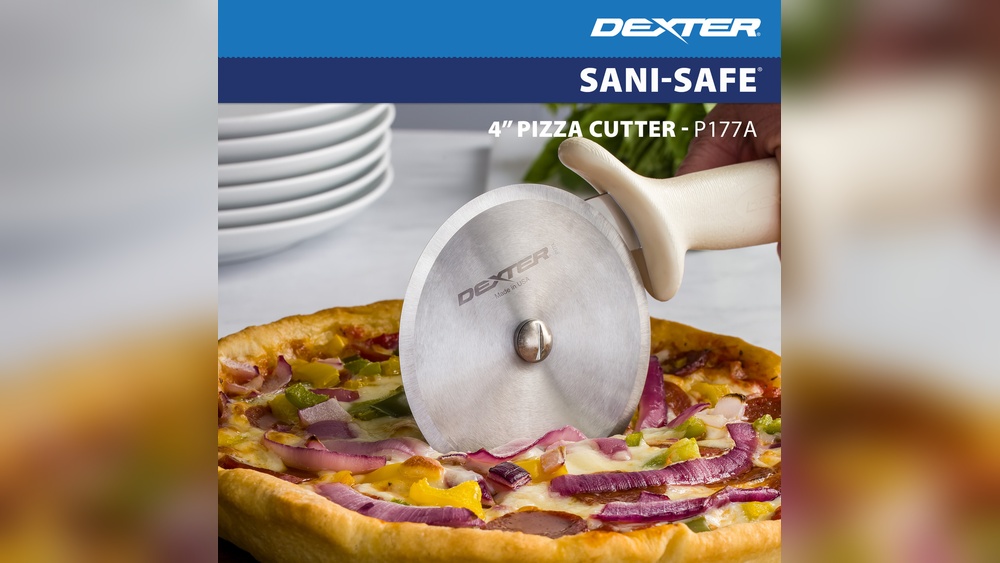
When you grab a pizza slicer, it might seem like a simple tool, but without the right care, it can cause serious cuts. Whether you’re slicing a homemade pie or serving guests at a party, knowing how to handle your pizza cutter safely protects your fingers and keeps your kitchen accident-free.
You’ll discover easy and effective pizza slicer safety tips that anyone can follow. These quick tricks will help you slice your pizza smoothly and confidently—without risking injury. Keep reading to learn how to make every cut safe and sharp!
Credit: kitchenstar.top
Choosing The Right Pizza Slicer
Choosing the right pizza slicer is important for safety and ease. The right tool helps cut pizza cleanly and reduces injury risk. Several factors affect the choice of a safe and effective pizza cutter. Focus on the type, material, and handle design.
Types Of Pizza Cutters
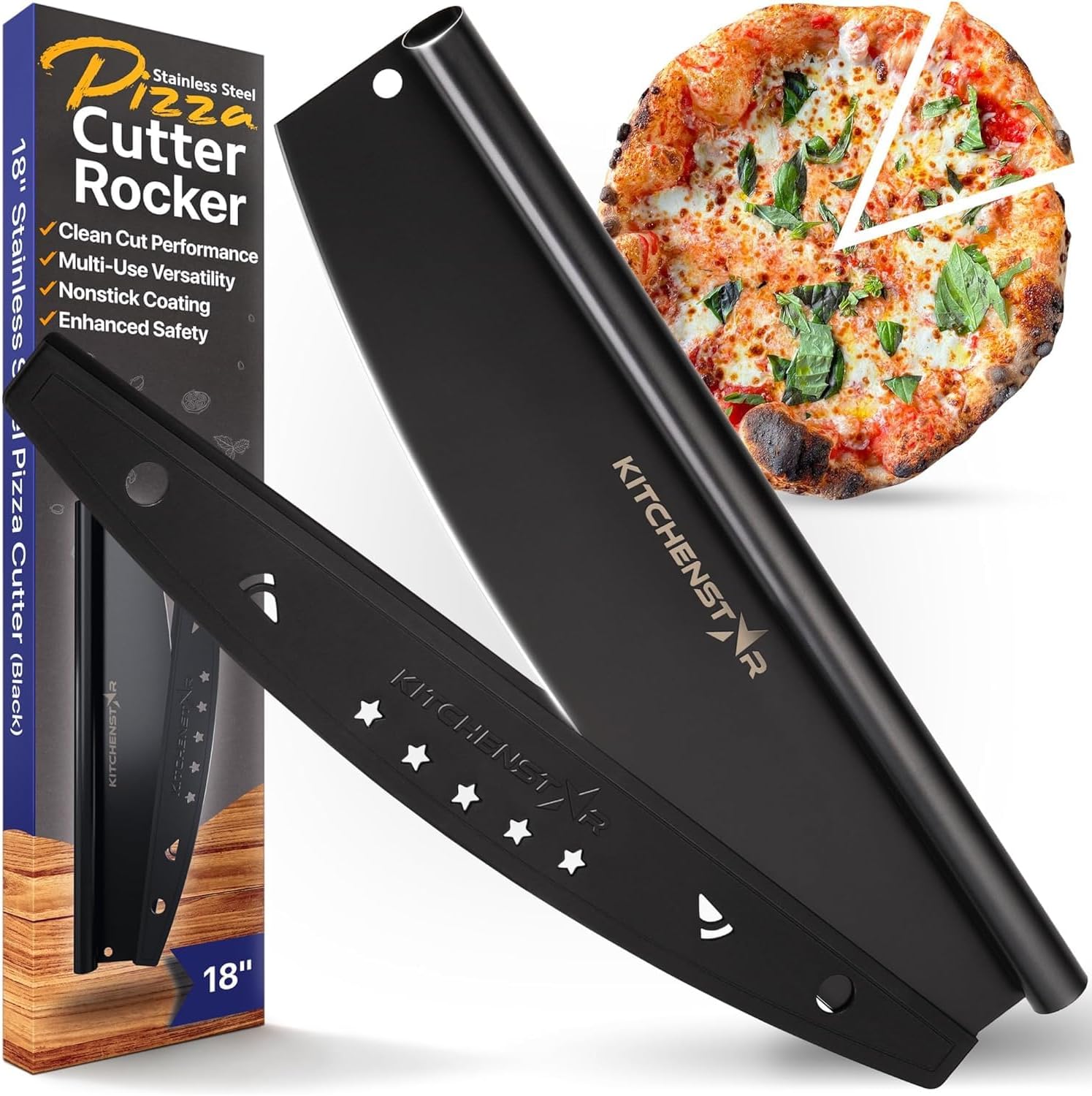
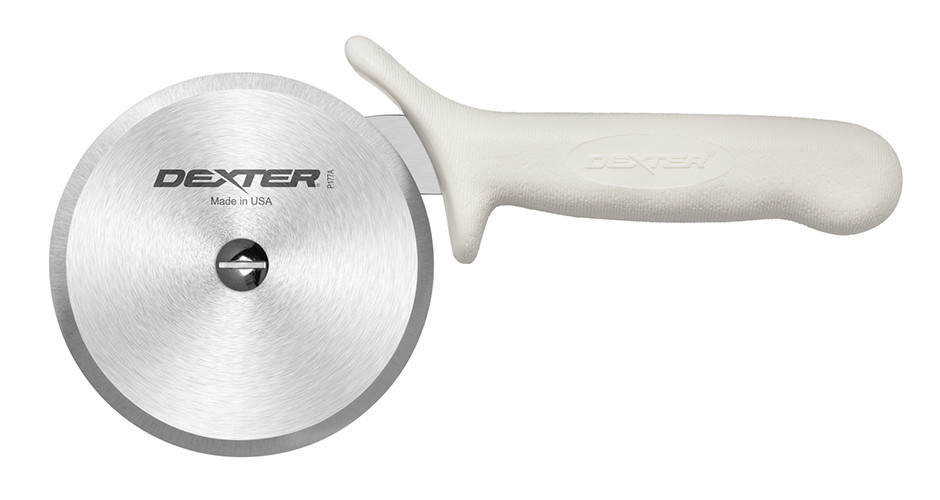
There are different types of pizza cutters. The wheel cutter is common and easy to use. It rolls across the pizza to slice it. Another type is the rocker cutter, which you press down to cut. Some use scissors-style cutters for more control. Each type offers a different cutting style and safety level.
Material And Blade Quality
The blade material affects sharpness and durability. Stainless steel blades resist rust and stay sharp longer. Avoid cheap metals that dull quickly or break. A sharp blade cuts easily, reducing the force needed. This lowers the chance of slipping and cuts. Check that the blade is securely attached to the handle.
Ergonomic Handles
Handles should fit comfortably in your hand. A good grip prevents slipping during cutting. Soft, non-slip materials improve control, especially with greasy hands. The handle shape should allow a firm hold without strain. Choose a slicer with balanced weight to avoid hand fatigue. Proper handles help keep your hands safe while slicing.

Credit: www.amazon.com
Safe Handling Techniques
Handling a pizza slicer safely reduces the risk of cuts and injuries. Using the right techniques ensures both control and safety. Below are key methods to handle your pizza slicer properly.
Proper Grip For Control
Hold the handle firmly with your dominant hand. Keep your fingers wrapped around the grip. Apply steady pressure to guide the slicer. Avoid gripping too tightly to prevent hand fatigue. A controlled grip helps you cut smoothly and safely.
Cutting On Stable Surfaces
Place the pizza on a flat, sturdy surface before slicing. Avoid using unstable or slippery boards. A steady surface prevents the slicer from slipping. This reduces the chance of accidents. Always check the surface stability before you start cutting.
Avoiding Distractions
Focus fully on the slicing task at hand. Keep your eyes on the pizza slicer blade. Avoid talking or multitasking while cutting. Distractions increase the risk of slipping or cutting yourself. Stay attentive for safer slicing every time.
Protective Gear Recommendations
Using the right protective gear is key to staying safe while cutting pizza. Simple tools can prevent many injuries. Protective gear helps keep your hands safe from sharp blades. Always prepare yourself before starting to slice. This section covers essential gear tips for pizza slicer safety.
Using Cut-resistant Gloves
Cut-resistant gloves protect your hands from sharp edges. They offer a strong barrier against accidental slips. Choose gloves made from materials like Kevlar or stainless steel mesh. These gloves fit snugly and allow good movement. Wearing them reduces the risk of cuts dramatically. Always check gloves for damage before use.
Hand Positioning Tips
Keep your fingers away from the blade’s path. Hold the pizza firmly but safely on the opposite side. Use your non-dominant hand to steady the pizza. Avoid placing hands near the rotating cutter. Position your wrist straight to maintain control. Proper hand placement lowers the chance of injury.
Safety While Cleaning
Unplug the slicer before cleaning to avoid accidents. Use a brush instead of your fingers to clean the blade. Wear cut-resistant gloves during cleaning for extra protection. Clean all parts carefully to remove food debris. Dry the slicer completely to prevent rust. Follow the manufacturer’s instructions for safe cleaning.
Safe Cutting Practices
Safe cutting practices with a pizza slicer reduce the risk of injury. Following simple steps ensures control and precision while cutting. These practices make pizza slicing safer and more effective.
Applying Even Pressure
Hold the pizza slicer firmly and press down evenly. Uneven pressure can cause the slicer to slip. Pressing gently avoids sudden movements and keeps the blade steady. Even pressure helps cut through toppings and crust smoothly.
Cutting In One Direction
Move the slicer in a single, steady direction. Avoid back-and-forth sawing motions that increase the risk of slips. Cutting forward with confidence creates clean slices. This method reduces blade wear and prevents accidents.
Avoiding Excessive Force
Do not push the slicer too hard. Excessive force can cause loss of control and injury. Let the sharp blade do the work with moderate pressure. Gentle cutting keeps hands safe and preserves the slicer’s sharpness.
Maintenance And Cleaning Safety
Maintaining and cleaning a pizza slicer safely prevents injuries and keeps the tool in good shape. Handling the blade and cleaning it require extra care. Follow these simple safety tips to protect your hands and ensure your slicer lasts longer.
Unplugging Or Disabling Tools
Always unplug electric pizza slicers before cleaning. This stops the blade from moving unexpectedly. For manual slicers, keep the blade locked or covered. Never clean a slicer while it is powered on. This step reduces the risk of cuts or accidents.
Careful Blade Removal
Remove the blade carefully for thorough cleaning. Use gloves to protect your hands from sharp edges. Hold the blade firmly and avoid sudden movements. Keep the blade away from your body. Store blades safely when not in use to prevent injuries.
Proper Cleaning Procedures
Use warm, soapy water and a soft cloth to clean the slicer. Avoid harsh scrubbers that can damage the blade. Rinse well and dry completely to stop rust. Clean all parts, including handles and guards. Check the slicer for damage before reassembling it.
Storage And Blade Protection
Proper storage and blade protection are key to pizza slicer safety. Keeping the blade covered and stored correctly helps prevent injuries. It also keeps the slicer in good condition for longer use.
Locking Or Covering Blades
Always lock or cover the blade when not in use. Use a blade guard or sheath to shield the sharp edge. This prevents accidental cuts during handling or cleaning. A locked blade also keeps children and pets safe.
Safe Storage Locations
Store the pizza slicer in a dry, secure place. Avoid leaving it on countertops or near the sink. Use a drawer or cabinet that is out of reach of children. Keep it separate from other utensils to avoid damage.
Regular Inspection
Check the blade regularly for damage or dullness. Replace or sharpen the blade if it becomes worn. Inspect the locking mechanism to ensure it works well. Regular checks keep the slicer safe and efficient to use.
Common Hazards To Avoid
Using a pizza slicer seems simple, but it can be risky without care. Knowing common hazards helps keep you safe. Avoiding these dangers reduces accidents and makes slicing easier. Pay attention to your surroundings and your slicer’s condition. Safety starts with understanding what can go wrong.
Slips And Falls
Wet floors or clutter cause slips near the cutting area. Pizza sauce or grease makes floors slippery quickly. Keep floors dry and clean to stop falls. Wear shoes with good grip to stay steady. Move carefully around the kitchen when slicing pizza.
Hand Injuries
The pizza slicer blade is very sharp and can cut skin. Always hold the slicer firmly and cut away from your body. Use a cutting board to protect your hands. Avoid distractions while slicing to prevent accidents. Consider using cut-resistant gloves for extra safety.
Cross-contamination Risks
Using the same slicer for different foods can spread germs. Clean the slicer thoroughly after each use to avoid contamination. Wash hands before and after handling food. Store the slicer in a clean place to keep it sanitary. Safe food handling protects you and others from illness.
Credit: dexter1818.com
Training And Workplace Safety
Proper training and a safe workplace are key to preventing injuries with pizza slicers. Every employee must understand how to use slicers safely. Clear safety rules reduce accidents and keep the kitchen running smoothly.
Employee Training Essentials
Train all staff on correct pizza slicer use before work. Show how to hold and operate the slicer carefully. Explain the risks of improper handling. Teach the importance of wearing cut-resistant gloves. Practice safe cleaning methods to avoid cuts. Repeat training regularly to keep safety top of mind.
Establishing Safety Zones
Mark clear areas around slicers where only trained staff may enter. Keep these zones free from clutter to avoid slips or trips. Use signs or floor markings to show danger zones. Make sure all employees respect these boundaries. This lowers the chance of accidental contact with blades.
Emergency Procedures
Prepare workers for emergencies like cuts or blade jams. Post first aid steps near slicer stations. Train employees to stop slicers immediately if a problem occurs. Teach how to call for medical help fast. Keep emergency supplies like bandages nearby. Quick action limits injury severity.
Frequently Asked Questions
What Are The Safety Precautions For Slicers?
Always wear cut-resistant gloves and keep hands away from the blade’s path. Turn off and unplug slicers when not in use. Clean carefully and lock the blade after use. Maintain a clutter-free workspace and focus fully while operating the slicer.
What Are Five Guidelines For The Safe Operation Of A Slicing Machine?
Wear cut-resistant gloves to protect hands. Keep the workspace clean and clutter-free. Focus fully on slicing tasks. Use pushers, never bare hands. Turn off and lock the slicer when not in use.
How To Safely Use A Slicer?
Wear cut-resistant gloves and keep hands away from the blade. Always slice on a flat surface. Turn off and unplug before cleaning or changing food. Keep the work area clean and focused. Lock the blade when not in use to prevent accidents.
What Hazard Would You Associate With A Meat Slicer?
A meat slicer poses cut and amputation hazards due to its sharp, rotating blade. Always wear cut-resistant gloves and stay focused.
Conclusion
Using a pizza slicer safely protects your fingers and hands. Always hold the slicer firmly and cut on a stable surface. Keep your focus while slicing to avoid accidents. Wear cut-resistant gloves for added protection. Clean the slicer carefully, keeping blades away from your skin.
Store the slicer properly when not in use. These simple steps keep pizza time fun and safe. Remember, safety first means better pizza every time.

As the author of the “Ultimate Pizza Guide: Recipes, Tips & Secrets Revealed,” I’m dedicated to sharing my love for pizza and empowering others to create delicious homemade pizzas with ease. Join me on a journey to uncover the secrets to perfecting your pizza game!