If you love making pizza at home or run a busy pizzeria in Austin, Texas, keeping your pizza accessories in top shape is key to serving perfect pies every time. But how often should you clean and maintain your pizza stones, peels, and ovens?
What’s the best routine to avoid damage and keep flavors pure? In this guide, you’ll discover a simple, easy-to-follow pizza accessory maintenance schedule that saves you time, prevents costly repairs, and ensures your equipment works like new—every single day. Stick with us, and you’ll never worry about your pizza tools again!
Credit: www.walmart.com
Pizza Stone Care
Pizza stones need special care to keep them working well. Proper maintenance makes your stone last longer and improves pizza quality. Learn simple steps to care for your pizza stone and keep it in top shape.
Why Avoid Oiling
Pizza stones absorb oil because they are porous. Oil inside the stone can go bad and smell bad. High heat makes oil burn and smoke. This smoke can spoil your pizza’s flavor. Unlike cast iron, pizza stones do not need oil to become non-stick. Using oil can cause more harm than good.
Natural Patina Development
With use, your pizza stone will darken naturally. This darkening is called a patina. It helps create a non-stick surface. Baking greasy foods like cookies or croissants helps build this patina. Over time, your stone becomes easier to use and clean. The natural patina is the best way to season your stone.
Cleaning Techniques
Let the pizza stone cool before cleaning. Use a brush or scraper to remove stuck food. Clean with hot water only; do not use soap. Soap can soak into the stone and change its taste. Avoid soaking the stone in water for long. Dry the stone well before storing it. Good cleaning keeps your stone ready for the next pizza.
Pizza Peel Maintenance
Maintaining your pizza peel is essential for smooth pizza making. A well-kept peel slides pizzas easily onto the oven stone. It also lasts longer and stays hygienic. Proper care keeps wood or metal peels in top shape. Follow simple steps to protect your investment and improve your pizza experience.
Oiling And Finishing
For wooden pizza peels, oiling prevents drying and cracking. Use food-safe mineral oil or beeswax finish. Apply a thin coat with a soft cloth. Let the oil soak into the wood overnight. Wipe off any excess before use. This treatment keeps the peel smooth and water-resistant. Avoid vegetable oils, which can go rancid.
Reapplication Schedule
Oil your wooden peel every 3 to 4 weeks. Increase frequency if you use it often or wash it frequently. Metal peels need less oil but benefit from a light wipe to prevent rust. Check your peel monthly for signs of dryness or wear. Regular maintenance ensures your peel stays durable and reliable for every pizza session.
Oven And Kitchen Equipment
Oven and kitchen equipment form the heart of any pizzeria. Keeping these tools clean and well-maintained ensures smooth operation and quality pizza every time. A strict maintenance schedule helps prevent breakdowns and costly repairs. It also promotes safety and hygiene in the kitchen.
Regular care extends the life of ovens, mixers, dough rollers, and other essential gear. Proper maintenance boosts efficiency and keeps your kitchen running like clockwork. Below are key points to focus on for oven and kitchen equipment upkeep.
Essential Pizzeria Tools
Ovens, pizza peels, dough mixers, and pizza cutters are vital for daily tasks. Each tool needs specific care to perform well. Ovens must be cleaned of food debris and grease daily. Peels require wiping and occasional oiling to prevent sticking. Mixers should be checked for loose parts and cleaned after use. Cutters stay sharp with regular blade checks and cleaning.
Using the right tool for each job reduces wear and tear. Store tools properly to avoid damage. A well-organized kitchen speeds up pizza preparation and keeps tools in good condition.
Routine Equipment Checks
Set a schedule for daily, weekly, and monthly equipment inspections. Check ovens for signs of uneven heating or strange noises. Inspect electrical cords and plugs for damage. Clean oven doors and seals to maintain heat efficiency. Examine dough mixers for worn belts or gears. Test pizza cutters and replace blades if dull.
Daily cleaning removes food residue and prevents build-up. Weekly deep cleaning includes oven interior and ventilation systems. Monthly, check calibration and service heating elements. Document all checks to track equipment health and spot recurring issues early.
Preventing Odors And Smoke
Preventing odors and smoke is essential for keeping pizza accessories in good condition. Unpleasant smells and smoke often come from improper use or residue buildup. These issues affect the taste of your pizza and can make cooking uncomfortable. Maintaining a clean and well-heated pizza accessory reduces these problems and extends its life.
Proper Heating Methods
Always preheat pizza stones and pans slowly and evenly. Sudden temperature changes cause cracks and smoke. Place the accessory in a cold oven and heat to the desired temperature. Avoid heating empty stones or pans on high heat too fast. Use an oven thermometer to check the temperature for accuracy. Proper heating stops food from burning and reduces smoke and odors.
Avoiding Residue Build-up
Clean pizza stones and accessories after each use. Remove food scraps with a brush or scraper while still warm. Avoid soap, which can soak into porous stones and cause smells. Use warm water only, drying thoroughly after washing. Do not oil pizza stones, as oil can burn and create smoke. Regular cleaning prevents residue buildup that causes odors and smoke during cooking.
Scheduling Maintenance
Scheduling maintenance for pizza accessories keeps your tools in top shape. Regular care prevents damage and extends their life. A clear schedule helps manage tasks efficiently. It ensures consistency and better results every time you bake.
Divide maintenance into daily, weekly, and monthly tasks. This approach keeps cleaning and inspections manageable. It also prevents buildup and unnoticed wear. Follow each step to protect your investment and maintain food safety.
Daily Cleaning Tasks
Clean pizza stones and peels after each use. Remove crumbs and food residue with a brush or cloth. Avoid soap on stones; use warm water only. Dry accessories thoroughly to prevent mold or rust. Wipe down metal tools with a damp cloth. These simple steps keep your tools ready for the next pizza.
Weekly Deep Care
Once a week, give your accessories a deeper clean. Soak metal peels in warm, soapy water to remove grease. Scrub gently with a sponge or brush. For pizza stones, scrape off stuck food carefully using a plastic scraper. Check handles and joints for looseness or damage. Tighten screws and oil wooden handles if needed. This care keeps accessories safe and durable.
Monthly Inspections
Inspect all pizza accessories thoroughly every month. Look for cracks in stones or warping in metal parts. Test for rust spots or loose fittings. Replace any worn-out or broken parts immediately. Review your cleaning routine and adjust if needed. Monthly checks prevent small issues from becoming big problems.

Credit: www.amazon.com
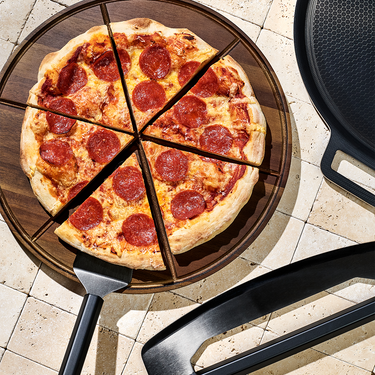
Credit: hexclad.com
Frequently Asked Questions
Do Pizza Stones Need To Be Oiled?
No, pizza stones do not need oiling. Oil can soak in, smoke, and cause off-flavors. Use flour or cornmeal instead.
What Equipment Do I Need For A Pizza Shop?
Essential pizza shop equipment includes pizza ovens, dough mixers, dough sheeters, refrigerators, prep tables, pizza peels, knives, cutting boards, and safety gear like gloves and aprons.
Do Pizza Peels Need To Be Oiled?
Yes, pizza peels benefit from occasional oiling with food-safe mineral oil. This prevents cracking and warping, extending their lifespan.
How To Properly Care For Pizza Stone?
Clean your pizza stone by scraping food residue and washing with hot water only. Avoid soap and oil. Preheat thoroughly before use. Use flour or cornmeal to prevent sticking. Build a natural non-stick patina by baking fatty foods like cookies occasionally.
Store dry to prevent cracking.
Conclusion
Keeping your pizza accessories clean and well-maintained helps them last longer. Follow a regular cleaning and care schedule for best results. Avoid using oil on pizza stones to prevent damage and bad smells. Use simple methods like flour or cornmeal to keep dough from sticking.
Check your tools often and replace worn parts promptly. A little care goes a long way in making perfect pizza every time. Stick to these easy steps and enjoy cooking without hassle. Maintenance keeps your pizza gear ready and your baking smooth.

As the author of the “Ultimate Pizza Guide: Recipes, Tips & Secrets Revealed,” I’m dedicated to sharing my love for pizza and empowering others to create delicious homemade pizzas with ease. Join me on a journey to uncover the secrets to perfecting your pizza game!