When it comes to making delicious homemade pizza, the tray you use matters more than you might think. Using pizza trays safely isn’t just about avoiding burns—it’s about choosing the right tray for your cooking style and handling it properly to get the best results every time.
Whether you prefer a crispy crust or a softer base, knowing how to use your pizza tray can make a huge difference in flavor and texture. You’ll discover simple tips to keep your pizza trays safe and effective, helping you bake perfect pizzas while protecting your kitchen and your health.
Ready to take your pizza game to the next level? Let’s dive in!
Choosing The Right Pizza Tray
Choosing the right pizza tray plays a key role in making a perfect pizza. The tray affects cooking time, crust texture, and ease of cleaning. Picking the best tray depends on your pizza style and cooking method.
Perforated Vs Solid Pans
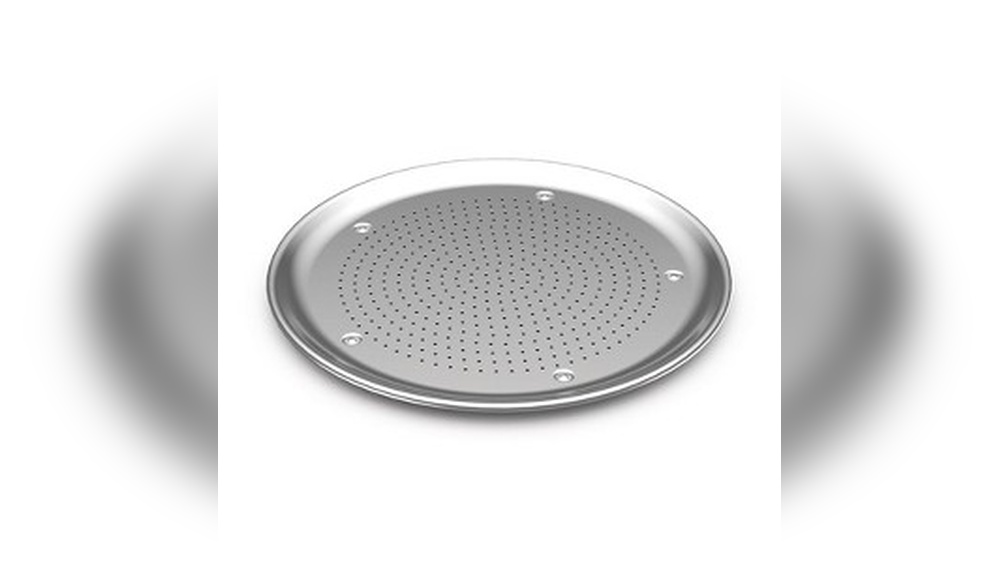
Perforated pans have small holes to let steam escape. This creates a crispier crust and faster baking. Air circulates better, making the pizza cook evenly. But, these pans can be harder to clean. Tiny toppings may fall through the holes. Solid pans keep toppings in place and are easier to clean. They work well for softer and thicker crusts. Choose perforated for thin, crispy pizzas. Use solid for chewy or soft crusts.
Material Options
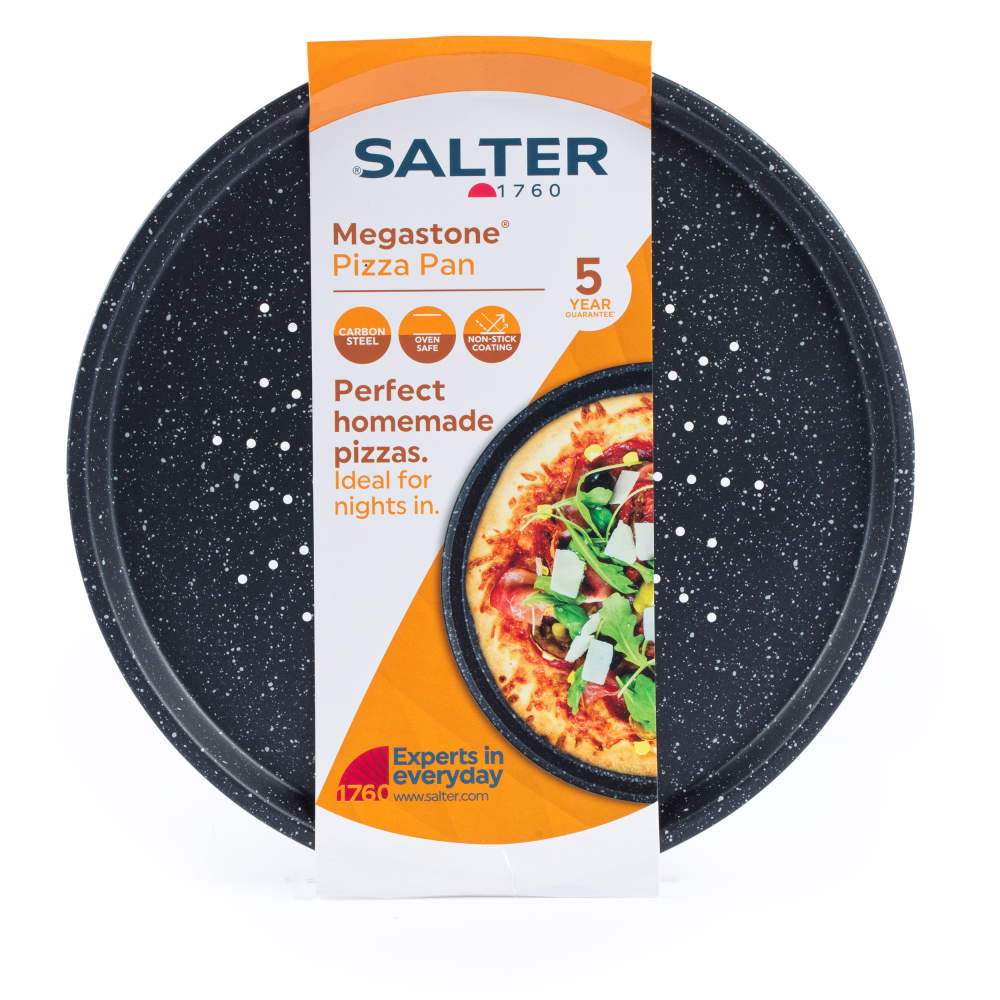
Pizza trays come in several materials like aluminum, steel, and cast iron. Aluminum heats quickly and is lightweight. Steel holds heat well for even cooking. Cast iron is heavy but gives excellent heat retention. Non-stick coatings help with easy pizza release. Avoid cheap materials that warp or rust easily. Pick a tray made from durable materials that suit your oven type.
Safety Considerations
Ensure the tray can handle high oven temperatures without damage. Use trays with heat-resistant handles or use oven mitts. Avoid trays with sharp edges to prevent cuts. Clean trays regularly to avoid buildup that could catch fire. Store trays safely to prevent accidents. Always check manufacturer guidelines for safe use and care.
Credit: salter.com
Benefits Of Perforated Pizza Trays
Perforated pizza trays offer several benefits that improve your pizza baking experience. The small holes in these trays allow heat and air to reach the crust directly. This design helps create a better texture and cooks the pizza more efficiently. Perforated trays are popular for making pizzas with crisp, evenly baked crusts.
Using these trays can change how your pizza turns out by enhancing the baking process. They help reduce sogginess and make the baking faster. Below are the main benefits of perforated pizza trays.
Crispier Crusts
The holes in perforated trays let steam escape during baking. This prevents moisture buildup under the dough. The crust becomes crispier and less soggy. A crisp crust is key to enjoying a great pizza texture.
Faster Baking Times
Perforated trays improve airflow around the pizza. The hot air circulates better through the holes. This speeds up the cooking time. You get your pizza ready quicker without losing quality.
Even Heat Distribution
Heat spreads more evenly with perforated trays. The holes help heat reach all parts of the crust. This stops some areas from being undercooked or overcooked. The result is a consistent bake every time.
Drawbacks Of Perforated Trays
Perforated pizza trays have many benefits but also some drawbacks. These trays feature holes that help air circulate and produce a crispy crust. Yet, these holes can cause issues during use and cleanup. Understanding these drawbacks helps you use them safely and effectively.
Cleaning Challenges
Food particles often get stuck in the small holes. This makes cleaning the tray harder and more time-consuming. Scrubbing each hole requires patience and care. If not cleaned well, old food can cause bad smells or even affect the taste of your next pizza. Using a brush with stiff bristles can help but does not always remove all debris.
Potential Topping Loss
Small toppings or cheese pieces may fall through the holes. This can waste ingredients and make your pizza look less appealing. Loose toppings can also burn on the oven floor, creating smoke or unpleasant smells. Extra care is needed to avoid overloading the pizza near the edges of the tray.
Limited Versatility
Perforated trays work best for thin, crispy pizzas only. They are not ideal for thick or very soft dough. Moist or heavy pizzas may stick or lose shape due to the holes. The trays cannot hold sauces or toppings that drip easily. For recipes requiring soft or thick crusts, a solid tray is a better choice.
Safe Materials For Pizza Trays
Choosing the right material for your pizza tray is key to safe cooking. Some materials handle heat better and avoid harmful chemicals. Using safe materials keeps your pizza healthy and tasty. Here are some safe options for pizza trays that last long and cook well.
Stainless Steel
Stainless steel is strong and resists rust. It heats evenly and is easy to clean. This material does not react with food or release toxins. Stainless steel trays last for years and work well in ovens.
Cast Iron
Cast iron holds heat very well and cooks pizza evenly. It can add a nice crisp to your crust. Seasoned cast iron trays create a natural non-stick surface. These trays need care to avoid rust but are safe and durable.
Ceramic Options
Ceramic pizza trays offer a natural, non-toxic cooking surface. They distribute heat evenly and retain warmth. Ceramic trays do not release chemicals and are easy to clean. Handle them carefully to prevent chips or cracks.
Carbon Steel With Non-toxic Coatings
Carbon steel heats up quickly and is very durable. Look for trays with safe, non-toxic coatings to prevent rust. These coatings make cleaning easier and keep food safe. Carbon steel trays are a good choice for fast, even baking.
Proper Use And Care Tips
Using pizza trays correctly keeps them lasting longer and works better for your pizza. Proper care prevents damage and keeps food safe. Simple steps protect your trays and improve your cooking results.
Seasoning Cast Iron
Cast iron pizza trays need seasoning to stay non-stick and rust-free. Rub a thin layer of oil on the tray. Heat it in the oven for one hour at 350°F (175°C). Let it cool before use. Repeat this process regularly for best results.
Cleaning Perforated Pans
Perforated pizza pans have small holes that need special care. Use a soft brush to clean stuck food from the holes. Avoid soaking them for too long to stop rust. Dry the pans completely after washing to keep them in good shape.
Avoiding Toxic Coatings
Check pizza trays for harmful coatings like PFOA or PFAS. Choose trays with safe, non-toxic surfaces. Avoid scratched or damaged coatings that can release toxins. Using safe trays protects your health and keeps food pure.
Storage Suggestions
Store pizza trays in a dry place to stop rust and damage. Keep trays separated with soft cloth or paper towels to avoid scratches. Stack trays carefully and avoid heavy weight on top. Proper storage helps trays stay clean and ready to use.
Credit: www.webstaurantstore.com
Maximizing Baking Results
Maximizing baking results with pizza trays makes every pizza better. Using the right methods brings out crispiness and even cooking. Small steps lead to a perfect crust and melted cheese. Focus on heat control and timing for best outcomes.
Choosing the right tray and handling it correctly helps avoid burning or sogginess. Understanding your oven and pizza style guides your tray use. Careful preparation and watching the pizza as it bakes improve results.
Preheating Techniques
Preheat your pizza tray before placing the dough on it. A hot tray helps the crust start cooking instantly. This prevents the dough from sticking and becoming soggy. Place the tray in the oven while it heats up. Use an oven thermometer for accurate temperature. Remove the tray carefully to avoid burns.
Using Trays For Different Pizza Styles
Choose trays based on the pizza type. Perforated trays suit thin, crispy crusts well. Solid trays hold moisture for thick or deep-dish pizzas. Adjust baking time depending on tray type and pizza thickness. Rotate the tray during baking for even heat. Use non-stick trays or line trays with parchment paper for easy cleanup.
Monitoring Baking Times
Check your pizza often to avoid overcooking. Baking times vary with oven and tray type. Thin crusts cook faster than thick crusts. Set a timer but watch the pizza near the end. Look for bubbling cheese and golden crust color. Remove the pizza promptly when done to keep it fresh and tasty.

Credit: www.amazon.com
Frequently Asked Questions
Are Pizza Trays With Holes Better?
Pizza trays with holes improve crust crispiness by allowing steam to escape and heat to circulate evenly. They bake faster but can be harder to clean and risk topping loss. Choose perforated trays for thin, crispy pizzas and solid ones for softer crusts and easier cleanup.
What Is The Safest Pizza Pan To Use?
The safest pizza pans are made from stainless steel, cast iron, or ceramic. Avoid pans with toxic non-stick coatings. Carbon steel with PFAS-free coating also ensures safety and durability. These materials provide chemical-free, non-reactive surfaces for healthy, even cooking and crisp crusts.
Do I Need To Oil A Pizza Tray?
Oiling a pizza tray helps prevent sticking and eases cleanup. Use a light coating of oil for better crust crispiness and easy pizza removal.
How To Use Pizza Trays?
Place the pizza dough on the tray, add toppings, then bake in a preheated oven. Use perforated trays for crispier crusts. Clean trays after use to maintain quality and prevent sticking.
Conclusion
Using pizza trays safely helps you enjoy better, tastier homemade pizza. Choose the right tray for your pizza style and cooking needs. Keep trays clean to avoid food buildup and bacteria. Handle hot trays carefully to prevent burns. Regularly inspect trays for damage or warping.
Following these simple steps keeps your pizza cooking safe and fun. Remember, safety and care improve your pizza experience every time.

As the author of the “Ultimate Pizza Guide: Recipes, Tips & Secrets Revealed,” I’m dedicated to sharing my love for pizza and empowering others to create delicious homemade pizzas with ease. Join me on a journey to uncover the secrets to perfecting your pizza game!