“Pizza Tray Material Safety”
When it comes to making the perfect pizza at home, the material of your pizza tray plays a bigger role than you might think. You want a tray that not only delivers a crispy, delicious crust but also keeps your food safe and free from harmful chemicals.
Choosing the right pizza tray material can protect your health and improve your cooking experience. You’ll discover which materials are safest, what to avoid, and how to pick the best tray for your kitchen. Keep reading to make sure your next pizza is as safe as it is tasty!
Safe Pizza Tray Materials
Choosing safe pizza tray materials matters for your health and cooking quality. Some trays contain coatings that release harmful chemicals when heated. Selecting trays made of solid, natural materials keeps your pizza safe and tasty. These materials also last longer and handle high temperatures well.
Stainless Steel Benefits
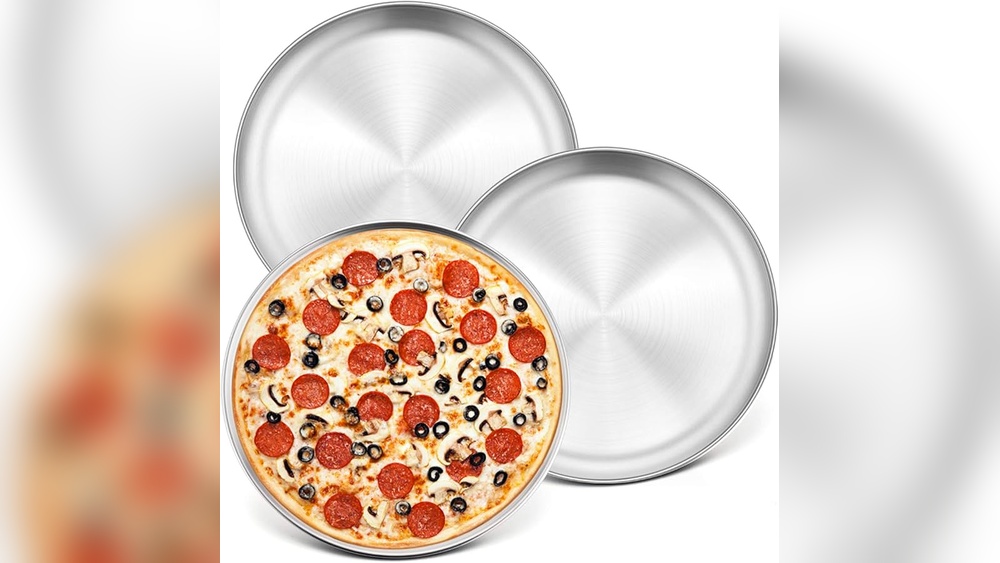
Stainless steel trays do not react with food or release toxins. They resist rust and stains, making cleaning easy. These trays heat evenly and keep their shape under high heat. Stainless steel is durable and safe for oven use every time.
Cast Iron Features
Cast iron holds heat very well for a crispy crust. It can last for decades if cared for properly. Seasoning the tray creates a natural non-stick surface. Cast iron trays are heavy but very sturdy and safe to use.
Ceramic Options
Ceramic trays are free from toxic chemicals like PFOA and PTFE. They offer a smooth, non-stick surface without harmful coatings. Ceramic heats evenly and looks attractive on the table. These trays need careful handling to avoid chipping.
Carbon Steel Advantages
Carbon steel heats quickly and evenly for great pizza crusts. It is lighter than cast iron but still strong. Many carbon steel trays come with safe, PFAS-free coatings. They provide easy food release and are good for high-heat baking.
Credit: marineandmainland.com
Materials With Trade-offs
Choosing the right material for a pizza tray involves balancing benefits and drawbacks. Each option offers distinct features, affecting safety, durability, and cooking quality. Understanding these trade-offs helps pick a tray that fits your cooking style and health concerns.
Natural Aluminum Pros And Cons
Natural aluminum heats up quickly and spreads heat evenly. This helps create a crispy pizza crust. It is lightweight, making trays easy to handle and store. Aluminum is common in professional kitchens for these reasons.
On the downside, aluminum is soft and can dent or scratch easily. Scratches might lead to metal leaching into food, which worries some users. Aluminum trays also tend to discolor over time. They need gentle cleaning to last longer.
Aluminized Steel Strengths
Aluminized steel combines aluminum’s heat conduction with steel’s strength. This makes trays durable and resistant to warping. They last longer under heavy use and offer steady baking performance.
Steel adds weight, so trays may feel heavier than pure aluminum ones. The surface resists scratches better but can still wear down with time. Aluminized steel is a practical choice for those who want strength and good heat control.
Materials To Avoid
Choosing the right pizza tray matters for your health. Some materials release harmful chemicals when heated. Avoiding unsafe materials keeps your food clean and safe. Below are key materials to avoid for pizza trays.
Pfoa/ptfe Coatings Risks
PFOA and PTFE are common in non-stick pans. These chemicals can break down at high temperatures. This breakdown releases toxic fumes that may harm your health. Long-term exposure links to liver and kidney problems. Avoid trays coated with PFOA or PTFE. Look for pans labeled “PFOA-free” or without non-stick coatings.
Pfas Concerns
PFAS are a group of chemicals used in many kitchen products. They resist heat and stains but may cause health issues. PFAS can build up in the body over time. Studies connect PFAS to hormone disruption and immune problems. Many pizza trays use PFAS coatings for non-stick properties. Choosing PFAS-free trays reduces your risk of exposure.
Tips For Crispier Crusts
Achieving a crispier pizza crust starts with the right baking tools and methods. Choosing the correct pizza tray material and design can improve your crust’s texture. Small changes in your baking setup make a big difference. Focus on how heat moves through your pan and how air flows around the dough. These factors help create that perfect crunch everyone loves.
Perforated Pans Benefits
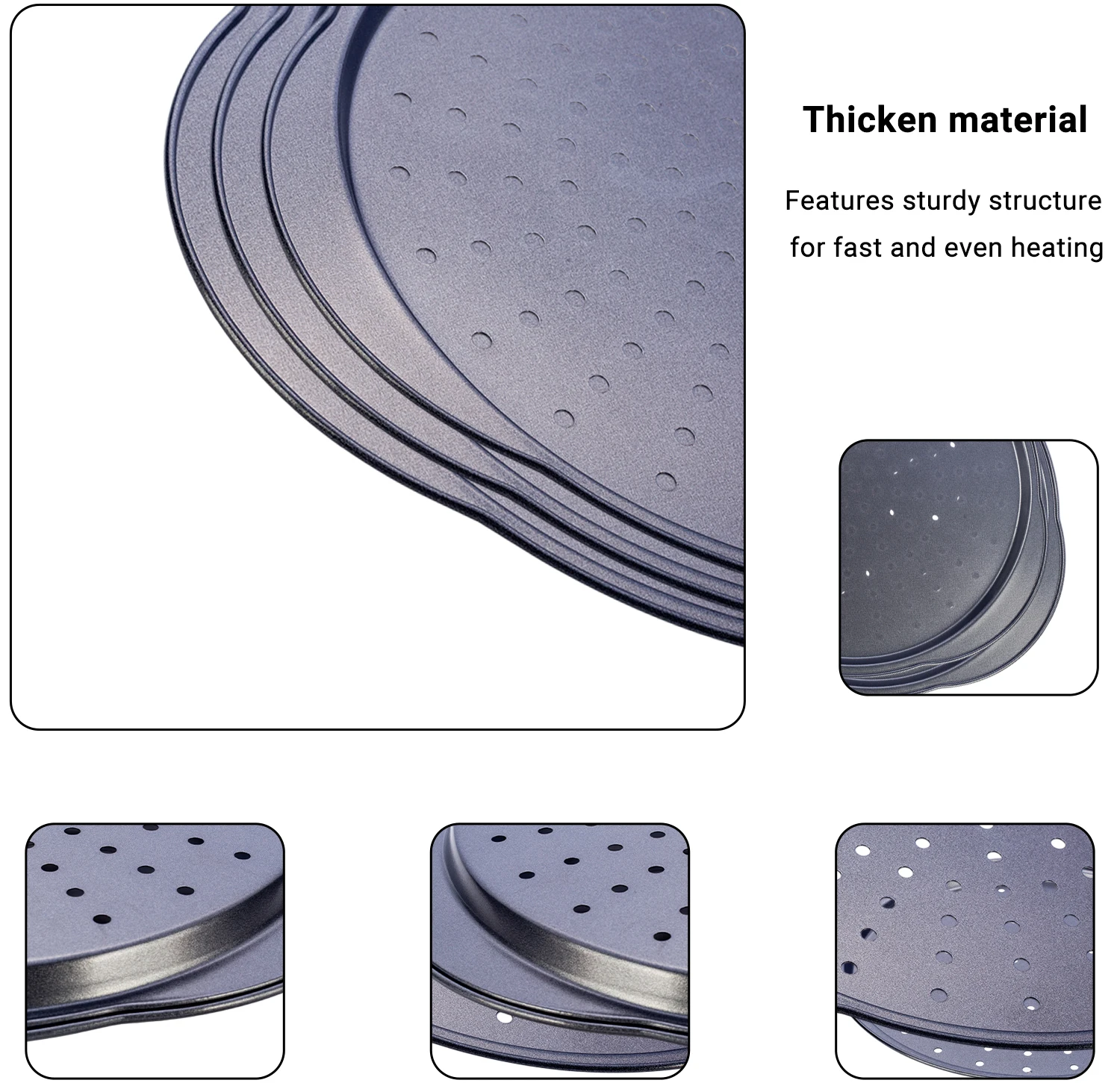
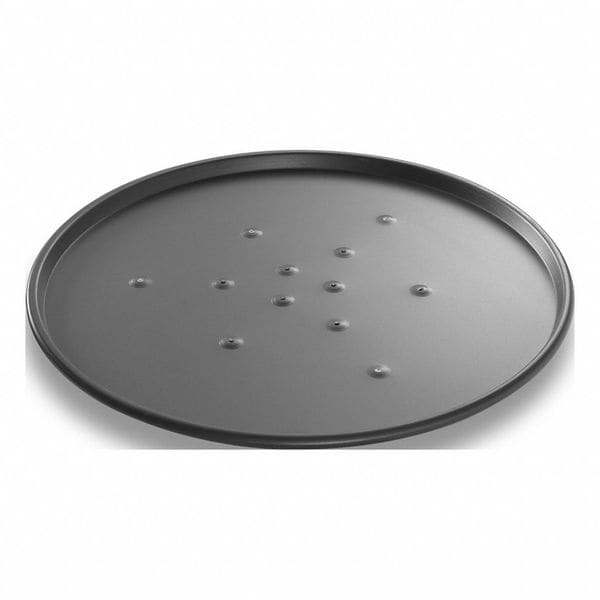
Perforated pans have tiny holes throughout their surface. These holes allow moisture to escape during baking. This keeps the crust from becoming soggy. The holes also help heat reach the dough more evenly. This results in a golden, crisp bottom crust. Perforated pans are ideal for thin crust pizzas. They reduce baking time and improve texture without extra effort.
Airflow And Heat Distribution
Good airflow around the pizza is key for crispiness. Pans that allow hot air to circulate evenly help cook the crust thoroughly. Materials like aluminum and steel conduct heat well. They spread heat quickly across the pizza base. This even heat prevents soft or undercooked spots. Using a pan that promotes airflow and heat distribution creates a crunchier crust every time.
Cleaning And Maintenance
Proper cleaning and maintenance keep your pizza trays safe and durable. Each material has unique care needs to preserve its safety and performance. Follow simple steps to extend your tray’s lifespan and avoid damage.
Seasoning Cast Iron
Cast iron needs regular seasoning to stay non-stick and rust-free. After washing, dry it well to prevent moisture buildup. Apply a thin layer of cooking oil over the surface. Heat the tray in the oven for about an hour to seal the oil. This process creates a protective coating that improves with use.
Avoid soap or harsh scrubbing, which can strip the seasoning. Use a stiff brush or salt scrub for cleaning. Proper seasoning keeps your cast iron pizza tray safe and long-lasting.
Handling Ceramic Pans
Ceramic pizza trays require gentle cleaning to avoid chips and cracks. Use warm, soapy water and a soft sponge for washing. Avoid abrasive pads that scratch the ceramic surface. Let the pan cool before washing to prevent thermal shock.
Do not use metal utensils on ceramic trays. Store them carefully to avoid dropping or bumping. Well-maintained ceramic pans stay safe and provide even cooking for your pizzas.
Maintaining Stainless Steel
Stainless steel pizza trays are durable and easy to clean. Use warm water and mild detergent with a soft cloth or sponge. For stuck-on food, soak the tray before scrubbing gently. Avoid steel wool to keep the surface smooth.
Dry the tray thoroughly to stop water spots and rust. Polishing occasionally with a stainless steel cleaner restores shine. Proper care ensures your stainless steel tray remains safe and efficient for baking.
Choosing Non-toxic Brands
Choosing non-toxic brands for your pizza tray is key to safe cooking. Many trays use coatings or materials that can release harmful chemicals when heated. Selecting brands focused on health and safety helps avoid risks. This section highlights safe material choices and trusted brand options.
Certified Ceramic Options
Ceramic trays are popular for their natural, non-toxic qualities. Certified ceramic options meet strict safety standards. These trays do not contain harmful chemicals like PFOA or PTFE. They resist scratching and provide even heat distribution. Choose brands with third-party certifications to ensure quality and safety.
Pfas-free Coatings
Many non-stick trays use PFAS chemicals, which can be harmful. PFAS-free coatings provide a safer alternative without toxic risks. These coatings still offer easy food release and simple cleanup. Look for labels clearly stating “PFAS-free” or “non-toxic” on packaging. This reduces exposure to dangerous chemicals during cooking.
Popular Trusted Brands
Some brands focus on producing safe pizza trays using non-toxic materials. They use ceramic or PFAS-free coatings and often have safety certifications. Brands like GreenPan and Ferno-Green are well-known for non-toxic cookware. Choosing these trusted names ensures you get a quality, safe pizza tray for your kitchen.
Baking Performance Factors
Choosing the right pizza tray material impacts baking quality. Several factors affect how your pizza cooks and tastes. Focus on heat retention, durability, and ease of handling. These elements influence crust crispiness and cooking time. Understanding these helps pick a safe and effective tray.
Heat Retention
Heat retention determines how evenly the pizza cooks. Materials like cast iron and carbon steel hold heat longer. This helps create a crispy crust and a well-cooked topping. Poor heat retention leads to uneven baking and soggy crusts. Choose trays that maintain consistent temperature.
Durability
Durability affects how long the pizza tray lasts. Strong materials resist warping and scratches from frequent use. Stainless steel and aluminized steel stand up well over time. Fragile materials like some ceramics can crack or chip easily. Durable trays save money and ensure safe baking.
Weight And Handling
Weight influences how easy the tray is to use. Heavy trays like cast iron offer great heat but can be hard to handle. Lightweight options like aluminum are easier to move but may wear out faster. Balance weight with comfort for safe and convenient baking.

Credit: www.amazon.com
Credit: www.zoro.com
Frequently Asked Questions
What Is The Safest Pizza Pan To Use?
The safest pizza pans are stainless steel, cast iron, ceramic, or carbon steel with PFAS-free coatings. These materials avoid toxic chemicals and provide durable, non-reactive surfaces for healthy cooking. Choose pans without PFOA/PTFE coatings to ensure safe, chemical-free pizza baking.
What Is The Safest Baking Tray Material?
The safest baking trays are stainless steel, cast iron, ceramic, and carbon steel with PFAS-free coatings. They avoid toxic chemicals and ensure durable, non-reactive, and healthy cooking surfaces.
Are Aluminium Pizza Trays Safe?
Aluminium pizza trays are safe for cooking as they conduct heat well. Avoid scratched or damaged trays to prevent metal leaching. Use natural, uncoated aluminium for best results. Choose trays without harmful non-stick coatings like PFOA or PTFE for safer baking.
Is Carbon Steel Pizza Pan Non-toxic?
Carbon steel pizza pans are generally non-toxic, especially if they have PFAS-free coatings. They offer safe, durable, and chemical-free cooking surfaces. Proper seasoning also prevents rust and ensures a natural non-stick layer without harmful chemicals.
Conclusion
Choosing the right pizza tray material matters for health and taste. Stainless steel, cast iron, ceramic, and carbon steel offer safe, chemical-free options. Avoid pans with PFOA or PTFE coatings to reduce exposure to harmful chemicals. Perforated pans help create crispy crusts by allowing better airflow.
Remember, a safer pizza tray means healthier meals and better cooking results. Keep these tips in mind when selecting your next pizza pan for safety and great flavor.

As the author of the “Ultimate Pizza Guide: Recipes, Tips & Secrets Revealed,” I’m dedicated to sharing my love for pizza and empowering others to create delicious homemade pizzas with ease. Join me on a journey to uncover the secrets to perfecting your pizza game!