When you think about pizza, you might picture a cheesy, indulgent treat. But what if your pizza could be both delicious and packed with nutrients?
The secret lies in your choice of toppings. Your pizza can become a powerhouse of vitamins, minerals, fiber, and healthy fats simply by swapping out a few ingredients. Imagine savoring every bite while fueling your body with wholesome goodness. Ready to discover which toppings boost your pizza’s nutrient density and which ones to avoid?
Keep reading to turn your favorite comfort food into a smarter, healthier meal you’ll feel great about.
Nutrient Density Of Pizza
Pizza offers more than just great taste. It can provide important nutrients too. The nutrient density of pizza depends on the ingredients used. Each topping adds different vitamins, minerals, and other nutrients. Knowing these details helps make better pizza choices that support health.
Impact Of Crust Choices
The crust forms the base of every pizza. Whole-grain crusts have more fiber and vitamins than white crusts. Fiber helps digestion and keeps you full longer. Some crusts include seeds or grains, boosting minerals like magnesium and iron. Thin crusts lower calorie intake compared to thick or stuffed types. Crust choice greatly affects the overall nutrient value of pizza.
Role Of Sauce In Nutrition
Tomato-based sauces bring important nutrients. They contain lycopene, an antioxidant that supports heart health. Sauces made from fresh tomatoes have more vitamins C and A. Avoid creamy sauces that add extra fat and calories. Herbs like basil and oregano add flavor and antioxidants too. The sauce contributes to both taste and nutrition of pizza.
Cheese And Its Nutrient Profile
Cheese is a major pizza ingredient with protein and calcium. It supports bone strength and muscle health. Full-fat cheeses provide vitamins A and D but also saturated fats. Using part-skim or lower-fat cheese lowers unhealthy fats while keeping nutrients. Cheese adds richness and nutrition but should be used in moderation for balance.
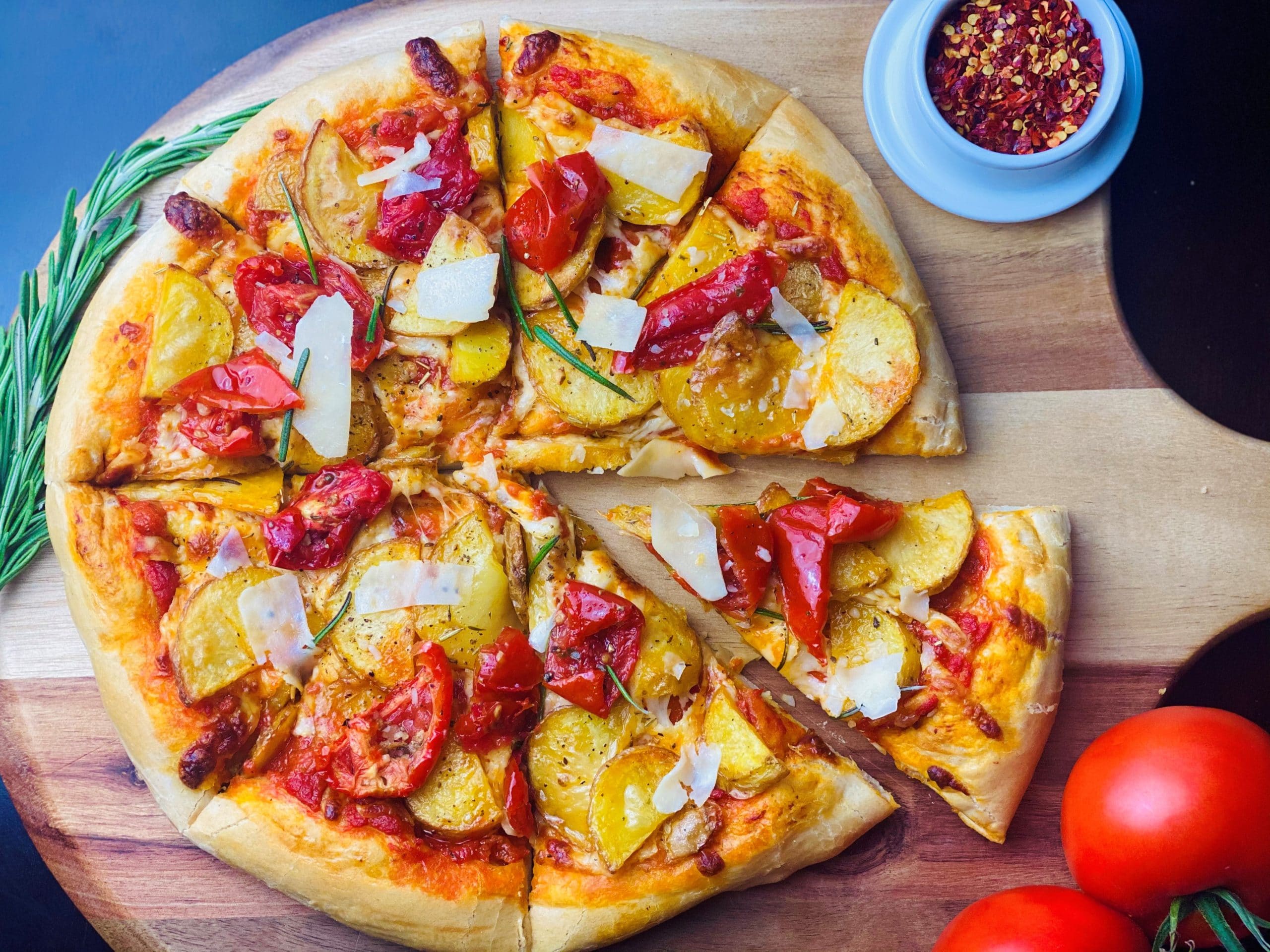
Credit: potatogoodness.com
Best Veggie Toppings
Choosing the best veggie toppings boosts your pizza’s nutrition and flavor. Vegetables add vitamins, minerals, and fiber. They keep pizza light and healthy without losing taste. Here are some top veggie choices that make your pizza nutrient-rich and delicious.
Leafy Greens: Spinach And Arugula
Spinach and arugula are excellent pizza toppings. They contain vitamins A, C, and K, plus iron and antioxidants. These greens add a fresh, slightly peppery taste. They cook quickly, so add them near the end. Their nutrients support eye health and immunity.
Mushrooms And Their Benefits
Mushrooms are low in calories and rich in B vitamins. They provide protein and selenium, important for the immune system. Mushrooms add a savory, umami flavor to pizza. They also help keep you full longer. Try different types like button, cremini, or shiitake for variety.
Bell Peppers And Tomatoes
Bell peppers are colorful and full of vitamin C. They add crunch and sweetness to your slice. Tomatoes, fresh or as sauce, bring lycopene, a strong antioxidant. Lycopene supports heart health and reduces inflammation. Together, these veggies brighten the pizza and boost nutrients.
Onions, Garlic, And Other Veggies
Onions and garlic add rich flavor and fiber. They may help lower blood pressure and improve heart health. Other veggies like artichokes and zucchini offer low-calorie options. These toppings add texture and variety without extra fat or calories. They keep your pizza tasty and healthy.
Healthy Fats From Olives
Olives provide healthy fats and vitamin E. These fats support brain function and heart health. Olives add a salty, tangy taste that complements other toppings. Use black or green olives for different flavors. They enrich your pizza with nutrients and a delicious bite.
Healthier Protein Options
Choosing healthier protein toppings can boost your pizza’s nutrient value. Proteins help build muscles and keep you full longer. Selecting lean and low-fat options supports heart health and reduces calorie intake. These choices add flavor without extra saturated fat or sodium. Here are some top healthier protein toppings to try on your pizza.
Lean Meats: Grilled Chicken And Turkey
Grilled chicken and turkey are excellent lean protein sources. They contain less fat than processed meats like pepperoni or sausage. These meats provide essential nutrients such as B vitamins and iron. Grilling helps keep them low in calories and rich in flavor. Adding them to your pizza enhances protein content without excess grease.
Seafood Choices Like Shrimp
Shrimp is a tasty, low-fat seafood option for pizza toppings. It offers high-quality protein and important minerals like selenium and iodine. Shrimp contains omega-3 fatty acids, which support brain and heart health. Its light texture works well with various vegetable toppings. Using shrimp can make your pizza both nutritious and delicious.
Credit: www.smaaa.org
Smart Ingredient Swaps
Smart ingredient swaps can boost your pizza’s nutrient density without losing flavor. Small changes to the crust, sauce, and cheese make a big health difference. These swaps keep your pizza tasty and better for your body.
Choosing Whole-grain Or Alternative Crusts
Whole-grain crusts add more fiber and nutrients than white flour crusts. Fiber helps digestion and keeps you full longer. Alternative crusts like cauliflower or chickpea crusts offer extra vitamins and protein. They lower the carb load and add variety to your meal.
Opting For Homemade Or Marinara Sauces
Marinara sauce made from fresh tomatoes is rich in lycopene, an antioxidant. Homemade sauces let you control sugar and salt levels. Avoid creamy or heavy sauces that add extra calories and fat. A simple tomato base keeps pizza light and nutritious.
Using Less Or Part-skim Cheese
Cheese adds flavor and calcium but can be high in fat. Using less cheese reduces saturated fat and calories. Part-skim cheese offers protein with less fat than full-fat versions. This swap helps maintain taste while improving the pizza’s health profile.
Toppings To Limit Or Avoid
Choosing the right pizza toppings can make a big difference in your meal’s nutrition. Some toppings add valuable nutrients, while others can bring unwanted fats, sodium, and calories. Limiting or avoiding certain toppings helps keep your pizza healthier and more balanced. Below are key toppings to watch out for.
Processed Meats And Their Risks
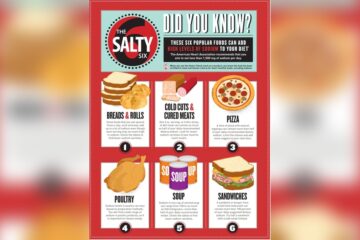
Processed meats like pepperoni, sausage, and bacon are common pizza toppings. These meats contain high levels of saturated fat and sodium. They also often have nitrates and preservatives that may harm health over time. Eating too much processed meat can increase the risk of heart disease and other illnesses. Choosing leaner proteins or plant-based toppings is a safer option.
Creamy And High-calorie Sauces
Creamy sauces such as ranch, Alfredo, or buffalo add rich flavor but also many calories and unhealthy fats. These sauces can quickly increase the fat content of your pizza. Excess fat and calories may lead to weight gain and other health problems. Opt for tomato-based sauces or light spreads to keep your pizza lighter and more nutritious.
Tips For Boosting Pizza Nutrition
Improving the nutrition of your pizza starts with smart topping choices and portion control. Small changes can make a big difference in nutrient intake. These tips help you enjoy pizza without sacrificing health.
Adding More Vegetables
Vegetables add vitamins, minerals, and fiber to your pizza. Choose colorful options like spinach, bell peppers, mushrooms, and tomatoes. They boost nutrient density and add flavor without many calories. Fresh or roasted veggies work well. Onions and garlic add taste and health benefits. Including a variety of vegetables enhances digestion and supports the immune system.
Balancing Protein And Fats
Opt for lean proteins such as grilled chicken or turkey sausage. These choices provide essential amino acids with less saturated fat. Avoid processed meats like pepperoni and bacon, which contain unhealthy fats and additives. Include healthy fats from olives or a small amount of cheese. This balance helps maintain muscle health and supports heart function.
Portion Control And Serving Suggestions
Watch your pizza portions to avoid extra calories. Pair a small slice with a side salad or vegetable soup to increase fullness. Eating slowly helps you recognize when you are satisfied. Limit high-fat toppings and heavy sauces to keep calories in check. Sharing pizza with others can also help control portions and reduce overeating.
Nutritional Benefits Of Key Ingredients
Choosing the right pizza toppings can boost your meal’s nutrient value. Many common toppings offer important nutrients that support health. These ingredients add vitamins, protein, and healthy fats. Understanding their benefits helps make smarter choices.
Vitamins And Antioxidants In Veggies
Vegetables like spinach, bell peppers, and tomatoes provide vitamins A, C, and K. They also contain antioxidants that protect cells from damage. Lycopene in tomatoes supports heart health. Onions and garlic offer fiber and may help lower blood pressure. Adding these veggies increases fiber and essential nutrients.
Protein Quality In Lean Meats
Lean meats such as grilled chicken and turkey sausage supply high-quality protein. This protein builds and repairs muscles. These meats have less saturated fat compared to processed options. Shrimp also offers low-fat protein. Choosing lean proteins helps maintain muscle and keeps fat intake lower.
Healthy Fats And Their Effects
Olives provide healthy fats and vitamin E. These fats support brain health and reduce inflammation. Using olive toppings adds flavor and good fats without excess calories. Avoid heavy creamy sauces to keep fats healthier. Healthy fats help absorb vitamins and improve heart health.

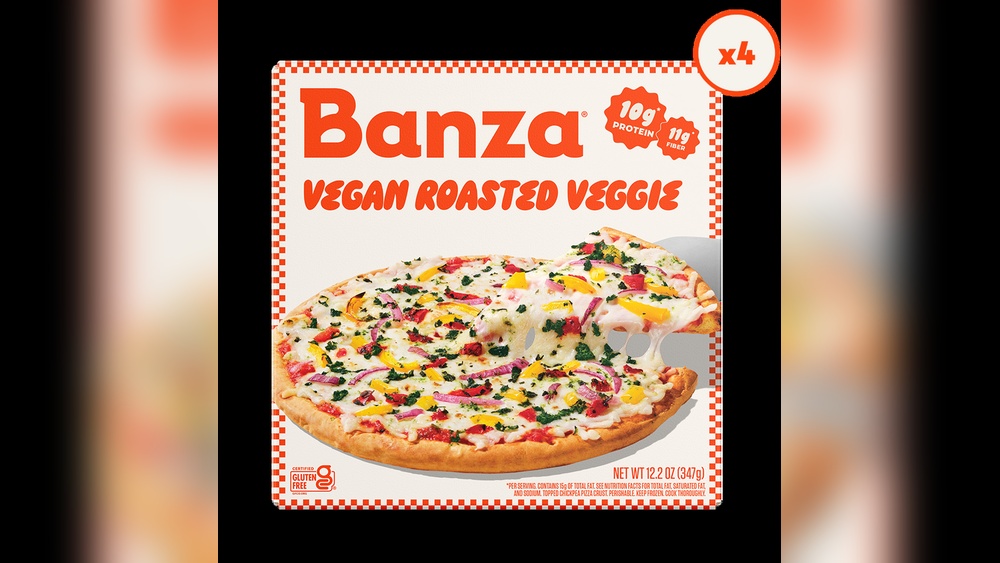
Credit: www.eatbanza.com
Frequently Asked Questions
What Are The Healthiest Toppings For A Pizza?
The healthiest pizza toppings include spinach, mushrooms, bell peppers, onions, tomatoes, grilled chicken, turkey sausage, and olives. Choose whole-grain crust and marinara sauce. Limit cheese and avoid processed meats and creamy sauces to reduce saturated fat and sodium.
Are Pizzas Nutrient Dense?
Pizzas vary in nutrient density based on toppings and crust choice. Veggie-loaded, whole-grain crust pizzas offer more vitamins, fiber, and healthy fats. Limit processed meats and creamy sauces to reduce unhealthy fats and sodium. Lean proteins and fresh vegetables enhance pizza’s nutritional value.
Which Pizza Toppings Are High In Protein?
High-protein pizza toppings include grilled chicken, turkey sausage, shrimp, and mushrooms. These options boost protein without excess fat.
Is Pizza With Toppings Healthy?
Pizza with healthy toppings like veggies, lean proteins, and whole-grain crust boosts nutrient density. Avoid processed meats and heavy sauces. This balance makes pizza a more nutritious choice.
Conclusion
Choosing nutrient-dense pizza toppings boosts your meal’s health value. Veggies like spinach, mushrooms, and bell peppers add vitamins and fiber. Lean proteins such as grilled chicken provide needed protein with less fat. Whole-grain crusts increase fiber intake, aiding digestion. Avoid processed meats and creamy sauces to reduce unhealthy fats and sodium.
Small changes make pizza both tasty and nutritious. Enjoy your slice with smarter topping choices for better health.

As the author of the “Ultimate Pizza Guide: Recipes, Tips & Secrets Revealed,” I’m dedicated to sharing my love for pizza and empowering others to create delicious homemade pizzas with ease. Join me on a journey to uncover the secrets to perfecting your pizza game!