When you’re serving your favorite pizza, the last thing you want is to worry about safety. But did you know that the spatula you use can affect both your health and the quality of your meal?
Whether you’re pulling that cheesy slice onto your plate or sliding a fresh pie from the oven, the right pizza serving spatula matters more than you might think. You’ll discover simple tips to keep your pizza serving safe, avoid harmful chemicals, and protect your kitchen tools from damage.
Ready to serve up pizza like a pro while staying safe? Keep reading to learn everything you need to know about pizza serving spatula safety.
Choosing Safe Materials
Selecting the right material for your pizza serving spatula is crucial for safety. Unsafe materials can release harmful chemicals into your food. This section helps you pick spatulas that keep your meals safe and healthy.
Avoiding Toxic Plastics
Some plastics contain harmful chemicals like BPA or phthalates. These can leach into food, especially when heated. Avoid black plastic spatulas, as studies found toxic flame retardants in them. Choose plastics labeled as food-safe and BPA-free only. Using safer plastics protects your health and prevents chemical contamination.
Silicone Benefits And Risks
Silicone spatulas resist heat and do not melt easily. They are flexible, making serving pizza easier. Most silicone spatulas are food-grade and safe for use. However, low-quality silicone may contain fillers that can leach chemicals. Buy silicone spatulas from trusted brands. Clean them well and replace if damaged to avoid risks.
Metal Vs Plastic Spatulas
Metal spatulas are durable and easy to clean. They do not absorb food odors or stains. However, metal can scratch non-stick pans and cause harmful particles to enter food. Plastic spatulas are gentle on cookware but may melt or warp if exposed to heat. Choose high-quality, heat-resistant plastic for safety. Match the spatula material to your cookware to protect both.
Heat Resistance Tips
Handling a pizza serving spatula safely means knowing how to deal with heat. Heat resistance is key to avoid accidents and keep your spatula strong. Follow simple tips to protect your spatula and yourself from heat damage.
Use a spatula that can handle the heat of your oven or grill. Knowing the limits helps you avoid melting or warping. This keeps your tool safe and lasts longer.
Safe Temperature Limits
Most pizza spatulas can handle heat up to 400°F (204°C). Silicone spatulas often resist heat up to 600°F (315°C). Plastic spatulas usually melt around 350°F (177°C). Always check the product label for exact numbers. Avoid exposing your spatula to higher heat than recommended.
Preventing Melting And Warping
Do not leave your spatula in direct contact with open flames. Avoid resting it on hot surfaces for long. Do not use a spatula with visible cracks or warps. Cool the spatula before washing to prevent damage. Using proper heat-resistant tools reduces risks of melting or warping.
Best Spatulas For High Heat
Silicone spatulas are great for high heat and non-stick surfaces. Stainless steel spatulas work well but may get hot quickly. Bamboo or wood spatulas resist heat and do not melt. Choose spatulas labeled heat-resistant for safe pizza serving.
Preventing Cross-contamination
Preventing cross-contamination is essential when using a pizza serving spatula. It helps keep food safe by stopping harmful bacteria from spreading. Careful handling and cleaning reduce the risk of illness. Follow simple steps to protect your family and guests.
Handling Raw And Cooked Foods
Use one spatula for raw ingredients only. Never let it touch cooked pizza or other ready-to-eat foods. Bacteria from raw dough or toppings can transfer easily. Always switch to a clean spatula before serving cooked pizza. This small habit keeps your food safe and healthy.
Cleaning Between Uses
Wash the spatula thoroughly after every use. Hot, soapy water removes food particles and germs. Rinse well and dry completely before using again. Avoid leaving the spatula wet or dirty on the counter. Proper cleaning prevents bacteria buildup and cross-contamination.
Using Separate Spatulas
Keep separate spatulas for raw and cooked foods. Label or color-code them to avoid mix-ups. This practice is especially important in busy kitchens or parties. Using different spatulas cuts the risk of spreading harmful germs. It helps maintain a safe and hygienic cooking space.

Credit: www.amazon.com
Maintaining Spatula Hygiene
Keeping your pizza serving spatula clean is key for food safety. Dirt, grease, and food bits can build up fast. This invites bacteria and can spoil your pizza experience. Good hygiene protects your health and keeps your kitchen safe. Follow simple steps to maintain your spatula’s cleanliness daily. This helps avoid contamination and ensures every slice is fresh.
Proper Cleaning Techniques
Wash your spatula after every use. Use warm water and dish soap. Scrub all surfaces carefully, including edges and handles. Rinse thoroughly to remove soap residue. For tough stains, soak the spatula in warm soapy water. Avoid harsh scrubbers that damage the spatula’s surface. Dry with a clean towel or air dry completely before storing.
Avoiding Bacteria Build-up
Never leave your spatula wet or dirty for long. Bacteria grow quickly in moist environments. Clean immediately after use to prevent germs. Avoid using the same spatula for raw and cooked foods. This stops cross-contamination. Replace spatulas with cracks or deep scratches. These spots trap bacteria and are hard to clean.
Storage Best Practices
Store spatulas in a dry, clean place. Use a utensil holder or drawer with good air flow. Keep spatulas separate from raw food tools. Avoid stacking wet spatulas together. This stops moisture and bacteria growth. Regularly check your storage area for cleanliness. Keeping spatulas dry and separated extends their life and safety.
Safe Serving Practices
Serving pizza safely requires attention to detail and good habits. Proper use of a pizza serving spatula can prevent accidents and keep food safe. Below are key safe serving practices that every pizza lover should follow.
Avoiding Food Contact Hazards
Always use a clean spatula when serving pizza. Avoid using the same spatula for raw and cooked foods. This prevents cross-contamination. Wash spatulas thoroughly after each use. Use separate utensils for different types of food. This habit reduces the risk of foodborne illness.
Using The Right Spatula Size
Choose a spatula that fits the size of your pizza slices. A spatula too small may cause slices to break. Too large spatulas can be hard to control. The right size helps lift slices easily and safely. Look for spatulas designed specifically for pizza. These often have a wide, flat surface to support slices well.
Handling Hot Pizza Safely
Use oven mitts or heat-resistant gloves when serving hot pizza. The spatula handle can get hot during use. Avoid touching the metal part of the spatula. Slide the spatula gently under the slice to avoid burns. Keep your hand steady to prevent dropping hot pizza. Safe handling protects you and others around you.
Common Spatula Safety Myths
Many myths surround pizza serving spatula safety. These myths often cause confusion and worry. Understanding the facts helps keep your kitchen safe and efficient. Let’s explore some common spatula safety myths and separate truth from fiction.
Debunking Black Plastic Fears
Black plastic spatulas often get a bad reputation. Some believe they release harmful chemicals into food. This fear comes from studies on recycled black plastics with flame retardants. However, most kitchen black spatulas are made from food-safe materials. Reputable brands follow strict safety rules. Using a black plastic spatula for pizza is generally safe. Always check for FDA approval to be sure.
Silicone Chemical Concerns
Some say silicone spatulas leach chemicals when heated. Silicone is actually a stable, non-toxic material. It can handle high temperatures without breaking down. Food-grade silicone is safe for cooking and serving pizza. Avoid cheap, low-quality silicone tools as they may have fillers. Choose high-quality silicone spatulas to ensure food safety and durability.
Metal Scratching And Food Safety
Metal spatulas may scratch non-stick pans, causing health worries. Scratches can trap bacteria if not cleaned well. Metal tools can also damage pan coatings, releasing harmful substances. Use metal spatulas only on stainless steel or cast iron. Avoid using them on non-stick surfaces. Proper cleaning after use prevents contamination risks and keeps pizza safe to serve.
Recommended Spatula Products
Choosing the right pizza serving spatula enhances safety and ease in the kitchen. This tool must be sturdy, heat-resistant, and food-safe. The right spatula prevents burns and food contamination. Below are recommended products that meet these standards and suit different budgets.
Top Picks For Pizza Serving
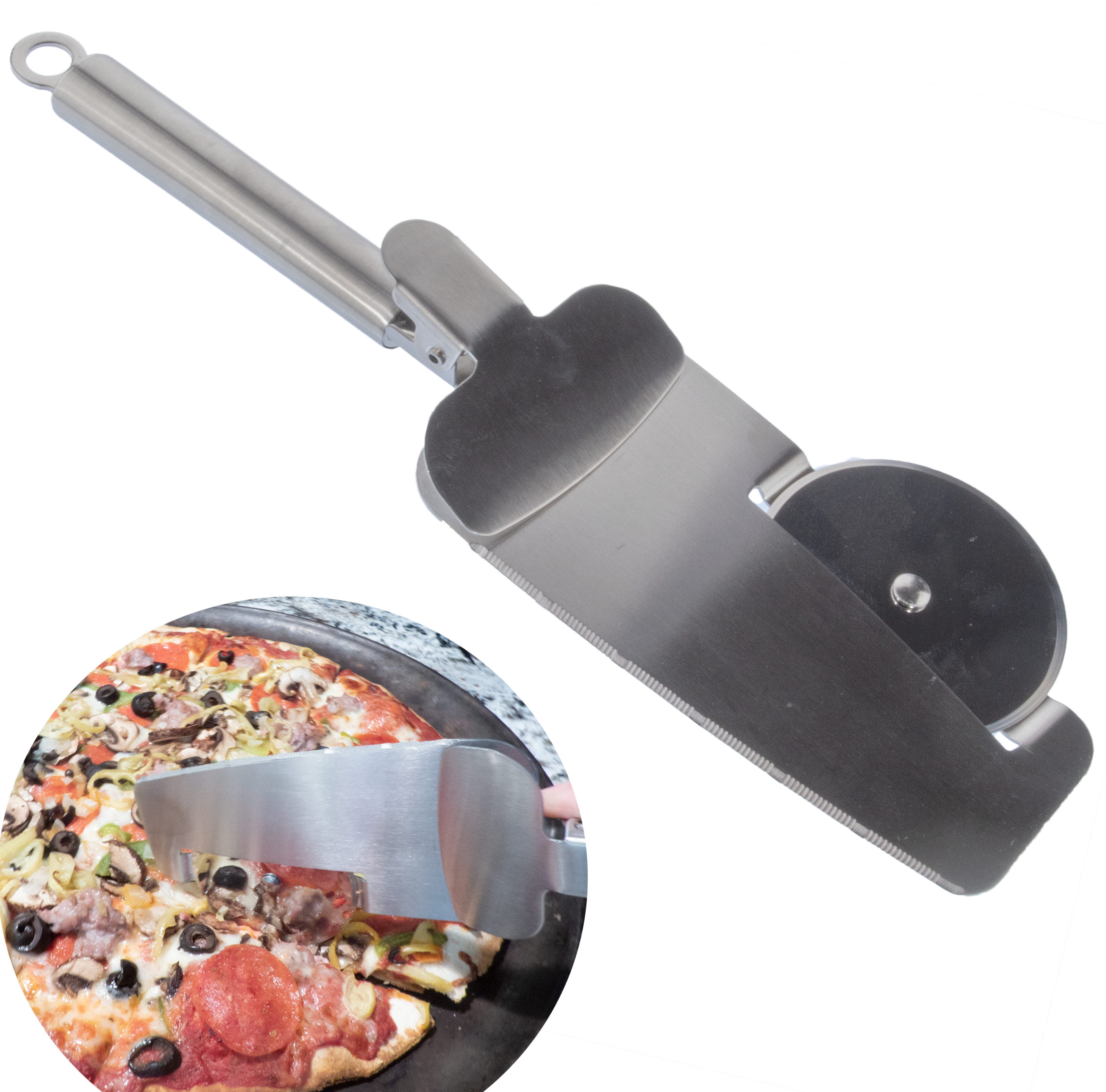
Ooni USA Pizza Peel offers a large, lightweight surface. Its wooden handle stays cool during use. The aluminum peel slides easily under pizzas. Williams Sonoma Pizza Server is sturdy and stylish. It features a comfortable grip and wide blade. Both tools provide excellent control and safety.
Affordable Safe Options
At Home Soft Grip Pizza Server costs under $10. It has a non-slip handle and durable design. Osopola Cake Safe Lifter doubles as a pizza spatula. It uses food-grade plastic, safe at high temperatures. These budget-friendly tools balance safety with value.
Premium Heat-resistant Models
Sur La Table Dark Red Silicone Turner resists heat up to 600°F. Its flexible silicone blade protects your pizza crust. The solid turner is perfect for flipping and serving. Home Depot’s Heat-Resistant Spatula blends strength and safety. These models suit frequent pizza makers and professionals.
Credit: business.walmart.com

Credit: www.amazon.com
Frequently Asked Questions
What Is The Black Spatula Controversy?
The black spatula controversy involves concerns about toxic flame retardants leaching from recycled black plastic into food, posing health risks.
Do Silicone Spatulas Leach Chemicals Into Food?
Silicone spatulas are generally safe and do not leach harmful chemicals into food. Use high-quality, food-grade silicone for best safety.
What Are The Safety Precautions For Spatulas?
Use separate spatulas for raw and cooked foods to prevent cross-contamination. Avoid metal spatulas on non-stick pans to prevent chemical release. Choose heat-resistant, food-safe materials like silicone. Clean spatulas thoroughly after each use. Inspect regularly for damage to ensure safe cooking.
What Spatulas Are Not Safe To Use?
Spatulas made from low-quality black plastic may leach toxic chemicals. Metal spatulas can damage non-stick pans, releasing harmful substances. Avoid using worn or cracked spatulas that shed materials into food. Choose heat-resistant, food-safe spatulas to ensure safety and prevent contamination.
Conclusion
Using a pizza serving spatula safely protects your health and food quality. Choose spatulas made from safe materials like silicone or stainless steel. Avoid black plastic spatulas that may contain harmful chemicals. Always clean your spatula well after use to prevent germs.
Handle hot pizza carefully to avoid burns or spills. Simple safety steps make serving pizza easy and worry-free. Stay aware and enjoy your pizza with peace of mind. Safety first, every time you serve a slice.

As the author of the “Ultimate Pizza Guide: Recipes, Tips & Secrets Revealed,” I’m dedicated to sharing my love for pizza and empowering others to create delicious homemade pizzas with ease. Join me on a journey to uncover the secrets to perfecting your pizza game!