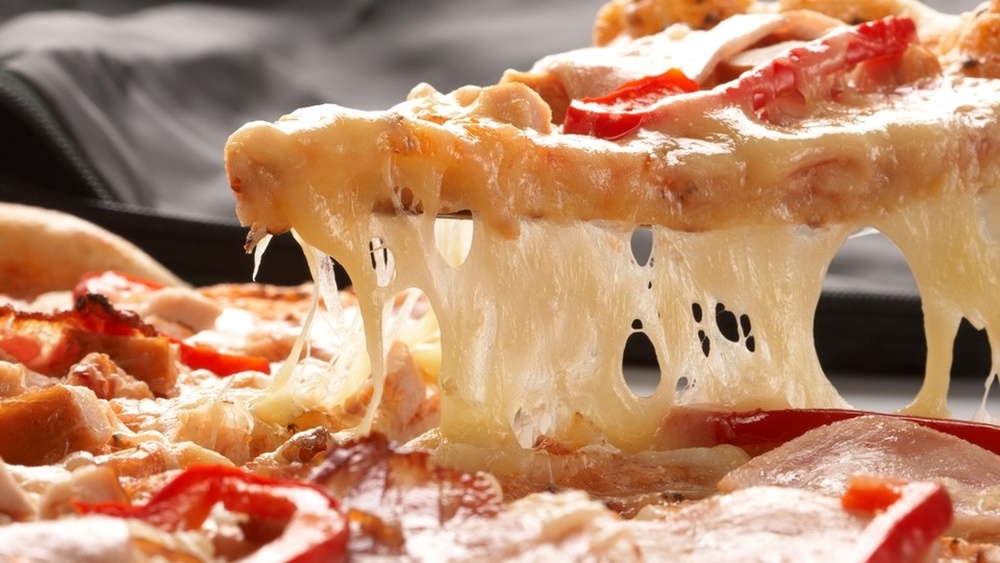
When you think of pizza, you probably imagine gooey cheese, savory sauce, and a crispy crust. But did you know pizza can also be a solid source of protein?
Whether you’re fueling your workout or just craving a satisfying meal, understanding where pizza’s protein comes from can help you make smarter choices. You’ll discover the key protein players in your favorite slice—from classic cheese to meaty toppings and even plant-based options.
You’ll also learn how different ingredients affect the protein content and how to enjoy pizza as part of a balanced diet. Ready to unlock the secrets behind pizza’s protein power? Let’s dive in!
Protein In Cheese
Cheese is a main source of protein in pizza. It offers a good amount of complete protein. This means it contains all essential amino acids. Cheese not only adds flavor but also helps build and repair muscles. Different types of cheese vary in protein content and taste. Choosing the right cheese can enhance pizza’s nutrition and texture.
Mozzarella And Parmesan
Mozzarella is the most common pizza cheese. It melts well and has a mild flavor. Mozzarella provides about 7 grams of protein per ounce. It is rich in calcium, which is good for bones. Parmesan is a hard cheese with a strong taste. It contains more protein than mozzarella, about 10 grams per ounce. Parmesan adds a sharp flavor and a crunchy texture when grated on top.
Ricotta And Other Cheeses
Ricotta has a creamy texture and a slightly sweet taste. It contains about 14 grams of protein per half cup. Ricotta is often used in white or specialty pizzas. Other cheeses like cheddar, gouda, and feta also add protein. Each cheese type has its own unique taste and protein level. Mixing cheeses can improve both flavor and nutrition of pizza.
Meat Toppings
Meat toppings are a popular choice for adding protein to pizza. These toppings not only enhance flavor but also boost the protein content. Protein helps with muscle repair and keeps you full longer. Choosing the right meat toppings can make your pizza a more balanced meal.
Pepperoni And Sausage
Pepperoni is a classic pizza topping known for its spicy and savory taste. It provides a good amount of protein per slice. Sausage, often made from pork or beef, is another protein-rich topping. It adds bold flavor and a satisfying texture. Both meats contribute essential amino acids needed by the body.
Chicken And Bacon
Chicken is a lean protein option commonly used on pizzas. It offers high protein with less fat compared to other meats. Bacon adds a smoky flavor and crispy texture. Though higher in fat, bacon also provides protein. Together, chicken and bacon create a tasty and protein-packed pizza.
Meatballs And Ham
Meatballs bring rich flavor and a hearty protein boost to pizzas. Usually made with ground beef or pork, they offer a dense source of protein. Ham is a cured meat that adds saltiness and protein. Both toppings pair well with cheese and vegetables for a balanced slice.
Plant-based Proteins
Plant-based proteins offer excellent nutrition for pizza lovers seeking meatless options. These proteins come from various sources and add unique flavors and textures. They help build muscle and keep you full without animal products.
Many plant-based proteins are easy to include on your pizza. They blend well with traditional ingredients and boost the protein content. Here are some popular plant-based protein choices for pizza toppings.
Tofu And Plant-based Meats
Tofu is a versatile protein made from soybeans. It absorbs flavors well and adds a soft texture to pizza. Plant-based meats like veggie sausage or crumbles mimic traditional meats. They bring protein and satisfy cravings without animal fat.
These options are rich in protein and often fortified with vitamins. They make vegetarian or vegan pizzas more filling and tasty. Try marinated tofu or seasoned plant-based meats for bold flavors.
Nuts And Seeds
Nuts and seeds add crunch and protein to pizza. Pine nuts, walnuts, and almonds are common choices. Sprinkle them over your pizza before or after baking for extra texture.
Seeds like pumpkin or sunflower also boost protein and add healthy fats. They provide a nutty taste that complements vegetables and sauces. Nuts and seeds are nutrient-dense and support a balanced diet.
Vegetables With Protein
Certain vegetables contain more protein than others. Spinach, broccoli, and peas are good examples. Adding these veggies to pizza increases protein and fiber.
Mushrooms offer a meaty texture and moderate protein content. They work well as a topping alone or combined with other plant-based proteins. These vegetables add color, flavor, and nutrition to every slice.
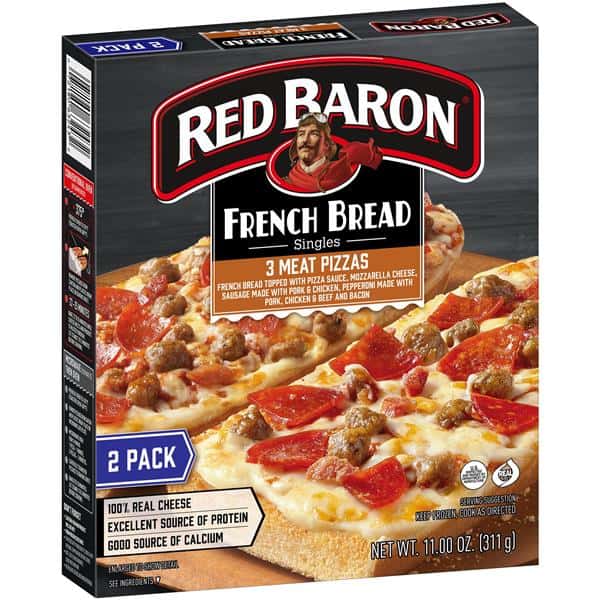
Credit: www.hy-vee.com
Protein From Dough
The dough in pizza is more than just a base. It provides a modest amount of protein that supports muscle repair and energy. Different types of dough offer varying protein levels. Understanding these can help choose pizzas with better protein content.
Traditional Flour Content
Most classic pizza doughs use refined white flour. This flour contains gluten, a protein that gives dough its elasticity. A typical slice of pizza dough offers about 2-3 grams of protein. Although not as rich as toppings, this protein still adds to the meal’s total.
Refined flour lacks some nutrients found in whole grains. It has fewer fibers and less protein overall. Still, its gluten structure is crucial for the dough’s texture and chewiness.
Whole-wheat And Specialty Crusts
Whole-wheat dough uses flour made from the entire grain. This type contains more protein than refined flour, usually 4-5 grams per serving. It also offers fiber and vitamins, making it a healthier choice.
Specialty crusts, like those made from chickpea or almond flour, can boost protein content even more. These options suit people seeking plant-based or gluten-free diets. They provide unique flavors and textures while increasing the pizza’s nutritional value.
High-protein Pizza Varieties
High-protein pizza varieties offer more than just great taste. They provide a solid protein boost, perfect for muscle repair and energy. These pizzas combine rich protein sources in the dough, cheese, and toppings. Choosing the right ingredients makes a big difference in protein content.
Meat Lover’s Pizza
Meat Lover’s Pizza is packed with multiple protein-rich meats. Common toppings include pepperoni, sausage, bacon, and chicken. Each of these adds a strong protein punch. The variety of meats creates a flavorful and filling option. This pizza type is a favorite for those seeking extra protein in every slice.
These meats not only increase protein but also add taste and texture. The combination provides a balanced mix of essential nutrients. Meat Lover’s Pizza is ideal for people who want to boost their protein intake without sacrificing flavor.
Specialty High-protein Dough And Cheese
Specialty doughs can raise protein content in pizza crusts. Some use whole wheat or added protein powders like whey or pea protein. This makes the base more nutritious and satisfying. These doughs have more protein than traditional white flour crusts.
Cheese is another key protein source. Mozzarella is common, but some pizzas use higher-protein cheeses like parmesan or ricotta. Some brands create cheese blends specifically to increase protein. These cheeses keep the pizza creamy while adding muscle-friendly nutrients.
Combining high-protein dough and cheese creates a pizza that supports an active lifestyle. It offers more protein per slice than standard pizzas, making it a smart choice for health-conscious eaters.

Credit: www.hy-vee.com
Balancing Macros
Balancing macros in your pizza meal means managing proteins, carbohydrates, and fats. Each macronutrient plays a different role in your body. Protein supports muscle repair and growth. Carbs provide energy. Fats help absorb vitamins and support cell function.
Eating pizza with a good balance of macros can make it a more nutritious choice. Paying attention to toppings and crust helps control these nutrients. This balance can improve your overall diet and support your health goals.
Protein Vs. Carbs And Fats
Protein in pizza mainly comes from cheese and meat toppings. Carbohydrates come from the crust. Fats are in cheese and meats. Cheese offers both protein and fat, making it a key ingredient for macros.
Too many carbs can cause energy spikes and dips. Excess fats may add extra calories. Including lean meats or plant proteins can boost protein without adding too much fat. Choosing whole-grain crusts adds fiber and slows carb absorption.
Moderation Tips
Keep portion sizes moderate to balance macros effectively. Limit high-fat meats like sausage or pepperoni to reduce fat intake. Add vegetables for fiber and nutrients without many calories.
Try thinner crusts or smaller slices to control carb intake. Mixing different protein sources helps diversify nutrients. Drinking water instead of sugary drinks supports overall balance.
Boosting Protein On Vegan Pizzas
Vegan pizzas can be tasty and healthy with the right protein sources. Plant-based protein helps keep you full and supports your muscles. Boosting protein in vegan pizzas needs smart choices. Using good toppings and sauces can raise protein levels without losing flavor.
Adding Plant-based Toppings
Choose toppings that add protein and taste. Tofu is a great option. It soaks up flavors and adds texture. Tempeh works well too, with a nutty taste and firm bite. Chickpeas and beans also bring protein and fiber. Nuts and seeds, like pumpkin seeds or walnuts, give a crunchy boost. Leafy greens like spinach add some protein and nutrients. Mix and match these toppings for a balanced pizza.
Using Protein-rich Sauces
Sauces can add more than flavor. Nut butters, like almond or peanut butter, blend well in sauces. They add protein and healthy fats. Hummus-based sauces offer a creamy texture and extra protein. Tomato sauce made with added lentils or beans can raise protein levels too. Experiment with different sauces to create tasty, protein-packed vegan pizzas.
Protein Content Variation
Protein content in pizza varies widely based on style, toppings, and crust. Each element affects the total protein amount you get per slice. Understanding these differences helps you make better choices for your nutrition needs.
Comparing Different Pizza Styles
Thin crust pizzas often have less dough protein than thick crust varieties. Deep-dish pizzas contain more cheese and meat, boosting protein significantly. Neapolitan pizzas use fresh mozzarella, offering moderate protein levels. Stuffed crust pizzas add extra cheese in the edges, increasing protein.
Vegetarian pizzas usually have lower protein unless they include high-protein plant toppings. Meat lover’s pizzas pack the highest protein due to multiple meat toppings. Each style offers a unique protein profile based on its ingredients and preparation.
Impact Of Toppings And Crust Choices
Cheese is the primary protein source on most pizzas. Mozzarella, parmesan, and ricotta are common choices with high protein. Adding meats like pepperoni, sausage, or chicken raises protein sharply. Plant-based toppings such as tofu or nuts add protein but less than meats.
The crust also affects protein. Whole wheat or high-protein dough boosts protein compared to standard white flour crust. Some restaurants offer special protein-enriched crusts for extra nutrition. Choosing toppings and crust wisely can help maximize protein intake from pizza.
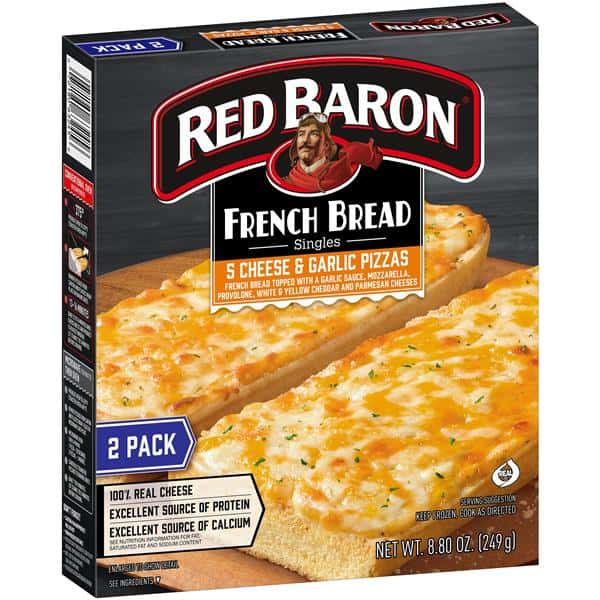
Credit: www.hy-vee.com
Frequently Asked Questions
How Is Pizza So High In Protein?
Pizza is high in protein mainly due to cheese, a rich protein source, plus meat toppings like pepperoni and chicken. The dough adds some protein, especially if made with whole wheat or high-protein flour. Plant-based toppings like tofu also increase protein content.
What Protein Does Pizza Have?
Pizza contains protein mainly from cheese like mozzarella and parmesan. Meat toppings such as pepperoni, chicken, and sausage add more protein. The dough also provides some protein, especially if made with whole wheat or high-protein flour. Plant-based toppings like tofu and nuts contribute plant protein.
How Do Italians Eat Pizza And Not Get Fat?
Italians eat pizza in moderation, focusing on fresh ingredients and balanced portions. They pair pizza with vegetables and stay active to maintain weight.
Does Costco Cheese Pizza Really Have 44g Of Protein?
Costco cheese pizza contains about 44g of protein due to its thick cheese layer and large serving size. Cheese provides most protein, while the dough adds some. This high protein count suits those seeking muscle repair and energy from a filling meal.
Conclusion
Pizza offers many protein sources beyond just cheese. Meats like chicken and pepperoni add extra protein and flavor. Plant-based toppings such as tofu and nuts give good protein for vegetarians. Even the dough contains some protein, especially whole wheat or high-protein crusts.
Choosing a variety of toppings helps balance taste and nutrition. Remember, pizza also has carbs and fats, so enjoy it in moderation. Understanding protein sources helps make smarter pizza choices. Protein-rich pizza can support muscle repair and energy. A tasty way to include protein in your diet.

As the author of the “Ultimate Pizza Guide: Recipes, Tips & Secrets Revealed,” I’m dedicated to sharing my love for pizza and empowering others to create delicious homemade pizzas with ease. Join me on a journey to uncover the secrets to perfecting your pizza game!