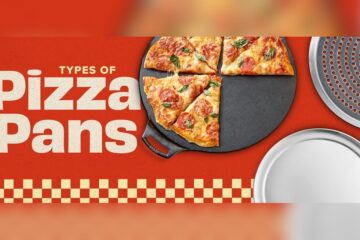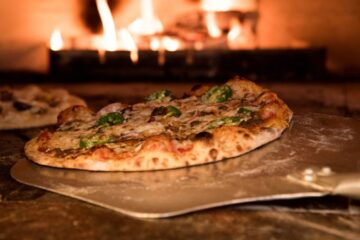
When you’re making pizza at home, the pan you choose plays a bigger role than you might think—not just in how your crust turns out, but in your health too. Have you ever wondered if your pizza pan could be affecting your well-being?
Some materials can release harmful chemicals when heated, while others keep your food safe and tasty. You’ll discover which pizza pan materials are truly safe and why it matters for your health. Keep reading to learn how to pick the best pan that protects you and delivers the perfect crispy crust every time.

Credit: www.amazon.com
Safe Pizza Pan Materials
Choosing safe pizza pan materials matters for your health and food quality. Some pans release harmful chemicals when heated. Others react with acidic ingredients, affecting taste and safety. Safe materials avoid toxins and last long. They help bake perfect pizzas without worries.
Stainless Steel Benefits
Stainless steel is non-reactive and chemical-free. It does not leach metals into food. This makes it a safe choice for pizza pans. It heats evenly and resists rust. Cleaning is easy, and it lasts for years. Stainless steel pans keep your pizza pure and healthy.
Cast Iron Features
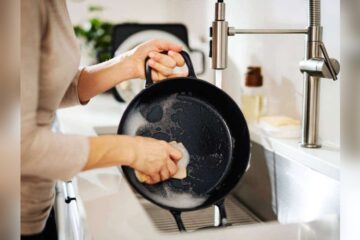
Cast iron holds heat well for crispy crusts. It is very durable and natural. Cast iron needs seasoning to prevent rust and stickiness. This seasoning creates a safe, non-stick surface. Cooking with cast iron adds a small amount of iron to food, which can be healthy. It is a traditional and safe option.
Ceramic Options
Ceramic pizza pans use non-toxic coatings free of PFOA and PTFE. These coatings allow easy food release without chemicals. Ceramic heats evenly and cleans simply. Some ceramic pans can chip or crack if dropped. They are a good choice if you want a chemical-free non-stick surface.
Carbon Steel With Pfas-free Coating
Carbon steel pans are lightweight and heat quickly. They are strong and last a long time. Look for carbon steel with PFAS-free coatings for safe, non-stick baking. These coatings do not release harmful chemicals. Carbon steel pans give excellent pizza crusts with less oil and no toxins.
Good Options With Caveats
Choosing the right pizza pan material affects both your health and cooking results. Some materials offer great benefits but also have drawbacks. Understanding these helps you make an informed choice. Below are two popular options with their pros and cons.
Natural Aluminum Pros And Cons
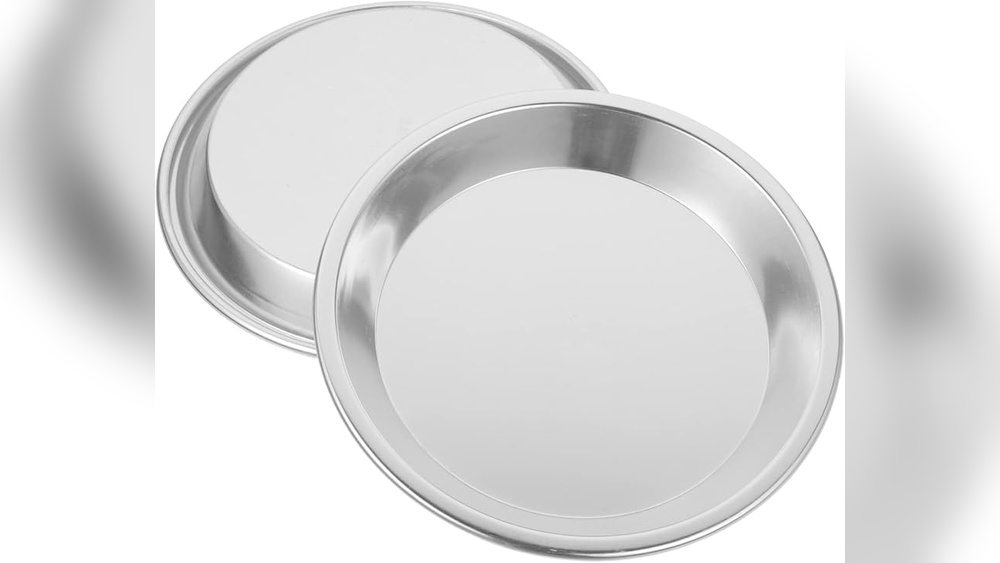
Natural aluminum pans heat evenly for a crispy crust. They are lightweight and easy to handle. Many professional kitchens use them for fast, consistent cooking.
Aluminum is soft and can scratch or dent easily. Scratches may cause some aluminum to leach into food. This can be a concern for people worried about metal exposure. Aluminum pans often lack a non-stick coating, so food can stick without proper oiling.
Aluminized Steel Advantages
Aluminized steel combines aluminum’s heat conduction with steel’s strength. These pans resist warping and last longer than pure aluminum. They offer better durability for everyday use.
The steel layer makes the pan heavier but more stable. This material often comes with a non-stick or easy-clean surface. Aluminized steel provides a good balance of performance and health safety.
Materials To Avoid
Choosing the right pizza pan is important for your health. Some materials can release harmful substances when heated. Avoiding unsafe materials helps keep your food clean and healthy. This section highlights materials to avoid for safer pizza baking.
Pfoa And Ptfe Coatings Risks
PFOA and PTFE are chemicals used in many non-stick coatings. They can release toxic fumes if overheated. These fumes may cause flu-like symptoms and long-term health problems.
PFOA is linked to cancer, hormone disruption, and immune issues. PTFE can break down at high heat, releasing harmful gases. Avoid pans with these coatings to reduce health risks.
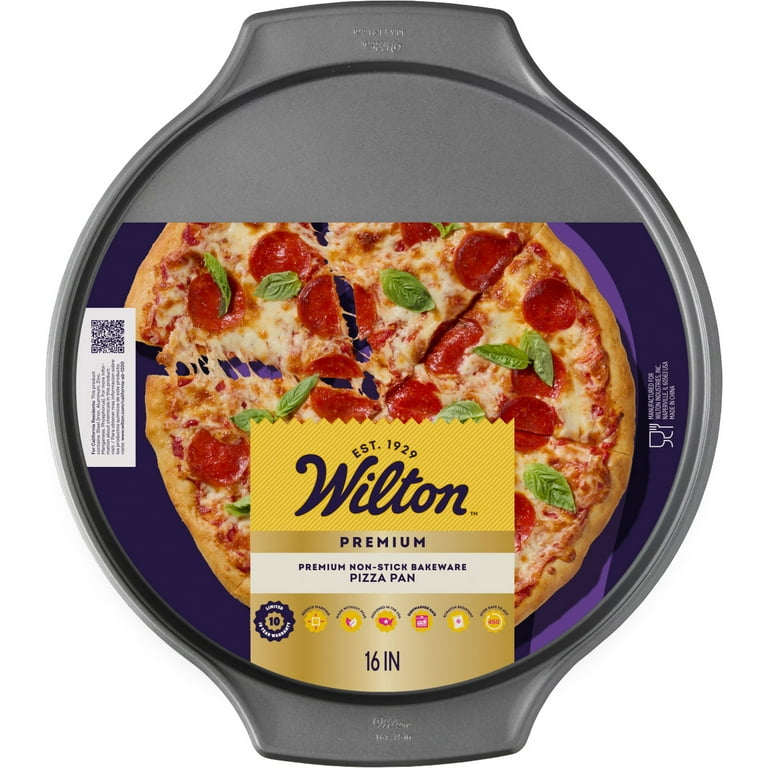
Many older or cheap pizza pans use PFOA/PTFE coatings. Look for labels that clearly state “PFOA-free” or “PTFE-free.” Choosing safer materials protects your family from chemical exposure.
Credit: www.walmart.com
Choosing Pans For A Crispy Crust
Choosing the right pizza pan plays a key role in achieving a crispy crust. The pan material and design directly affect heat distribution and moisture escape. A well-chosen pan helps the dough cook evenly and prevents sogginess. This section explores options that enhance crust texture and maintain food safety.
Benefits Of Perforated Pans
Perforated pans have small holes in the base. These holes allow hot air to circulate under the dough. This circulation helps remove moisture quickly. As a result, the crust becomes crispier and less doughy.
Another benefit is faster cooking time. The holes let heat reach the dough directly from the oven floor. This speeds up baking without burning the crust.
Perforated pans are often made from materials like aluminum or steel. These metals conduct heat well and are durable. Choosing a pan without harmful coatings ensures no toxic chemicals leach into food.
Healthiest Pan Materials Summary
Choosing the right pizza pan material matters for your health and cooking results. Safe pans avoid harmful chemicals and offer good heat control. Several materials stand out for their health benefits and cooking performance.
Understanding the durability and safety of these materials helps you pick a pan that lasts and keeps your food clean. Also, chemical-free cooking surfaces protect you from toxins during baking.
Durability And Safety
Stainless steel pans are strong and resist rust. They do not react with food or release harmful substances. Cast iron pans last for decades but need seasoning to stay non-stick and safe. Carbon steel is durable and heats quickly, but check for PFAS-free coatings to avoid toxins. Ceramic pans are fragile but offer a safe, non-toxic surface without chemicals. Aluminum pans heat evenly but can scratch and wear faster, which might affect safety over time.
Chemical-free Cooking Surfaces
Some pans use non-stick coatings containing chemicals like PFOA or PTFE. These can release harmful fumes when overheated. Choosing pans made from natural materials like stainless steel, cast iron, or ceramic avoids these risks. Carbon steel pans with PFAS-free coatings provide a safer non-stick option. Always check labels to ensure your pan does not contain toxic coatings for a healthier cooking experience.
Credit: www.epicurious.com
Frequently Asked Questions
What Is The Safest Pizza Pan To Use?
The safest pizza pans use solid, uncoated materials like stainless steel, cast iron, or ceramic. Avoid pans with PFOA/PTFE coatings. Carbon steel with PFAS-free coatings also offers a safe, durable option. These materials provide chemical-free cooking and excellent heat retention for crispy crusts.
What Is The Healthiest Material For Pans?
The healthiest pans are made from stainless steel, cast iron, ceramic, or carbon steel with PFAS-free coatings. These materials avoid toxic chemicals and provide safe, durable cooking surfaces.
Is Aluminum Pizza Pan Safe To Use?
Aluminum pizza pans offer excellent heat conductivity for crispy crusts. They are safe if uncoated but can scratch easily. Avoid pans with non-stick chemical coatings for better health. Many professional kitchens use natural aluminum safely.
Do Ceramic Pans Leach Chemicals When Heated?
Ceramic pans with quality, non-toxic coatings do not leach harmful chemicals when heated. Choose reputable brands for safety.
Conclusion
Choosing the right pizza pan material matters for your health and taste. Solid materials like stainless steel, cast iron, and ceramic offer safer cooking surfaces. Avoid pans with harmful coatings such as PFOA or PTFE to reduce chemical exposure. Consider how each material heats and holds heat for the best crust.
Lightweight options like carbon steel with safe coatings also work well. Always balance durability, safety, and cooking needs when selecting your pizza pan. Safe choices help you enjoy delicious pizza without worry.

As the author of the “Ultimate Pizza Guide: Recipes, Tips & Secrets Revealed,” I’m dedicated to sharing my love for pizza and empowering others to create delicious homemade pizzas with ease. Join me on a journey to uncover the secrets to perfecting your pizza game!