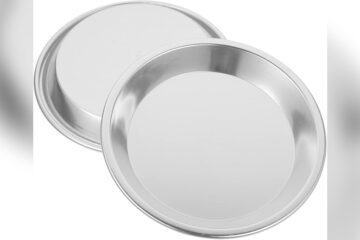
You love making delicious homemade pizza, but what about your pizza pan? Keeping your pizza pan clean and well-maintained is key to baking perfect pizzas every time.
If your pan is sticky, greasy, or covered in burnt bits, it can ruin the flavor and texture of your next pie. You might think cleaning a pizza pan is a hassle, but with the right tips and tricks, it can be quick and easy.
You’ll discover simple, effective ways to clean your pizza pan—whether it’s fresh messes or stubborn burnt-on grime—and learn how to maintain it so it lasts for years. Ready to make your pizza pan shine and bake better pizzas? Let’s dive in!
Daily Cleaning
Daily cleaning of your pizza pan keeps it in great shape and ready for the next use. This simple routine removes leftover food and prevents buildup. It also extends the pan’s life and maintains its cooking quality. Spend a few minutes after each use to clean the pan properly. This helps avoid tough stains and burnt residue later.
Soap And Water Wash
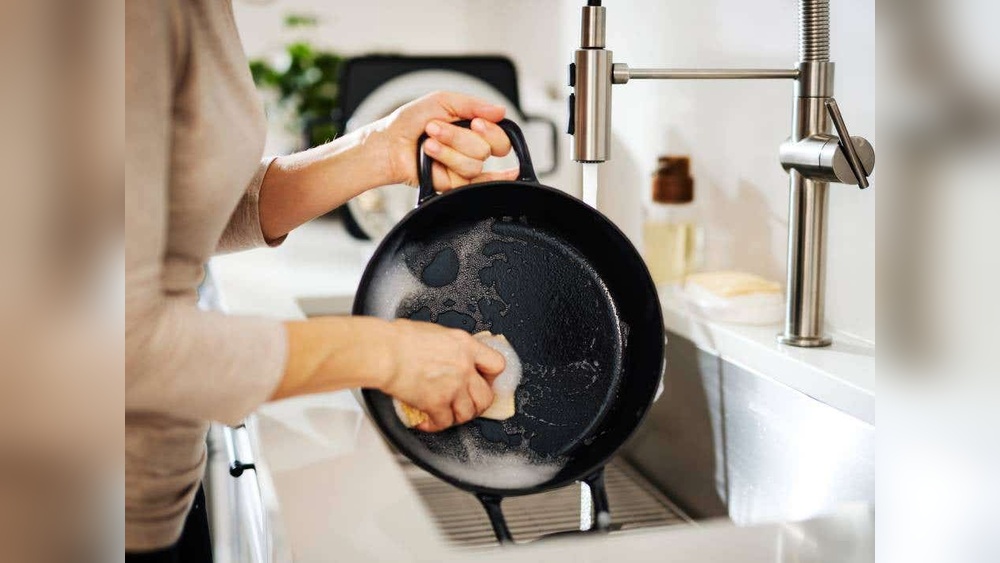
Start by rinsing the pan with warm water to remove loose crumbs. Use a mild dish soap and a soft sponge or nylon scrubber. Gently scrub the surface to clear away grease and food particles. Avoid harsh scrubbers that can damage the pan’s coating. Rinse the pan well under warm water to remove all soap. This step prevents any soap taste from affecting future pizzas.
Proper Drying Techniques
Dry your pizza pan thoroughly after washing. Use a clean towel or cloth to wipe off all moisture. Leaving water on the pan can cause rust or stains. Air drying is okay but may take longer and risk spots forming. For metal pans, heating them briefly on the stove or in the oven helps remove any remaining dampness. Proper drying keeps your pan in top condition for every pizza bake.

Credit: www.walmart.com
Removing Burnt Residue
Removing burnt residue from your pizza pan restores its surface and improves cooking results. Burnt bits can stick tightly and affect taste. Regular cleaning keeps pans ready for the next pizza night. Several simple methods help remove tough burnt-on food safely and effectively.
Baking Soda And Dish Soap Paste
Sprinkle baking soda over the burnt areas. Add a few drops of dish soap. Use a wet sponge to spread and scrub the paste. Let it sit for 10-15 minutes to break down residue. Scrub again gently, then rinse with warm water. Dry the pan completely before storing.
Overnight Baking Soda And Hydrogen Peroxide Soak
Mix baking soda and hydrogen peroxide to form a thick paste. Cover burnt spots on the pan with this mixture. Leave the pan to soak overnight for deep cleaning. In the morning, scrub the loosened residue with a sponge. Rinse well and dry to prevent rust.
Simmering Water Method
Fill the pizza pan with water, enough to cover burnt areas. Heat the pan on the stove and bring water to a gentle simmer. Let it simmer for 10-15 minutes to loosen burnt bits. Carefully pour out the water, scrub remaining residue, then rinse and dry.
Bar Keepers Friend Treatment
Sprinkle Bar Keepers Friend powder on the pan’s surface. Add a little water to make a paste. Scrub the burnt areas with a soft sponge or cloth. This cleaner lifts tough stains without scratching. Rinse thoroughly and dry the pan to keep it in top shape.
Maintaining Pizza Stones
Maintaining pizza stones is crucial for baking perfect pizzas every time. These stones absorb moisture and create a crispy crust. Proper care keeps them working well and lasting long. Cleaning and storing pizza stones the right way prevents cracks and odors.
Scraping And Brushing
Use a plastic scraper to remove stuck-on food. Avoid metal tools that can damage the surface. After scraping, brush the stone with a stiff-bristle brush. This removes loose crumbs and residue without harming the stone.
Avoiding Soap Use
Never clean pizza stones with soap or detergent. Stones absorb soap, affecting the flavor of your pizza. Instead, use hot water and natural scrubbing methods. This keeps the stone clean and safe for baking.
Drying And Storage Tips
After cleaning, let the stone air dry completely. Avoid storing it while still damp to prevent mold. Store the stone in a dry, cool place. Keeping it flat helps avoid cracks and warping over time.

Credit: www.lodgecastiron.com
Caring For Cast Iron Pans
Cast iron pans hold heat well and deliver great cooking results, especially for pizza pans. Proper care keeps these pans rust-free and non-stick for years. Cleaning cast iron pans needs gentle steps to protect their surface and seasoning layer. Follow simple methods to clean and maintain your cast iron pizza pan after each use.
Loosening Residue With Simmering Water
Place the pan on the stove and add water to cover stuck bits. Heat the water until it simmers for several minutes. The hot water softens food residue and makes it easier to remove. Pour out the water carefully and wipe the pan with a cloth or sponge. Avoid using soap as it can strip the seasoning.
Scrubbing With Salt
Pour coarse salt into the pan while it is still warm. Use a cloth or scrubber to rub the salt around the surface. The salt acts as a mild abrasive to remove stuck food without damaging the pan. Rinse with warm water and dry completely with a towel. This method cleans the pan without removing its seasoning.
Seasoning With Oil
After cleaning, apply a thin layer of cooking oil to the pan’s surface. Use a paper towel to spread the oil evenly inside and out. Heat the pan on low for 10 minutes to let the oil soak in. This process restores the protective coating and prevents rust. Regular seasoning improves the pan’s non-stick quality and durability.
Preventing Sticking And Stains
Sticking and stains can ruin the pizza pan and affect cooking quality. Preventing these issues helps extend the pan’s life and keeps pizzas perfect. Simple habits make a big difference in avoiding stuck dough and baked-on stains.
Oiling Pizza Pans
Oiling pizza pans before use creates a smooth barrier. This stops dough from sticking during baking. Use a small amount of olive oil or cooking spray. Spread it evenly across the pan’s surface with a brush or paper towel.
Oiling also helps prevent stains from burnt cheese or sauce. Reapply oil before each pizza for best results. Avoid too much oil to prevent greasy crusts. Proper oiling saves time on cleaning later.
Choosing Non-stick Surfaces
Non-stick pizza pans reduce the chance of sticking. Look for pans coated with quality non-stick materials. These pans require less oil and clean easily.
Non-stick surfaces resist stains from sauce and cheese spills. They keep your pizza looking great and your pan in good shape. Choose pans with durable coatings that can handle high oven heat.

Credit: prudentreviews.com
Handling Black Residue
Black residue often builds up on pizza pans after repeated use. This tough grime comes from burnt cheese, sauce, and oils that stick to the pan’s surface. Removing this residue keeps your pizza pan clean and extends its life. Effective cleaning methods help restore the pan without damaging it. Below are three practical ways to handle black residue safely and efficiently.
Abrasive Pastes
Abrasive pastes work well to remove stuck-on black residue. Mix baking soda with a little water to form a thick paste. Spread the paste evenly over the affected areas. Let it sit for 10 to 15 minutes to soften the grime. Use a soft scrub brush or sponge to scrub the residue gently. Avoid steel wool as it can scratch the pan’s surface. Rinse the pan thoroughly with warm water after scrubbing. Dry the pan completely to prevent rusting.
Boiling Vinegar And Baking Soda
Boiling vinegar and baking soda help loosen stubborn black residue. Pour one cup of white vinegar into the pan and bring it to a boil on the stove. Remove the pan from heat and add two tablespoons of baking soda carefully. The mixture will bubble and fizz, breaking down the burnt layers. Let it sit for 30 minutes. Scrub the pan with a sponge or brush to remove loosened residue. Rinse well and dry the pan before storing.
Specialized Cleaners
Specialized cleaners designed for kitchen use can tackle tough black residue. Products like Bar Keepers Friend or non-toxic oven cleaners work effectively. Follow the instructions on the cleaner’s label for safe use. Apply the cleaner to the pan and allow it to work on the residue. Use a non-abrasive scrubber to avoid damaging the pan’s finish. Rinse the pan thoroughly with water to remove all cleaner traces. Always dry the pan fully to keep it in good condition.
Tools And Cleaners
Proper tools and cleaners make pizza pan maintenance easier and more effective. Choosing the right scrubbers and cleaning products helps remove grease and burnt food. This keeps your pizza pan in good shape for longer use. Using gentle but strong tools avoids damage to the pan’s surface.
Cleaning tools should fit the type of pan you have. Some pans need soft scrubbers to protect coatings. Others can handle tougher brushes for burnt-on food. The right cleaners help break down grease without harsh chemicals. Safe, food-friendly products keep your kitchen healthy and clean.
Best Scrubbers For Pizza Pans
Soft sponges work well for daily cleaning. They remove grease without scratching the surface. Nylon scrubbers offer a bit more power for stuck-on food. Avoid steel wool on non-stick pans; it can ruin the coating. Silicone scrubbers last long and resist bacteria growth. For tough spots, a plastic scraper helps lift burnt bits gently.
Recommended Cleaning Products
Mild dish soap cleans grease quickly and safely. Baking soda is perfect for tough stains and burnt food. Mix it with water to form a paste, then scrub gently. Hydrogen peroxide boosts cleaning power for stubborn grime. Bar Keepers Friend is a popular choice for metal pans. It removes stains without harsh chemicals. Always rinse well to keep your pan ready for the next pizza.
Storage Tips
Proper storage of your pizza pans extends their life and keeps them ready for use. Good storage stops damage and prevents rust or warping. Follow simple steps to keep your pans dry and safe. This helps maintain their non-stick surface and overall quality.
Avoiding Moisture Build-up
Moisture causes rust and can ruin your pizza pans. Always dry pans completely before storing. Use a clean towel to wipe off water. Store pans in a dry place with good air flow. Avoid sealing pans in plastic bags or containers that trap moisture. Consider placing a small packet of silica gel nearby to absorb any dampness.
Safe Stacking Practices
Stacking pizza pans improperly leads to scratches and dents. Place a soft cloth or paper towel between each pan. This prevents metal surfaces from rubbing together. Avoid stacking too many pans high to stop bending. Store heavier pans at the bottom and lighter ones on top. Arrange pans so you can easily take one without shifting the stack.
Frequently Asked Questions
How Do You Clean A Pizza Pan?
Clean a pizza pan by scrubbing with warm, soapy water after use. For burnt-on residue, apply a baking soda paste, let it sit, then scrub. Rinse thoroughly and dry. Use Bar Keepers Friend for tough stains. Avoid soap on pizza stones and season cast iron pans with oil.
How To Remove Baked On Grease From Pizza Pan?
Sprinkle baking soda on the pan, add dish soap, scrub with a sponge, rinse well, and dry. For tough grease, use Bar Keepers Friend, scrub gently, rinse, and dry thoroughly.
Does A Pizza Pan Need To Be Oiled?
Oiling a pizza pan depends on its material. Non-stick pans usually don’t need oil, while cast iron benefits from a light coating to prevent sticking and rust. Applying a thin layer of oil helps maintain seasoning and ensures easy pizza release during baking.
How Do I Get The Black Stuff Off The Bottom Of My Pan?
Sprinkle baking soda on the pan, add dish soap, scrub with a sponge, and rinse well. For tough stains, soak with baking soda and hydrogen peroxide overnight, then scrub. Alternatively, simmer water in the pan to loosen residue before cleaning.
Dry thoroughly after washing.
Conclusion
Regular cleaning keeps your pizza pan ready for every bake. Use gentle scrubbing for daily grease and food residue. For tough burns, try baking soda or simmering water to loosen grime. Dry your pan well to avoid rust or damage.
Proper care extends your pan’s life and keeps pizzas tasting great. Small efforts after each use make future cleaning easier. Treat your pizza pan right, and it will reward you with perfect crusts every time.

As the author of the “Ultimate Pizza Guide: Recipes, Tips & Secrets Revealed,” I’m dedicated to sharing my love for pizza and empowering others to create delicious homemade pizzas with ease. Join me on a journey to uncover the secrets to perfecting your pizza game!