When you think about pizza, you probably picture a delicious slice loaded with cheese, sauce, and your favorite toppings. But have you ever wondered what’s really inside that slice?
Understanding pizza nutrition facts can help you enjoy your favorite food without guilt and make smarter choices that fit your health goals. Whether you want to know how many calories are in a slice, what makes some pizzas healthier than others, or how toppings affect nutrition, this guide has you covered.
Keep reading to discover the surprising truths behind pizza nutrition and learn how to make your next slice both tasty and nourishing.
Credit: www.nestleusa.com
Pizza Basics
Pizza is a popular dish loved worldwide. It has a simple base but many flavor options. Understanding the basics helps to know its nutritional value. The ingredients used affect calories, fat, and other nutrients. Knowing what goes into pizza aids in making healthier choices.
Traditional Ingredients
Traditional pizza starts with dough made from wheat flour, water, yeast, and salt. The dough forms the crust, which is baked until crispy or soft. Tomato sauce spreads over the crust, offering a tangy and sweet flavor. Mozzarella cheese tops the sauce, adding creamy texture and richness. Common toppings include pepperoni, sausage, mushrooms, and olives. These ingredients provide carbohydrates, protein, and fats in varied amounts.
Common Variations
Pizza can vary widely depending on region and preference. Some pizzas use different cheeses like cheddar or parmesan. The crust may be thin, thick, stuffed, or gluten-free. Sauces can be tomato-based, white, or pesto. Vegetable toppings like bell peppers, onions, and spinach add vitamins and fiber. Meat toppings vary from chicken to ham or bacon. Each variation changes the nutrition profile of the pizza slice.
Calorie Breakdown
Understanding the calorie breakdown of pizza helps you make better food choices. Each part of the pizza adds to the total calories. The crust, sauce, and toppings all play a role. Knowing how these elements contribute gives insight into the nutrition of your slice.
Crust Impact
The crust is the base and often the biggest calorie source. Thick crusts have more dough and calories than thin crusts. Whole wheat or multigrain crusts add fiber but may still have many calories. Some crusts include extra oil or sugar, raising calories further. Choosing a lighter crust cuts down calorie intake.
Sauce And Toppings Influence
Sauces vary in calories depending on ingredients. Tomato-based sauces are usually low in calories. Creamy sauces like Alfredo or pesto contain more fat and calories. Toppings add calories based on type and quantity. Vegetables add few calories but boost nutrition. Meats and extra cheese increase calories significantly. Balancing toppings helps control calorie count.
Macronutrients In Pizza
Pizza contains three main macronutrients: carbohydrates, protein, and fat. These provide energy and support body functions. Understanding each helps you make better food choices.
Each macronutrient comes from different pizza ingredients. Their amounts vary depending on the type of pizza and toppings. Let’s break down the macronutrients in pizza.
Carbohydrates Content
The crust is the primary source of carbohydrates in pizza. It is usually made from wheat flour, which supplies starch and fiber. Carbohydrates give you quick energy. Some pizzas use whole grain crusts, adding more fiber and nutrients.
Tomato sauce also contains some carbohydrates, mainly natural sugars. Veggie toppings add small amounts of carbs too. Overall, carbohydrates make up a large part of a pizza slice.
Protein Sources
Cheese is the main protein source in most pizzas. It contains casein and whey proteins, which support muscle repair and growth. Meat toppings like pepperoni, sausage, or chicken add extra protein. Vegetables contribute small protein amounts.
Protein helps you feel full longer and supports body repair. The amount of protein varies based on the toppings and cheese used.
Fat Types And Levels
Cheese and meat toppings contain most of the fat in pizza. Cheese has saturated fat, which should be eaten in moderation. Some meats add both saturated and unsaturated fats. Olive oil or other oils used in dough or drizzling add healthy fats.
Fats provide energy and help absorb vitamins. The fat content depends on the cheese amount and type of meat. Choosing lean meats and less cheese lowers fat levels.
Micronutrients And Fiber
Pizza offers more than just calories and carbs. It also contains important micronutrients and fiber. These small but vital nutrients support your body’s functions and overall health. Understanding these helps you make smarter food choices when enjoying pizza.
Vitamins And Minerals
Pizza provides several vitamins and minerals. Tomato sauce is rich in vitamin C and vitamin A, which support your immune system and eyesight. Cheese adds calcium, essential for strong bones and teeth. Some toppings like spinach and peppers contribute iron, potassium, and magnesium. These minerals help with muscle function and maintaining healthy blood pressure.
Dietary Fiber
Fiber is a key nutrient found in some types of pizza. Whole grain crusts contain more fiber than regular white crusts. Fiber aids digestion and keeps you feeling full longer. Vegetables on pizza add extra fiber too. This helps maintain healthy bowel movements and supports heart health by lowering cholesterol levels.
Healthier Pizza Options
Choosing healthier pizza options can improve your meal without losing taste. Small changes in crust, toppings, and cheese make a big difference. These choices lower calories and boost nutrition. Enjoy pizza that fits a balanced diet.
Whole Grain Crusts
Whole grain crusts contain more fiber than regular white crusts. Fiber helps with digestion and keeps you full longer. They also have more vitamins and minerals. Choosing whole grain crust reduces blood sugar spikes after eating. It gives pizza a nutty flavor and a firmer texture.
Vegetable Toppings
Vegetables add vitamins, minerals, and antioxidants to pizza. They provide fiber and help reduce overall calorie intake. Common veggie toppings include peppers, onions, mushrooms, and spinach. Vegetables add color, crunch, and fresh taste. Loading pizza with veggies improves nutrition without extra fat.
Reduced Cheese Choices
Cheese adds flavor and protein but can be high in fat and calories. Using less cheese lowers fat and calorie content. Choose part-skim or low-fat cheese for a lighter option. Some pizzas use cheese alternatives made from nuts or soy. Reducing cheese helps keep pizza lighter and healthier.
Credit: www.hy-vee.com
Popular Healthy Pizzas
Choosing healthier pizza options helps enjoy this favorite dish without guilt. Popular healthy pizzas focus on fresh ingredients and lighter bases. These choices keep calories and fat lower, while boosting nutrients. Here are some common healthy pizza styles that many love.
Veggie-loaded Choices
Veggie-loaded pizzas pack in colorful vegetables like peppers, spinach, and tomatoes. They add fiber, vitamins, and minerals without many calories. These pizzas often use less cheese, cutting down on fat. The fresh veggies give a satisfying crunch and flavor. This choice balances taste and nutrition well.
Thin Crust Varieties
Thin crust pizzas have fewer carbs and calories than thick crust ones. They offer a lighter base that lets toppings shine. Many thin crust pizzas use whole grain dough for extra fiber. This helps keep you full longer and supports digestion. Thin crust is a smart way to reduce excess calories.
Gluten-free Alternatives
Gluten-free pizzas use alternative flours like rice or almond flour. These are good for people with gluten sensitivities or celiac disease. Gluten-free crusts can be lower in carbs and calories too. They allow more people to enjoy pizza without stomach issues. Many brands now offer tasty gluten-free options.
Pizza And Dietary Concerns
Pizza remains a favorite food worldwide, but it raises several dietary concerns. Understanding its nutrition helps make better choices. This section highlights key issues like sodium, fats, and processed ingredients. Knowing these can guide healthier pizza options.
Sodium Levels
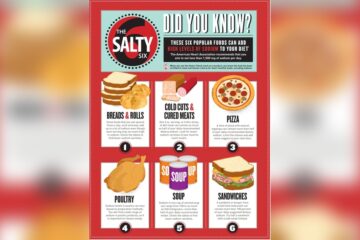
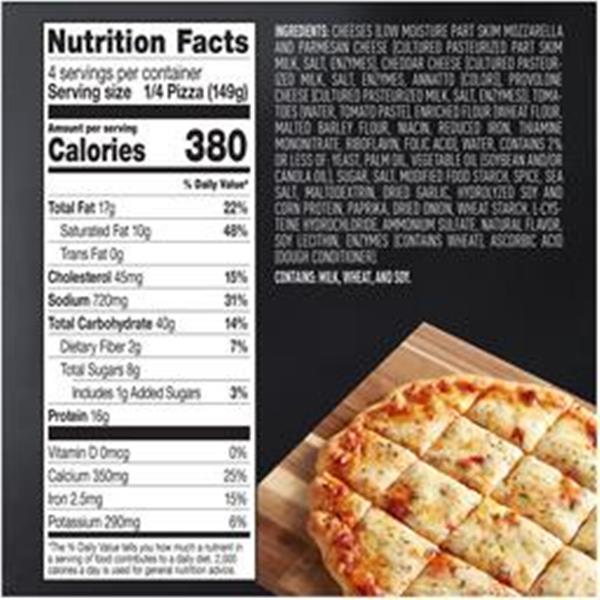
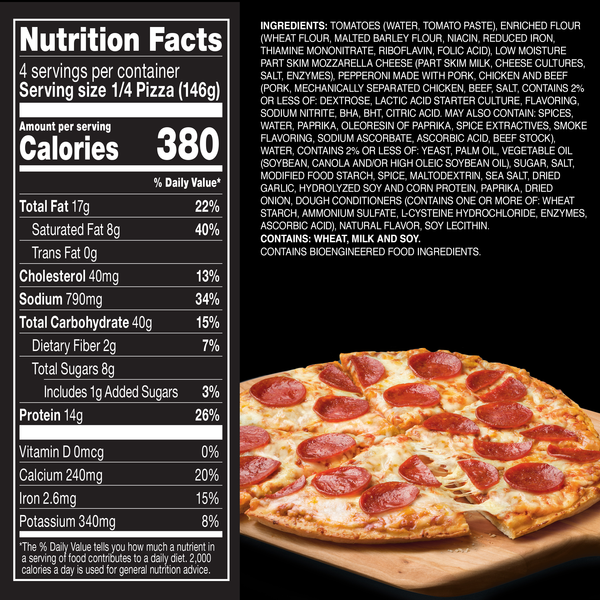
Pizza often contains high sodium amounts. Salt preserves toppings and enhances flavor. Excess sodium can raise blood pressure and increase heart disease risk. Many pizzas have over 700 mg of sodium per slice. Choosing pizzas with less cheese and processed meats helps reduce sodium intake.
Added Fats And Trans Fats
Added fats boost pizza’s taste and texture. Some pizzas use unhealthy trans fats found in margarine or shortening. Trans fats raise bad cholesterol and lower good cholesterol. Look for pizzas made with healthier oils like olive oil. Limiting extra cheese also cuts down on added fats.
Processed Ingredients
Processed meats like pepperoni and sausage are common pizza toppings. These contain preservatives and additives that may harm health. Processed ingredients often have high sodium and saturated fats. Opting for fresh vegetables and lean proteins improves pizza’s nutrition. Homemade pizza lets you control ingredient quality.
Portion Control Tips
Portion control plays a key role in enjoying pizza without overindulging. Managing how much you eat helps keep calories and nutrients balanced. It also supports maintaining a healthy diet while still enjoying your favorite meal.
Serving Size Awareness
Know the standard serving size of pizza. One slice often counts as one serving. Check nutrition labels or restaurant menus for exact details. Eating more than one slice quickly raises calorie and fat intake. Try using smaller plates to help control portions visually. Pause between bites to assess fullness and avoid eating too fast.
Balancing With Other Foods
Pair pizza with healthy sides like salads or steamed vegetables. These add fiber and nutrients without many calories. Avoid heavy sides like fries or creamy dips that add extra fat. Drink water instead of sugary drinks to reduce calorie intake. This balance helps make your meal more satisfying and nutritious.
Credit: www.hy-vee.com
Frequently Asked Questions
What Are The Nutritional Facts About Pizza?
Pizza contains calories, carbohydrates, fats, and protein. Nutritional values vary by crust, toppings, and cheese amount. Whole grain crusts and vegetable toppings boost nutrition. High-fat sauces and processed meats increase calories and sodium. Moderation and healthier ingredient choices make pizza a balanced meal option.
Are Pizzas Healthy Or Unhealthy?
Pizza can be healthy or unhealthy based on ingredients and portion size. Choose whole grain crust, veggies, and less cheese for better nutrition. Avoid excessive processed meats and high-fat sauces to reduce calories and fat. Eating pizza in moderation supports a balanced diet.
What Pizza Is The Healthiest?
The healthiest pizza features a whole grain thin crust, lots of vegetables, minimal cheese, and lean protein toppings. Choose tomato-based sauce.
What Makes A Pizza So High In Calories?
Pizza’s high calories come from cheese, fatty meats, creamy sauces, and thick dough rich in carbs and fats.
Conclusion
Understanding pizza nutrition helps you make smarter food choices. Pizza can fit into a balanced diet when eaten in moderation. Choosing whole grain crusts and adding vegetables boosts nutrition. Limiting cheese and creamy sauces reduces calories and fat. Reading nutrition labels guides you to healthier options.
Enjoy pizza as part of a varied and mindful diet. Small changes make a big difference in your health. Keep it simple, tasty, and nutritious for best results.

As the author of the “Ultimate Pizza Guide: Recipes, Tips & Secrets Revealed,” I’m dedicated to sharing my love for pizza and empowering others to create delicious homemade pizzas with ease. Join me on a journey to uncover the secrets to perfecting your pizza game!