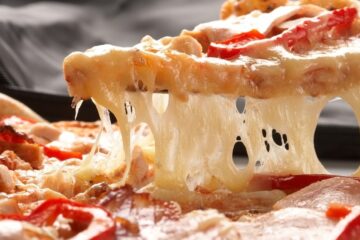
Have you ever found yourself craving a hot, cheesy slice of pizza late at night? It’s a tempting treat that feels like the perfect way to satisfy hunger after a long day.
But have you ever wondered what actually happens to your body when you eat pizza just before bed? The truth might surprise you. Eating pizza late at night can do more than just fill your stomach—it can affect your digestion, disrupt your sleep, and even impact your weight over time.
If you want to enjoy your favorite midnight snack without the unwanted side effects, keep reading. We’ll explore why late-night pizza can be tricky for your body and share simple tips to make your late-night eating habits healthier and more enjoyable. Your body—and your taste buds—will thank you!
Pizza And Acid Reflux
Pizza is a popular late-night snack for many. Its rich taste makes it hard to resist. Yet, pizza can cause acid reflux, especially if eaten close to bedtime. Acid reflux happens when stomach acid flows back into the esophagus. This causes a burning feeling in the chest or throat. Certain pizza ingredients can worsen this problem. Understanding these effects helps manage discomfort and enjoy pizza wisely.
Tomato Sauce Effects
Tomato sauce is acidic. It can irritate the esophagus lining. Acidic foods often trigger reflux symptoms. The high acid level in tomatoes relaxes the lower esophageal sphincter. This muscle normally stops stomach acid from rising. When relaxed, acid escapes more easily. This causes heartburn and discomfort after eating pizza.
Cheese And Fat Impact
Cheese contains a lot of fat. Fat slows down digestion. Slow digestion keeps food in the stomach longer. This increases pressure on the stomach valve. The pressure can push acid upwards. Fat also relaxes the esophageal sphincter. This combination raises the chance of acid reflux after pizza. Eating high-fat cheese late at night can cause more heartburn.
Lying Down After Eating
Lying down soon after eating pizza worsens reflux. Gravity helps keep stomach acid down. When you lie flat, acid moves up more easily. This causes burning and discomfort. Waiting at least two hours before lying down can reduce reflux. Sitting upright helps digestion and lowers acid problems. Avoid sleeping right after eating pizza late at night.
Digestive Challenges
Eating pizza late at night can cause several digestive challenges. The combination of fats, proteins, and acidic ingredients makes the stomach work harder. This often leads to discomfort and digestive issues. Understanding these effects helps you make better food choices before bed.
Heavy Fats And Proteins
Pizza contains large amounts of fats and proteins from cheese and meats. These nutrients take longer to break down in the stomach. The digestive system slows down at night, making it harder to process heavy meals. This delay can cause the stomach to feel full and sluggish.
Delayed Digestion
Late-night pizza slows the digestive process significantly. The body focuses less on digestion while preparing for sleep. Food stays in the stomach longer, increasing the risk of acid reflux. This delay can also reduce nutrient absorption and cause discomfort.
Stomach Discomfort
Eating rich pizza close to bedtime often leads to stomach pain and bloating. Acidic tomato sauce can irritate the stomach lining. Combined with slow digestion, this may cause heartburn and indigestion. These symptoms can interfere with restful sleep and overall comfort.
Sleep Quality Issues
Eating pizza late at night often leads to poor sleep quality. This happens because pizza contains ingredients that affect digestion and blood sugar. These effects can disturb your natural sleep cycle and leave you feeling tired the next day. Understanding how pizza impacts your sleep can help you make better choices at night.
Refined Carbs And Blood Sugar
Pizza has a lot of refined carbohydrates, mostly from the crust. These carbs cause a quick rise in blood sugar levels. After this spike, blood sugar drops rapidly, which can wake you up during the night. This rollercoaster effect makes it hard to stay asleep and feel rested.
Indigestion Impact
The cheese, fatty toppings, and acidic tomato sauce in pizza often cause indigestion. Eating late means your stomach works harder while you lie down. This can lead to heartburn and discomfort. Indigestion makes falling asleep difficult and causes restless nights.
Disrupted Sleep Patterns
Late-night pizza disrupts your body’s natural sleep rhythm. The combination of high fat and carbs delays digestion. Your body stays active trying to process the meal instead of relaxing for sleep. This disturbance can reduce deep sleep phases, leaving you tired and less focused the next day.

Credit: kofikrom.com
Late-night Weight Gain
Eating pizza late at night can lead to weight gain. The timing of your meal affects how your body processes food. Late-night eating often involves high-calorie, heavy meals that your body struggles to manage. This can cause more fat to be stored and less energy to be burned. Understanding these effects helps you make better food choices at night.
Calorie-dense Meals
Pizza is rich in calories from cheese, dough, and toppings. Late-night slices add many calories without much activity to burn them off. Eating calorie-dense foods before bed increases the chance of storing extra fat. Your metabolism slows down at night, making it harder to use those calories as energy.
Lower Insulin Sensitivity
At night, your body’s insulin sensitivity drops. Insulin helps control blood sugar by moving glucose into cells. When sensitivity is low, glucose stays longer in your blood. This can cause higher blood sugar levels and more fat storage. Eating pizza late disrupts normal insulin function and increases weight gain risk.
Fat Storage Risks
Late-night eating encourages the body to store fat rather than burn it. Excess calories from pizza convert to fat during sleep. Fat storage mainly happens around the belly and organs, raising health risks. Regular late-night meals increase the chance of gaining unwanted fat over time.
Improving Late-night Pizza Choices
Choosing better pizza options late at night can reduce discomfort and improve digestion. Small changes help you enjoy pizza without upset stomach or poor sleep. Focus on lighter ingredients and mindful eating habits. These tips make late-night pizza a more pleasant experience.
Opting For Thin Crust
Thin crust pizza has fewer calories and less fat than thick crust. It digests faster and causes less heaviness in the stomach. Thin crust helps avoid that bloated feeling after eating late. It also lowers the chance of acid reflux and heartburn.
Choosing Veggie Toppings
Vegetables add fiber, vitamins, and minerals to your pizza. They are lighter and easier to digest than meats. Veggie toppings reduce fat and calorie content. Common choices include peppers, mushrooms, onions, and spinach. These toppings support digestion and lessen stomach discomfort.
Replacing Marinara With Olive Oil
Marinara sauce can be acidic and trigger reflux at night. Using olive oil instead offers healthy fats and a milder taste. Olive oil soothes the stomach and is less likely to cause heartburn. This swap keeps pizza flavorful but gentler on digestion.
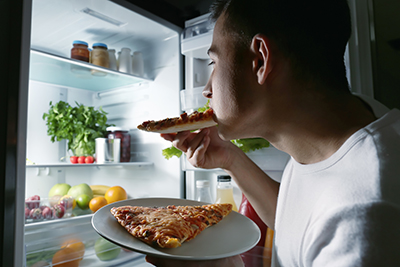
Controlling Portion Size
Eating smaller portions controls calorie intake and eases digestion. One or two small slices prevent overeating and reduce stomach strain. Avoid eating pizza right before lying down. Smaller portions help you feel satisfied without feeling heavy or uncomfortable.
Credit: medschool.vanderbilt.edu
Cheese And Sleep Effects
Cheese is a key ingredient in most pizzas. Its effects on sleep deserve attention, especially after late-night eating. Cheese contains elements that can both disturb and support your rest. Understanding these effects helps you make better choices when craving pizza at night.
High Fat And Protein Content
Cheese has high fat and protein levels. These nutrients take longer to digest. Eating cheese late may cause stomach discomfort. The body works harder, which can delay sleep. Heavy digestion often leads to restless nights and poor sleep quality.
Tyramine In Aged Cheese
Aged cheese contains tyramine, a natural compound. Tyramine can stimulate the brain and increase alertness. This effect may make falling asleep harder. Cheeses like cheddar, blue cheese, and Parmesan have more tyramine. Avoid these types late at night for better sleep.
Better Cheese Alternatives
Choose cheeses with lower fat and tyramine levels. Mozzarella, ricotta, and cottage cheese are good options. These cheeses digest easier and cause less sleep disruption. Using them on your pizza can reduce late-night sleep problems. They help you enjoy pizza without harming rest.
Balancing Daytime Meals
Balancing daytime meals plays a key role in managing late-night pizza cravings. Eating well during the day helps control hunger at night. It also reduces the urge to overeat heavy foods like pizza. Planning lighter meals can support better digestion and sleep. This balance keeps energy steady and prevents discomfort after dinner.
Eating Lighter During The Day
Choose meals that are easy to digest and low in fat. Vegetables, fruits, and lean proteins work well. Avoid large, heavy lunches that leave you feeling sluggish. Smaller, balanced meals help keep hunger in check. Drink plenty of water to stay hydrated. This approach lowers the risk of overeating pizza late at night.
Adjusting For Nighttime Cravings
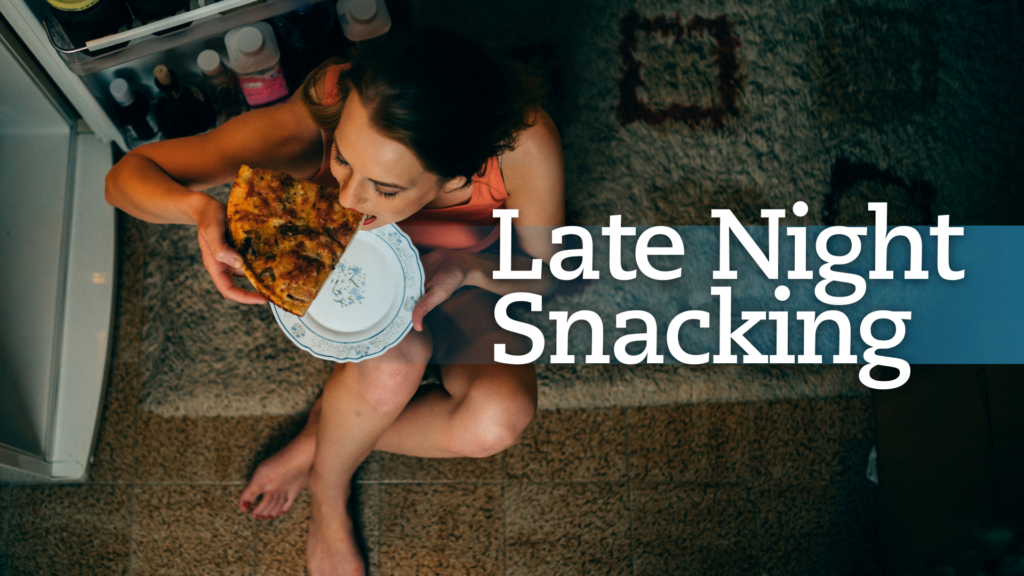
When pizza is your late-night choice, eat smaller portions. Pair your slice with a fresh salad or steamed veggies. This adds fiber and nutrients, easing digestion. Try to eat pizza at least two hours before bed. This allows your body time to digest the meal. Adjusting meal sizes and timing can reduce acid reflux and improve sleep.
Credit: richmondfunctionalmedicine.com
Frequently Asked Questions
Is It Bad To Eat Pizza Late At Night?
Eating pizza late at night can cause indigestion, acid reflux, and disrupt sleep due to its high fat and refined carbs. It may also contribute to weight gain if consumed in large amounts close to bedtime. Choose lighter options and eat smaller portions to reduce these effects.
Why Shouldn’t You Eat After 10pm?
Eating after 10pm can disrupt digestion and sleep, increase acid reflux risk, and promote weight gain due to slower metabolism.
Is It Bad To Eat Cheese Late At Night?
Eating cheese late at night can cause indigestion, acid reflux, and disrupt sleep due to its fat and tyramine content. Choose lighter cheeses like cottage or ricotta to reduce discomfort. Avoid heavy, aged cheeses, especially if lactose intolerant, for better nighttime digestion and rest.
What Happens If I Eat Pizza Every Night?
Eating pizza every night can cause weight gain, indigestion, acid reflux, and poor sleep due to high fat and refined carbs.
Conclusion
Eating pizza late at night can cause digestive trouble and poor sleep. The high fat and acid content may lead to heartburn and discomfort. Large meals before bed might also contribute to weight gain. Choosing lighter toppings and smaller portions can help reduce these effects.
Giving your body time to digest before lying down supports better rest. Remember, timing and amount matter more than the food itself. Balance and moderation keep late-night pizza from harming your health.

As the author of the “Ultimate Pizza Guide: Recipes, Tips & Secrets Revealed,” I’m dedicated to sharing my love for pizza and empowering others to create delicious homemade pizzas with ease. Join me on a journey to uncover the secrets to perfecting your pizza game!