Are you wondering if pizza can be part of your child’s healthy diet? You’re not alone.
Pizza is a favorite meal for many kids, but it often gets a bad reputation for being unhealthy. The truth is, pizza doesn’t have to be off-limits. With the right choices, you can turn pizza into a nutritious meal that your kids will love.
In this guide, you’ll discover simple tips to make pizza healthier—whether you’re ordering out or making it at home. Keep reading to learn how to enjoy pizza without worrying about extra calories, sodium, or fat, and give your kids a meal that’s both tasty and good for them.

Credit: www.amazon.com
Health Impact Of Pizza On Kids
Pizza is a popular food among kids. It tastes good and feels like a treat. But pizza can affect kids’ health in different ways. Knowing its impact helps parents make better choices. This guide looks at calories, sodium, and fat in pizza. It also explores risks from eating pizza often. Finally, it compares fast food and homemade pizza.
Calories, Sodium, And Fat Content
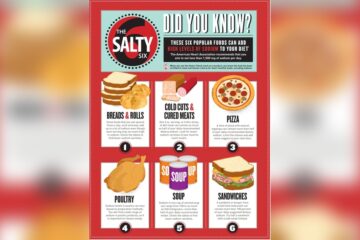
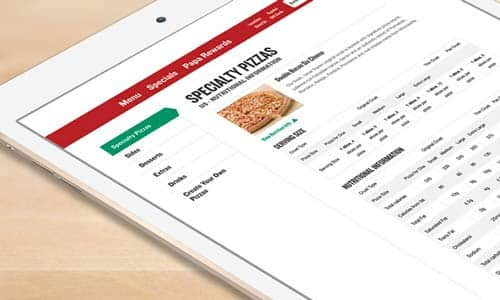
Pizza contains many calories, often more than kids need in one meal. High calories can lead to weight gain if not balanced with activity. Sodium is also high in pizza, which can cause high blood pressure later. Fat content, especially from cheese and processed meats, adds extra calories. Eating too much fat can increase the risk of heart problems.
Risks Linked To Regular Consumption
Eating pizza daily raises health risks for kids. Weight gain and obesity become common with frequent pizza meals. High sodium intake can affect heart and kidney health over time. Excess fat, especially saturated fat, can increase cholesterol levels. These factors may lead to long-term health issues if not controlled.
Fast Food Vs Homemade Pizza
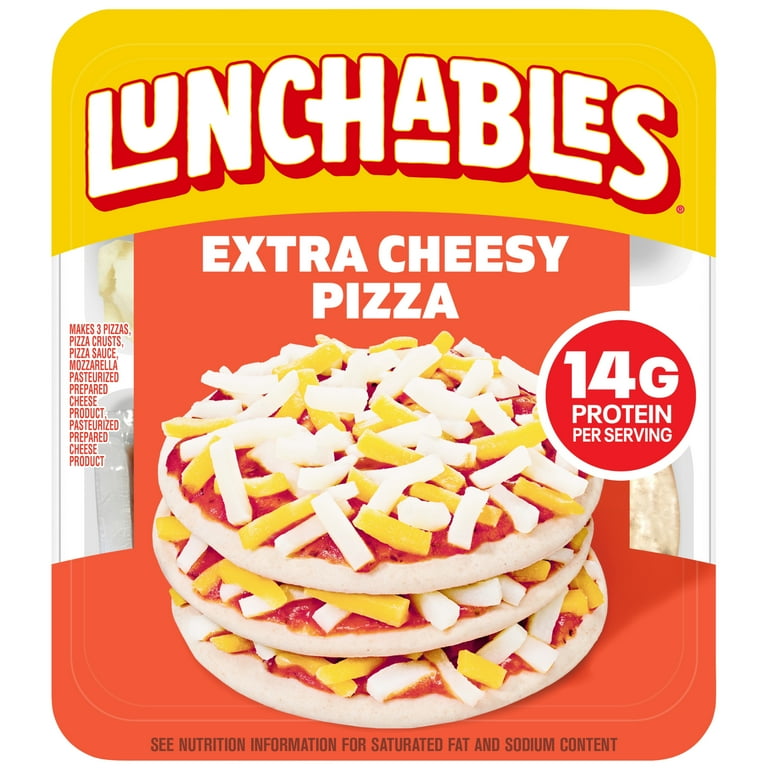
Fast food pizza often has more calories, sodium, and fat. It usually contains processed meats and extra cheese. Homemade pizza gives control over ingredients and portion size. Using whole-grain crust, fresh vegetables, and less cheese makes pizza healthier. Homemade pizza can be part of a balanced diet with better nutrition.
Making Pizza Healthier
Pizza can be part of a child’s healthy diet. Making pizza healthier helps provide important nutrients. Simple changes improve the nutrition without losing taste. Focus on smarter choices for crust, toppings, cheese, and sauces. These small swaps make pizza a balanced meal kids enjoy.
Choosing The Right Crust
Pick whole-wheat or multigrain crusts for extra fiber. Thin crusts reduce calories and carbs. Avoid thick or stuffed crusts that add unhealthy fats. Homemade crusts let you control ingredients and salt. A better crust supports digestion and keeps kids full longer.
Selecting Nutritious Toppings
Add plenty of colorful vegetables like spinach, peppers, and tomatoes. Vegetables provide vitamins, minerals, and fiber. Choose lean proteins such as grilled chicken or turkey. Skip processed meats like pepperoni or sausage. Fresh toppings boost nutrition and flavor without extra fat.
Using Cheese Wisely
Use less cheese to lower saturated fat and calories. Opt for low-fat or part-skim mozzarella. Spread cheese evenly rather than piling it on. Cheese gives calcium and protein but can add too much fat. A moderate amount keeps pizza tasty and healthier for kids.
Opting For Better Sauces
Choose homemade tomato sauce with no added sugar or salt. Look for low-sodium canned or jarred sauces if buying. Avoid creamy or oily sauces that add unhealthy fats. Tomato sauce offers vitamins A and C plus antioxidants. Using better sauces improves flavor and nutrition.
Benefits Of Homemade Pizza
Making pizza at home offers many health benefits for kids. It allows parents to create a tasty meal that is also nutritious. Homemade pizza lets you avoid unhealthy fats and excess salt found in many store-bought options.
Kids enjoy pizza, but homemade versions give you control over what goes on the plate. This helps build better eating habits and ensures a balanced diet.
Controlling Ingredients
At home, you choose every ingredient. This control helps reduce unhealthy additives and preservatives. You can pick fresh, natural foods and avoid processed meats and sauces high in sodium. Using whole-grain crusts adds fiber, improving digestion and energy levels for kids.
Adding Fresh Vegetables
Adding fresh vegetables boosts vitamins and minerals. Kids get more fiber, vitamin C, and antioxidants from colorful toppings like spinach, tomatoes, or bell peppers. This makes the pizza more filling and supports their immune system and growth.
Balancing Nutrients
Homemade pizza can balance carbs, proteins, and fats well. Lean proteins like grilled chicken or turkey provide muscle-building nutrients. Using moderate cheese and healthy oils keeps fat levels in check. Balanced meals help kids stay full and focused throughout the day.
Credit: www.walmart.com
Portion And Frequency Guidelines
Understanding portion and frequency guidelines helps keep pizza a fun and healthy part of kids’ diets. Pizza can fit into a balanced meal plan when served in the right amounts and at the right times. This section explains how much pizza children should eat and how often, along with tips to balance it with other nutritious foods.
Recommended Serving Sizes
For children, one to two small slices of pizza is usually enough. A small slice is about one-eighth of a 12-inch pizza. Serving sizes vary by age and appetite. Younger kids need smaller portions to avoid overeating. Choosing smaller slices helps control calorie intake and keeps meals balanced.
How Often Kids Should Eat Pizza
Pizza should be an occasional treat, not a daily meal. Eating pizza once or twice a week is a good limit. Frequent pizza meals can increase calorie, fat, and sodium intake. Offering pizza less often encourages children to enjoy a variety of foods. This approach helps maintain a healthy diet and prevents unhealthy habits.
Balancing Pizza With Other Foods
Pair pizza with fresh vegetables or a salad to add fiber and vitamins. Include fruits or yogurt for a healthy dessert option. Avoid serving pizza with high-sodium or sugary snacks. Adding water or milk instead of soda supports hydration and nutrition. Balancing pizza with other foods creates a more complete and healthy meal.
Tips For Picky Eaters
Picky eaters can make mealtime stressful, especially with pizza. Kids often resist new or healthy ingredients. The goal is to make pizza enjoyable and nutritious without battles. Simple strategies help introduce better choices without pushing too hard. These tips turn pizza into a fun, balanced meal kids will love.
Incorporating Veggies Discreetly
Veggies add vitamins and fiber to pizza. Chop vegetables very small to hide them under cheese. Spinach, bell peppers, and mushrooms blend well with toppings. Pureeing tomatoes or adding finely grated carrots into sauce works too. This way, kids get nutrients without noticing. It keeps pizza tasty and colorful.
Encouraging Balanced Choices
Balance means including protein, veggies, and healthy carbs. Use whole-wheat crust for extra fiber. Choose lean proteins like grilled chicken or turkey. Limit cheese amount to reduce fat. Serve pizza with a side of fruit or salad. Encourage kids to try one vegetable slice. Small steps build better eating habits over time.
Creative Presentation Ideas
Presentation can excite picky eaters. Make mini pizzas with fun shapes using cookie cutters. Use colorful veggies to create faces or patterns on top. Let kids add their own toppings to feel involved. Serve pizza on bright plates or with dipping sauces. These tricks make pizza a playful experience, increasing kids’ interest in trying new foods.
Healthy Pizza Recipes For Kids
Making pizza at home helps control what your child eats. Healthy pizza recipes can be both tasty and nutritious. You can choose better ingredients to boost vitamins and minerals.
These recipes focus on whole grains, fresh vegetables, and lighter cheese. Kids enjoy the fun of pizza while getting good nutrition. Here are some key tips for healthy pizza making.
Whole Wheat Crust Options
Whole wheat crust is better than white flour crust. It has more fiber and helps digestion. You can buy whole wheat pizza dough or make it yourself. Thin crust options reduce calories but still satisfy hunger.
Try using whole wheat pita or flatbreads for quick pizzas. These alternatives add nutrients and keep pizza light. Kids may like the nutty flavor of whole grains mixed with toppings.
Veggie-packed Toppings
Adding vegetables boosts vitamins and fiber in pizza. Good choices include spinach, bell peppers, tomatoes, and mushrooms. These toppings add color and flavor that kids enjoy.
Use small pieces so they blend with other ingredients. You can also mix veggies into the sauce for extra nutrition. Fresh or roasted vegetables work well on pizza.
Low-fat Cheese Alternatives
Choose low-fat or part-skim mozzarella to lower fat content. These cheeses melt well and taste great. You can also try cottage cheese or ricotta for a mild flavor.
Use less cheese to reduce calories but keep the cheesy taste. Spreading cheese thinly helps cover the pizza evenly. These swaps make pizza lighter without losing appeal.
Credit: www.papajohns.com
Frequently Asked Questions
How Healthy Is Pizza For Kids?
Pizza can be healthy for kids if made with whole-grain crust, fresh veggies, lean protein, and less cheese. Limit sodium and fat.
How Many Calories Are In A Kids Pizza?
A typical kids’ cheese pizza contains about 250 to 400 calories per serving. Homemade versions can be lower with healthier toppings.
How Many Slices Of Pizza Should A Kid Eat?
Kids should eat 1 to 2 small pizza slices, depending on age and appetite. Pair with veggies for balance.
Is Pizza Ok For Kids?
Pizza can be okay for kids when served in moderation. Choose whole-grain crust, veggies, and less cheese for a healthier option. Homemade pizza offers better nutrition control and reduces calories, sodium, and fat, supporting balanced growth and preventing obesity risks.
Conclusion
Pizza can fit into a child’s diet with smart choices. Pick whole-grain crusts and add plenty of vegetables. Use less cheese and choose lean proteins for toppings. Making pizza at home helps control salt and fat levels. Serve pizza with a side of fresh salad or fruit.
Enjoy pizza as a treat, not every day. Balanced meals support kids’ growth and health best. Simple swaps make pizza both tasty and nutritious. Keep portions small and focus on healthy ingredients. This way, pizza stays a fun and wholesome meal.
As the author of the “Ultimate Pizza Guide: Recipes, Tips & Secrets Revealed,” I’m dedicated to sharing my love for pizza and empowering others to create delicious homemade pizzas with ease. Join me on a journey to uncover the secrets to perfecting your pizza game!