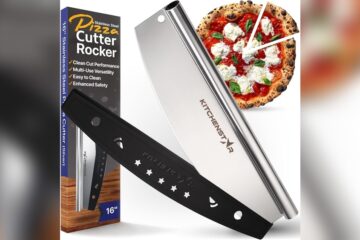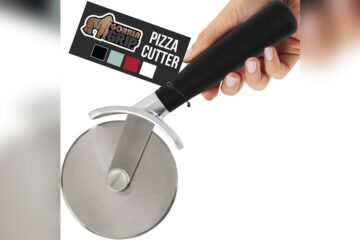
You love a hot, cheesy pizza fresh out of the oven, but what about the mess that comes after? Your pizza cutter is your best friend for slicing up those perfect pieces, but if you don’t clean it properly, leftover cheese and sauce can build up, making it harder to use next time—and even unhygienic.
Are you sure you’re cleaning your pizza cutter the right way? You’ll discover simple, effective pizza cutter cleaning best practices that keep your blade sharp, your kitchen spotless, and your pizza nights stress-free. Stick with us, and you’ll never dread cleaning your pizza cutter again!

Credit: www.amazon.com
Cleaning Tools
Choosing the right cleaning tools is vital for keeping your pizza cutter in top shape. Proper tools help remove stuck-on cheese and sauce easily. They also protect the blade and handle from damage. Simple household items can do the job well. The right technique combined with the right tools makes cleaning quick and efficient.
Soapy Sponge Technique
A soft sponge with soap is perfect for daily cleaning. Fold the sponge around the blade carefully. Press gently and pull the sponge along the blade. This removes food bits without scratching. Repeat until the blade looks clean. Rinse under warm water to remove soap residue. Dry the cutter with a clean cloth to avoid rust.
Using Baking Soda Paste
Baking soda is a gentle cleaner that removes stubborn stains. Mix baking soda with a little water to make a paste. Apply the paste to the blade and let it sit for a few minutes. Use a soft cloth or sponge to scrub the blade gently. Rinse the cutter thoroughly with water. This method brightens the metal and removes odors.
Warm Water And Circular Motion
Warm water softens food stuck on the blade. Hold the cutter under warm running water. Use a cloth or sponge to clean in small circles. Start from the center and move outward. This motion covers the whole blade evenly. It removes grease and food bits without extra force. Finish by drying the cutter completely to prevent rust.
Dishwasher Use
Using a dishwasher to clean your pizza cutter saves time and effort. Many pizza cutters today come with dishwasher safe labels. This means you can place them in the dishwasher without worry. Still, knowing how to prepare your cutter for the dishwasher helps improve cleaning. Proper placement and disassembly make a big difference in cleanliness and tool care.
Convenience Of Dishwasher Safe Models
Dishwasher safe pizza cutters simplify cleanup. They handle baked-on cheese and sauce well. You just load them into the dishwasher after use. This saves scrubbing by hand. Models made from stainless steel and durable plastics resist dishwasher damage. They keep their shape and function longer. Choose a dishwasher safe cutter for quick cleaning.
Disassembly For Better Washing
Many pizza cutters come apart for better cleaning. Removing the wheel from the handle exposes hidden food bits. Disassembled parts get thorough washing in the dishwasher. This prevents bacteria buildup. Check the user manual to see if your cutter disassembles. Take it apart before loading it in. This step improves hygiene and extends cutter life.
Top Rack Placement Tips
Place your pizza cutter on the top rack of the dishwasher. The top rack receives gentler water pressure and heat. This protects the blade edge from dulling. Avoid placing the cutter near heavy pots or pans. These can cause scratches or bending. Lay the cutter flat or secure it to stop movement during washing. Proper placement keeps your cutter sharp and intact.
Handwashing Benefits
Handwashing a pizza cutter is a simple step that greatly extends its life. It keeps the cutter clean and safe to use. Washing by hand helps avoid damage caused by harsh dishwasher cycles. This method also preserves the tool’s quality and performance over time.
Maintaining Blade Sharpness
Handwashing protects the pizza cutter’s sharp blade. Dishwashers use strong heat and chemicals that can dull the edge. Gentle scrubbing with a sponge removes food without harming the metal. Sharp blades cut better and make pizza slicing effortless.
Protecting Handle And Rivets
The handle and rivets stay strong with handwashing. Dishwashers can loosen or rust these parts over time. Warm water and mild soap clean the handle safely. Careful drying prevents water damage and keeps the cutter sturdy.
Immediate Cleaning After Use
Cleaning right after slicing prevents food from hardening. Dried cheese and sauce are harder to remove later. Quick handwashing avoids buildup that can cause rust or bacteria. It also keeps the cutter ready for the next pizza night.

Credit: www.tasteofhome.com
Cleaning Steps
Proper cleaning of your pizza cutter keeps it sharp and safe for use. Follow simple steps to remove food, rinse, dry, and disassemble the cutter. These steps help prevent rust and maintain blade quality. Clean the cutter after every use for best results.
Removing Food Residue
Start by scraping off leftover pizza crust and cheese. Use a soft sponge with warm, soapy water. Rub the blade gently but thoroughly. Avoid abrasive scrubbers that can damage the blade. Clean both sides of the wheel and handle area.
Rinsing And Drying Properly
Rinse the cutter under warm running water to remove soap and debris. Ensure no food particles remain stuck on the blade or handle. Dry the cutter immediately with a clean towel. Leaving it wet can cause rust or dull the blade quickly.
Disassembling The Cutter
Check if your pizza cutter has removable parts. Unscrew or detach the wheel from the handle carefully. Clean each part separately to reach hidden food spots. Dry all parts completely before reassembling to avoid moisture buildup.
Avoiding Common Mistakes
Cleaning a pizza cutter seems simple but many make mistakes that reduce its lifespan. Proper care keeps the blade sharp and food-safe. Avoid common errors to protect your tool and maintain hygiene. Follow these tips to clean effectively without damage.
Not Soaking In Water
Do not soak your pizza cutter in water for long periods. Prolonged soaking can cause rust and loosen blade parts. Water trapped in the handle or between components may cause damage. Instead, wash quickly with warm water and dry immediately.
Avoiding Harsh Detergents
Strong detergents can dull the blade and harm the cutter’s materials. Use mild dish soap to clean your pizza cutter. Harsh chemicals may leave residues that affect taste and safety. Gentle cleaning keeps the blade sharp and safe for food.
Keeping Pizza Stone Soap-free
Pizza stones absorb soap and become hard to clean. Avoid using any soap or detergent on your pizza stone. Clean it with a baking soda paste or just warm water. Soap residue can affect the flavor of your pizza and damage the stone’s surface.

Credit: therestaurantwarehouse.com
Maintenance Tips
Proper maintenance keeps your pizza cutter sharp and safe for use. Regular care extends its life and improves performance. Follow these simple tips to maintain your cutter in top condition.
Sharpening The Blade
Dull blades make cutting pizza harder and unsafe. Use a sharpening stone or a professional sharpener. Sharpen the wheel gently to keep its shape. Regular sharpening ensures clean, smooth slices every time.
Inspecting For Damage
Check your pizza cutter often for cracks or rust. Damaged parts can cause injury or food contamination. Replace or repair any broken components quickly. A well-inspected cutter stays reliable and safe.
Storing Safely
Store your pizza cutter in a dry place to avoid rust. Use a protective cover or sheath for the blade. Keep it away from children and other utensils. Safe storage prevents accidents and preserves the cutter’s sharpness.
Frequently Asked Questions
How Do You Clean A Pizza Cutter?
Clean a pizza cutter by washing the blade with hot, soapy water using a sponge. Rinse thoroughly and dry immediately. For dishwasher-safe models, place on the top rack, but handwashing preserves sharpness longer. Disassemble if possible for better cleaning. Avoid harsh detergents to maintain blade quality.
Can You Use Dawn Dish Soap On A Pizza Stone?
Do not use Dawn dish soap on a pizza stone. The stone absorbs soap, affecting flavor and performance. Clean with baking soda paste, rinse, and wipe dry. Avoid soaking to prevent damage.
What Is The Correct Way To Clean And Sanitize A Slicer?
Clean slicer by disassembling parts, scrubbing with warm soapy water using a brush. Rinse thoroughly. Sanitize with food-safe sanitizer. Air dry or towel dry completely before reassembling. Clean after each use to ensure safety and maintain blade sharpness.
Can I Put A Pizza Cutter In The Dishwasher?
Many pizza cutters are dishwasher safe, but handwashing keeps blades sharper longer. Place cutters on the top rack and disassemble if possible. Avoid harsh detergents and high heat to maintain blade sharpness and handle durability. For best results, wash with hot soapy water and dry immediately.
Conclusion
Cleaning your pizza cutter regularly keeps it sharp and safe to use. Use warm, soapy water and a sponge to remove food bits. Avoid soaking or using harsh detergents that can dull the blade. Handwashing helps protect both the blade and handle longer.
If you use a dishwasher, place the cutter on the top rack and disassemble it when possible. Following these simple steps makes your pizza cutter last longer and stay clean for every slice. Clean tools, better pizza!

As the author of the “Ultimate Pizza Guide: Recipes, Tips & Secrets Revealed,” I’m dedicated to sharing my love for pizza and empowering others to create delicious homemade pizzas with ease. Join me on a journey to uncover the secrets to perfecting your pizza game!