Is your pizza cutter not slicing as smoothly as it used to? A dull or damaged blade can turn your pizza night into a frustrating experience.
But before you toss out your trusty tool, consider this: replacing the pizza cutter blade is a simple fix that can restore its sharpness and make cutting your favorite pie effortless again. You’ll discover how to choose the right replacement blade, easy ways to install it, and tips to keep your cutter in top shape.
Keep reading to make sure every slice you serve is perfect!

Credit: dexter1818.com
Signs Of A Dull Blade
A dull pizza cutter blade makes slicing pizza harder. It can ruin the texture and shape of your slices. Knowing the signs of a dull blade helps you decide when to replace it.
Sharp blades cut smoothly and cleanly. Dull blades cause uneven cuts and require more effort. Watch for these signs to keep your pizza cutter working well.
Common Cutting Issues
Dull blades often tear or drag through pizza toppings. You may notice crushed crust or uneven slices. The blade might slip or jam while cutting. It can leave toppings stuck to the blade. Cutting takes more time and force than usual. These problems show that your blade is losing sharpness.
Visual Inspection Tips
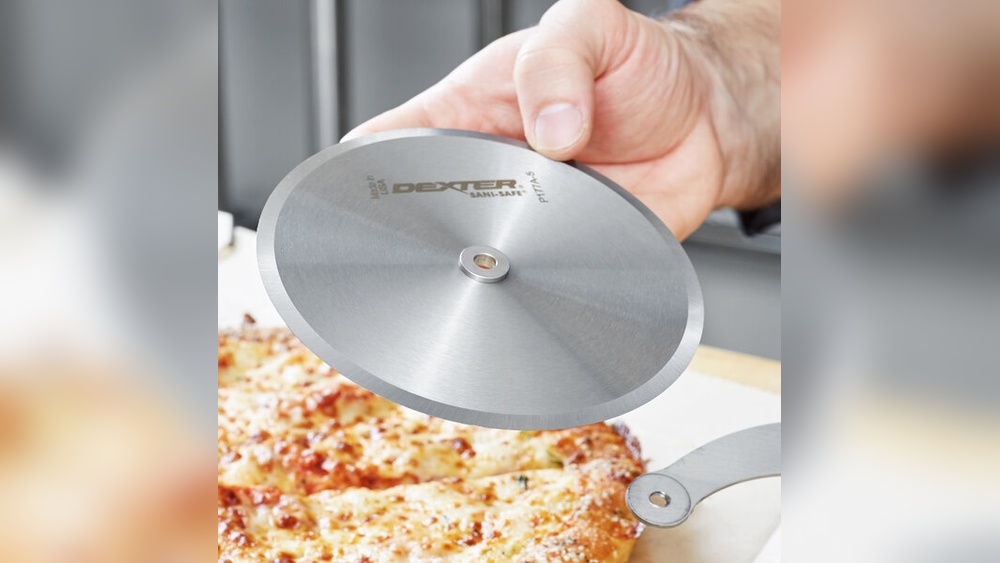
Look closely at the blade edge for dullness. A shiny, smooth edge often means it is dull. Sharp blades have a clean, thin edge. Check for nicks, chips, or rust on the blade. These defects affect cutting performance. Clean blades show wear more clearly. Regular inspection helps catch dullness early.
Choosing The Right Replacement Blade
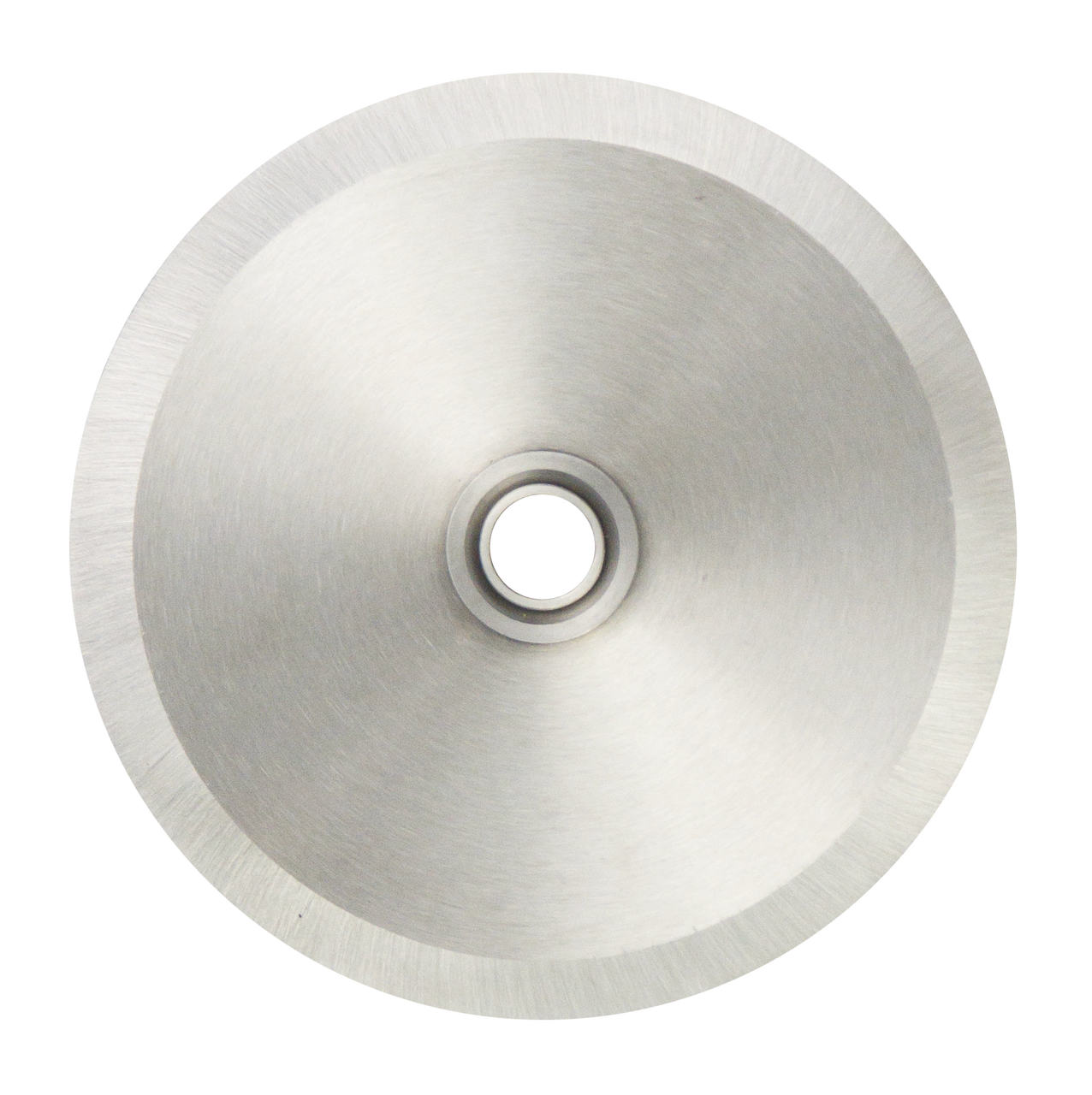
Choosing the right replacement blade for your pizza cutter is key to keeping it sharp and effective. A good blade makes cutting through crusts easy and clean. It also helps maintain safety in your kitchen. Understanding blade materials and types can guide you to the best choice. Ensuring compatibility with your cutter avoids fitting problems and wasted money.
Blade Materials And Types
Pizza cutter blades come in different materials. Stainless steel is common because it resists rust and stays sharp longer. Carbon steel blades are very sharp but need more care to avoid rust. Some blades have non-stick coatings to prevent dough from sticking. You can find solid round blades or segmented ones. Round blades offer smooth cuts, while segmented blades help with tough crusts.
Compatibility With Your Cutter
Not all blades fit every pizza cutter. Check the size of your current blade before buying. Measure the diameter and thickness carefully. Some blades fit only specific brands or models. Look for replacement blades made for your cutter’s make. Also, consider how the blade attaches. Some use screws, others snap in place. Picking the right fit ensures safe, easy installation and better cutting performance.
Where To Buy Replacement Blades
Replacing your pizza cutter blade keeps slicing smooth and safe. Finding the right replacement blade is simple with many options available. You can buy blades online or visit local stores in Austin, Texas. Both choices offer good deals and quality products.
Online Retailers And Deals
Many websites sell pizza cutter replacement blades at low prices. WebstaurantStore.com offers blades starting around $4.54. RestaurantSupply.com has deals from $5.08 to $6.48. KitchenRestock.com also provides blades with discounts near 45%. For branded options, Ooni USA sells quality blades at $30. Best Buy has the Ooni Pizza Cutter Wheel for $12.99, discounted 56%. These online stores often include customer reviews to help you choose. Free shipping may be available on larger orders.
Local Stores In Austin, Texas
Austin has kitchenware shops carrying pizza cutter blades. Specialty cooking stores and restaurant supply shops usually stock replacement blades. Check out local kitchen supply stores in the city center. Some stores may offer personalized advice on blade fitting. Visiting in person lets you see the blade size and quality firsthand. Local stores provide quick pickup without waiting for delivery. Supporting local businesses helps the community and may offer better return policies.
Step-by-step Blade Replacement
Replacing the blade of your pizza cutter keeps it sharp and safe. A dull blade can tear the pizza instead of slicing it cleanly. Follow these simple steps to change the blade quickly and correctly. This guide helps you get your cutter back in action.
Tools You’ll Need
Gather a few basic tools before starting. You will need a screwdriver, usually a Phillips or flathead. Have a clean cloth ready to hold the blade. Gloves can protect your hands from sharp edges. A small container for screws helps keep them safe.
Removing The Old Blade
First, make sure the cutter is clean and dry. Lay it on a flat surface. Use the screwdriver to remove the screws holding the blade. Keep the screws in your container. Carefully lift the blade off the handle. Use the cloth or gloves to avoid cuts.
Installing The New Blade
Place the new blade on the handle in the same position. Align the holes for the screws perfectly. Insert the screws and tighten them slowly with the screwdriver. Check the blade spins freely without wobbling. Wipe the cutter to remove fingerprints and dust.
Sharpening Your Pizza Cutter Blade
Keeping your pizza cutter blade sharp ensures clean, smooth slices every time. A dull blade can tear the dough and ruin your pizza’s presentation. Sharpening your pizza cutter blade is simple and cost-effective. It extends the life of your tool and improves cutting performance. Here are easy methods and tips to keep your blade in top shape.
Using Aluminum Foil
Aluminum foil works as a quick sharpening tool for your pizza cutter blade. Fold a sheet of foil several times to create a thick layer. Roll your cutter blade over the foil, pressing firmly. Repeat this motion about 10 to 15 times. The foil’s mild abrasiveness helps hone the blade edges gently. This method is safe and does not require special tools.
Sharpening Tools And Techniques
For a sharper edge, use a whetstone or a diamond sharpening tool. Wet the whetstone with water before use for better results. Hold the blade at a 20-degree angle against the stone. Move the blade in a circular motion or back and forth. Repeat evenly on both sides until the edge feels sharp. Use fine grit stones for finishing touches. Avoid using electric sharpeners as they can damage the blade.
Maintaining The Blade Bevel
The bevel is the angled edge that makes the blade sharp. Preserving its shape is vital during sharpening. Always match the original bevel angle when sharpening. Use light pressure to avoid removing too much metal. Check the blade edge regularly to maintain a consistent bevel. This care keeps the cutter effective and safe for pizza slicing.

Credit: www.webstaurantstore.com
Safety Tips During Replacement
Replacing a pizza cutter blade needs care and attention. Safety is key to avoid cuts and injuries. Follow these tips to keep yourself safe during the process.
Handling Sharp Blades
Always wear cut-resistant gloves before touching the blade. Hold the blade by its edges, not the sharp part. Work slowly and avoid rushing. Use tools like pliers if needed to remove the old blade. Keep your fingers away from the cutting edge at all times.
Proper Disposal Of Old Blades
Wrap the old blade in thick paper or cloth before throwing it away. This prevents accidents for anyone handling the trash. Place the wrapped blade in a rigid container if possible. Label the container as “sharp” or “blade” for safety. Dispose of blades according to local regulations to protect the environment and people.
Maintaining A Sharp Blade Longer
Keeping your pizza cutter blade sharp improves cutting performance and safety. A sharp blade cuts through pizza easily, preventing squished slices. Proper care extends the blade’s life and saves money on replacements. Focus on cleaning, storage, and sharpening to maintain its edge longer.
Cleaning And Storage Tips
Clean the blade after each use to stop food buildup. Use warm water and mild soap to remove grease and cheese. Dry the blade completely to avoid rust and corrosion. Store the cutter in a dry place, away from moisture. Use a protective cover or sheath to keep the blade safe. Avoid tossing it loosely in a drawer with other utensils.
Regular Sharpening Schedule
Sharpen the blade regularly to keep it cutting smoothly. Use a sharpening stone or a specialized tool designed for pizza cutters. Follow the manufacturer’s instructions for the best results. Check the blade’s sharpness monthly if used often. Sharpen sooner if you notice it dragging or crushing the pizza. Keeping a sharpening schedule prevents dullness and keeps the blade working well.
Credit: dexter1818.com
Frequently Asked Questions
Can I Sharpen My Pizza Cutter?
Yes, you can sharpen a pizza cutter using a whetstone, honing rod, or folded aluminum foil. Maintain the wheel’s bevel while sharpening.
Can You Replace Food Processor Blades?
Yes, you can replace food processor blades easily. Purchase compatible blades from the manufacturer or trusted retailers. Always follow safety instructions when replacing blades.
What Is A Pizza Blade Called?
A pizza blade is called a pizza cutter or pizza wheel. It features a circular, sharp blade designed for slicing pizza easily.
Can You Replace A Paper Cutter Blade?
Yes, you can replace a paper cutter blade. Purchase the correct replacement blade and follow the cutter’s instructions to install it safely.
Conclusion
Replacing your pizza cutter blade keeps slicing easy and safe. Choose a blade that fits your cutter well. Clean and dry the blade after each use. A sharp blade cuts pizza smoothly without tearing toppings. Regular replacement saves time and improves your pizza experience.
Remember, a good blade makes every slice better. Keep your pizza cutter in top shape for best results. Enjoy perfect pizza slices every time with the right blade.

As the author of the “Ultimate Pizza Guide: Recipes, Tips & Secrets Revealed,” I’m dedicated to sharing my love for pizza and empowering others to create delicious homemade pizzas with ease. Join me on a journey to uncover the secrets to perfecting your pizza game!