“Pizza Cutter Blade Angle Effects”
Have you ever noticed how some pizza cutters glide through your slice like butter, while others struggle and leave toppings scattered everywhere? The secret isn’t just in the sharpness—it’s all about the blade angle.
How you hold and sharpen your pizza cutter can change everything about your slicing experience. You’ll discover how different blade angles affect cutting performance, why a small tweak can make your pizza nights smoother, and simple tips to get the perfect slice every time.
Ready to unlock the hidden power of your pizza cutter? Let’s dive in!

Credit: www.woodcraft.com
Blade Angle Basics
Understanding the blade angle is key to cutting pizza efficiently. The angle affects how smoothly the blade slices through the crust and toppings. A well-chosen angle reduces effort and keeps slices neat. This section explains the basics of blade angles for pizza cutters.
What Is Blade Angle?
Blade angle is the sharpness edge formed between the blade sides. It determines how thin or thick the cutting edge is. A smaller angle means a sharper edge, but it may dull faster. A larger angle offers more durability but requires more force to cut.
For pizza cutters, the blade angle affects how easily it rolls through the pizza. The right angle prevents toppings from sliding away. It also helps keep the crust intact without crushing it.
Common Angles For Pizza Cutters
Most pizza cutter blades have angles between 15 and 30 degrees. A 15-degree angle is very sharp and cuts effortlessly. It is best for soft or thin-crust pizzas. A 30-degree angle is stronger and lasts longer. It is good for thick, crispy crusts.
Some cutters use angles near 20 degrees. This offers a balance between sharpness and durability. Selecting the right angle depends on pizza type and personal cutting style. Experimenting with angles can improve your pizza experience.
Impact On Cutting Performance
The angle of a pizza cutter blade plays a key role in how well it cuts through your pizza. Different angles affect the blade’s sharpness and control during use. This impact changes how easily you slice the pizza and how clean the cuts look.
Choosing the right blade angle helps in making smooth, precise cuts. It also reduces the effort needed to slice through thick crusts or loaded toppings. A poor angle can cause the blade to drag or crush the pizza instead of cutting it cleanly.
Sharpness And Ease Of Cutting
A sharper blade angle means less force is needed to cut. Thin angles create a fine edge that slices through dough and toppings easily. This sharpness lets you glide the cutter across the pizza without pressing hard.
Blades with wider angles are stronger but may require more effort to cut. They might not slice as smoothly and can push toppings around. Maintaining a balanced angle between sharpness and durability helps in getting clean cuts with minimal struggle.
Effect On Toppings And Crust
The blade angle affects how toppings stay in place during cutting. A sharper, thinner angle cuts without dragging toppings off the pizza. It keeps cheese and ingredients neat on each slice.
Crust texture also changes the ideal blade angle. Thin, crispy crusts benefit from sharper angles for clean breaks. Thick or stuffed crusts may need a sturdier blade angle to cut through without bending or tearing.
Choosing The Right Angle
Choosing the right angle for your pizza cutter blade affects how easily it cuts through crust and toppings. The blade angle changes the sharpness and durability of the cutter. A good angle lets you slice smoothly without squashing the pizza. It also helps keep the blade sharp longer. Understanding what angle fits your needs makes cutting pizza easier and more enjoyable.
Factors To Consider
Think about the type of pizza you usually eat. Thin crusts need a sharper, more acute angle. Thick crusts need a stronger, wider angle to cut through without bending. Also, consider how often you use the cutter. Frequent use calls for a durable angle that stays sharp. Your hand strength matters too. A sharper angle may need less force but can dull faster.
Comparing Thin Vs Thick Angles
Thin angles are usually between 15 and 20 degrees. They cut cleanly and require less pressure. These angles work best for soft or thin pizzas. Thick angles range from 25 to 30 degrees. They last longer and handle thick or crispy crusts well. Thick angles need more force but resist damage better. Choosing between thin or thick depends on your pizza style and cutting habits.
Sharpening Techniques
Sharpening a pizza cutter blade improves its cutting power and precision. Proper sharpening keeps the blade edge thin and sharp, reducing the effort needed to slice through pizza crust. Different sharpening techniques affect the blade angle, which changes how smoothly the cutter rolls and cuts. Understanding these techniques helps maintain the best blade performance for every pizza night.
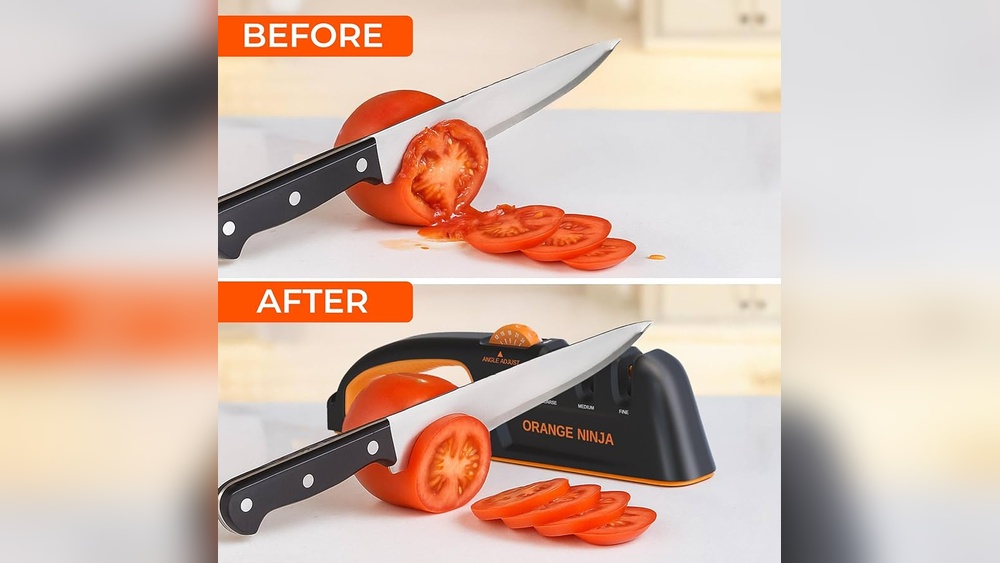
Using Knife Sharpeners
Knife sharpeners work well for pizza cutter blades. They guide the blade to maintain a consistent angle during sharpening. The angle usually ranges between 15 to 20 degrees for a sharp edge. Slide the blade carefully across the sharpener, applying light pressure. Repeat the motion several times to restore the blade’s sharpness evenly.
Diy Methods At Home
Home methods can sharpen pizza cutters with common tools. A fine-grit whetstone or a ceramic mug’s rough bottom works well. Hold the blade at a 15 to 20-degree angle against the surface. Move the blade in small circles or back and forth. Keep the pressure even to avoid damaging the blade edge.
Tools For Optimal Angles
Specialized tools ensure perfect sharpening angles for pizza cutters. Angle guides help hold the blade steady at the right angle. Electric sharpeners offer adjustable settings for precise control. Using these tools prevents over-sharpening and keeps the blade edge strong and long-lasting. Consistent angles improve cutting smoothness and reduce topping drag.
Common Mistakes To Avoid
Using a pizza cutter might seem simple, but many people make mistakes with the blade angle. These errors affect how well the cutter slices through the pizza. Avoiding common mistakes helps you get clean, even slices every time. Below are key mistakes to watch out for.
Over-sharpening Risks
Sharpening your pizza cutter blade too much can cause problems. The blade becomes too thin and weak. This makes it easier to bend or break while cutting. Over-sharpened blades also wear out faster and lose their edge quickly. A blade that is just sharp enough works best. It cuts smoothly without risking damage.
Incorrect Angle Effects
Using the wrong angle while cutting changes the blade’s effectiveness. A blade angled too steeply can drag and tear the pizza toppings. This ruins the look and taste of each slice. If the angle is too flat, the cutter may slip and not cut fully. Finding the right angle helps the blade roll through pizza easily. Aim for a steady, comfortable angle for best results.

Credit: www.leevalley.com
Advanced Blade Designs
Pizza cutter blades have evolved beyond simple round wheels. Designers now focus on how blade shape and angle affect cutting. These improvements help slice pizzas cleaner and faster. They reduce toppings from sliding off and improve user comfort. Advanced blade designs blend sharpness with durability. They also consider how the blade interacts with different crust types. This section explores key design choices that impact pizza cutting.
Convex Vs Flat Edges
Convex edges curve outward, creating a rounded blade profile. This shape rolls smoothly across pizza surfaces. It cuts through crust without much pressure. Convex blades resist dulling faster than flat ones. Flat edges are straight and sharp along the rim. They offer a precise cut but need more force. Flat blades can dig into thick crusts better. Both edge types serve different cutting needs. Choice depends on pizza style and user preference.
Innovations In Pizza Cutter Blades
New blade designs include serrated wheels and segmented edges. Serrated blades grip the crust, reducing slipping. Segmented blades add small gaps to release melted cheese. Some cutters feature angled blades for better leverage. Others use stainless steel for rust resistance and strength. Lightweight materials help reduce hand fatigue. Ergonomic handles complement blade innovations. These improvements make pizza cutting easier and more enjoyable.
Maintaining Your Pizza Cutter
Maintaining your pizza cutter ensures it stays sharp and cuts smoothly. A well-kept cutter reduces effort and improves pizza slicing. Regular care prevents damage and extends its life.
Cleaning Tips
Clean your pizza cutter after each use. Rinse with warm water to remove cheese and sauce. Use a soft sponge to avoid scratching the blade. Dry the cutter completely to stop rust. Avoid putting it in the dishwasher if it has wooden handles.
Regular Angle Checks
Check the blade angle often for the best cutting performance. The ideal angle helps the cutter glide through the pizza. Use a protractor or angle guide to measure the blade. Adjust the angle if it becomes too blunt or steep. Keeping the correct angle saves effort while cutting.
Expert Tips For Perfect Slices
Perfect pizza slices depend on more than just a sharp blade. How you hold and move the pizza cutter also matters. Small changes in the blade angle can make a big difference. The right technique helps cut cleanly without dragging toppings or tearing the crust.
This section shares expert tips to get even slices every time. Follow these simple methods to improve your pizza cutting skills and enjoy neat, tasty pieces.
Cutting Techniques
Start by placing the pizza cutter blade flat on the crust. Apply steady pressure as you roll forward. Avoid pressing too hard to stop squishing the toppings. Use a smooth motion, pushing straight down and forward.
Cut in one continuous motion. Stop and lift the cutter only after finishing the slice. This keeps the toppings in place. For thick crusts, try a gentle rocking motion. It helps the blade move through without tearing.
Angle Adjustments During Use
Hold the blade at about a 45-degree angle to the pizza surface. This angle reduces resistance and cuts more easily. If the blade drags or struggles, adjust the angle slightly. Tilting the blade a bit more forward can improve slicing on thicker pizzas.
Change the angle as you cut through different parts. Thin edges may need a flatter blade, while the center requires a steeper angle. Pay attention to how the cutter feels and adjust for smooth slicing. Small angle changes make a big difference in slice quality.

Credit: www.lowes.com
Frequently Asked Questions
What Angle Do You Sharpen A Pizza Cutter?
Sharpen a pizza cutter at a 20 to 25-degree angle for optimal sharpness. Maintain consistent angle while sharpening.
Is A 15 Or 20-degree Angle Better For Knives?
A 15-degree angle offers a sharper edge for precise cuts but dulls faster. A 20-degree angle provides more durability and is easier to maintain. Choose 15 degrees for fine slicing and 20 degrees for everyday use.
What Is The Best Angle For A Blade?
The best blade angle ranges between 15° to 20° for sharpness and durability. A sharper angle cuts easily but dulls faster.
What Blades Use A 15 Degree Angle?
Blades with a 15-degree angle include many Japanese knives and precision cutting tools. They offer sharper, finer edges for detailed slicing.
Conclusion
Choosing the right blade angle improves your pizza cutting experience. A sharper angle cuts smoothly through crust and toppings. It reduces effort and keeps slices neat. Blades with poor angles may tear or push toppings aside. Regular sharpening at the correct angle keeps the cutter effective.
Experiment with angles to find what works best for you. Remember, a well-angled blade saves time and makes pizza more enjoyable.

As the author of the “Ultimate Pizza Guide: Recipes, Tips & Secrets Revealed,” I’m dedicated to sharing my love for pizza and empowering others to create delicious homemade pizzas with ease. Join me on a journey to uncover the secrets to perfecting your pizza game!