“Pizza Cutter Blade Alignment”
When was the last time you struggled with a pizza cutter that just wouldn’t slice cleanly? If your pizza cutter blade wobbles or drags, it’s not just frustrating—it can ruin your perfect slice every time.
You might think it’s time to buy a new one, but often, the problem lies in simple blade alignment. Getting your pizza cutter blade aligned correctly can transform your cutting experience, making each slice smooth and effortless. You’ll discover why blade alignment matters, how to check if your cutter is off, and easy steps to fix it.
Keep reading, and you’ll never settle for uneven pizza slices again!
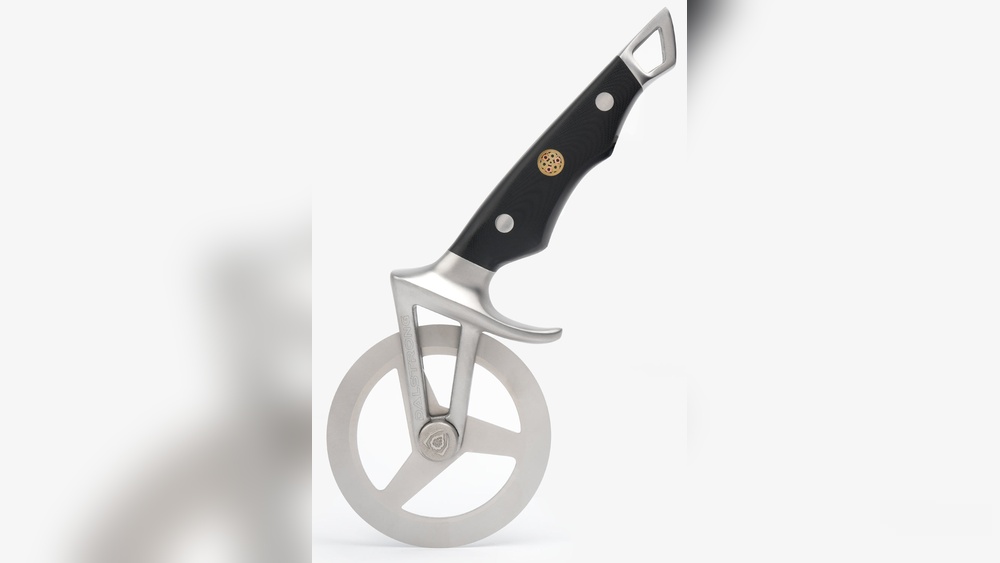
Credit: spice.alibaba.com
Blade Alignment Basics
Blade alignment is a key factor for any pizza cutter. Proper alignment ensures smooth and clean cuts. It makes slicing through pizza effortless and precise. Misalignment can cause uneven cuts or damage the blade and crust. Understanding the basics helps keep your pizza cutter in top shape.
Why Alignment Matters
Blade alignment keeps the cutter stable during use. A well-aligned blade cuts evenly without extra force. It prevents the wheel from wobbling or slipping. This reduces the risk of crushing toppings or tearing the crust. Proper alignment also extends the life of the blade.
Common Misalignment Issues
Loose screws often cause blade misalignment. Over time, the blade may shift from its original position. Dirt and debris can build up and block proper blade movement. A bent or damaged wheel will not align correctly. These issues reduce cutting efficiency and cause frustration.
Signs Of A Misaligned Blade
Wobbling or uneven cutting is a clear sign. The cutter may drag or skip on the pizza surface. You might notice jagged or crushed edges on slices. The blade may make noise or feel loose while rolling. These signs mean it is time to check blade alignment.
Adjusting The Pizza Cutter Blade
Adjusting the pizza cutter blade ensures smooth, precise cuts every time. A well-aligned blade prevents wobbling and uneven slicing. Regular adjustment keeps your cutter working like new and extends its life.
Tools Needed For Alignment
You need a small screwdriver to loosen and tighten screws. A wrench or pliers may help with nuts. A clean cloth is useful to wipe the blade. Make sure your tools fit the screws well.
Step-by-step Alignment Process
First, place the cutter on a flat surface. Loosen the screws holding the blade gently. Check if the blade spins freely without wobbling. Adjust the blade position so it sits straight. Move the blade closer or farther from the handle. Ensure the blade edge is parallel to the cutter body. Spin the blade to test smoothness. Repeat adjustment if the blade still wobbles.
Tightening Screws And Nuts
Hold the blade in the correct position. Tighten the screws slowly to avoid misalignment. Use the wrench or pliers to secure nuts firmly. Avoid over-tightening as it may damage parts. Spin the blade again to check for smooth rotation. If needed, loosen and readjust before final tightening.
Sharpening For Smooth Cuts
Keeping your pizza cutter blade sharp ensures smooth, clean cuts every time. A dull blade tears the dough and toppings, ruining your pizza’s look and taste. Regular sharpening keeps the blade precise and easy to use. It also extends the life of your cutter. Follow these simple tips to sharpen your pizza cutter blade effectively.
Best Angles For Sharpening
The ideal sharpening angle for a pizza cutter blade is between 20 and 25 degrees. This angle balances sharpness and durability. Sharpening at a steeper angle makes the blade sharper but weaker. A shallower angle keeps the edge strong but less sharp. Maintaining this angle ensures smooth slicing without damaging the blade.
Sharpening Tools And Techniques
Use a small whetstone or a diamond sharpening rod for best results. Start by cleaning the blade to remove any food residue. Hold the blade steady and run it along the sharpening tool at the chosen angle. Repeat on both sides of the blade evenly. Avoid using coarse tools that may chip the blade. Light, consistent strokes work best for a sharp edge.
Maintaining Sharpness Over Time
Clean the blade after each use to prevent buildup. Store the cutter in a dry place to avoid rust. Use aluminum foil or a honing rod to touch up the blade between sharpenings. Regular maintenance reduces the need for frequent sharpening. Check the blade edge often to keep cuts smooth and effortless.

Credit: www.sussexautos.com
Preventing Blade Wobble
Blade wobble in a pizza cutter affects cutting quality and user comfort. Preventing this wobble keeps your cuts clean and your hands safe. Understanding the causes and fixes helps maintain your pizza cutter in top shape.
Causes Of Wobbling
Wobbling often starts from loose screws or worn-out parts. Dirt and food debris between the blade and handle can also cause movement. A bent or damaged blade will wobble during use. Using the cutter on hard surfaces may worsen the issue.
Fixes For Loose Blades
Check the screws holding the blade and tighten them gently. Clean the blade and handle connection to remove crumbs and grease. Apply a small drop of food-safe oil to the blade’s axle for smooth rotation. If the blade is bent, try to straighten it carefully with pliers.
When To Replace The Cutter
Replace the cutter if the blade is cracked or deeply worn. Persistent wobble after tightening means the tool is no longer reliable. When the handle breaks or the blade won’t stay secure, it is time for a new cutter. Using a damaged cutter can cause accidents and uneven cuts.
Cutting Techniques For Perfect Slices
Cutting pizza into perfect slices requires simple but effective techniques. Proper methods prevent messy slices and keep toppings in place. These tips help you get neat, even slices every time.
Proper Grip And Pressure
Hold the pizza cutter firmly with your dominant hand. Use a comfortable grip to control the blade well. Apply steady pressure while cutting. Avoid pressing too hard to stop crushing the crust. Gentle, even pressure helps the blade glide smoothly.
Cutting Angles And Movements
Keep the blade vertical for straight cuts. Roll the cutter forward in a smooth motion. Avoid lifting the blade mid-cut to maintain clean edges. Use short, controlled strokes on thick or loaded pizzas. A steady angle ensures slices stay uniform in shape.
Avoiding Pizza Toppings Displacement
Cut slowly to keep toppings from sliding off. Press the blade just enough to cut the crust and toppings. Use your free hand to hold the pizza steady. Start cutting from the center outward for better control. This method keeps toppings intact on each slice.
Cleaning And Maintenance Tips
Proper cleaning and maintenance keep your pizza cutter blade sharp and aligned. Dirt and residue can cause wobbling and dullness. Regular care extends the life of your tool and ensures smooth cuts every time.
Safe Cleaning Practices
Always wash the pizza cutter soon after use. Use warm, soapy water to remove cheese and sauce. Avoid harsh scrubbers that can scratch the blade. Dry the blade thoroughly to stop rust from forming. Never soak the cutter for long periods. Hand washing is best to protect blade alignment.
Blade Removal And Reassembly
Remove the blade carefully to clean hard-to-reach spots. Use a screwdriver if screws hold the blade in place. Clean each part separately and dry well. Reassemble by tightening screws evenly to keep the blade steady. Check blade rotation before use to confirm proper alignment.
Storage Recommendations
Store the pizza cutter in a dry place to avoid rust. Use a blade cover or sheath for safety and protection. Keep it away from heavy tools that might bend the blade. Hanging the cutter can help maintain blade shape. Proper storage helps keep the cutter ready for perfect slices.
Choosing The Right Pizza Cutter
Choosing the right pizza cutter is key for a clean, even slice every time. A well-aligned blade cuts smoothly through crust and toppings. The cutter’s design and materials affect its performance and durability. Comfort and ease of use matter too, especially for frequent pizza lovers. Below are important factors to consider when selecting a pizza cutter.
Blade Materials And Designs
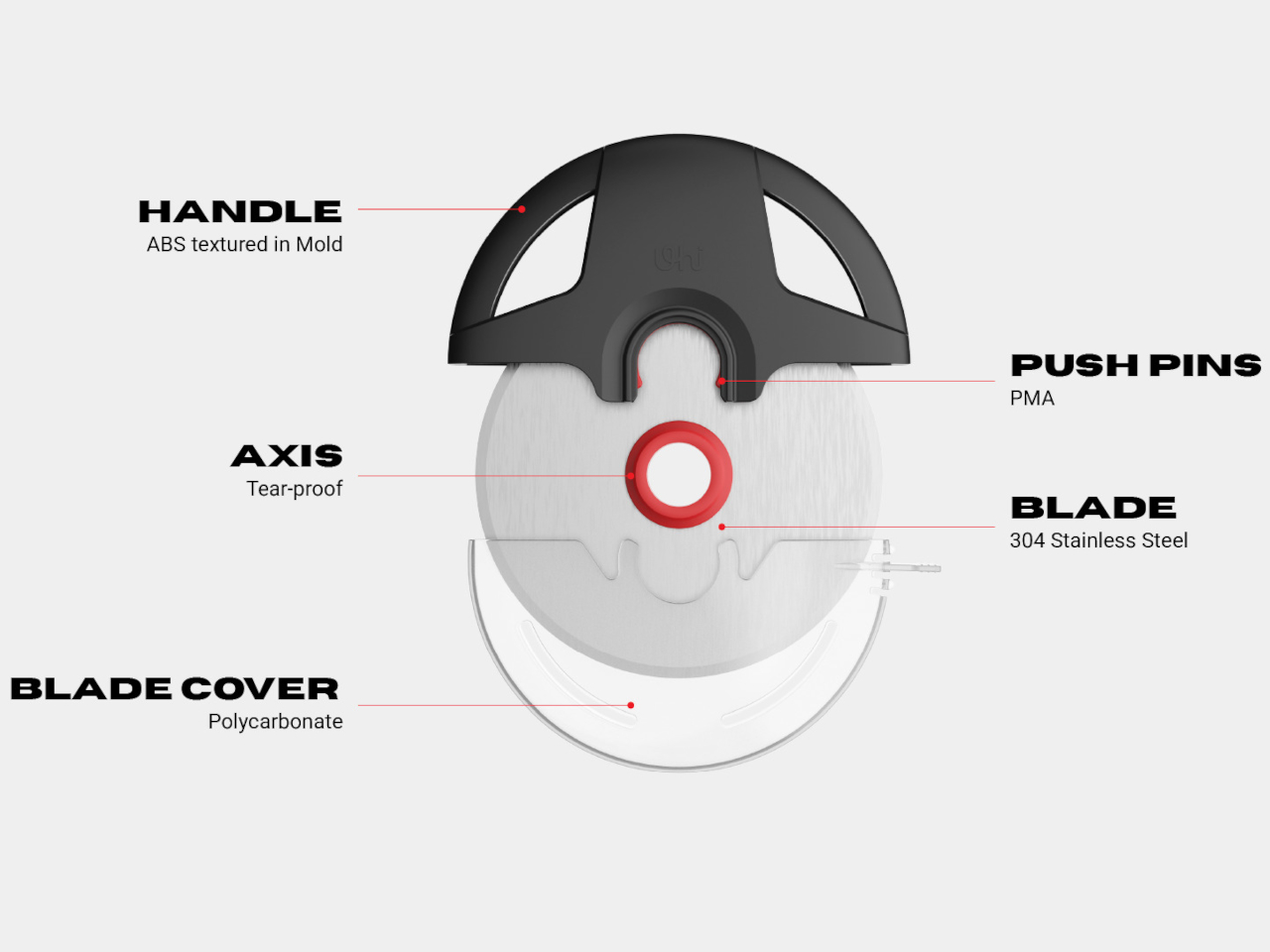
Stainless steel blades are common and resist rust. They stay sharp longer and cut through thick crust easily. Some cutters have serrated edges for better grip on slippery toppings. Thin blades reduce drag and make cutting smoother. Round wheels are popular, but straight blades offer different cutting styles. Choose a blade material and shape that suits your pizza type and cutting preference.
Ergonomic Handle Options
Comfortable handles reduce hand fatigue during use. Look for handles with soft grips or rubber coatings. They prevent slipping, especially when hands get greasy. Curved handles fit the natural shape of your hand. Some handles have finger guards for extra safety. Proper handle design helps maintain steady pressure and control for precise cuts.
Features For Easy Alignment
Proper blade alignment prevents wobbling and uneven cuts. Some pizza cutters have adjustable screws to tighten the blade. This keeps the wheel steady and aligned with the handle. Look for cutters with a secure locking mechanism to avoid blade movement. A well-aligned blade rolls smoothly, cutting through pizza without tearing or dragging.
Credit: www.yankodesign.com
Frequently Asked Questions
Are Pizza Cutters Supposed To Wobble?
Pizza cutters should not wobble. Tighten screws to reduce wobble. If wobbling persists, the cutter may be damaged or low quality.
What Angle Do You Sharpen A Pizza Cutter?
Sharpen a pizza cutter blade at a 20 to 25-degree angle for optimal cutting performance and durability.
How To Cut A Pizza Evenly?
Use a sharp pizza cutter or knife. Cut the pizza in half, then quarters. Finally, slice each quarter evenly for equal pieces.
How To Keep A Pizza Cutter Sharp?
Sharpen your pizza cutter by carefully running its blade along aluminum foil several times. Regularly tighten screws and clean after use to maintain sharpness. Store it safely to prevent damage.
Conclusion
Proper blade alignment ensures smooth, even pizza slices every time. Check the screws regularly and tighten them as needed. A well-aligned blade cuts through crust without wobbling or dragging. Keep your cutter clean and sharpen the blade to maintain its edge.
Small adjustments make a big difference in cutting performance. A steady, aligned blade saves effort and improves your pizza experience. Remember, simple care keeps your pizza cutter working like new. Enjoy perfect slices with less hassle and more taste.

As the author of the “Ultimate Pizza Guide: Recipes, Tips & Secrets Revealed,” I’m dedicated to sharing my love for pizza and empowering others to create delicious homemade pizzas with ease. Join me on a journey to uncover the secrets to perfecting your pizza game!