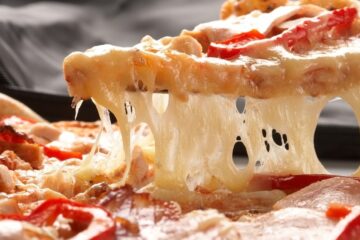
You love pizza. But if you’re trying to manage your weight, you might wonder: Can pizza fit into your plan without setting you back?
The truth is, you don’t have to give up your favorite slice to stay on track. Understanding how pizza affects your body and learning smart ways to enjoy it can make all the difference. You’ll discover simple tips that let you savor pizza while keeping your weight goals in check.
Ready to find out how to enjoy pizza without guilt? Keep reading to unlock the secrets to balanced pizza consumption and effective weight management.
Pizza And Weight Impact
Pizza often gets a bad reputation for causing weight gain. The impact of pizza on weight depends on its ingredients and portion size. Understanding how pizza affects your body helps manage your weight better. Let’s explore the calories, nutrients, and metabolism response connected to pizza.
Calories In Pizza
Pizza calories vary by type and toppings. A single slice of cheese pizza can have between 200 and 300 calories. Adding meats or extra cheese increases calories significantly. Large portions or multiple slices add up quickly. Watching calorie intake is important to control weight while enjoying pizza.
Nutrient Breakdown
Pizza contains carbohydrates, fats, and proteins. The crust mainly provides carbohydrates for energy. Cheese and meats add fats and proteins. Some pizzas include vegetables, adding fiber and vitamins. Balanced nutrient intake supports overall health and weight management. Choosing toppings wisely improves pizza’s nutrition.
Metabolism Response
The body processes pizza nutrients differently. Carbohydrates raise blood sugar, providing quick energy. Fats digest slower and keep you full longer. Protein helps build and repair muscles, boosting metabolism. High-fat and high-carb meals may cause fat storage if eaten in excess. Eating moderate portions supports a healthy metabolism.
Credit: howdyhealth.tamu.edu
Frequency And Portion Control
Managing how often and how much pizza you eat plays a key role in weight control. Eating pizza without thinking about portion size or frequency can add extra calories. Paying attention to these factors helps enjoy pizza while keeping your weight in check.
Eating Pizza Weekly
Eating pizza once a week is common and usually fine for most people. This frequency allows you to enjoy your favorite food without overdoing calories. Weekly pizza meals fit well into a balanced diet if other meals are healthy.
Recommended Serving Sizes
One or two slices of pizza is a good serving size for most adults. This amount keeps calorie intake moderate while letting you enjoy the flavors. Avoid eating whole pizzas alone to prevent consuming too many calories at once.
Balancing With Other Meals
Balance your pizza meal by choosing lighter foods during the day. Include vegetables, fruits, and lean proteins in other meals to meet nutrition needs. This approach helps control overall calorie intake and supports healthy weight management.
Healthier Pizza Choices
Choosing healthier pizza options can help manage weight without giving up flavor. Small changes make a big difference. Focus on ingredients that add nutrition and reduce excess calories. This way, you enjoy your pizza and stay on track with your health goals.
Choosing Lean Proteins
Swap high-fat meats like pepperoni for lean proteins. Grilled chicken, turkey, or seafood add protein with fewer calories. Lean meats support muscle and keep you full longer. Avoid processed meats to reduce unhealthy fats and sodium. This simple switch improves pizza’s health profile.
Adding Vegetables
Vegetables add fiber, vitamins, and minerals to your pizza. Load it with spinach, bell peppers, mushrooms, or tomatoes. Veggies increase volume without many calories. They help digestion and keep you satisfied. Bright, fresh toppings also boost flavor and color on your plate.
Opting For Better Crusts
Choose thin or whole-wheat crusts instead of thick, deep-dish options. Thin crust lowers calorie and carbohydrate intake. Whole-wheat crust adds fiber and nutrients. Avoid stuffed or fried crusts that add extra fat. A healthier base supports weight management and taste.
Homemade Vs Store-bought
Choosing between homemade and store-bought pizza affects your weight management journey. Each option offers different advantages and challenges. Understanding these can help you make better decisions for your health and diet.
Ingredient Control
Homemade pizza lets you pick every ingredient. You decide the type of flour, cheese, and toppings. This control means you can use healthier options. Store-bought pizzas often contain preservatives and extra salt. They may also have hidden sugars and unhealthy fats. Making pizza at home helps reduce these unwanted additives.
Customization Benefits
With homemade pizza, customization is unlimited. You can add lots of vegetables for more fiber. You can choose lean proteins like chicken or turkey. Adjusting portion sizes is easier too. Store-bought pizzas come pre-made with fixed toppings and sizes. This limits your ability to tailor the pizza to your nutritional needs.
Cost And Convenience
Store-bought pizzas save time and effort. They are ready to bake or eat quickly. Homemade pizza needs more preparation and cooking time. Ingredients can cost less in the long run. Making pizza at home may be cheaper if you cook often. Convenience sometimes means choosing store-bought, despite less control over nutrition.
Smart Eating Habits
Smart eating habits help enjoy pizza without harming weight goals. They focus on balance and control. These habits make pizza part of a healthy diet. Understanding how to eat pizza wisely improves weight management.
Mindful Eating Tips
Eat slowly and savor each bite of pizza. Pay attention to hunger and fullness signals. Avoid distractions like TV or phones during meals. Stop eating when you feel satisfied, not stuffed. Mindful eating reduces overeating and helps enjoy pizza more.
Pairing Pizza With Nutrients
Combine pizza with vegetables for extra fiber and vitamins. Add a side salad with leafy greens and tomatoes. Choose protein-rich toppings like grilled chicken or lean meats. This balance supports fullness and better digestion. Nutrient pairing lowers the pizza’s calorie impact.
Avoiding Overeating
Limit pizza servings to one or two slices per meal. Use smaller plates to control portion sizes easily. Drink water before and during eating to aid fullness. Skip high-calorie drinks like soda to reduce total calories. These steps prevent excess calorie intake from pizza.

Credit: www.dreamstime.com
Post-pizza Detox Tips
After enjoying pizza, your body needs care to restore balance. Post-pizza detox helps reduce bloating and supports weight management. Simple habits can ease digestion and improve how you feel.
Hydration Strategies
Drink plenty of water to flush out excess salt and toxins. Water helps reduce bloating and improves metabolism. Herbal teas like ginger or peppermint can soothe your stomach. Avoid sugary drinks that add empty calories.
Light Exercise Benefits
Gentle walks aid digestion and burn extra calories from pizza. Exercise boosts your mood and energy without stressing the body. Stretching can relieve tension and improve circulation. Keep activity light to avoid fatigue.
Digestive Support Foods
Eat foods rich in fiber to help digestion, like fruits and vegetables. Yogurt with probiotics can restore healthy gut bacteria. Avoid heavy, greasy meals after pizza to prevent discomfort. Choose simple, nutrient-dense meals for recovery.
Balancing Pizza In Diet
Pizza is a popular food enjoyed by many. Balancing pizza in your diet can help maintain weight without giving up flavors. It is possible to enjoy pizza while keeping a healthy lifestyle. The key lies in smart choices and moderation. Below are ways to include pizza in a balanced diet.
Whole Food Integration
Adding whole foods alongside pizza helps balance nutrition. Include fresh vegetables like spinach, tomatoes, or peppers on your pizza. Pair pizza with a side salad or fruit to increase fiber and vitamins. Choose whole grain or thin crust options for more nutrients and less fat. These small changes improve the meal’s overall quality.
Maintaining Nutritional Goals
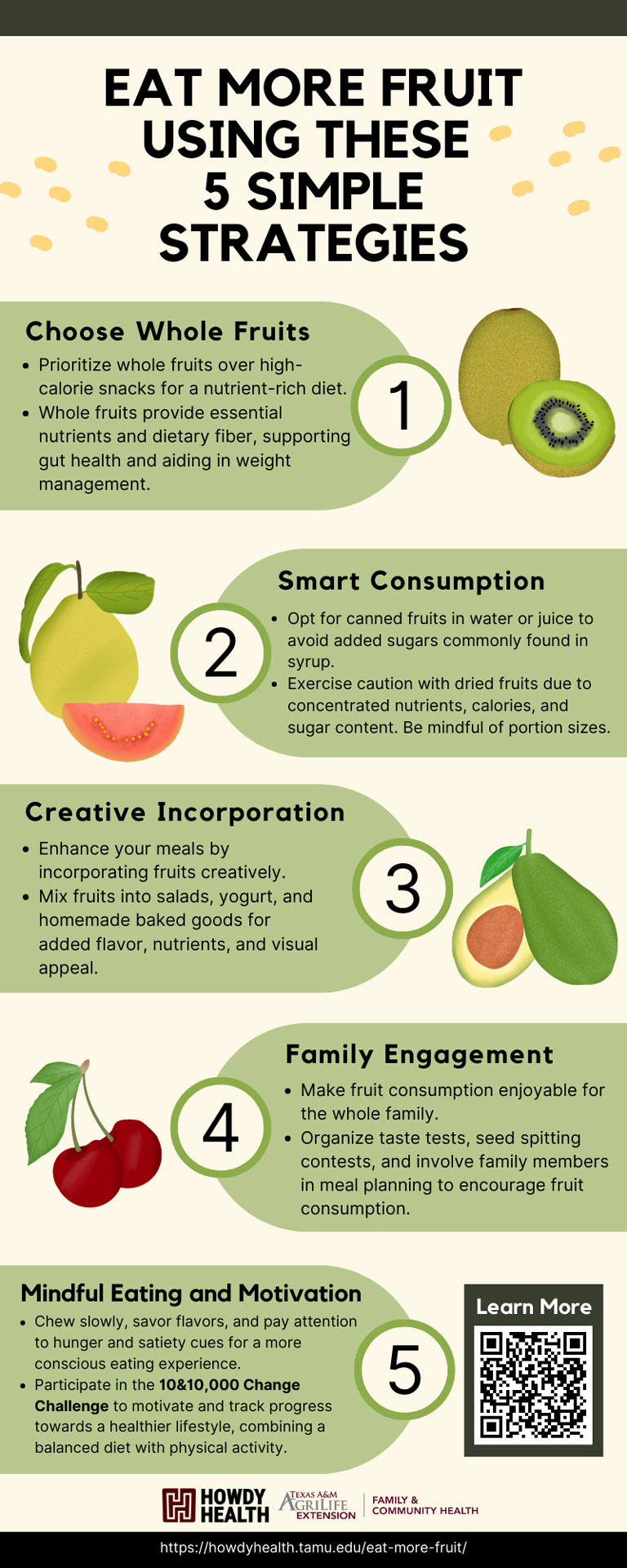
Keep track of calories and portion sizes when eating pizza. Limit yourself to one or two slices to avoid overeating. Add protein sources such as grilled chicken or beans to balance carbs and fats. Drinking water instead of sugary drinks supports better weight control. Mindful eating helps you enjoy pizza without guilt or excess.
Long-term Weight Management
Consistent healthy habits matter most for weight management. Eating pizza occasionally fits well in a balanced diet plan. Focus on daily choices that include lean proteins, fruits, and vegetables. Regular physical activity supports metabolism and weight control. Over time, balanced meals help maintain a healthy weight and well-being.
Credit: apertureneuro.org
Frequently Asked Questions
Is It Okay To Eat Pizza While Trying To Lose Weight?
Eating pizza while losing weight is okay if you control portions and choose healthier toppings. Balance pizza with vegetables and lean proteins. Opt for thin or whole-wheat crusts to reduce calories. Moderation and overall diet quality matter more than avoiding pizza completely.
How To Detox Body After Eating Pizza?
Drink warm lemon water to stimulate digestion. Eat fiber-rich foods like oatmeal to aid detox. Exercise or sauna to sweat out toxins. Stay hydrated and rest well for recovery.
How To Eat Pizza And Not Get Fat?
Control portion size by eating one or two slices. Add veggies and lean protein to boost nutrition. Choose thin or whole-wheat crust. Balance pizza with healthy meals throughout the week. Practice mindful eating to avoid overeating and maintain weight.
Is Pizza Once A Week Ok?
Eating pizza once a week is generally fine if you control portions and balance with healthy foods. Choose veggie toppings and lean proteins. Opt for whole-wheat or thin crust to keep it healthier. Overall diet quality matters more than occasional pizza indulgence.
Conclusion
Pizza can fit into a weight management plan. Portion control helps avoid overeating. Adding veggies boosts nutrition without extra calories. Choosing lean proteins makes pizza healthier and more filling. Thin or whole-wheat crusts offer better options than thick crusts. Making pizza at home gives control over ingredients.
Balance pizza meals with fruits, vegetables, and whole foods. Regular exercise supports weight goals alongside mindful eating. Enjoy pizza occasionally, keeping your overall diet in check. Small changes can lead to lasting, healthy habits.

As the author of the “Ultimate Pizza Guide: Recipes, Tips & Secrets Revealed,” I’m dedicated to sharing my love for pizza and empowering others to create delicious homemade pizzas with ease. Join me on a journey to uncover the secrets to perfecting your pizza game!