You’ve probably heard that pizza is the ultimate cheat meal — delicious, satisfying, and a welcome break from strict dieting. But have you ever stopped to wonder what really happens to your body after indulging in that cheesy slice?
Is pizza a harmless treat, or could it be setting your health goals back without you even realizing it? If you’re curious about how a pizza cheat meal affects your weight, energy, and overall wellness, you’re in the right place.
Keep reading to uncover the surprising health impact of pizza cheat meals and learn how to enjoy your favorite comfort food without guilt or setbacks.

Credit: stealthhealthcookbook.com
Pizza As A Cheat Meal
Pizza often appears as a favorite choice for a cheat meal. Its rich flavors and satisfying texture make it hard to resist. Many people enjoy pizza to break their routine diet and indulge a little. This section explores why pizza is popular on cheat days, its calorie content, and how it compares to other cheat foods.
Popularity Of Pizza On Cheat Days
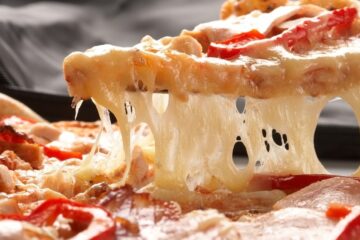
Pizza ranks high on cheat meal lists worldwide. It combines cheese, sauce, and a crispy crust, appealing to many. The variety of toppings allows for customization. People often crave pizza after strict dieting. It feels like a rewarding treat. Social gatherings also promote pizza eating, boosting its popularity.
Calorie Content And Overeating Risks
Pizza can be high in calories, especially with extra cheese and meat. One slice may contain 250 to 400 calories or more. Overeating pizza during cheat meals is common. This can lead to consuming more calories than intended. Large portions and multiple slices increase the risk. Choosing thinner crusts and veggie toppings can reduce calories.
Comparison With Other Cheat Foods
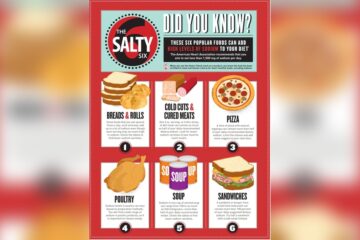
Compared to burgers and fried snacks, pizza offers more variety in nutrients. It can include vegetables and lean proteins. Some cheat foods are mainly fried and high in unhealthy fats. Pizza’s cheese provides calcium and protein. Yet, it can still be high in sodium and saturated fat. Moderation is key to enjoy pizza without harming health.

Credit: idealnutritionnow.com
Effects On Weight Loss
Eating pizza as a cheat meal can affect weight loss in several ways. It depends on how often you eat it and the portion size. Understanding the effects helps you manage your diet better.
Cheat meals can offer a mental break from strict eating plans. But they can also lead to setbacks if not controlled. Let’s explore how pizza cheat meals impact weight loss.
Impact Of A Single Cheat Meal
A single pizza cheat meal usually does not ruin weight loss progress. It may add extra calories for one day. Your body can handle occasional higher calorie intake without major changes.
One cheat meal can boost metabolism slightly and reduce cravings. It can also make it easier to stick to a diet afterwards. Moderation is key to keep weight loss on track.
Consequences Of Frequent Cheat Days
Frequent pizza cheat days can slow or stop weight loss. Eating high-calorie foods often adds more calories than burned. This leads to weight gain or plateaus in losing weight.
Regular cheat days may increase fat storage and reduce fat burning. It becomes harder to maintain a calorie deficit required for weight loss. Consistency in healthy eating is essential.
Psychological Effects And Food Guilt
Cheat meals can cause mixed feelings like guilt or shame. These emotions may affect motivation and lead to unhealthy eating habits. Food guilt can make dieting stressful and less enjoyable.
Positive mindset helps control eating choices and reduces binge risk. Accepting occasional cheat meals without guilt supports long-term success. Balance and self-compassion improve diet sustainability.
Nutritional Aspects Of Pizza
Pizza is a popular choice for a cheat meal. Understanding its nutritional aspects helps manage health effects. It contains a mix of nutrients that can impact your body differently. Knowing what is inside a pizza can guide better eating choices.
Macronutrient Breakdown
Pizza has carbohydrates, proteins, and fats in varying amounts. The dough mainly provides carbs, which give quick energy. Cheese adds protein and fat, which help with muscle repair and energy storage. Toppings like meats add more protein and fat. Some pizzas have extra oils, increasing fat content. This mix can make pizza high in calories.
Common Ingredients And Their Health Impact
Typical pizza ingredients affect health in different ways. Cheese is rich in calcium but also high in saturated fat. Processed meats like pepperoni add protein but contain sodium and preservatives. Vegetables add fiber, vitamins, and minerals, which support digestion and immunity. Tomato sauce provides antioxidants like lycopene, which may reduce inflammation. The crust can be refined or whole grain, affecting fiber and nutrient levels.
Portion Control Strategies
Controlling portion size limits calorie intake and supports weight management. Choose smaller slices or eat fewer slices to avoid overeating. Pair pizza with a side salad or vegetables to add fiber and nutrients. Avoid extra toppings high in fat and sodium to keep calories down. Eating slowly helps recognize fullness and prevents eating too much. Planning cheat meals helps keep balance and enjoy pizza responsibly.

Credit: stealthhealthcookbook.com
Cultural Insights: Italian Diet
The Italian diet offers valuable lessons on enjoying foods like pizza without harming health. Italians balance flavors and nutrition in every meal. Their approach shows that pizza can fit into a healthy lifestyle. Understanding their diet helps us rethink cheat meals.
Italians focus on fresh, whole foods with simple preparation. This way, food tastes good and supports well-being. Their eating habits encourage mindful portions and social meals. These habits reduce overeating and promote satisfaction.
Mediterranean Diet Principles
The Italian diet follows Mediterranean diet principles. It emphasizes vegetables, fruits, and whole grains. Olive oil is the main fat used, replacing butter or margarine. Fish and poultry appear often, while red meat is limited. Meals include nuts, beans, and moderate wine. This mix provides good fats, fiber, and antioxidants. These foods support heart health and weight management.
How Italians Enjoy Pizza Without Weight Gain
Pizza in Italy is usually thin-crust and modestly topped. Portion sizes are smaller than typical fast food pizzas. Italians eat pizza slowly, savoring each bite. They combine pizza with salads or vegetables. Meals are shared with family or friends, making eating a social event. Physical activity is part of daily life too. This balance helps prevent weight gain from occasional pizza meals.
Lessons For Cheat Meal Practices
Cheat meals can fit into a healthy plan if done right. Portion control is key, as Italians show with pizza servings. Choosing quality ingredients improves nutrition and taste. Eating mindfully, not rushing, helps recognize fullness. Including vegetables or salads adds fiber and vitamins. Sharing meals supports enjoyment and limits overeating. These lessons make cheat meals less harmful and more satisfying.
Metabolic Responses To Cheat Meals
Cheat meals, such as indulging in pizza, trigger unique metabolic responses in the body. These changes impact hormones and energy use. Understanding these effects helps manage cheat meals wisely. Below, we explore how the body reacts to cheat meals at a metabolic level.
Leptin Level Fluctuations
Leptin is a hormone that controls hunger and energy use. Cheat meals can cause leptin levels to rise temporarily. This rise signals the brain to reduce hunger. It may also increase energy expenditure for a short time. These changes help balance energy after dieting or calorie restriction.
Temporary Metabolism Boosts
Eating a calorie-rich cheat meal can speed up metabolism briefly. This effect, called diet-induced thermogenesis, burns extra calories during digestion. The body uses more energy to process the large meal. This boost lasts only a few hours to a day. It helps offset some calorie intake from cheat meals.
Long-term Metabolic Effects
Frequent cheat meals may alter metabolism over time. They can prevent the metabolic slowdown caused by constant dieting. Occasional high-calorie meals help maintain normal hormone levels. This can support better fat loss and muscle retention. Yet, too many cheat meals may lead to weight gain and insulin resistance.
Healthy Cheat Meal Approaches
Enjoying a pizza cheat meal can fit into a healthy lifestyle. The key is to approach cheat meals thoughtfully. This means making choices that support your health goals while still allowing some indulgence. Healthy cheat meal approaches help you avoid guilt and stay on track. They also teach balance and mindful eating.
Use these simple strategies to make your pizza cheat meal a positive experience. This way, you can enjoy your favorite foods without harming your diet or health.
Balancing Cheat Meals With Overall Diet
Balance is important when adding cheat meals to your diet. Treat cheat meals as a small part of your total weekly food intake. Focus on eating mostly nutritious meals with fruits, vegetables, lean proteins, and whole grains. This helps your body get the nutrients it needs. Plan your cheat meal around lighter meals during the day. This keeps your calorie intake steady and prevents overeating.
Choosing Healthier Pizza Options
Pick pizza with healthier ingredients for your cheat meal. Choose whole wheat or thin crust to reduce calories and add fiber. Load your pizza with vegetables like peppers, onions, and spinach for extra vitamins. Select lean protein toppings such as chicken or turkey. Limit high-fat options like extra cheese and processed meats. This makes your pizza more nutritious and less heavy.
Avoiding Unhealthy Eating Behaviors
Stay mindful while enjoying your cheat meal to avoid unhealthy habits. Eat slowly and enjoy each bite to feel satisfied with less food. Avoid eating out of stress or boredom. Set limits on portion size to prevent overeating. Do not use cheat meals as a reason to binge or lose control. Healthy habits keep your relationship with food positive and balanced.
Debates Around Cheat Days
Debates Around Cheat Days stir strong opinions in the health and fitness community. Some experts warn against them, fearing they might disrupt progress. Others highlight possible mental and physical benefits if done carefully. Understanding these views helps decide how cheat days affect your diet and health.
Arguments Against Cheat Days
Cheat days can cause overeating and undo calorie control. They may trigger cravings for unhealthy foods like pizza or fast food. Some people struggle to return to healthy eating after a cheat day. This cycle can slow down weight loss or cause weight gain. Frequent cheat days might affect blood sugar and energy levels negatively.
Potential Benefits Of Controlled Cheat Meals
Controlled cheat meals can boost metabolism by increasing calorie intake briefly. They may help reduce feelings of deprivation during strict diets. A planned cheat meal allows enjoyment of favorite foods like pizza without guilt. This practice can prevent binge eating by satisfying cravings in a small portion. Properly timed cheat meals might improve long-term diet success.
Psychological Impact On Diet Adherence
Cheat days can improve motivation by providing a mental break from dieting. They help some people stick to healthy habits longer. However, cheat days may cause guilt or shame if overeaten. This negative feeling can reduce confidence and diet consistency. Balancing enjoyment and discipline is key to positive psychological effects.
Frequently Asked Questions
Is Pizza A Good Cheat Day Meal?
Pizza can be a satisfying cheat day meal but often exceeds calorie limits. Enjoy it occasionally and in moderation.
Does One Cheat Meal Ruin Your Diet?
One cheat meal won’t ruin your diet if you return to healthy eating afterward. Avoid frequent overeating to stay on track.
Is It Okay To Eat Pizza While Trying To Lose Weight?
Eating pizza occasionally can fit a weight loss plan if you control portions and overall calorie intake. Choose healthier toppings and balance meals with vegetables. Avoid frequent pizza to prevent excess calories and fat, which can hinder weight loss progress.
Moderation is key for success.
How Do Italians Eat Pizza And Not Get Fat?
Italians eat pizza in moderation and balance it with a Mediterranean diet rich in vegetables, whole grains, and healthy fats. They focus on portion control and active lifestyles, which helps prevent weight gain despite enjoying pizza regularly.
Conclusion
Pizza as a cheat meal can fit into a balanced diet. Eating it once in a while won’t harm your health. Portion control helps avoid extra calories and weight gain. Choose healthier toppings like vegetables and lean proteins. Pair pizza with a side salad to add nutrients.
Remember, moderation keeps cheat meals from becoming setbacks. Enjoy your favorite foods without guilt or stress. Consistency in healthy choices matters most for long-term wellness.
As the author of the “Ultimate Pizza Guide: Recipes, Tips & Secrets Revealed,” I’m dedicated to sharing my love for pizza and empowering others to create delicious homemade pizzas with ease. Join me on a journey to uncover the secrets to perfecting your pizza game!