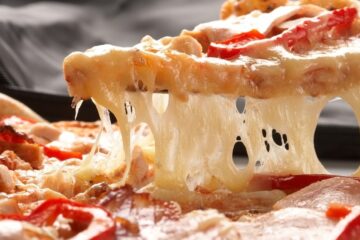
You love pizza, but you’re trying to stay on track with your fitness goals. So, can pizza really fit into your plan as a cheat meal?
Or will it totally derail your progress? The truth is, pizza is one of the most popular cheat meals out there—and for good reason. It’s delicious, satisfying, and feels like a well-earned reward. But there’s more to it than just indulgence.
Understanding when and how pizza can work for your body, especially if you’re aiming to build muscle or lose fat, is key. Keep reading to discover how pizza can be both your cheat meal and a part of a balanced approach to eating without guilt or setbacks.
Credit: health.clevelandclinic.org
Pizza As A Cheat Meal
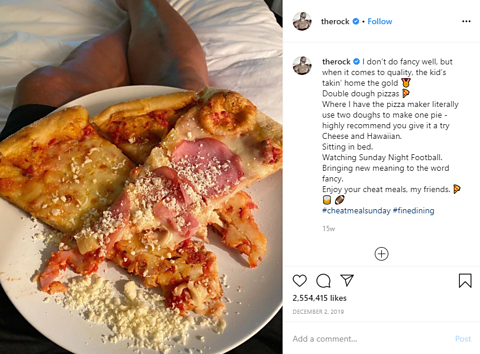
Pizza often gets a bad reputation in dieting circles. Yet, it can fit into many meal plans as a cheat meal. A cheat meal means enjoying foods outside your regular diet. It gives a mental break and can boost motivation. Pizza is popular because it is tasty and satisfying. Understanding its role as a cheat meal helps make smarter choices.
Calories And Nutrition
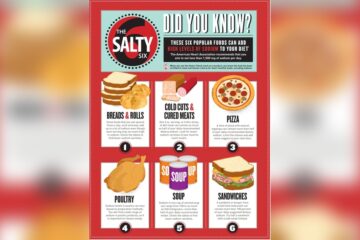
Pizza contains calories from carbs, fats, and proteins. The crust is mostly refined carbs. Cheese adds protein and fat. Toppings vary from vegetables to processed meats. Calories in one slice can range from 200 to 400 or more. Portion control is important to avoid extra calories. Nutrients like calcium and protein come from cheese. Vegetables add fiber and vitamins. Balance toppings to improve nutrition. Eating pizza occasionally fits calorie goals.
Common Misconceptions
People often think pizza is always unhealthy. It depends on ingredients and portion size. Not all pizzas have excessive fat or calories. Homemade or thin crust options lower calories. Vegetables as toppings increase vitamins and fiber. Another myth is pizza causes weight gain alone. Weight gain happens from eating too many calories overall. Pizza can be part of a balanced diet. Choosing pizza as a cheat meal helps prevent overeating. Planning cheat meals avoids guilt and supports diet goals.
Benefits Of Pizza For Fitness
Pizza often gets a bad reputation in fitness circles. Yet, it can offer real benefits when used wisely as a cheat meal. Enjoying pizza occasionally can support your fitness goals by providing essential nutrients and energy. It can fit well into a balanced diet if you choose the right toppings and portions.
Energy For Bulking
Pizza is rich in calories, which helps during bulking phases. The combination of carbs and fats provides lasting energy. This energy supports muscle growth and strength training. Eating pizza can make it easier to meet daily calorie needs. It fuels intense workouts and helps build muscle mass.
Post-workout Recovery
Pizza contains carbohydrates that replenish glycogen stores after exercise. Protein from cheese and meat toppings aids muscle repair. This mix helps your body recover faster. A quick recovery means you can train harder and more often. Pizza can be a tasty, effective post-workout meal.
Convenient Calorie Source
Busy schedules make meal prep hard for many fitness enthusiasts. Pizza offers a fast and easy calorie option. It provides a balanced mix of carbs, protein, and fats in one meal. This convenience helps maintain energy levels throughout the day. Pizza can fit into a fitness plan without stress.
Potential Downsides
Pizza is a popular choice for a cheat meal. It tastes great and feels satisfying. Yet, it has some potential downsides that can affect your health and fitness goals. Knowing these helps you enjoy pizza without harming your progress.
Excess Saturated Fat And Sodium
Pizza often contains high amounts of saturated fat. This fat comes from cheese and processed meats like pepperoni. Eating too much saturated fat can increase inflammation in the body.
High sodium levels in pizza can raise blood pressure. Too much salt may cause water retention and bloating. These effects can slow down recovery after workouts.
Refined Carbs And Sugar
The crust of most pizzas is made from refined flour. Refined carbs break down quickly, causing blood sugar spikes. These spikes may lead to energy crashes later.
Some pizza sauces contain added sugar. Sugar adds extra calories without much nutrition. Consuming too much sugar can contribute to fat gain.
Risk Of Overeating
Pizza is easy to eat in large amounts. Its taste and texture can make you want more slices. Eating too many calories at once can cause fat gain instead of muscle growth.
Portion control is important with pizza. Overeating can undo the benefits of your healthy meals. Enjoy pizza, but keep your servings small and mindful.
Smart Pizza Choices
Choosing pizza as a cheat meal can fit into a healthy lifestyle. Making smart pizza choices helps you enjoy it without guilt. Focus on portion size, toppings, and balancing your meal with whole foods. These tips help keep calories in check and improve nutrition.
Portion Control
Eating a small portion prevents overeating and excess calories. One or two slices satisfy hunger without going overboard. Avoid eating the whole pizza in one sitting. Listen to your body’s signals and stop when full. Portion control keeps your cheat meal balanced and effective.
Healthy Toppings
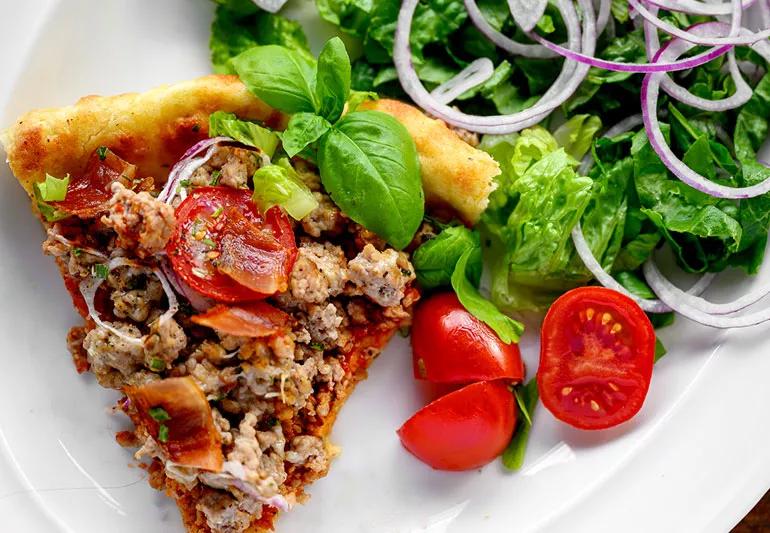
Choose toppings that add nutrients and flavor. Vegetables like spinach, tomatoes, and peppers increase fiber and vitamins. Lean proteins such as chicken or turkey support muscle repair. Limit high-fat meats like pepperoni or sausage. Healthy toppings improve the pizza’s quality and support your goals.
Balancing With Whole Foods
Pair pizza with whole foods for a balanced meal. Include a side salad or steamed vegetables to add fiber and nutrients. Whole foods help slow digestion and reduce blood sugar spikes. Drinking water instead of sugary drinks supports hydration. Balancing your cheat meal helps maintain overall health.
Lessons From Italian Diet
The Italian diet teaches valuable lessons about enjoying pizza without guilt. Italians eat pizza as part of a balanced lifestyle. Their approach focuses on quality ingredients and portion control.
This way, pizza fits into their daily eating habits without harming their health. They combine it with fresh vegetables, lean proteins, and healthy fats. This balance helps maintain good health and energy.
Mediterranean Ingredients
Italian pizza uses fresh, simple ingredients from the Mediterranean diet. Olive oil replaces heavy butter or cream. Tomatoes provide antioxidants and vitamins. Fresh herbs add flavor without extra calories.
Vegetables like spinach, artichokes, and mushrooms often top pizzas. Cheese is used sparingly and is usually fresh, like mozzarella. These ingredients offer nutrients that support overall health.
Moderation And Lifestyle
Portion size matters in the Italian way of eating pizza. They eat smaller slices and avoid large portions. Meals are social and slow, which helps prevent overeating.
Daily physical activity is part of their routine. Walking and moving help balance calorie intake. Pizza becomes a treat, not a regular heavy meal.
This lifestyle allows Italians to enjoy pizza without weight gain or health problems. The key is balance, not restriction or excess.
Credit: www.bbc.co.uk
Incorporating Pizza In Your Plan
Incorporating pizza into your meal plan can be done smartly. It fits as a cheat meal without ruining progress. Planning ahead helps balance enjoyment with fitness goals.
Choosing the right time and portion keeps pizza from becoming a setback. Focus on maintaining muscle and avoiding excess calories. These tips make pizza a helpful part of your diet.
When To Indulge
Eat pizza after intense workout sessions. Your body needs extra carbs and protein then. It helps refill energy and repair muscles faster.
Use pizza in calorie surplus phases if building muscle. The calories support growth and recovery. Avoid pizza on rest days or calorie deficit periods.
Maintaining Muscle Gains
Choose toppings with protein like chicken or lean meats. Add vegetables to increase fiber and vitamins. Limit high-fat and processed toppings to protect gains.
Control portion size by eating 2-3 slices max. Balance pizza with other meals rich in nutrients. Drink water to aid digestion and avoid bloating.
Avoiding Setbacks
Do not overeat pizza to prevent fat gain. Too many calories undo muscle definition and progress. Plan cheat meals weekly or biweekly, not daily.
Monitor sodium intake to reduce water retention and inflammation. Skip extra cheese or heavy sauces to lower unhealthy fats. Keep active after pizza meals to burn extra calories.

Credit: www.youtube.com
Frequently Asked Questions
Can You Eat Pizza As A Cheat Meal?
Yes, you can eat pizza as a cheat meal. Enjoy it occasionally, choose healthy toppings, and maintain overall balanced nutrition.
Is It Okay To Eat Pizza While Trying To Lose Weight?
Eating pizza can fit into weight loss if you control portions and choose healthier toppings. Moderation is essential.
How Do Italians Eat Pizza And Not Get Fat?
Italians eat pizza in moderation, balancing it with a Mediterranean diet rich in vegetables, lean proteins, and healthy fats. They focus on fresh ingredients and maintain an active lifestyle, which helps prevent weight gain despite enjoying pizza regularly.
Will Pizza Ruin My Gains?
Pizza won’t ruin your gains if eaten occasionally. It provides calories and protein but avoid excess fats and refined carbs. Choose lean toppings and practice moderation to support muscle growth and recovery effectively.
Conclusion
Pizza can fit into your diet as a cheat meal. Enjoy it in moderation to avoid overeating. Choose toppings like chicken and vegetables for better nutrition. Balance pizza with whole foods and lean proteins daily. Treat pizza as a treat, not a main meal.
This approach helps support your fitness and health goals. Remember, smart choices make cheat meals work for you.
As the author of the “Ultimate Pizza Guide: Recipes, Tips & Secrets Revealed,” I’m dedicated to sharing my love for pizza and empowering others to create delicious homemade pizzas with ease. Join me on a journey to uncover the secrets to perfecting your pizza game!