Have you ever wondered why sometimes a slice of pizza leaves you feeling satisfied, while other times you’re hungry again in no time? Understanding how pizza affects your satiety levels can change the way you enjoy this popular food—and help you manage hunger better.
You’ll discover what makes certain foods more filling than others, how pizza stacks up against high-satiety foods, and smart tips to boost your fullness after every bite. If you want to enjoy pizza without the constant urge to snack, keep reading to unlock the secrets behind pizza and satiety.
Satiety Index Basics
The Satiety Index is a tool that measures how full different foods make you feel. It helps identify which foods keep hunger away longer. Satiety affects how much you eat and can influence weight control and energy levels.
Foods with a high satiety index help reduce cravings and snacking. They often contain protein, fiber, and water. These components slow digestion and keep you feeling satisfied after a meal.
Top Satiating Foods
- Boiled Potatoes: High in water and fiber, very filling.
- Porridge/Oatmeal: Rich in fiber, slows digestion.
- Oranges: Water-rich fruit, low calorie but filling.
- Apples: Provide fiber and water for fullness.
- Fish: High protein, keeps hunger away longer.
- Eggs: Protein-packed, effective at reducing appetite.
- Greek Yogurt: Combines protein and probiotics for satiety.
- Legumes (beans, lentils): High in fiber and protein.
Foods To Limit
- Processed Snacks: Low in nutrients, cause quick hunger returns.
- Sugary Drinks: High sugar, low satiety, add empty calories.
- Refined Carbs: White bread and cakes digest quickly, less filling.
- Fast Food: Often high in fat and calories, low in fiber.
- Sweetened Cereals: Sugar spikes hunger rather than curbing it.
Credit: www.cornucopiahealthfoods.com
Key Satiety Factors
Satiety depends on several key factors found in foods. These factors influence how full you feel after eating. Understanding these can help choose pizza toppings and ingredients that keep hunger away longer. Satiety affects appetite and overall calorie intake. The main elements that control satiety include protein, fiber, and water content. Each plays a unique role in slowing digestion and signaling fullness to the brain.
Protein’s Role
Protein is the strongest nutrient for feeling full. It slows stomach emptying and affects hunger hormones. High-protein foods increase fullness and reduce later snacking. Pizza toppings like chicken, lean beef, or cheese add protein. Protein also helps maintain muscle and supports metabolism.
Fiber Benefits
Fiber adds bulk to food without extra calories. It slows digestion, keeping food in the stomach longer. Pizza crust made from whole grains or added veggies increases fiber content. Fiber helps control blood sugar and reduces hunger between meals. It promotes a steady release of energy.
Water Content Impact
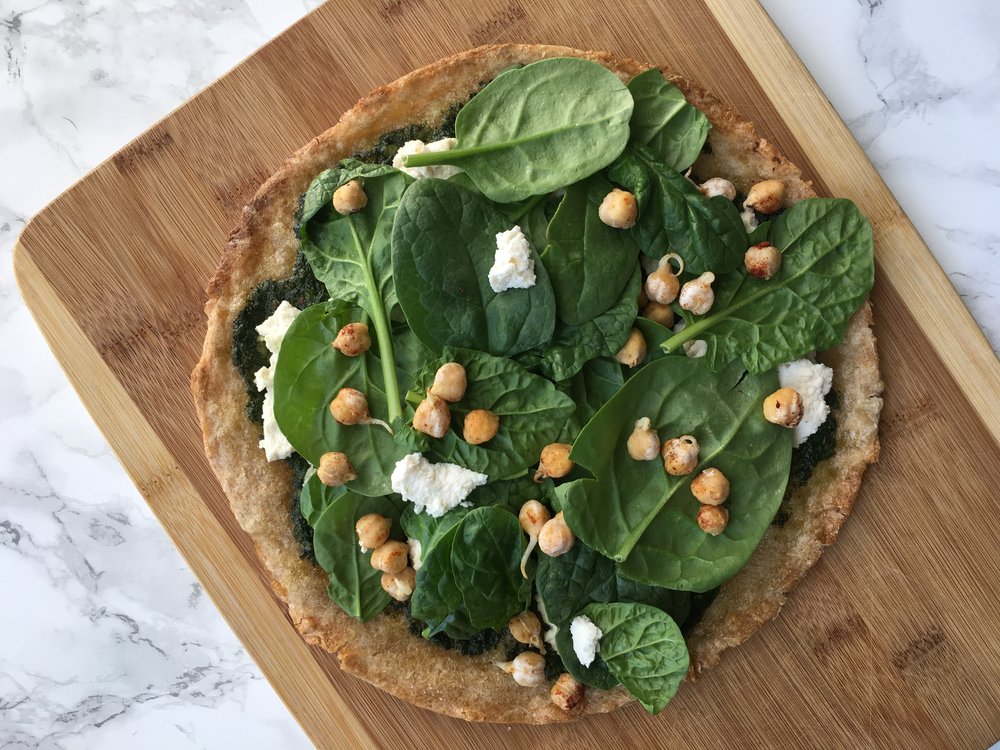
Foods with high water content fill the stomach quickly. Water adds volume without adding calories. Vegetables on pizza, like tomatoes, peppers, or spinach, boost water content. This helps stretch the stomach and triggers fullness signals. Water-rich foods also support hydration and digestion.
High-satiety Food Groups
High-satiety food groups help control hunger and keep you full longer. They play a key role in managing appetite and energy levels. Choosing foods from these groups can reduce cravings and overeating. They slow digestion and provide lasting energy.
Proteins
Protein is the most filling nutrient. It affects hunger hormones and slows stomach emptying. Foods like eggs, chicken, fish, and beans have high protein content. Greek yogurt and lean meats also help increase satiety. Including protein in a pizza topping can make it more satisfying.
Fiber-rich Carbs
Fiber adds bulk to food and slows digestion. Whole grains, oats, and potatoes are rich in fiber. Fruits like apples and oranges provide fiber and natural sweetness. Fiber-rich carbs help keep you full without many calories. They balance blood sugar and reduce hunger spikes.
Vegetables
Vegetables are low in calories but high in volume and nutrients. They add fiber and water, which fill the stomach. Broccoli, carrots, and leafy greens are great examples. Adding vegetables to pizza boosts satiety and nutrition. They help you feel full with fewer calories.
Pizza And Satiety
Pizza is a popular meal enjoyed worldwide. It can satisfy hunger quickly, but not all pizzas keep you full for long. Satiety means feeling full and satisfied after eating. Different pizza ingredients change how long fullness lasts. Understanding these ingredients helps choose pizzas that control hunger better.
Ingredients Affecting Fullness
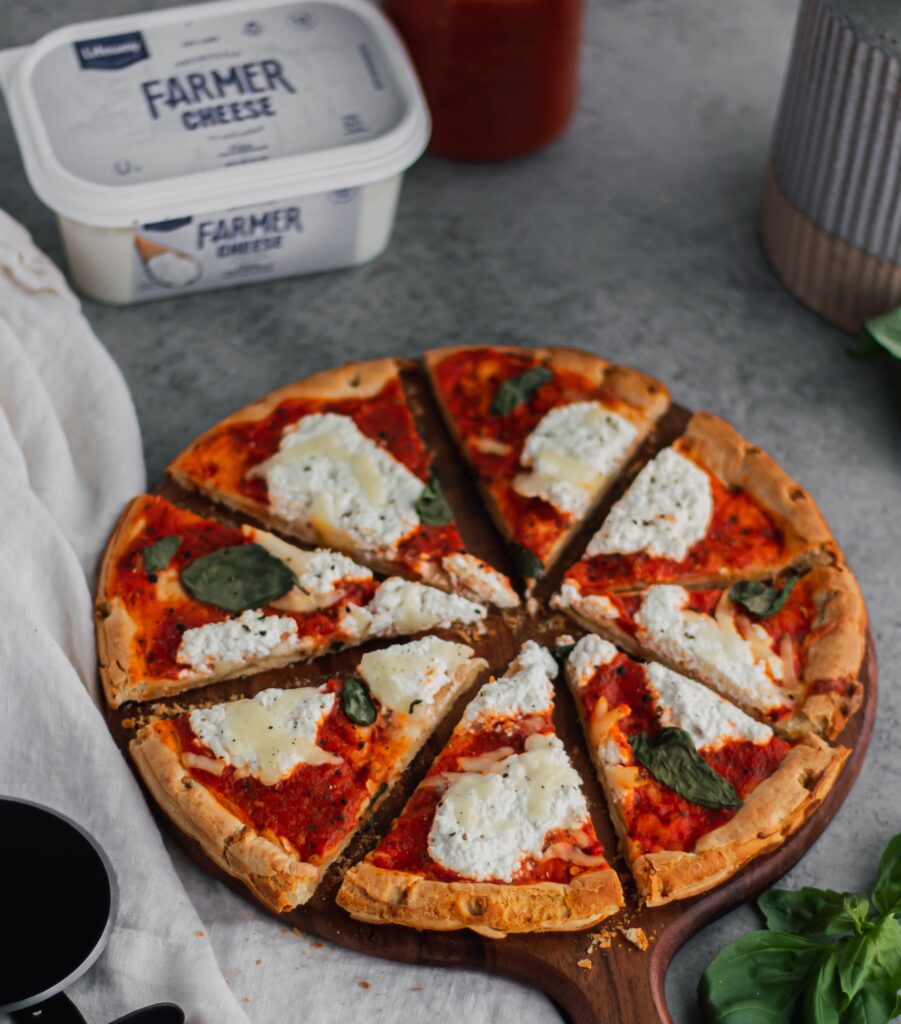
The type and amount of ingredients in pizza affect how full you feel. High-fat, high-sugar pizzas often lead to quick hunger return. Pizzas with more protein and fiber keep hunger away longer. The crust type also matters; whole grain crust adds more fiber than white flour crust. Cheese adds fat and protein, influencing satiety. Tomato sauce provides water and fiber, helping with fullness.
Protein And Fiber In Pizza
Protein slows digestion and reduces hunger hormones. Meats like chicken, turkey, or lean beef increase protein content. Cheese also adds protein but watch for fat levels. Fiber adds bulk and slows stomach emptying. Vegetables like spinach, bell peppers, and mushrooms add fiber and nutrients. A pizza high in protein and fiber helps you feel full and eat less later.
Healthy Pizza Toppings
Choosing healthy toppings improves satiety and nutrition. Fresh vegetables add fiber and vitamins with few calories. Lean meats provide protein without extra fat. Avoid processed meats high in salt and fat, like pepperoni or sausage. Adding olives or nuts can add healthy fats that help fullness. Tomato sauce is rich in antioxidants and low in calories. Combining these toppings makes pizza more filling and better for health.
Boosting Satiety With Meals
Boosting satiety with meals helps control hunger and supports healthy eating. Satiety means feeling full and satisfied after eating. Meals that boost satiety keep you from snacking too soon. This section explains simple ways to make your meals more filling and enjoyable.
Combining Macronutrients
Combining protein, fat, and carbohydrates in meals improves satiety. Protein is the most filling macronutrient and helps control hunger hormones. Healthy fats slow digestion and add lasting fullness. Carbohydrates from whole grains and vegetables provide fiber and energy. Balanced meals with all three keep you satisfied longer.
Choosing Whole Foods
Whole foods contain natural fiber and nutrients that increase fullness. Foods like fruits, vegetables, whole grains, and lean proteins digest slowly. They add bulk and water to meals, which helps stretch the stomach. Avoid processed foods that digest quickly and leave you hungry soon.
Using Soups And Snacks
Soups with vegetables and protein can fill you up with fewer calories. Warm liquids add volume and slow eating, which aids fullness. Healthy snacks like nuts, yogurt, or fruit provide nutrients and steady energy. These snacks prevent overeating during main meals.
Credit: lifewaykefir.com
Satiety-friendly Snack Ideas
Choosing snacks that keep you full longer helps control hunger between meals. Satiety-friendly snacks provide energy and reduce cravings. They balance nutrients like protein, fiber, and healthy fats. These snacks support steady blood sugar and avoid quick hunger returns. Here are some great options to try.
Nuts And Seeds
Nuts and seeds offer healthy fats and protein. Almonds, walnuts, chia seeds, and flaxseeds are popular choices. They help slow digestion and keep you feeling satisfied. A small handful provides a nutrient boost and lasting fullness. These snacks are easy to carry and eat anywhere.
Fruits And Vegetables
Fruits and vegetables contain fiber and water, adding bulk to your diet. Apples, oranges, carrots, and celery are filling options. Their natural sugars give quick energy, while fiber slows hunger. Eating raw or lightly cooked keeps nutrients intact. These snacks are low in calories and high in vitamins.
Dairy And Legumes
Dairy products like Greek yogurt and cottage cheese have protein and calcium. They help keep hunger in check for hours. Legumes such as beans, lentils, and chickpeas are rich in fiber and protein. These foods digest slowly and provide steady energy. Including them as snacks helps maintain fullness.
Meal Preparation Tips
Preparing meals that keep you full and satisfied can help control hunger and support healthy eating. Thoughtful meal preparation improves satiety and helps avoid overeating. Including the right foods and using proper cooking methods make a big difference.
Focus on ingredients that provide lasting fullness. Combine them with portion control to balance taste and nutrition. Here are some useful tips for meal preparation to boost satiety.
Boiled Potatoes And Satiety
Boiled potatoes rank high on the satiety index. They contain fiber and water, which add volume without many calories. Eating boiled potatoes can reduce hunger and help you feel full longer. Avoid frying or adding heavy sauces to keep them healthy. Simple seasoning like herbs or spices enhances flavor without extra fat.
Cooking Methods To Enhance Fullness
Choose cooking methods that keep nutrients and fiber intact. Steaming, boiling, and baking preserve food’s natural fullness effect. Avoid deep frying or heavy creams that reduce satiety. Slow cooking tough meats tenderizes them without added fats. Use herbs and spices to boost taste without extra calories.
Portion Control Strategies
Serve moderate portions to balance hunger and calorie intake. Use smaller plates to help control amounts visually. Pair proteins and fiber-rich foods with vegetables for a filling meal. Eating slowly allows your brain to register fullness signals. Drink water before and during meals to aid digestion and reduce overeating.

Credit: optimisingnutrition.com
Frequently Asked Questions
What Food Has The Highest Satiety Index?
Boiled potatoes have the highest satiety index, making them the most filling food. Protein-rich foods like eggs and fish also rank high in satiety. Fiber-rich foods such as oats, apples, and oranges help you feel fuller longer by slowing digestion.
Which Foods Increase Satiety?
Foods rich in protein, fiber, and healthy fats increase satiety. Examples include eggs, fish, Greek yogurt, oats, potatoes, fruits, nuts, and vegetables. These foods slow digestion, add bulk, and regulate hunger hormones, helping you feel full longer and reduce cravings effectively.
What Food Keeps You Full The Longest?
Foods rich in protein, fiber, and healthy fats keep you full longest. Examples include eggs, fish, oats, potatoes, nuts, and vegetables. These slow digestion and regulate hunger hormones effectively.
Why Am I Still Hungry After Eating 5 Slices Of Pizza?
You feel hungry after 5 pizza slices because pizza lacks enough protein, fiber, and water to keep you full longer.
Conclusion
Pizza can vary in how full it makes you feel. Its protein and fat content help increase satiety. However, toppings and crust type also affect fullness levels. Pairing pizza with fiber-rich veggies can improve satiety. Choosing balanced meals supports better hunger control.
Remember, satiety depends on what and how much you eat. Enjoy pizza mindfully for lasting satisfaction.

As the author of the “Ultimate Pizza Guide: Recipes, Tips & Secrets Revealed,” I’m dedicated to sharing my love for pizza and empowering others to create delicious homemade pizzas with ease. Join me on a journey to uncover the secrets to perfecting your pizza game!