When you think of pizza, you might picture a delicious, cheesy treat rather than a solid source of protein. But did you know that pizza can actually help you meet your protein needs?
Whether you’re trying to build muscle, maintain energy, or simply enjoy a tasty meal without guilt, understanding how pizza fits into your protein intake is key. You’ll discover which pizza ingredients pack the biggest protein punch, how much protein you can expect from your favorite slices, and smart tips to make your pizza both satisfying and nutritious.
Ready to rethink pizza as more than just comfort food? Let’s dive in and explore how you can enjoy pizza while supporting your protein goals.

Credit: world.openfoodfacts.org
Pizza As A Protein Source
Pizza can serve as a good protein source in many diets. Its ingredients, especially cheese and meat toppings, provide various amounts of protein. Understanding the protein content in pizza helps make better food choices. This section breaks down how pizza contributes to protein intake.
Cheese Varieties And Protein
Cheese is the main protein source on most pizzas. Mozzarella is the most common, offering a moderate protein amount. Parmesan adds a sharper flavor and more protein per ounce. Ricotta cheese provides a creamy texture and extra protein. Different cheeses vary in protein content but all contribute significantly.
Meat Toppings Impact
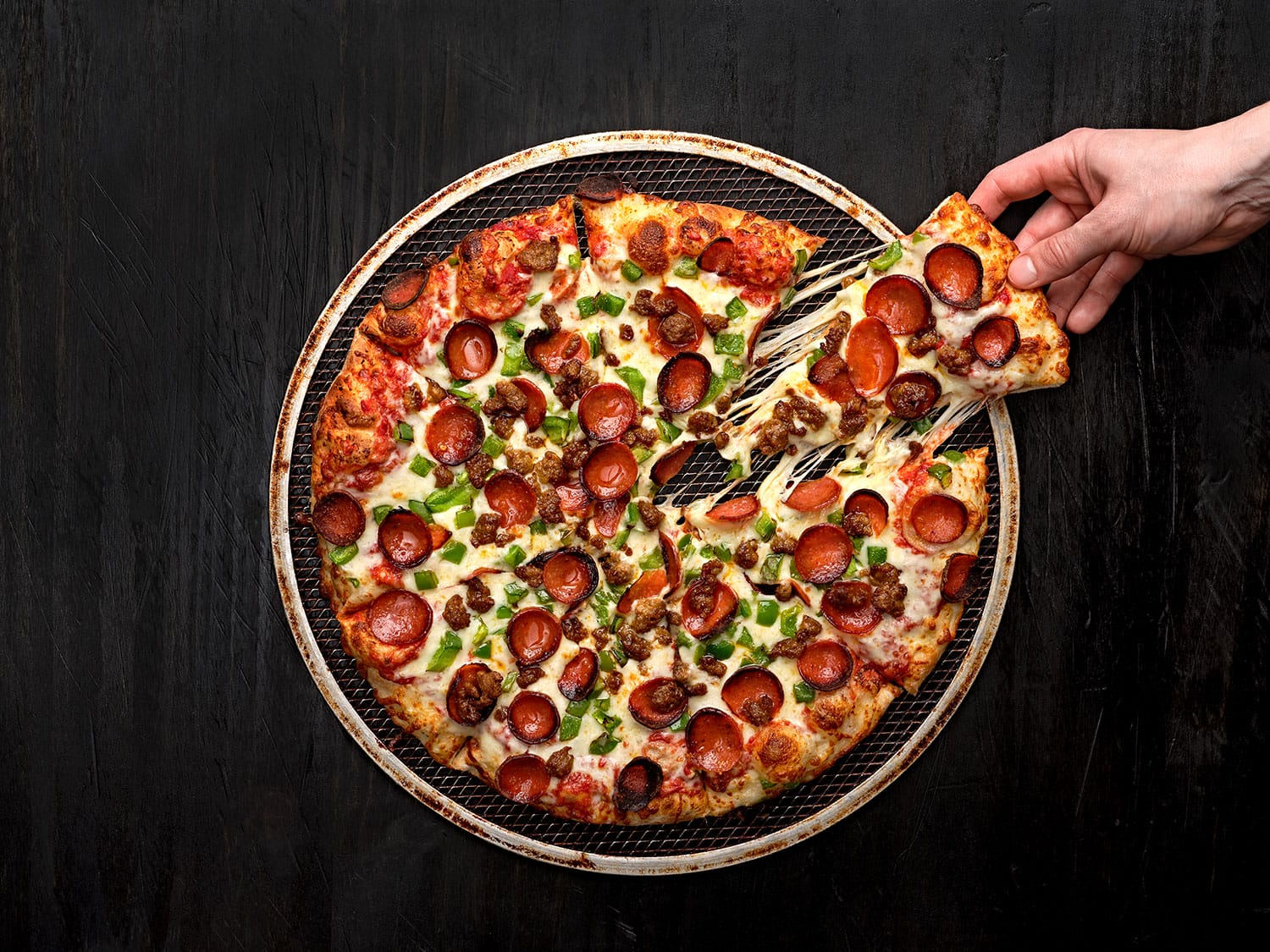
Meat toppings boost pizza’s protein content greatly. Pepperoni adds flavor and about 5 grams of protein per slice. Sausage is rich in protein but may contain more fat. Chicken is a lean protein choice with high protein and fewer calories. Bacon adds protein but also more sodium and fat. Meat toppings make pizza a more protein-packed meal.
Protein Amounts In Slices
The protein in pizza slices varies by toppings and size. A plain cheese slice usually has 8 to 12 grams of protein. Adding meat can raise protein to 12 to 20 grams per slice. Two slices of meat and cheese pizza might provide nearly one-third of daily protein needs. Knowing protein amounts helps balance meals and meet nutrition goals.
Credit: greenlanternpizza.com
Enhancing Protein Benefits
Enhancing the protein benefits of pizza can make your meal more nutritious. Protein supports muscle repair and keeps you full longer. Choosing the right ingredients boosts these benefits without extra calories or fat.
Simple changes to your pizza toppings and sides improve protein quality and overall health. This helps balance taste and nutrition for a satisfying meal.
Choosing Lean Proteins
Lean proteins add muscle-friendly nutrients without too much fat. Options like grilled chicken, turkey, or seafood work well. These choices provide high protein with fewer calories. Avoid processed meats like pepperoni or sausage often high in saturated fat. Lean proteins keep your pizza healthier and support your fitness goals.
Adding Vegetables For Balance
Vegetables add fiber, vitamins, and minerals to your pizza. Spinach, bell peppers, mushrooms, and tomatoes are tasty options. They help balance the meal by improving digestion. Vegetables lower the calorie density but keep you full. Adding veggies also helps reduce the need for extra cheese or fatty toppings.
Pairing With Other Foods
Pair pizza with a side salad or fresh fruit to complete your meal. These foods add nutrients and fiber that pizza might lack. Drinking water or unsweetened tea helps digestion and hydration. Avoid sugary drinks that add empty calories. Thoughtful pairing improves nutrient absorption and keeps your protein intake effective.
Balancing Pizza In Diet
Balancing pizza in your diet means enjoying it without harming your nutrition goals. Pizza has protein and other nutrients but also calories and fats. Eating pizza wisely helps keep your diet healthy and satisfying.
Focus on how much you eat, how often, and what kind of pizza you choose. This approach keeps your meals balanced and supports your protein intake.
Managing Calories And Fats
Pizza can be high in calories and fats, especially from cheese and processed meats. Choose pizzas with lean meats like chicken or add vegetables to lower fat content. Thin crust options reduce calories compared to thick crusts. Avoid extra cheese to control saturated fat. Balancing these factors helps keep calories and fats in check.
Portion Control Tips
Eating two slices instead of four cuts calorie intake in half. Use smaller plates to help control portions. Pair pizza with a side salad or steamed vegetables to fill up with fewer calories. Listen to hunger cues and stop eating when full. Portion control makes pizza fit better in a healthy diet.
Frequency Of Consumption
Limit pizza to once or twice a week to avoid excessive calorie and fat intake. Frequent consumption can add unwanted weight or affect heart health. Balance pizza meals with protein-rich foods like beans, fish, or lean meat on other days. Spacing out pizza keeps your diet varied and nutrient-rich.
Pizza And Muscle Growth
Pizza often gets a bad reputation among fitness fans. Yet, it can support muscle growth if chosen wisely. The key is in understanding its protein content and how it fits in your diet. Protein helps repair muscles after workouts. Pizza toppings like cheese and meats add valuable protein. Balancing pizza with other nutritious foods can make it part of your muscle-building plan.
Protein’s Role In Muscle Repair
Protein is essential for fixing tiny muscle tears from exercise. It helps muscles get stronger and bigger. Eating enough protein daily supports faster recovery. Without enough protein, muscle growth slows down. Foods rich in protein provide building blocks called amino acids. These are crucial for muscle repair and growth.
Pizza Within Muscle-building Diets
Pizza can provide good protein, especially with meat and cheese toppings. Two slices may offer a third of your daily protein needs. Choose lean meats like chicken to reduce unhealthy fats. Adding vegetables can increase vitamins and fiber. Keep portion sizes in check to avoid excess calories. Pizza should be one part of a balanced muscle-building diet.
Combining Pizza With Workout Nutrition
Enjoy pizza after workouts to help muscle recovery. Pair it with a side salad for extra nutrients. Drink water to stay hydrated and aid digestion. Avoid eating pizza alone as the main protein source. Include other protein-rich meals throughout the day. This balance ensures your muscles get all nutrients needed for growth.
Healthier Pizza Choices
Choosing healthier pizza options can boost your protein intake without sacrificing taste. Small changes in ingredients improve nutrition and support a balanced diet. Focus on crust, meats, and toppings to make smarter pizza choices. These choices help maintain energy and build muscle effectively.
Selecting Whole Grain Crusts
Whole grain crusts offer more fiber and nutrients than regular crusts. They help digestion and keep you full longer. Whole grains contain vitamins that support overall health. Choosing whole grain crust adds complex carbohydrates for steady energy. This crust option pairs well with protein-rich toppings.
Limiting Processed Meats
Processed meats like pepperoni and sausage have high sodium and unhealthy fats. Eating too much increases health risks. Opt for lean proteins like grilled chicken or turkey instead. These meats provide quality protein with less saturated fat. Limiting processed meats keeps your pizza healthier and supports muscle growth.
Incorporating Nutrient-rich Toppings
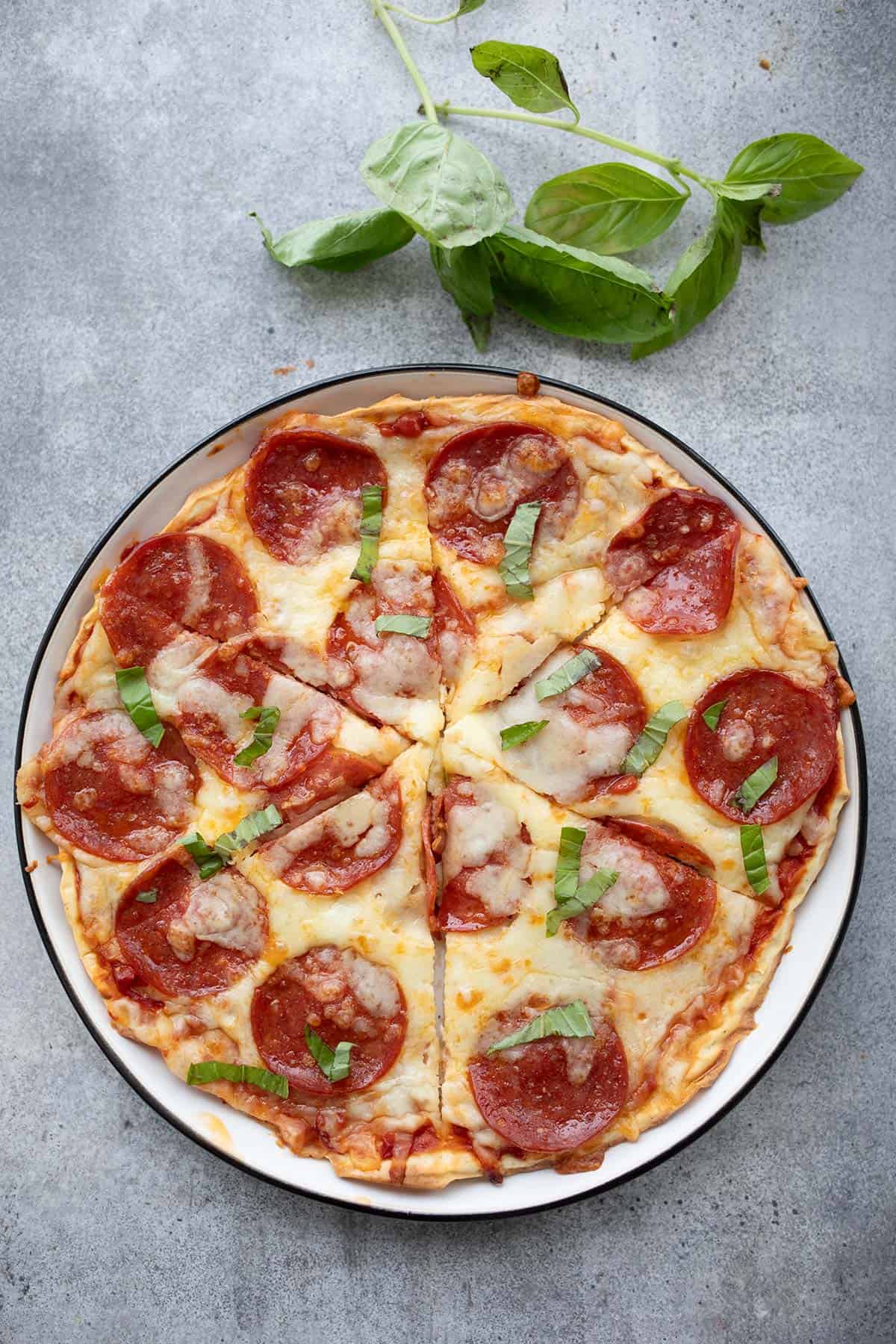
Add vegetables such as spinach, peppers, and mushrooms for extra vitamins and fiber. These toppings enhance flavor and add antioxidants. Using nutrient-rich toppings balances the meal and supports overall wellness. Combine veggies with lean proteins for a powerful protein and nutrient boost. This mix makes your pizza both tasty and nourishing.
Credit: alldayidreamaboutfood.com
Frequently Asked Questions
Is Pizza A Good Source Of Protein?
Yes, pizza provides protein mainly from cheese and meat toppings. Two slices can supply about one-third of daily protein needs. Choose lean meats and add vegetables for healthier protein. Balance pizza with other nutrient-rich foods to maintain a healthy diet.
Is 2 Slices Of Pizza Too Much?
Two slices of pizza are generally a reasonable portion and not too much. They provide protein and nutrients but watch calories and fat. Balance with vegetables and lean proteins for a healthier meal. Portion size and your diet goals affect if two slices fit well.
Can I Eat Pizza If I’m Trying To Build Muscle?
Yes, you can eat pizza while building muscle. Choose pizzas with lean protein toppings and moderate portions. Balance it with vegetables and other protein-rich foods to support muscle growth.
Is Pizza Ok For Losing Weight?
Pizza can fit into a weight loss plan if eaten in moderation. Choose smaller portions and add vegetables. Opt for lean protein toppings and avoid excessive cheese or processed meats. Balance pizza with a healthy overall diet to manage calorie intake effectively.
Conclusion
Pizza can provide a good amount of protein, especially with cheese and meat toppings. Choosing lean meats and adding vegetables makes it healthier. Remember to watch portion sizes to avoid too many calories. Pair pizza with a salad or other protein-rich foods for balance.
Enjoy pizza as part of a varied diet. It fits well into a healthy lifestyle when eaten in moderation. Simple choices help you get protein without overdoing fats or sodium. Keep your meals balanced and enjoy your favorite foods smartly.
As the author of the “Ultimate Pizza Guide: Recipes, Tips & Secrets Revealed,” I’m dedicated to sharing my love for pizza and empowering others to create delicious homemade pizzas with ease. Join me on a journey to uncover the secrets to perfecting your pizza game!