When you think about pizza, you probably imagine a delicious, cheesy slice that’s hard to resist. But have you ever stopped to consider how much you’re actually eating?
Pizza and portion awareness go hand in hand if you want to enjoy your favorite food without feeling guilty or overdoing it. By paying attention to how much pizza you put on your plate, you can still satisfy your cravings while maintaining a healthy balance.
You’ll discover simple tips to control your portions, avoid common pitfalls, and make every slice count—so you can enjoy pizza night without the worry. Ready to take control and still enjoy your pizza? Let’s dive in.
Pizza And Health
Pizza is a popular food loved by many. It offers great taste but can pose health challenges. Understanding how pizza affects health helps make better choices. Portion awareness plays a key role in balancing enjoyment and nutrition.
Eating pizza in moderation and knowing its ingredients can support a healthier lifestyle. Let’s explore the main health aspects related to pizza.
Nutritional Challenges Of Pizza
Pizza often contains high amounts of cheese and processed meats. These add calories and saturated fat to the meal. The crust is usually made from refined flour, which lacks fiber. This can cause a quick rise in blood sugar levels. Many pizzas also have a lot of added salt and sugar. These factors make pizza less ideal for regular consumption.
Calories, Fat, And Sodium Concerns
A single slice of pizza can have 250 to 350 calories or more. Eating multiple slices increases calorie intake quickly. High fat content, especially saturated fat, can raise cholesterol levels. Sodium in pizza is often very high, increasing the risk of high blood pressure. Monitoring portion sizes can reduce these risks and help control daily intake.
Processed Ingredients Impact
Many pizzas use processed meats like pepperoni and sausage. These contain preservatives and chemicals that may harm health. Processed cheese can have added fats and sodium. Some sauces include added sugars and artificial additives. Choosing fresh toppings and whole grain crusts can improve pizza’s nutritional value.
Portion Size Basics
Understanding portion size basics helps control how much pizza you eat. It guides you to enjoy pizza without overeating. This knowledge supports balanced eating habits and better health.
Many people confuse portion size with serving size. Learning the difference can improve your eating choices and prevent excess calorie intake.
Portion Vs Serving Size
Portion size is the amount of food you choose to eat. Serving size is a standard amount suggested on food labels. For pizza, one serving might be one or two slices. Your portion could be more or less than that. Knowing this helps you avoid eating too much by mistake.
Visual Portion Cues
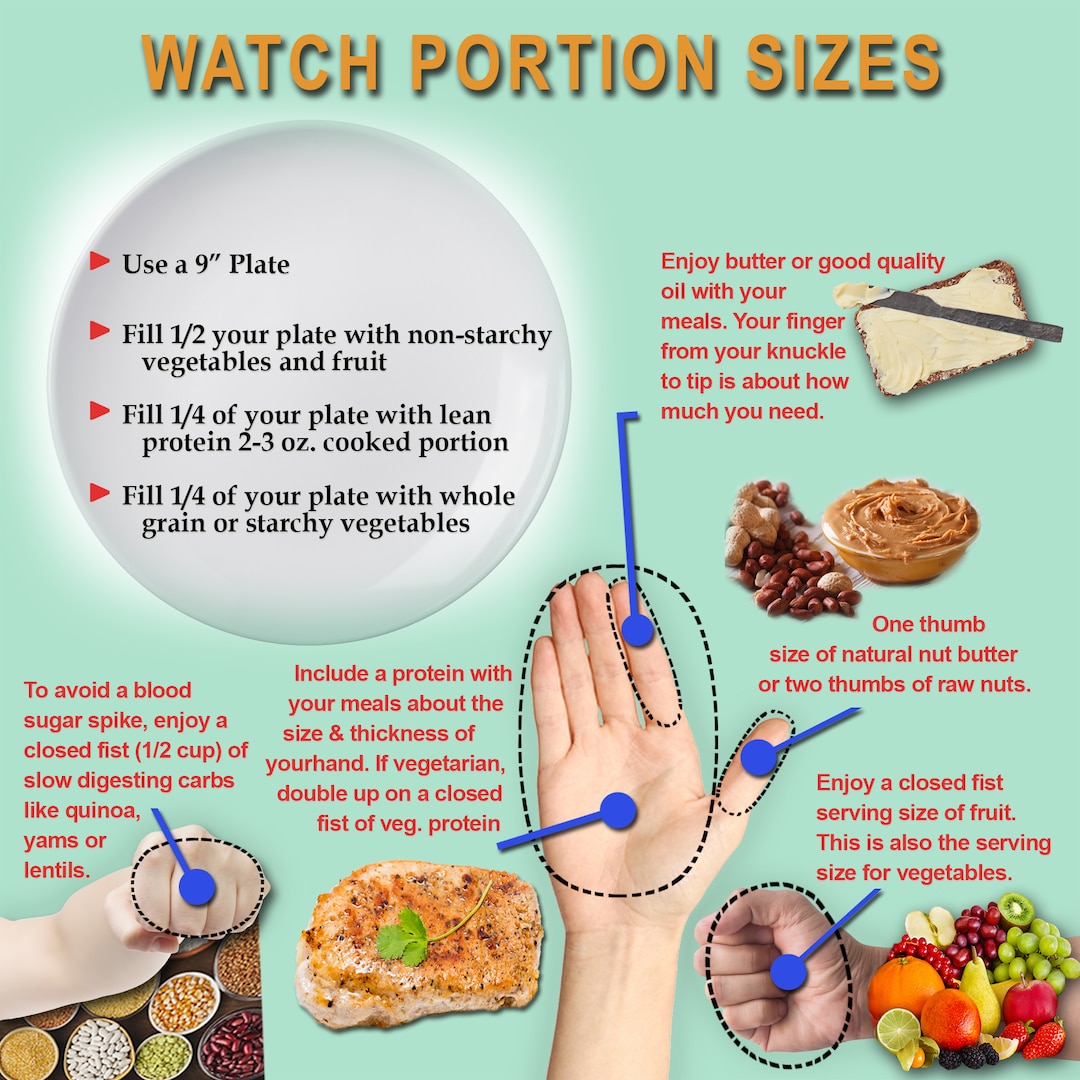
Visual cues help estimate portion sizes without measuring tools. A slice of pizza is often about the size of your hand. Using common objects like a deck of cards or a baseball can also help. These cues make it easier to control how much pizza you eat.
Hand Measurement Technique
Your hand can measure food portions anytime, anywhere. For pizza, use your palm to estimate a slice size. Your fist can represent a cup of vegetables or salad. This simple technique helps keep portions in check without extra tools.
Smart Slicing Strategies
Smart slicing strategies help keep pizza portions balanced and consistent. These methods improve portion control and reduce food waste. They also ensure each slice delivers the right amount of toppings and flavor. Proper slicing supports healthier eating habits without losing the joy of pizza.
Measuring Ingredients Consistently
Use measuring tools for dough, sauce, and cheese every time. Consistent ingredient amounts keep portion sizes steady. This practice helps control calories and costs. It also ensures customers get the same great taste with each pizza.
Standardizing Slice Sizes
Cut pizzas into equal slices using a guide or cutter. Standard slice sizes help people judge their portions better. This method prevents oversized slices that add unwanted calories. It also makes serving easier and more professional.
Controlling Toppings Amount
Limit toppings to set amounts on each slice. Too many toppings can increase calories and make slices uneven. Measure toppings like pepperoni, vegetables, or cheese carefully. This control keeps each slice balanced and satisfying without extra calories.

Credit: www.lakeshorelearning.com
Mindful Eating Tips
Mindful eating helps you enjoy pizza without overeating. It teaches awareness of how much and why you eat. This approach improves portion control and satisfaction with smaller amounts.
Here are simple tips to eat pizza mindfully. These ideas help you balance pleasure with healthy habits.
Recognizing Portion Distortion
Portion sizes have grown over the years. What looks like a normal slice may be much larger than before. Understanding true portion sizes helps avoid eating too much.
Use your hand as a guide. A single pizza slice should be about the size of your palm. This visual trick keeps portions in check.
Slowing Down While Eating
Eating too fast can lead to overeating. Your brain needs time to register fullness. Take small bites and chew thoroughly.
Put your fork down between bites. This helps you savor each flavor and notice when you feel satisfied. Slower eating reduces the chance of eating past fullness.
Listening To Hunger Signals
Pay attention to your body’s hunger and fullness cues. Eat when you feel hungry, not just out of habit or boredom. Stop eating when you feel comfortably full.
Ask yourself if you really want more or if you are eating just because the pizza is there. This awareness prevents unnecessary extra slices.
Balancing Pizza Nights
Pizza nights bring joy and comfort to many homes. Balancing these nights with healthy habits helps enjoy pizza without guilt. Controlling portions and making smart choices keeps meals satisfying and nutritious. Here are ways to balance pizza nights effectively.
Pairing With Healthy Sides
Choose fresh vegetables as sides to add fiber and vitamins. A simple salad with leafy greens complements pizza well. Roasted or steamed veggies also work to fill you up. These sides add nutrients and help reduce pizza intake naturally.
Limiting Frequency And Quantity
Enjoy pizza only once or twice a week to maintain balance. Eat smaller slices and avoid overeating in one sitting. Share large pizzas with family or friends to control portions. This habit helps manage calorie intake without missing out on flavor.
Hydration And Beverage Choices
Drink water before and during your pizza meal to stay hydrated. Avoid sugary sodas and high-calorie drinks that add empty calories. Herbal teas or sparkling water with lemon offer refreshing options. Proper hydration supports digestion and overall health.
Credit: www.jbsa.mil
Portion Control Benefits
Portion control offers many benefits beyond just managing how much pizza you eat. It helps create balance in your meals and supports healthier eating habits. Understanding portion sizes can improve your relationship with food. It also plays a key role in reducing waste and saving money in food businesses.
Supporting Weight Management
Controlling portions helps avoid overeating. Eating the right amount of pizza keeps calorie intake in check. This makes it easier to maintain or lose weight. Smaller portions encourage mindful eating and satisfaction with less food. It reduces the risk of health problems related to excess weight.
Reducing Food Waste
Serving proper pizza portions cuts down leftover food. Less waste means less thrown away pizza. This helps protect the environment by lowering food waste. It also promotes respect for food and resources. Carefully measured portions ensure customers get just enough to enjoy.
Lowering Inventory Costs
Portion control helps pizzerias manage ingredients efficiently. Using exact amounts reduces unnecessary food purchases. This lowers overall inventory costs and increases profits. It also supports consistent pizza quality every time. Proper portioning avoids ingredient shortages and spoilage.
Tools For Portion Awareness
Controlling pizza portions can help balance taste and health. Tools for portion awareness make this task simple. They guide how much dough, sauce, cheese, and toppings to use. Using these tools reduces waste and keeps pizza enjoyable without overeating.
Using Measuring Cups And Scales
Measuring cups and kitchen scales ensure consistent pizza portions. Weigh dough balls to keep crust size uniform. Measure sauce and cheese to avoid extra calories. This method helps maintain pizza quality and controls ingredient costs.
Pre-portioned Ingredients
Pre-portioned ingredients save time and improve accuracy. Buy cheese, pepperoni, and vegetables in fixed amounts. This prevents overloading the pizza with toppings. It also helps track nutritional information better for each slice.
Visual Guides And Apps
Visual guides show portion sizes with simple images. Apps use photos and timers for precise ingredient amounts. These digital tools make portion control easy to follow. They suit beginners and professionals in the kitchen alike.

Credit: www.gloverparkbrewery.com
Frequently Asked Questions
How To Portion Control Pizza?
Control pizza portions by slicing into smaller pieces and limiting yourself to 1-2 slices. Pair with a salad to feel fuller.
Who Ate 83 Slices Of A 10 Pizza In 10 Minutes?
Geoffrey Esper ate 83 slices of 10 pizzas in 10 minutes. He is a competitive eater known for this record.
Does Portion Control Really Work?
Portion control works by limiting food intake, helping reduce calorie consumption and support weight loss goals effectively.
What Are Three Reasons Pizza Is Unhealthy?
Pizza is unhealthy due to high calories, excessive saturated fat, and large amounts of sodium. Processed ingredients also reduce its nutritional value.
Conclusion
Eating pizza can fit into a balanced diet with portion awareness. Choose smaller slices or share with friends to avoid overeating. Pay attention to toppings and try adding vegetables for nutrition. Drinking water helps you feel full and enjoy your meal more.
Remember, enjoying pizza in moderation supports healthy habits. Small changes make a big difference over time. Keep portion sizes in check to stay satisfied and healthy.
As the author of the “Ultimate Pizza Guide: Recipes, Tips & Secrets Revealed,” I’m dedicated to sharing my love for pizza and empowering others to create delicious homemade pizzas with ease. Join me on a journey to uncover the secrets to perfecting your pizza game!