You love pizza — who doesn’t? But have you ever stopped to wonder what pizza really does to your body and your metabolic health?
Whether you grab a slice after work or enjoy a full pie on the weekend, understanding how pizza affects your metabolism can help you make smarter choices without giving up your favorite comfort food. You’ll discover the surprising benefits pizza offers, the hidden risks it might pose, and simple tweaks you can make to keep your metabolism happy and healthy.
Ready to see how pizza fits into your wellness journey? Keep reading to unlock the facts that can change the way you enjoy every bite.

Credit: www.webpronews.com
Pizza’s Nutritional Profile
Pizza combines various ingredients that contribute to its unique nutritional profile. Understanding this profile helps evaluate pizza’s impact on metabolic health. Each component offers nutrients that support body functions. Some parts provide antioxidants and minerals essential for well-being. Balancing pizza choices can enhance its benefits while reducing health risks.
Key Nutrients In Pizza
Pizza contains protein from cheese and meat toppings. Protein supports muscle repair and growth. The dough provides carbohydrates for energy. Some pizzas include vegetables, adding fiber and vitamins. Fiber improves digestion and helps control blood sugar. B vitamins in pizza aid metabolism and energy production. Iron from meats supports oxygen transport in the blood. Overall, pizza offers a mix of macronutrients and micronutrients.
Role Of Tomato Sauce And Lycopene
Tomato sauce is a key pizza ingredient rich in lycopene. Lycopene is a powerful antioxidant that protects cells from damage. It may reduce the risk of heart disease. Cooking tomatoes increases lycopene absorption in the body. Tomato sauce also contains vitamin C, boosting immune health. These compounds help lower inflammation and improve cholesterol levels. Including tomato sauce adds valuable nutrients beyond flavor.
Cheese And Bone Health Benefits
Cheese is a major source of calcium, vital for strong bones. It also provides zinc and magnesium, which support bone density. These minerals help prevent osteoporosis and fractures. Protein in cheese aids muscle health, indirectly supporting bones. Cheese contains vitamin D in small amounts, enhancing calcium absorption. Eating cheese in moderation can contribute to maintaining healthy bones. Choose lower-fat options to reduce saturated fat intake.

Credit: www.news-medical.net
Benefits For Metabolic Health
Pizza can offer several benefits for metabolic health when chosen wisely. It provides nutrients that support key body functions. Balanced ingredients help maintain energy and overall well-being.
Understanding these benefits helps make smarter pizza choices. This supports a healthier metabolism and body function.
Protein And Muscle Support
Pizza contains protein from cheese and lean meats. Protein helps build and repair muscles. It also supports healthy hair and nails. Eating enough protein aids in maintaining muscle mass. This is important for a strong metabolism and physical activity.
Antioxidants And Heart Health
Tomato sauce in pizza is rich in lycopene, an antioxidant. Lycopene helps lower the risk of heart disease. It also improves cholesterol levels. Cheese adds calcium, zinc, and magnesium for strong bones. These minerals support heart and bone health. Antioxidants protect cells from damage caused by free radicals.
Mood Enhancement And Social Effects
Eating pizza can boost dopamine, a feel-good chemical in the brain. This improves mood and helps reduce stress. Sharing pizza encourages social bonding and relaxation. Positive social interactions support mental health. Good mood and social life contribute to better metabolic health.
Health Risks Of Regular Pizza Consumption
Eating pizza often can affect your metabolic health in several ways. It may increase the risk of various health problems. Understanding these risks helps in making better food choices. Regular pizza consumption often means high intake of calories, fats, and additives. These factors can harm your body over time.
High Calories And Weight Gain
Pizza contains many calories from cheese, dough, and toppings. Eating it frequently can lead to excess calorie intake. Excess calories turn into fat stored in the body. This causes weight gain and may lead to obesity. Obesity increases the risk of diabetes and other health issues.
Saturated Fats And Cardiovascular Concerns
Pizza often has high levels of saturated fats from cheese and processed meats. Saturated fats can raise bad cholesterol in the blood. High cholesterol increases the chance of heart disease and stroke. Regular consumption of these fats strains the heart and blood vessels. This raises blood pressure and harms cardiovascular health.
Digestive Issues And Food Sensitivities
Many pizzas contain gluten and lactose, which can cause digestive problems. People with gluten sensitivity may feel bloated or have stomach pain. Lactose intolerance can lead to diarrhea and discomfort after eating pizza. Some ingredients in pizza may trigger food allergies or sensitivities. These issues affect nutrient absorption and overall gut health.
Credit: www.glucosense.ai
Making Pizza A Healthier Choice
Pizza can be part of a healthy diet with simple changes. Making smarter pizza choices helps support metabolic health. Small swaps improve nutrition without losing great taste.
Focus on balanced ingredients that provide fiber, protein, and vitamins. Control calories and reduce unhealthy fats to keep energy steady. These tips help you enjoy pizza while caring for your body.
Choosing Better Crust Options
Pick whole-grain crusts for extra fiber and nutrients. Cauliflower crusts offer low carbs and more vitamins. Thin crusts cut calories and reduce refined carbs. Avoid stuffed or deep-dish crusts that add fat and calories.
Adding More Vegetables
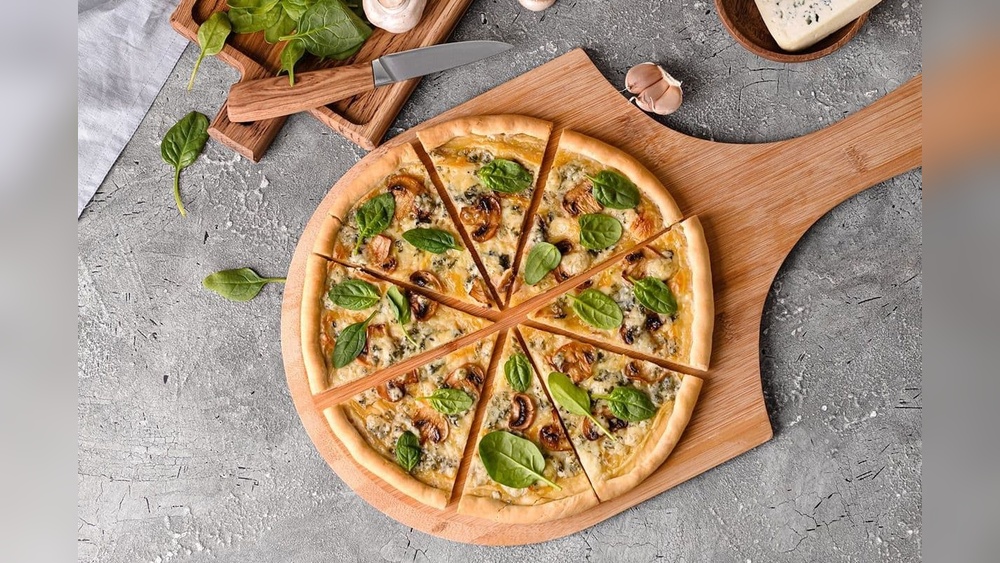
Load pizza with colorful vegetables like spinach, peppers, and mushrooms. Vegetables add fiber, vitamins, and antioxidants. They help digestion and keep blood sugar stable. Extra veggies increase volume without many calories.
Opting For Lean Proteins
Choose grilled chicken, turkey, or seafood over processed meats. Lean proteins support muscle health and keep you full longer. Avoid pepperoni, sausage, or bacon, which are high in saturated fat and sodium. Beans or tofu are good plant-based protein options.
Smart Beverage Pairings
Drink water or unsweetened tea with your pizza. Sugary sodas raise blood sugar and add empty calories. Sparkling water with lemon adds flavor without sugar. Staying hydrated helps digestion and maintains energy.
Including Fiber-rich Sides
Serve a side salad or steamed vegetables with pizza. Fiber slows digestion and improves gut health. It helps control appetite and blood sugar levels. Avoid fries or heavy sides that add unhealthy fats and calories.
Effects Of Weekly Pizza Intake
Eating pizza once a week can affect your metabolic health in many ways. The impact depends on the type of pizza and portion size. Regular intake might change your energy, heart health, and digestion. Understanding these effects helps you make better food choices without giving up your favorite meal.
Impact On Energy Levels
Pizza provides quick energy from carbohydrates and fats. Some pizzas have high calories and fat, which may cause sluggishness after eating. Choosing pizzas with whole grains and veggies can give steady energy. Protein in cheese and toppings helps maintain muscle strength and supports daily activity.
Long-term Heart Health Considerations
Frequent pizza with processed meats and extra cheese can raise cholesterol. High sodium content may increase blood pressure over time. Tomato sauce contains lycopene, an antioxidant that supports heart health. Opting for pizzas with lean meats and more vegetables can reduce heart risks.
Potential Gut Reactions
Some people may feel bloated or uncomfortable after eating pizza. Ingredients like gluten and lactose can cause digestive issues for sensitive individuals. Adding fiber-rich vegetables can improve digestion. Drinking water helps prevent heaviness and supports gut health.
Pizza And Weight Management
Pizza is a popular food enjoyed by many worldwide. It often gets a bad reputation in weight management discussions. Yet, understanding how pizza fits into your diet matters. The key lies in balancing portions and ingredients. Eating pizza does not automatically lead to weight gain. Choices about toppings and crust make a difference. Let’s explore how pizza relates to managing body weight effectively.
Calorie Counting Vs. Food Quality
Counting calories helps control weight by limiting intake. Pizza calories vary greatly based on size and toppings. A large pizza with extra cheese packs many calories. Quality of food impacts metabolism and fullness too. Whole grain crusts digest slower than refined ones. Fresh vegetables add fiber and nutrients with fewer calories. Lean protein toppings provide satiety and muscle support. Focusing only on calories misses the benefit of nutrient-rich ingredients. Better quality food often means better weight control.
Balancing Pizza In A Healthy Diet
Include pizza as part of a balanced meal plan. Pair pizza slices with a fresh salad to increase fiber. Limit high-fat meats like pepperoni or sausage. Choose grilled chicken or vegetables instead. Control portion size to avoid excess calories. Drinking water helps digestion and reduces overeating. Planning pizza nights can prevent spontaneous overeating. This balance supports weight management and enjoyment. Pizza can fit into a healthy lifestyle with smart choices.
Why Pizza Makes You Feel Good
Pizza often brings a warm feeling of happiness and satisfaction. Its rich flavors and textures create a sense of joy. This feeling has a biological and emotional basis. Understanding why pizza makes you feel good helps explain its popularity.
Dopamine Release And Pleasure
Eating pizza triggers the release of dopamine in the brain. Dopamine is a chemical linked to pleasure and reward. This release makes you feel happy and satisfied. The combination of cheese, sauce, and dough stimulates this effect. It activates pleasure centers in the brain quickly. This reaction encourages you to enjoy pizza again and again.
Comfort Food And Emotional Well-being
Pizza is often seen as comfort food. It reminds many people of family, friends, and good times. This emotional connection adds to the pleasure of eating it. Comfort foods help reduce stress and anxiety. They offer a sense of security and warmth. This emotional boost can improve your overall mood and well-being.
Frequently Asked Questions
What Does Pizza Do To Your Body?
Pizza provides protein, calcium, and antioxidants that support bones, muscles, and heart health. It can raise calories, sodium, and saturated fats, risking weight gain and high blood pressure. Choosing whole-grain crusts, lean meats, and vegetables makes pizza healthier and easier on your body.
Is It Okay To Eat Pizza While Trying To Lose Weight?
Eating pizza in moderation can fit a weight loss plan. Choose whole-grain crust, lean proteins, and plenty of veggies. Avoid high-calorie, processed toppings to prevent weight gain. Balance pizza with healthy sides and control portion sizes to maintain metabolic health while enjoying your favorite meal.
Why Do I Feel So Good After Eating Pizza?
Eating pizza boosts dopamine, improving mood and relaxation. Its cheese and tomato sauce provide calcium and antioxidants, enhancing well-being. The combination of flavors and social enjoyment also lifts spirits, making you feel good after eating pizza.
Why Do Bodybuilders Eat Pizza?
Bodybuilders eat pizza to enjoy a tasty, calorie-dense meal that supports muscle growth and recovery. They choose healthier toppings for balanced nutrition.
Conclusion
Pizza can impact metabolic health in both positive and negative ways. Choosing healthier toppings and crusts improves nutrition. Eating pizza occasionally fits into a balanced diet well. Watching portions helps prevent weight gain and heart issues. Adding vegetables and lean proteins boosts vitamins and minerals.
Staying mindful of ingredients supports better digestion and energy. Enjoy pizza as part of a varied, healthy lifestyle. Small changes make a big difference over time.

As the author of the “Ultimate Pizza Guide: Recipes, Tips & Secrets Revealed,” I’m dedicated to sharing my love for pizza and empowering others to create delicious homemade pizzas with ease. Join me on a journey to uncover the secrets to perfecting your pizza game!