If you love pizza, you might wonder how it affects your blood sugar and insulin levels. Pizza isn’t just delicious—it’s a complex mix of carbs, fats, and proteins that can cause unexpected changes in your body.
When you eat pizza, your insulin response can be tricky, with blood sugar sometimes spiking twice in different ways. Understanding this can help you enjoy your favorite slice without the stress of unpredictable blood sugar swings. You’ll discover why pizza impacts insulin the way it does and practical tips to manage your blood sugar better.
Ready to take control while still enjoying pizza? Let’s dive in.
Credit: medicalxpress.com
Pizza And Insulin Spike
Pizza is a popular food that often causes a noticeable insulin spike. This happens because pizza contains several ingredients that affect blood sugar in different ways. Understanding these effects can help manage insulin response better.
Carbohydrate Impact From Crust
The crust is the main source of carbohydrates in pizza. Most crusts are made from refined white flour. This type of flour breaks down quickly into sugar in the body. It causes a fast and sharp increase in blood glucose levels. This rapid rise triggers the pancreas to release insulin quickly.
Fat And Protein Effects
Cheese and meat toppings add fat and protein to pizza. Fat and protein slow down digestion and sugar absorption. This delays the rise in blood sugar after the initial spike. It can also cause a second, longer-lasting increase in blood glucose. This makes insulin levels rise again later.
Two-phase Blood Sugar Response
Eating pizza often leads to a two-phase blood sugar response. First, the carbs cause a quick spike in blood sugar. Then, fat and protein cause a delayed, slower rise. This two-step effect makes controlling blood sugar more challenging. People with diabetes need to be careful with insulin doses after pizza.
Blood Sugar Challenges
Managing blood sugar after eating pizza presents unique challenges. Pizza combines high carbs with fats and proteins. This mix leads to complex blood sugar patterns. Understanding these patterns helps with better insulin management. The blood sugar response usually happens in two phases. Each phase creates different challenges for people, especially those with diabetes.
Initial Glucose Surge
The crust of the pizza is mostly refined flour. This breaks down quickly into glucose. Blood sugar rises sharply soon after eating. This fast spike can be hard to predict. It often requires a quick insulin response. The immediate rise demands careful timing of insulin doses.
Delayed Sugar Rise
Cheese and meats on pizza are high in fat and protein. These nutrients slow digestion at first. Hours after the meal, blood sugar rises again. This delayed increase lasts longer than the first. It makes managing blood sugar tricky. The two-phase rise confuses usual insulin schedules.
Insulin Dosing Difficulties
Balancing insulin doses with pizza is complex. The early spike needs rapid insulin action. The late rise calls for extended insulin coverage. Standard insulin doses may cause lows or highs. People often need special dosing methods. Using extended or dual-wave boluses helps control blood sugar better.
Managing Blood Sugar With Pizza
Managing blood sugar levels after eating pizza requires smart choices and careful planning. Pizza can cause blood sugar to rise quickly due to its high carbohydrate content and fat. Understanding how to balance these effects helps keep insulin response steady. This section offers practical tips to enjoy pizza while managing blood sugar effectively.
Choosing Healthier Crust Options
Opt for crusts made from whole grains or vegetables. Whole wheat crusts contain more fiber, which slows sugar absorption. Cauliflower crusts have fewer carbs and lower glycemic impact. Thin crust pizza reduces overall carbohydrate intake. Avoid thick, white flour crusts that spike blood sugar rapidly.
Adding Vegetables And Lean Proteins
Load pizza with vegetables like peppers, spinach, and mushrooms. Vegetables add fiber and nutrients, helping slow sugar absorption. Choose lean proteins such as grilled chicken or tofu. Protein slows digestion and prevents sharp blood sugar spikes. Avoid processed meats high in fat and sodium.
Portion Control Strategies
Limit pizza intake to one or two small slices. Smaller portions reduce carbohydrate load and ease insulin management. Pair pizza with a side salad or broth-based soup to feel full. Avoid eating large meals with multiple slices at once. Use smaller plates to help control portion sizes.
Meal Timing Tips
Eat pizza earlier in the day when insulin sensitivity is higher. Morning or lunchtime meals allow more time for blood sugar regulation. Avoid eating pizza late at night when activity levels drop. Space meals evenly to prevent blood sugar spikes. Plan your meals to match your daily routine.
Physical Activity After Eating
Take a short walk after eating pizza to help lower blood sugar. Physical activity increases insulin sensitivity and glucose use. Even 10 to 15 minutes of movement can reduce blood sugar spikes. Avoid sitting or lying down immediately after meals. Make walking a habit to improve overall blood sugar control.
Adjusting Insulin Delivery
Work with your healthcare provider to adjust insulin doses for pizza meals. Use extended or dual-wave insulin boluses to cover delayed blood sugar rises. Monitor blood sugar closely after eating to fine-tune insulin delivery. Avoid giving all insulin at once to reduce lows. Tailor insulin to your meal’s carbohydrate, fat, and protein content.
Credit: medicalxpress.com
Reactive Hypoglycemia And Pizza
Reactive hypoglycemia is a drop in blood sugar after eating, often within hours. Pizza can cause this because of its unique mix of carbs, fats, and proteins. This combination affects how your body releases insulin and processes sugar.
Understanding why blood sugar drops after eating pizza helps manage symptoms better. It also explains the body’s insulin response to this popular food.
Causes Of Blood Sugar Drop
Pizza’s white crust digests quickly, raising blood sugar fast. This causes the pancreas to release a large amount of insulin. The insulin lowers blood sugar, sometimes too much, leading to a drop below normal levels.
High fat and protein in cheese and toppings slow digestion. This delay causes insulin to stay active longer, increasing the risk of reactive hypoglycemia. The body’s insulin response can become out of balance.
Symptoms And Effects
Symptoms include shakiness, sweating, dizziness, and hunger. Some people feel tired or weak soon after eating pizza. These effects occur because the brain lacks enough glucose to function well.
Severe drops in blood sugar can cause confusion or difficulty concentrating. Recognizing symptoms early helps avoid more serious problems. Eating balanced meals and monitoring portions may reduce risks.
Possible Mechanisms
The rapid rise in blood sugar triggers a strong insulin release. This insulin rush can overshoot, lowering glucose too far. Fat and protein slow digestion, causing a second insulin effect later.
Another factor is delayed gastric emptying due to fat content. This means sugar enters the bloodstream unevenly, confusing the body’s insulin timing. The mismatch creates fluctuations in blood sugar.
Some people have a more sensitive insulin response, increasing hypoglycemia risk. Individual metabolism and pancreas function play key roles. Careful meal planning can help manage these effects.
Insulin Dosage Considerations
Insulin dosage is critical for managing blood sugar after eating pizza. Pizza’s unique mix of carbohydrates, fats, and proteins affects insulin needs differently. The carbohydrate in the crust causes a quick blood sugar rise. Fat and protein slow digestion, causing a delayed rise hours later. This two-phase effect requires careful insulin planning to avoid highs and lows.
Understanding how to adjust insulin can help keep blood glucose steady. Careful dosing reduces risks and improves comfort after meals.
Estimating Insulin For Pizza
Start by calculating insulin for the crust’s carbohydrates. Use your usual carb-to-insulin ratio. Add insulin for cheese and meat protein, which affect blood sugar slowly. This might mean adding extra insulin beyond carbs alone. Some people increase the total insulin dose by 20-30% for pizza meals. Testing and tracking your response helps refine this estimate over time.
Extended And Dual-wave Boluses
Insulin pumps offer extended or dual-wave boluses. These deliver insulin in parts over several hours. The first part covers the carb spike from the crust. The second part handles the delayed rise from fat and protein. This method mimics the body’s natural insulin response better. It lowers the chance of late high blood sugar after pizza.
Personalized Insulin Management
Everyone’s response to pizza differs. Factors like activity level, pizza type, and individual insulin sensitivity matter. Record your blood sugar before and after pizza meals. Adjust your insulin based on these patterns. Work with your healthcare provider to create a plan. Personalized dosing improves blood sugar control and meal satisfaction.
Alternative Pizza Choices
Choosing alternative pizza options helps control insulin response and blood sugar levels. Traditional pizza crusts made from white flour cause quick blood sugar spikes. Selecting different crusts and toppings can lower these effects while keeping your pizza tasty. Here are some smart alternatives to try for better health.
Whole Wheat And Cauliflower Crusts
Whole wheat crust contains more fiber than white flour. Fiber slows digestion and reduces blood sugar spikes. Cauliflower crust is low in carbs and calories. It offers a vegetable base that is gentle on insulin levels. Both options provide a healthier foundation for your pizza.
Low-carb Toppings
Choose toppings that add protein and fiber but have few carbs. Vegetables like spinach, mushrooms, and peppers add nutrients and fiber. Lean meats such as grilled chicken or turkey supply protein without extra fat. Avoid processed meats with high fat and sodium to keep blood sugar stable.
Balancing Flavor And Nutrition
Use herbs and spices to add flavor without sugar or salt. Fresh basil, oregano, and garlic enhance taste naturally. Opt for moderate cheese amounts to reduce fat intake. Combining nutritious crusts and toppings creates a balanced pizza that supports healthy insulin response.
Scientific Insights
Scientific studies reveal how pizza affects insulin and blood sugar levels. Understanding these effects helps manage diet and health better. Research focuses on how the body reacts after eating pizza, especially in people with insulin resistance or diabetes.
These insights explain the complex blood sugar changes caused by pizza’s unique composition. The combination of carbohydrates, fats, and proteins creates distinct insulin response patterns. Examining the liver’s role and glucose changes after meals adds depth to this topic.
Research On Postprandial Hyperglycemia
Postprandial hyperglycemia means high blood sugar after eating. Pizza often causes this due to its refined crust and toppings. Studies show the initial sugar spike comes from fast-digesting carbs in the crust.
Later, fats and proteins slow digestion, causing a second, prolonged blood sugar rise. This two-phase effect complicates insulin control. Research highlights the need for careful meal planning and insulin dosing.
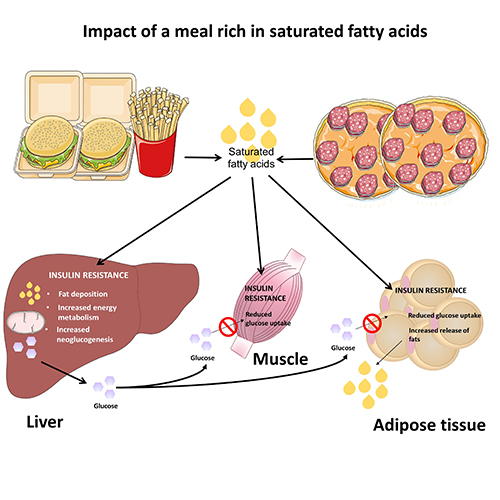
Liver And Insulin Resistance
The liver plays a crucial role in managing blood sugar. It helps store and release glucose based on the body’s needs. In insulin resistance, the liver does not respond well to insulin signals.
This poor response worsens blood sugar control after eating pizza. Studies show that high fat content in pizza can increase liver insulin resistance. This effect adds to the challenges in managing blood glucose levels.
Studies On Glucose Response Patterns
Glucose response patterns vary depending on the food’s ingredients. Research confirms pizza causes a rapid glucose spike, followed by a delayed rise. This pattern differs from simple carbohydrate meals.
Researchers use continuous glucose monitors to track these changes. Results help develop better strategies for insulin use and diet adjustments. Understanding these patterns benefits people managing diabetes or insulin sensitivity.

Credit: www.vively.com.au
Frequently Asked Questions
Does Pizza Spike Insulin?
Yes, pizza spikes insulin due to its high-carb crust causing a quick glucose rise. Fat and protein cause a delayed insulin increase.
Why Does My Blood Sugar Drop After Eating Pizza?
Blood sugar may drop after pizza due to excess insulin release following high-carb intake. This causes reactive hypoglycemia.
What Is A Normal Blood Sugar Level 2 Hours After Eating Pizza?
A normal blood sugar level two hours after eating pizza is typically under 140 mg/dL for non-diabetics. For diabetics, target levels vary but usually stay below 180 mg/dL. Pizza’s high carbs and fats often cause a delayed blood sugar spike requiring careful monitoring.
How Much Insulin For Two Slices Of Pizza?
Insulin for two pizza slices varies by carb count and individual needs. Typically, count carbs, then use your insulin-to-carb ratio. Monitor blood sugar closely due to pizza’s delayed glucose rise. Consult your healthcare provider for precise dosing advice.
Conclusion
Pizza can cause a quick rise in blood sugar and insulin. The crust’s carbs spike glucose fast, while cheese and toppings add a slower, longer effect. Managing this two-step response helps keep blood sugar steady. Choosing healthier crusts, adding vegetables, and controlling portions make a difference.
Moving after eating and adjusting insulin doses also help control spikes. Understanding pizza’s effect helps you enjoy it wisely and stay balanced.

As the author of the “Ultimate Pizza Guide: Recipes, Tips & Secrets Revealed,” I’m dedicated to sharing my love for pizza and empowering others to create delicious homemade pizzas with ease. Join me on a journey to uncover the secrets to perfecting your pizza game!