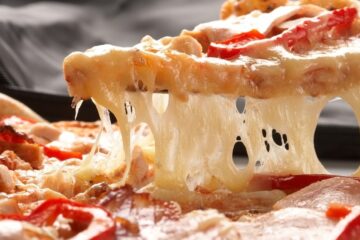
Have you ever finished a delicious slice of pizza only to find yourself reaching for a glass of water, wondering why you suddenly feel so thirsty? You’re not alone.
Many people believe that eating pizza causes dehydration, but is that really true? We’ll bust common myths about pizza and hydration. You’ll learn what really happens inside your body when you enjoy your favorite pie and discover surprising facts that might change the way you think about pizza and thirst forever.
Keep reading to uncover the truth behind these myths and find out how to enjoy pizza without feeling parched afterward!

Credit: www.fasttalklabs.com
Pizza Dough Hydration
Pizza dough hydration plays a key role in how your pizza turns out. It affects the dough’s feel, rise, and final texture. Understanding hydration helps you make better dough for any pizza style. This section breaks down hydration into simple parts.
What Hydration Means
Hydration is the amount of water in the dough compared to flour. It is shown as a percentage. For example, 60% hydration means 60 grams of water per 100 grams of flour. Water helps develop gluten and affects dough workability.
Effects On Dough Texture
Higher hydration makes dough wetter and stickier. This leads to a softer, airier crust. Lower hydration creates a firmer, denser dough. Hydration also changes how the dough stretches and how crispy the crust gets after baking.
Hydration Levels By Pizza Style
Neapolitan pizza dough usually has 60-65% hydration. It creates a soft, bubbly crust. New York-style pizza uses 58-62% hydration for a chewy, thin crust. Sicilian pizza has lower hydration, around 55-58%, for a thick and sturdy base.
Common Hydration Mistakes
Adding too much water makes dough hard to shape and sticky. Too little water results in tough dough that tears easily. Not adjusting hydration for flour type or humidity causes inconsistent results. Measure ingredients carefully for best hydration.
Credit: fit.sanfordhealth.org
Water Quality And Pizza
Water plays a key role in pizza making. It affects dough texture and taste. Many believe water quality is the secret behind great pizza. This idea is especially strong for New York-style pizza. Exploring water’s true impact helps separate facts from myths.
Myth Of New York Water
New York tap water is famous for its softness and mineral content. Some say this water makes New York pizza dough unique. The story claims water from local reservoirs creates the perfect dough. Bakers outside New York often try to mimic this water. Yet, scientific tests challenge this belief. Water alone may not explain New York pizza’s flavor.
Impact On Dough Flavor
Water affects dough hydration and gluten formation. Minerals in water can influence yeast activity slightly. However, these effects are subtle compared to flour quality and fermentation time. Dough flavor depends more on ingredients and process than water source. Bakers use different waters worldwide with good results. The water’s impact on final taste often gets overstated.
Scientific Findings
Studies show no clear advantage of New York water in dough quality. Blind taste tests find little difference between doughs made with various waters. Factors like fermentation, flour type, and technique have stronger effects. Water chemistry changes can be adjusted by adding minerals if needed. Science confirms water is important but not the magic key to pizza perfection.
Pizza And Body Hydration
Pizza combines many ingredients that affect your body’s water balance. Some parts help hydrate, while others cause thirst. Understanding these effects clears up common myths about pizza and hydration.
Eating pizza can make you feel thirsty even if it contains water-rich foods. This section explains why that happens and what role pizza’s components play in hydration.
Tomato Sauce And Veggie Hydration
Tomato sauce is mostly water, which adds some hydration. It also has vitamins and minerals that support fluid balance. Vegetables on pizza, like peppers and onions, contain water too. These ingredients give small hydration benefits but not enough to keep you fully hydrated.
High Sodium Content
Pizza often has high salt levels from cheese, cured meats, and dough. Salt pulls water from your cells into the bloodstream. This raises your body’s need for water to restore balance. High sodium makes you feel thirsty and may cause mild dehydration.
Why Pizza Makes You Thirsty
Salt triggers thirst signals in your brain. When you eat salty pizza, your body asks for more water to fix fluid loss. The dry crust and melted cheese add to this effect. These factors explain why pizza often leaves you reaching for a drink.
Dehydration Effects After Eating
Dehydration from pizza can cause dry mouth and tiredness. It may also lead to headaches and reduced concentration. Drinking water after pizza helps restore hydration. Pay attention to your body’s signals and drink fluids as needed.
Credit: www.seattletimes.com
Hydration Myths Around Pizza
Many people hold strong ideas about hydration when enjoying or making pizza. These hydration myths often confuse pizza lovers and home bakers. It is important to separate fact from fiction to enjoy pizza fully and bake it correctly. The following sections explore common hydration myths linked to pizza.
Drinking Water Right After Pizza
Some say drinking water right after pizza helps hydration. This idea stems from pizza’s salty toppings, which can make you thirsty. Drinking water can help balance salt levels in the body. However, water does not hydrate the pizza itself. It only helps your body manage salt. Waiting to drink water is not necessary. Drinking water after eating pizza is safe and useful for thirst.
Yogurt Dough Hydration Claims
Yogurt dough is thought to improve pizza hydration. Yogurt adds moisture and softness to the dough. Some believe it replaces the need for water. Yogurt contains water but also fats and proteins. These do not hydrate dough like water does. Yogurt can change dough texture but does not affect hydration percentage. Using yogurt is a flavor and texture choice, not a hydration fix.
Proper Water Addition In Dough
Water amount in dough is key for good pizza. Hydration means the ratio of water to flour. Proper hydration makes dough elastic and easy to shape. Too little water makes dough stiff and dry. Too much water makes dough sticky and hard to handle. Most pizza doughs need 60% to 70% hydration. Adding water carefully and measuring it well creates the best dough.
Tips For Balanced Pizza Hydration
Balancing pizza hydration improves both taste and texture. Proper hydration means the dough feels soft but not sticky. It also helps toppings and sauce blend well. These tips help you control hydration for a better pizza experience.
Small changes in salt, toppings, and dough water content can make a big difference. Focus on these areas to enjoy a moist, flavorful pizza without feeling thirsty after eating.
Adjusting Salt Levels
Salt controls flavor and water retention in dough. Use moderate salt to avoid dryness. Too much salt pulls water out, making pizza feel dry. Less salt helps dough stay moist and soft. Check toppings for added salt to keep balance.
Choosing Toppings Wisely
Pick toppings that add moisture, like fresh vegetables and sauces. Avoid too many salty or oily toppings. These can dry out your pizza and increase thirst. Fresh tomatoes and herbs keep pizza juicy and fresh. Balance toppings to support hydration.
Managing Dough Hydration For Taste
Dough hydration means the water-to-flour ratio. Higher hydration creates lighter, airier crusts. Lower hydration makes dough stiff and dry. Test different water amounts to find your favorite texture. Keep dough sticky but manageable for best results.
Frequently Asked Questions
Does Pizza Hydrate You?
Pizza provides minimal hydration due to its tomato sauce and veggies. High salt content in pizza can actually increase thirst.
How Does Hydration Affect Pizza?
Hydration affects pizza dough texture, elasticity, and crust crispiness. Higher hydration creates a lighter, airier crust. Lower hydration yields denser dough and chewier crust. Proper water content balances dough handling and baking results.
Why Do I Drink So Much Water After Eating Pizza?
You drink more water after eating pizza because its high salt content increases your body’s thirst. Salt disrupts fluid balance, triggering thirst signals.
What Is The Rule Of 55 Pizza?
The rule of 55 in pizza means using 55% water relative to flour weight in dough. It creates a balanced, workable dough.
Conclusion
Pizza and hydration myths often confuse many people. Pizza has some water but also high salt. Salt makes your body want more water. Eating pizza does not fully hydrate you. Drinking water after pizza helps restore balance. Dough hydration affects pizza texture, not thirst.
Understanding these facts clears up common mistakes. Enjoy pizza, but don’t rely on it for hydration. Always drink water to stay properly hydrated. Simple knowledge helps you make better food choices.

As the author of the “Ultimate Pizza Guide: Recipes, Tips & Secrets Revealed,” I’m dedicated to sharing my love for pizza and empowering others to create delicious homemade pizzas with ease. Join me on a journey to uncover the secrets to perfecting your pizza game!