Have you ever wondered why you feel so thirsty after enjoying a delicious slice of pizza? Or how the water content in pizza dough affects the crust’s texture and your overall eating experience?
Finding the perfect balance between pizza and hydration isn’t just about quenching thirst—it’s about understanding how ingredients, salt, and water interact to keep you feeling great. You’ll discover the surprising science behind pizza dough hydration, why pizza can sometimes leave you reaching for a glass of water, and simple tips to enjoy your favorite food without disrupting your body’s hydration balance.
Ready to master the art of pizza and hydration? Let’s dive in!
Pizza Dough Hydration Basics
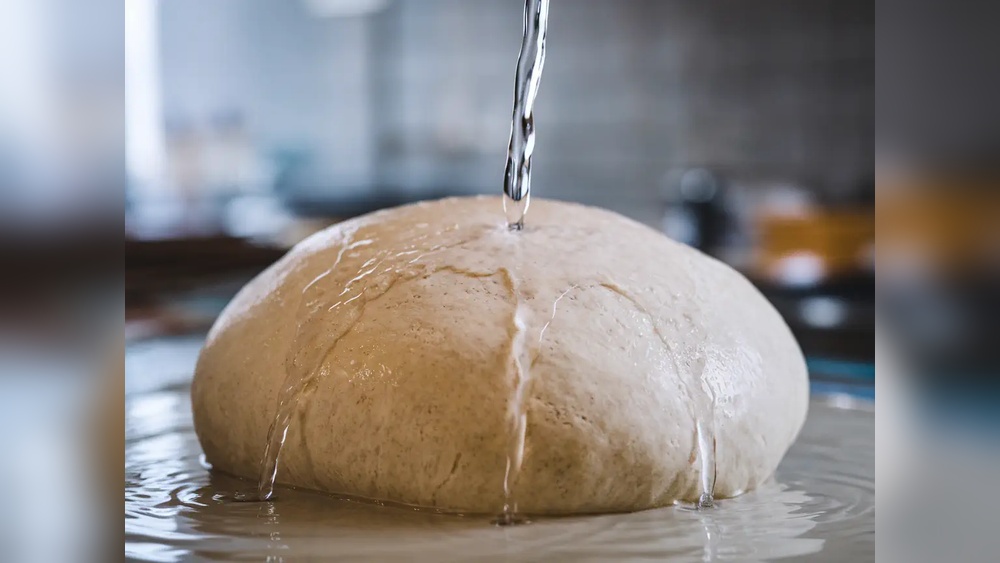
Understanding pizza dough hydration is key to making great pizza crust. Hydration means the amount of water mixed with flour. This affects dough handling and final texture. Balancing water and flour creates the right dough consistency. It shapes the crust’s softness, chewiness, and crispness.
Water-to-flour Ratio
The water-to-flour ratio shows dough hydration. It is the weight of water divided by flour weight. For example, 60% hydration means 60 grams of water per 100 grams of flour. Higher percentages mean wetter dough. Lower percentages mean drier dough. This ratio helps control dough feel and rise.
Effects On Crust Texture
More water makes the dough softer and airier. It creates a light, open crumb with larger holes. Less water results in a denser, firmer crust. The crust can be crispy or chewy depending on hydration. The right balance improves taste and bite. It also impacts browning during baking.
Hydration Levels Explained
Low hydration ranges from 50% to 58%. Dough is stiff and easy to shape. Medium hydration is 58% to 65%. It creates a balanced crust, not too dry or wet. High hydration goes above 65%. Dough is sticky and requires careful handling. This level yields a tender, bubbly crust.
Hydration Impact On Dough
Hydration plays a key role in pizza dough quality. It refers to the amount of water mixed with flour. This ratio shapes the dough’s texture, elasticity, and final crust. Understanding hydration helps you create pizza with the perfect bite and crunch.
Water activates gluten in the flour, which gives dough its stretch. The right hydration level balances softness and strength. Too little water makes dough stiff and dry. Too much water leads to sticky, hard-to-handle dough.
Wet Vs Dry Dough
Wet dough contains more water and feels sticky. It produces a softer, chewier crust. Dry dough has less water, making it firmer and easier to shape. It results in a crispier crust. Both types can be delicious but require different handling techniques.
Rise And Airiness
Hydration affects how well dough rises. Water helps yeast grow and create air bubbles. Higher hydration creates bigger, more open holes in the crust. Lower hydration leads to a denser, tighter crumb. Proper hydration ensures a light, airy pizza base.
Handling Sticky Dough
Sticky dough can be tricky to work with. Use flour on your hands and surface to prevent sticking. Avoid adding too much flour, or the dough will dry out. Use gentle folding and stretching techniques. Over time, sticky dough becomes easier to shape and bake.
Health And Hydration Link
Eating pizza is a popular choice for many. It tastes great and fills you up quickly. But pizza can affect your body’s hydration. The link between health and hydration is important to understand. Pizza’s ingredients, especially salt, play a big role in this connection. Knowing how pizza impacts hydration helps you make better food choices.
Sodium Content In Pizza
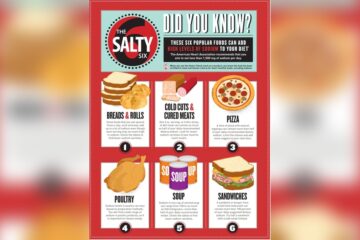
Pizza usually has a high amount of sodium. Cheese, cured meats, and sauces add salt. One slice can contain more than 500 mg of sodium. Too much sodium can disrupt the body’s fluid balance. Your body tries to keep sodium and water levels steady. Eating salty foods like pizza increases sodium in your blood.
How Pizza Affects Body Fluids
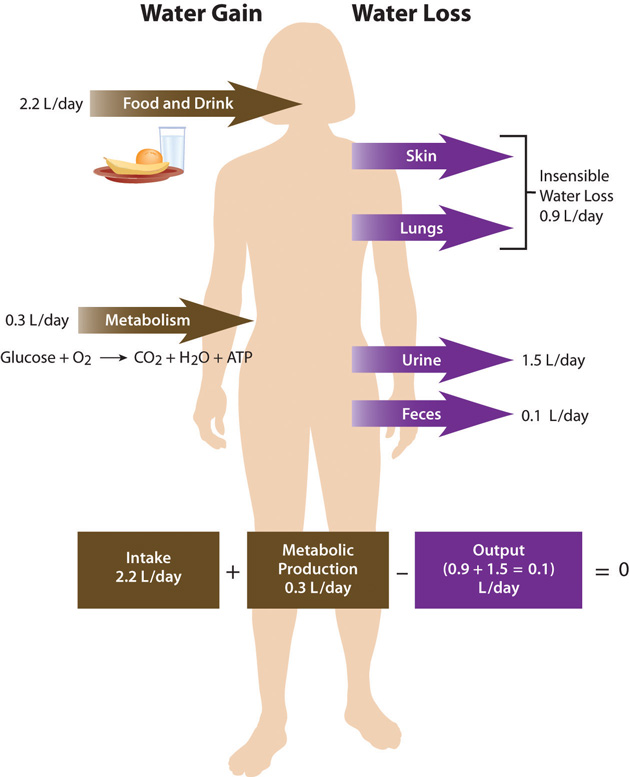
High sodium levels pull water from your cells. This makes your body lose water where it is needed. The fluids in your bloodstream increase to balance salt. Your kidneys work harder to remove extra sodium. This process causes more urine production. As a result, your body loses water quickly.
Why Pizza Increases Thirst
Eating salty pizza signals your brain to drink more water. Thirst is the body’s way to restore fluid balance. After eating pizza, you may feel very thirsty. Drinking water helps dilute the extra sodium. Staying hydrated supports good health and body function. Drinking water after pizza is a smart choice.
Credit: pressbooks.oer.hawaii.edu
Balancing Pizza With Hydration
Pizza is a popular food enjoyed worldwide. It can be tasty but also high in salt and calories. Eating pizza affects your body’s hydration balance. Balancing pizza with hydration helps keep your body healthy and comfortable.
Drinking water alone is not enough after eating pizza. Choosing the right toppings and managing salt intake are key. Some pizza ingredients can also add fluids to your diet. Understanding these factors can improve your hydration while enjoying pizza.
Choosing Toppings Wisely
Select toppings that add nutrients and fluids. Vegetables like tomatoes, spinach, and bell peppers contain water. These toppings help increase hydration naturally. Avoid too many processed meats like pepperoni or sausage. They add salt and reduce hydration. Fresh toppings improve taste and support your fluid balance.
Hydrating Ingredients In Pizza
Tomato sauce is a great source of hydration. It contains a high water content and vitamins. Adding fresh herbs like basil adds flavor and moisture. Mozzarella cheese has some water but also fat. Balance cheese amount to avoid dehydration. Using vegetables with high water content helps keep hydration steady.
Managing Salt Intake
Pizza often contains high salt levels. Salt pulls water out of your cells. This causes thirst and dehydration. Limit salty toppings and extra cheese. Choose low-sodium options when possible. Drinking water with your pizza helps restore balance. Reducing salt intake supports better hydration and overall health.
Tips For Better Hydration
Maintaining good hydration while enjoying pizza is important for overall health. Pizza often contains salt, which can increase thirst and affect fluid balance. Simple tips can help keep hydration levels steady during your meal. These easy steps improve your experience and support your body’s needs.
Drinking Water With Pizza
Water is the best drink to balance salt in pizza. Sip water before, during, and after eating. This helps your body stay hydrated and reduces dry mouth. Avoid sugary or caffeinated drinks, as they can cause more dehydration. Keep a glass of water nearby for easy access.
Incorporating Vegetables
Adding fresh vegetables to your pizza boosts hydration naturally. Veggies like tomatoes, spinach, and bell peppers have high water content. They add vitamins and minerals that support hydration. Choose vegetable toppings to make your pizza healthier and more refreshing.
Hydration-friendly Pizza Recipes
Try recipes with lower salt and higher moisture ingredients. Use fresh tomato sauce instead of thick or canned versions. Include toppings like zucchini, mushrooms, and olives for added water content. Experiment with thin crusts to reduce heaviness and support digestion. These recipes help maintain hydration while enjoying pizza.
Tools For Dough Hydration
Tools for dough hydration help bakers control water content in pizza dough. Water affects dough texture, stretch, and crust quality. Using the right tools improves consistency and baking results. These tools make hydration easy to measure and adjust, even for beginners.
Hydration Calculators
Hydration calculators help find the exact water-to-flour ratio. Enter the flour amount, and the calculator shows how much water to use. This tool saves time and reduces mistakes. It helps create dough with the perfect balance of softness and strength.
Using Hydration Charts
Hydration charts show common water percentages for different dough types. They guide you in choosing hydration levels based on your recipe. These charts are useful for visual learners. They simplify decisions about increasing or decreasing dough moisture.
Measuring Ingredients Accurately
Accurate measurement is key to dough hydration balance. Use a digital scale for precise flour and water amounts. Measuring cups can cause errors due to volume differences. Small changes in water affect dough feel and bake quality. Consistent measuring builds better pizza dough every time.
Regional Hydration Styles
Regional hydration styles shape how pizza dough feels and tastes. Different places use varying water ratios for their dough. These choices affect crust texture, chewiness, and bake quality. Understanding these styles helps bakers create authentic pizzas and adapt recipes.
Neapolitan Pizza Hydration
Neapolitan pizza uses a hydration level around 60%. This balance creates a soft, light crust with a slight chew. The dough is sticky but manageable, allowing it to stretch thin without tearing. High heat ovens help develop a tender, airy crust with charred spots.
New York Style Hydration
New York style pizza dough often has hydration near 65%. This higher water content produces a chewier, thicker crust. It stays flexible for hand-tossing and folds easily. The crust is crisp on the outside and soft inside, perfect for large slices.
Adjusting Hydration By Climate
Climate impacts how much water dough absorbs. In dry climates, add more water to maintain softness. Humid areas may require less water to avoid sticky dough. Adjust hydration for temperature and humidity to ensure consistent dough texture every time.

Credit: www.youtube.com

Credit: www.pizzaschoolnewyork.com
Frequently Asked Questions
How Does Hydration Affect Pizza?
Hydration in pizza dough controls crust texture and structure. Higher hydration creates lighter, airier crusts. Lower hydration yields denser, crispier crusts. Proper water-to-flour ratio ensures optimal dough elasticity and rise, enhancing flavor and chewiness. Balancing hydration improves overall pizza quality and baking performance.
Does Pizza Hydrate You?
Pizza contains some water from sauce and veggies but also high salt, which increases thirst and can cause dehydration.
Why Do I Drink So Much Water After Pizza?
You drink more water after pizza due to its high salt content. Salt causes your body to retain water and triggers thirst to restore fluid balance.
What Does 80% Hydration Pizza Mean?
80% hydration pizza means the dough contains 80% water relative to flour weight. This creates a softer, airier crust.
Conclusion
Pizza and hydration balance matter for both taste and health. Pizza dough’s water content shapes crust texture and chewiness. Eating pizza adds some fluids but also brings salt that can dehydrate you. Drinking water after pizza helps restore your body’s fluid balance.
Enjoy pizza with plenty of water to stay refreshed and satisfied. Simple steps keep your pizza experience tasty and healthy.

As the author of the “Ultimate Pizza Guide: Recipes, Tips & Secrets Revealed,” I’m dedicated to sharing my love for pizza and empowering others to create delicious homemade pizzas with ease. Join me on a journey to uncover the secrets to perfecting your pizza game!