You love pizza, but have you ever wondered how it affects your heart? If you’re concerned about heart health, you might be surprised to learn that not all pizzas are created equal.
The choices you make—from the crust to the toppings—can impact your heart in ways you might not expect. What if you could still enjoy your favorite slice without risking your cardiovascular health? Keep reading to discover simple tips and expert advice that help you enjoy pizza and protect your heart at the same time.
Your heart will thank you!
Credit: www.thursdaynightpizza.com
Pizza Ingredients And Heart Health
Pizza is a popular food worldwide. Its ingredients affect heart health differently. Some toppings and crust choices can increase health risks. Understanding these effects helps make better pizza decisions. Focus on how common pizza ingredients impact your heart.
Impact Of Processed Meats
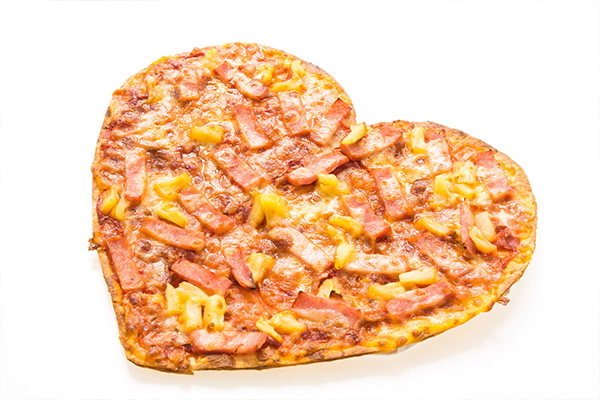
Processed meats like pepperoni and sausage contain high levels of preservatives. These include nitrates and nitrites, which can harm blood vessels. Eating them often raises bad cholesterol and inflammation. This increases the risk of heart disease. Choosing lean or plant-based toppings reduces this danger.
Effects Of High Sodium
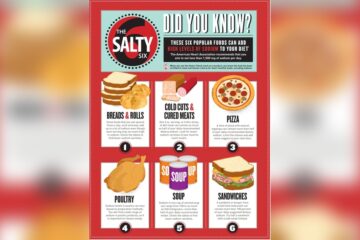
Pizza can be very high in salt due to cheese and meats. Excess sodium raises blood pressure and strains the heart. High salt intake also causes fluid retention. This makes the heart work harder and may lead to heart failure. Limiting salty toppings helps control sodium levels.
Role Of Fatty Cheeses
Cheeses like mozzarella and cheddar add saturated fats to pizza. Saturated fats raise bad cholesterol in the blood. This clogs arteries and increases heart disease risk. Using smaller amounts of cheese or low-fat versions is better for your heart.
Refined Carbs And Blood Sugar
Most pizza crusts are made from refined flour. Refined carbs cause blood sugar to spike quickly. This can lead to insulin resistance and diabetes over time. Whole grain or alternative crusts help keep blood sugar steady. Stable sugar levels protect heart health.

Credit: www.thursdaynightpizza.com
Best Pizza Choices For Heart Patients
Choosing the right pizza can support heart health and satisfy cravings safely. Heart patients benefit from mindful pizza choices that reduce bad fats and sodium. Selecting nutrient-rich ingredients helps maintain healthy cholesterol and blood pressure.
Focus on crusts and toppings that add fiber, vitamins, and healthy fats. Avoid heavy, processed options that strain the heart. Here are some of the best pizza choices for heart patients.
Whole-wheat And Whole-grain Crusts
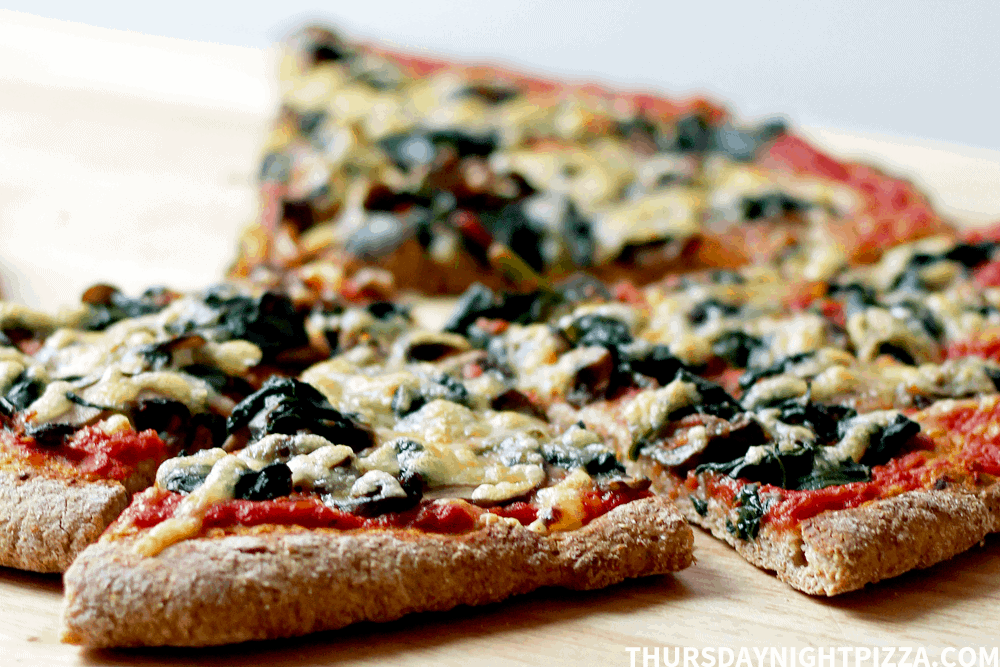
Whole-wheat crusts contain more fiber than white flour crusts. Fiber helps lower cholesterol and improves digestion. Whole grains keep blood sugar steady, reducing heart strain. They add vitamins and minerals, promoting overall heart health. Thin crust made from whole grains lowers calorie intake. This choice supports weight management, which is vital for heart patients.
Alternative Crust Options
Cauliflower crust is a low-carb, nutrient-rich alternative. It offers vitamins C and K and antioxidants. Spelt flour crust is less processed and gentle on blood sugar. Pita or whole-grain tortilla crusts make quick, lighter pizzas. These options reduce refined carbs and unhealthy fats. They help avoid blood sugar spikes and excess calories.
Healthy Topping Suggestions
Choose vegetables like spinach, tomatoes, and bell peppers. They provide antioxidants and fiber that support the heart. Lean proteins such as grilled chicken or turkey are better than processed meats. Avoid high-fat cheeses; opt for part-skim mozzarella or smaller amounts. Use herbs and spices for flavor without added salt. These toppings reduce sodium and unhealthy fat intake, protecting heart health.
Heart Palpitations After Eating Pizza
Heart palpitations after eating pizza can feel alarming. Many people notice a racing or fluttering heart soon after enjoying a slice. This reaction often links to how the body processes the rich, heavy ingredients in pizza. Understanding the causes helps manage or prevent these palpitations.
How Large Meals Affect The Heart
Eating a large pizza meal requires more blood to flow to the stomach. The heart pumps faster to support digestion. This extra work may cause your heart to race or feel irregular. Overeating can strain your heart temporarily.
Sugar Spikes And Stress Hormones
Pizza contains refined carbs that raise blood sugar quickly. After a spike, sugar levels may drop fast, causing low blood sugar. This triggers stress hormones like adrenaline. Adrenaline speeds up the heart and causes palpitations.
Sodium’s Role In Palpitations
Pizza often has high salt content from cheese and toppings. Salt affects fluid balance and blood pressure in the body. This can lead to heart palpitations or irregular beats. Watching salt intake helps reduce this risk.
Effects Of Fat And Spices
Fatty cheese and spicy toppings may cause acid reflux. Acid reflux can irritate the esophagus and mimic heart palpitations. Fat also slows digestion, adding strain to the heart. Choose lighter toppings to ease symptoms.
Influence Of Caffeine And Alcohol
Caffeine and alcohol can be part of a pizza meal, such as soda or beer. Both substances stimulate the heart and nervous system. They may increase the chance of palpitations after eating. Limiting these helps maintain steady heart rhythms.
Credit: nyhealth.com
Managing Palpitations Linked To Pizza
Managing palpitations linked to pizza can help keep your heart calm. Palpitations often happen after eating large, heavy meals like pizza. These meals can cause your heart to beat faster or feel irregular. Managing these palpitations involves simple steps to reduce triggers and ease digestion.
Eating Smaller Portions
Eating smaller portions of pizza lowers the strain on your heart. Large meals demand more blood flow to your stomach. This makes your heart work harder and beat faster. Smaller portions help digestion and reduce palpitations. Try splitting your pizza into smaller servings. Eat slowly and stop when you feel full.
Staying Hydrated
Drinking water helps maintain a healthy heart rhythm. Staying hydrated supports blood flow and balances sodium levels. Avoid sugary or caffeinated drinks with your pizza. These drinks can worsen palpitations. Water keeps your body calm and helps digestion run smoothly.
Limiting Trigger Ingredients
Some pizza ingredients trigger palpitations more than others. High sodium, fatty cheese, and spicy toppings can irritate your heart. These ingredients may cause acid reflux or raise blood pressure. Choose pizzas with less salt, lighter cheese, and mild spices. Opt for whole wheat or vegetable-based crusts for better heart health.
Stress And Fatigue Control
Stress and tiredness can make palpitations worse after eating pizza. Relaxation techniques like deep breathing can calm your heart. Avoid eating pizza when you feel very tired or stressed. Rest before and after meals to help your body handle digestion better.
Tracking Food And Symptoms
Keep a food diary to track what triggers your palpitations. Note what type of pizza you eat and your symptoms afterward. This helps identify specific ingredients or portion sizes that cause problems. Share this information with your doctor to manage your heart health more effectively.
When To Seek Medical Advice
Knowing when to seek medical advice about pizza-related heart symptoms is important. Heart palpitations after eating pizza may be common. Some cases need prompt attention. Understanding warning signs helps you protect your heart health.
Listen to your body. Do not ignore unusual or severe symptoms. Timely action can prevent serious problems.
Severe Or Frequent Palpitations
Palpitations that are strong, last long, or happen often need medical review. Rapid or irregular heartbeat may indicate heart stress or other issues. Persistent palpitations after eating pizza should not be overlooked. A healthcare professional can assess your condition and suggest tests if needed.
Associated Symptoms To Watch
Pay attention to symptoms that come with palpitations. Chest pain, shortness of breath, dizziness, or fainting require urgent care. These signs may signal heart problems beyond simple digestion effects. Do not delay visiting a doctor if you experience these symptoms.
Potential Allergic Reactions
Pizza ingredients can cause allergic reactions in some people. Symptoms include swelling, hives, difficulty breathing, or severe itching. These reactions can affect the heart and breathing. Immediate medical help is crucial if allergy signs appear after eating pizza.
Frequently Asked Questions
What Are Three Foods Cardiologists Say Not To Eat?
Cardiologists advise avoiding red meat, processed meats like bacon, and fried foods. These increase heart disease risk. Limit sugary drinks and snack foods too.
Which Pizza Is Best For Heart Patients?
The best pizza for heart patients features a whole-wheat or cauliflower crust, lean veggies, and minimal cheese to reduce fat and sodium. Choose thin crusts with fresh, plant-based toppings to support heart health and avoid processed meats or heavy sauces.
Why Do I Get Heart Palpitations After Eating Pizza?
Heart palpitations after eating pizza often result from large, fatty, salty meals increasing heart rate. Spices, sugar spikes, or acid reflux may also trigger palpitations. Reducing portion size and salty, fatty toppings can help. Consult a doctor if palpitations are severe or frequent.
Is There Such A Thing As A Heart-healthy Pizza?
Yes, heart-healthy pizza exists. Choose whole-wheat or cauliflower crust, load with vegetables, and use low-fat cheese and lean proteins. Limit processed meats and high-sodium toppings to protect heart health while enjoying pizza.
Conclusion
Choosing the right pizza can support heart health. Opt for whole-grain or vegetable-based crusts. Limit high-fat cheese and processed meats. Eating smaller portions helps your heart work less. Drink water instead of sugary drinks with pizza. Watch for spicy toppings if you have acid reflux.
Keeping a food diary reveals what triggers palpitations. Remember, occasional pizza treats fit into a balanced diet. Pay attention to your body’s signals after eating. Consult a doctor if heart symptoms worsen or persist. Healthy choices make pizza enjoyable and safer for your heart.
As the author of the “Ultimate Pizza Guide: Recipes, Tips & Secrets Revealed,” I’m dedicated to sharing my love for pizza and empowering others to create delicious homemade pizzas with ease. Join me on a journey to uncover the secrets to perfecting your pizza game!