You love pizza, but have you ever wondered what it’s really doing to your gut? That cheesy, delicious slice might feel like pure comfort, yet your digestive system could be sending signals you’re missing.
Does pizza cause bloating, constipation, or upset stomach? Or can you enjoy it without harming your gut health? Understanding how pizza interacts with your digestion is key to enjoying your favorite food without discomfort. Keep reading to discover the surprising effects pizza can have on your gut and simple ways to savor it while keeping your digestive system happy.

Credit: www.healthawareness.co.uk
Pizza Ingredients And Gut Impact
Pizza is a favorite food for many. Its ingredients affect gut health in different ways. Understanding each component helps manage digestion better. Some ingredients may soothe the gut, while others might cause discomfort. This section explores common pizza ingredients and their impact on the digestive system.
Common Pizza Components
Pizza usually has dough, cheese, tomato sauce, and toppings. Dough is made from refined flour, which lacks fiber. Low fiber can slow digestion and cause constipation. Cheese adds fat and protein but may upset some stomachs. Tomato sauce contains acids that can irritate sensitive guts. Toppings vary and can add nutrients or fats. Knowing these helps choose gut-friendly options.
How Cheese Affects Digestion
Cheese is rich in fat and protein. Fat takes longer to digest and may cause bloating. Some people cannot digest lactose, a sugar in cheese. Lactose intolerance leads to gas, cramps, and diarrhea. Hard cheeses have less lactose than soft ones. Moderation and type of cheese affect gut comfort.
Tomato Sauce And Gut Sensitivity
Tomato sauce is acidic and may trigger heartburn or discomfort. It contains compounds that can irritate the stomach lining. People with acid reflux often find tomato sauce challenging. Cooking tomatoes reduces acidity but does not remove it. Opting for low-acid or homemade sauces can help sensitive stomachs.
Fiber Content In Pizza
Pizza is a popular food loved by many. Yet, it often lacks enough fiber. Fiber plays a key role in gut health. It helps digestion and keeps the bowel regular. Most traditional pizzas use refined white flour. This type of flour contains very little fiber. Without enough fiber, pizza can cause digestive issues. Understanding the fiber content in pizza helps make better food choices.
Low Fiber Issues
Regular pizza crust is made from refined flour. This flour has most fiber removed during processing. Eating low-fiber foods like this can slow digestion. It may cause constipation and bloating. The cheese and toppings on pizza add fats but little fiber. A diet low in fiber can disrupt gut bacteria balance. This imbalance may lead to discomfort and poor digestion. Many people feel sluggish after eating pizza with low fiber.
Whole Grain And High-fiber Alternatives
Choosing whole grain pizza crust increases fiber intake. Whole grain flour keeps the bran and germ parts of the grain. These parts contain most of the fiber and nutrients. Whole grain crusts help improve digestion and gut health. Some pizzerias offer crusts made from oats, quinoa, or chickpea flour. Adding vegetables like spinach, broccoli, or peppers also adds fiber. These small changes make pizza friendlier to your gut. Eating pizza with fiber-rich sides like salad supports digestion too.
Pizza And Digestive Discomfort
Pizza is a popular food enjoyed by many. It tastes great but can sometimes cause digestive discomfort. Certain ingredients and preparation methods can affect the gut negatively. Understanding these effects helps manage or avoid discomfort after eating pizza.
Constipation Risks
Pizza often contains refined flour, which is low in fiber. Low fiber slows down bowel movements. Cheese and processed meats add fat that can make digestion harder. Eating too much pizza without fiber-rich foods may lead to constipation. Drinking water and adding vegetables can help reduce this risk.
Bloating And Gas Triggers
Many pizza ingredients cause gas and bloating. Cheese is high in lactose, which some people cannot digest well. Tomato sauce is acidic and may irritate the stomach. Oils and greasy toppings slow digestion, causing discomfort. Eating slowly and choosing lighter toppings can ease bloating.
Pizza And Irritable Bowel Syndrome
People with Irritable Bowel Syndrome (IBS) often find pizza challenging. Dairy, gluten, and high-fat foods can trigger IBS symptoms. These include cramps, diarrhea, and gas. Gluten-free crusts and lactose-free cheese are better options. Smaller portions also help keep symptoms under control.

Credit: abigailsoven.com
Fat And Processed Ingredients
Pizza often contains high amounts of fat and processed ingredients. These elements can affect the gut in various ways. Understanding their impact helps make better food choices. Fat and additives can influence digestion and gut bacteria balance.
Effects Of High Fat On Gut Health
High fat intake from pizza can slow down digestion. Fat takes longer to break down in the stomach. This delay may cause discomfort, bloating, or constipation. Excess fat can also change gut bacteria composition. Some harmful bacteria may grow more with too much fat. This imbalance can lead to inflammation and gut issues.
Impact Of Additives And Preservatives
Processed ingredients in pizza often include additives and preservatives. These chemicals help extend shelf life and improve taste. Many additives can disrupt the natural gut flora. This disruption reduces beneficial bacteria needed for good digestion. Some preservatives may irritate the gut lining. Frequent consumption might increase the risk of digestive problems.
Benefits Of Healthier Pizza Choices
Choosing healthier pizza options can support your gut health and overall well-being. Small changes in crust, toppings, and side choices make a big difference. These choices help improve digestion and provide essential nutrients. Enjoy pizza without the usual gut discomfort and sluggishness.
Thin Crust Vs. Thick Crust
Thin crust pizza usually has fewer calories and less dough. It is easier to digest and puts less strain on your gut. Thick crust contains more refined flour, which may slow digestion. Choosing thin crust can reduce bloating and improve gut comfort.
Plant-based Toppings
Vegetables add fiber, vitamins, and antioxidants to your pizza. Fiber promotes healthy digestion and feeds good gut bacteria. Plant-based toppings are lower in fat and calories than meat options. They help reduce inflammation and support a balanced gut environment.
Combining Pizza With Fiber-rich Foods
Pairing pizza with fiber-rich salads or beans aids digestion. Fiber helps move food smoothly through your digestive system. This combination can prevent constipation and promote regular bowel movements. Add a side of leafy greens or a bean salad to complete your meal.
Tips For Enjoying Pizza Without Gut Issues
Pizza is a favorite food for many. Yet, it can sometimes upset the gut. Enjoying pizza without gut problems needs simple habits. These tips help keep your digestion smooth after eating pizza.
Portion Control
Eating a large pizza slice can overload your stomach. Choose smaller portions to avoid discomfort. Try sharing a pizza with friends or family. This way, you enjoy the taste without eating too much. Smaller portions help your gut digest better and reduce bloating.
Balancing With Exercise
Moving your body aids digestion after eating. A short walk or light activity helps food move through the gut. Exercise reduces the risk of constipation caused by heavy meals. Keep activity gentle and consistent for best results. This balance supports gut health and lets you enjoy pizza more often.
Hydration And Digestion
Drinking enough water improves digestion. Water helps break down food and moves waste along. Avoid sugary or caffeinated drinks with pizza as they can dehydrate you. Sip plain water before, during, and after your meal. Proper hydration keeps your gut comfortable and working well.
Pizza And Gut Bacteria
Pizza is a popular food loved by many. It has a mix of ingredients that can affect gut bacteria. Gut bacteria are tiny organisms living in your digestive system. They help digest food, fight bad bacteria, and support your immune system.
Eating pizza changes the balance of these gut bacteria. This can be good or bad depending on the type of pizza and how often you eat it. Understanding pizza’s effect on gut bacteria helps you make better food choices.
How Pizza Affects Microbiome
Pizza often contains refined flour, cheese, and processed meats. These ingredients can reduce the diversity of gut bacteria. A low diversity microbiome can lead to poor digestion and inflammation.
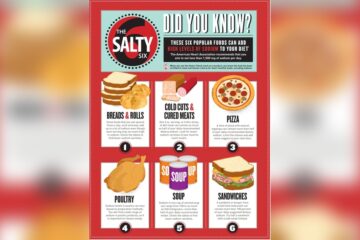
High fat and salt in pizza may feed harmful bacteria. This can cause discomfort and bloating. Eating pizza with little fiber may slow digestion. Fiber helps good bacteria grow and keeps your gut healthy.
Choosing pizza with whole grain crust and more vegetables supports good bacteria. Moderation is key to avoid upsetting your gut balance. Each slice impacts your microbiome differently based on ingredients and portion size.
Foods That Support Healthy Gut Flora
Foods rich in fiber help good gut bacteria thrive. Fruits, vegetables, and whole grains are excellent choices. They provide nutrients and fuel for beneficial bacteria.
Fermented foods like yogurt, kefir, and sauerkraut add helpful probiotics. Probiotics are live bacteria that improve gut health. Including these foods in your diet supports digestion and immune function.
Limiting processed foods and sugary snacks protects your gut bacteria. Drinking plenty of water also aids digestion and keeps your gut happy. Combining healthy foods with occasional pizza helps maintain a balanced microbiome.

Credit: nikkiyeltonrd.com
Frequently Asked Questions
What Does Pizza Do To The Gut?
Pizza can slow digestion due to high fat and low fiber content. It may cause constipation and trigger gut discomfort in sensitive individuals. Choosing whole-grain crust and adding fiber-rich toppings supports better gut health and digestion. Moderation and balanced meals help maintain a healthy gut after eating pizza.
Is Pizza Gut Friendly?
Pizza is generally low in fiber and high in fat, which may slow digestion and cause constipation. Choose whole-grain crust and natural toppings for better gut health.
Can Pizza Cause Digestive Issues?
Pizza can cause digestive issues due to high fat, low fiber, and ingredients like cheese or tomato sauce. Sensitive people may experience discomfort.
What Food Kills Gut Bacteria?
Processed foods, high in unhealthy fats and additives, kill gut bacteria. Excess red meat also harms gut flora by reducing fiber intake.
Conclusion
Pizza can be part of your diet if you choose wisely. Opt for whole grain crusts and add vegetables. Eating pizza with fiber-rich foods helps digestion. Avoid too much cheese and processed toppings to protect your gut. Balance pizza meals with fruits, water, and exercise.
Small changes make a big difference in gut health. Enjoy pizza without discomfort by making smart choices. Your gut will thank you for eating mindfully and in moderation.

As the author of the “Ultimate Pizza Guide: Recipes, Tips & Secrets Revealed,” I’m dedicated to sharing my love for pizza and empowering others to create delicious homemade pizzas with ease. Join me on a journey to uncover the secrets to perfecting your pizza game!