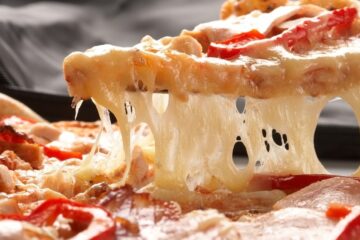
You love pizza—it’s cheesy, satisfying, and perfect for any occasion. But have you ever noticed that after a few slices, your stomach feels uneasy or bloated?
That’s where digestive enzymes come into play. These tiny helpers in your body break down the carbs, fats, and proteins in pizza, making digestion smoother and more comfortable. If you want to enjoy your favorite slice without worrying about discomfort, understanding how pizza and digestive enzymes work together is key.
Keep reading to discover how these natural enzymes can transform your pizza experience and keep your gut happy.

Credit: kyolic.com
Pizza And Digestion
Pizza is a favorite food worldwide. Many enjoy its rich flavors and textures. Yet, pizza can challenge the digestive system. Understanding how pizza affects digestion helps manage discomfort. Digestive enzymes play a key role in breaking down pizza’s complex ingredients.
Why Pizza Can Be Hard To Digest
Pizza contains multiple ingredients that strain digestion. Cheese is rich in fat and protein, needing enzymes like lipase and protease. The dough is made of complex carbohydrates, which require amylase to break down. Many pizzas also have tomato sauce, which can be acidic. This acidity may irritate sensitive stomachs. Heavy toppings add to the digestive workload. Large portions increase the time food stays in the stomach. All these factors make pizza harder to digest than simpler meals.
Common Digestive Issues After Eating Pizza
Many people feel bloated or gassy after pizza. Fatty cheese slows stomach emptying, causing discomfort. Lactose intolerance can cause cramps or diarrhea. Gluten in the dough may trigger reactions in sensitive individuals. Acidic tomato sauce can cause heartburn or acid reflux. Overeating pizza may lead to nausea or stomach pain. Some experience indigestion due to insufficient digestive enzymes. Recognizing these issues can help in choosing pizza wisely.
Key Digestive Enzymes
Digestive enzymes play a crucial role in breaking down the food we eat. They help convert complex nutrients into smaller molecules. This makes it easier for the body to absorb and use these nutrients. Understanding the key enzymes helps explain how pizza is digested in our system.
Pizza contains carbohydrates, proteins, and fats. Different enzymes target each of these nutrients. The main digestive enzymes involved are amylase, pepsin, and pancreatic lipase. Each enzyme works in a specific part of the digestive process.
Role Of Amylase In Breaking Down Carbs
Amylase starts working in the mouth. It breaks down starches found in pizza dough. Starches are complex carbohydrates that need to be simplified. Amylase turns these starches into simple sugars. These sugars are easier for the body to absorb and use for energy.
Pepsin And Protein Digestion
Pepsin is an enzyme active in the stomach. It targets proteins in pizza toppings like cheese and meat. Pepsin breaks proteins into smaller pieces called peptides. This step is important for further digestion in the intestines. Without pepsin, protein digestion would be slower and less efficient.
Pancreatic Lipase And Fat Breakdown
Pancreatic lipase works in the small intestine. It breaks down fats from cheese and oils on the pizza. Fats are split into fatty acids and glycerol. These smaller molecules are easier for the body to absorb. This enzyme is essential for using fats as an energy source.
Natural Enzyme-rich Foods
Natural enzyme-rich foods help the body break down pizza ingredients. Enzymes speed up digestion by breaking fats, proteins, and carbs. Adding these foods improves gut comfort after eating pizza. They support the digestive system naturally and gently.
Fruits That Aid Digestion
Certain fruits contain powerful digestive enzymes. Pineapple has bromelain, which breaks down proteins in cheese and meat. Papaya contains papain, easing the digestion of tough proteins. Mango and kiwi also provide enzymes that help digest pizza toppings.
Eating these fruits alongside or after pizza can reduce bloating. They support faster and smoother digestion. Try fresh pineapple slices or papaya chunks as a sweet side.
Fermented Foods And Gut Health
Fermented foods are rich in enzymes and good bacteria. Sauerkraut, kimchi, and miso help balance gut flora. They improve enzyme activity and support digestion. Fermented dairy like kefir adds beneficial probiotics and enzymes too.
Including these foods with pizza aids the digestive process. They reduce the risk of discomfort and promote gut health. A small serving of sauerkraut or kimchi can enhance pizza nights.
Incorporating Enzyme Foods With Pizza
Combine pizza with enzyme-rich foods for better digestion. Add fresh fruit slices or a side of fermented vegetables. Choose pineapple or papaya as a natural dessert. Include a small bowl of kimchi or kefir for gut support.
This simple habit helps your body manage pizza’s heavy ingredients. It lowers digestive stress and improves nutrient absorption. Enjoy pizza and feel lighter with enzyme-friendly additions.

Credit: www.snapchat.com
Enzyme Supplements For Pizza
Pizza offers a delicious mix of cheese, dough, and toppings. These ingredients can challenge the digestive system. Enzyme supplements help the body break down pizza more easily. They support digestion and reduce discomfort after eating.
When To Consider Supplements
Consider enzyme supplements if pizza causes stomach pain or bloating. People with lactose intolerance or gluten sensitivity benefit most. Supplements help if digestion feels slow or heavy after eating pizza. Those with pancreatic issues or enzyme deficiencies may also need them.
Types Of Digestive Enzyme Supplements
Many enzyme supplements target specific pizza ingredients. Lactase helps break down lactose in cheese. Protease aids protein digestion from cheese and meat toppings. Amylase breaks down starch in the dough. Lipase helps digest fats found in cheese and oils. Some supplements combine all these enzymes for better results.
How Enzymes Help With Lactose And Gluten
Lactase enzyme breaks lactose into simpler sugars. This helps people with lactose intolerance enjoy pizza without pain. Gluten-digesting enzymes help break down gluten proteins in pizza dough. These enzymes reduce bloating and discomfort linked to gluten sensitivity. Enzyme supplements ease digestion and improve pizza enjoyment.
Factors Affecting Enzyme Efficiency
Digestive enzymes play a crucial role in breaking down pizza into nutrients the body can use. Their efficiency depends on many factors. Understanding these factors helps improve digestion and reduce discomfort after eating pizza.
Health Conditions Impacting Enzymes
Certain health conditions reduce enzyme production or activity. Chronic pancreatitis damages the pancreas, lowering enzyme output. Cystic fibrosis affects mucus, blocking enzyme release. Gastrointestinal surgeries may remove parts that produce enzymes. Pancreatic cancer also disrupts enzyme production. These conditions make digesting pizza harder and cause stomach pain or bloating.
Lifestyle And Dietary Influences
Eating habits affect enzyme function strongly. Overeating pizza strains enzyme capacity. Eating too fast reduces saliva and enzyme mixing. Drinking alcohol or smoking harms the pancreas. Diets low in fruits and vegetables limit enzyme support. Stress also lowers enzyme effectiveness by affecting digestion. Balanced meals and mindful eating improve enzyme use.
Tips To Support Enzyme Function
Chew pizza slowly to mix it well with saliva enzymes. Include enzyme-rich foods like pineapple or papaya with your meal. Stay hydrated to help enzyme activity. Avoid excessive alcohol and smoking to protect your pancreas. Manage stress through relaxation techniques. Consider enzyme supplements if digestion problems persist, but consult a doctor first.
Improving Pizza Digestibility
Pizza is a favorite food for many, but it can sometimes be hard to digest. The mix of cheese, dough, and toppings can slow digestion and cause discomfort. Improving pizza digestibility helps enjoy this dish without stomach problems. Simple changes to pizza choices and meal habits can make a big difference.
Choosing Easier-to-digest Pizza Options
Pick pizzas with thinner crusts to reduce heaviness. Thin crusts have less dough, which breaks down faster in the stomach. Choose toppings like vegetables and lean proteins instead of heavy meats. Avoid extra cheese or creamy sauces that add fat and slow digestion. Whole grain crusts offer more fiber, aiding digestion and gut health.
Combining Pizza With Enzyme-boosting Sides
Serve pizza with sides rich in natural digestive enzymes. Pineapple and papaya contain enzymes that help break down proteins and fats. A small salad with raw vegetables adds fiber and enzymes. Fermented foods like kimchi or sauerkraut support good gut bacteria. These sides assist the body’s enzymes to digest pizza faster and easier.
Timing And Portion Control Strategies
Eat pizza in smaller portions to avoid overloading the digestive system. Smaller amounts reduce discomfort and speed up digestion. Space meals to give the stomach time to process food. Avoid eating pizza late at night when digestion slows down. Drinking water during and after eating helps break down food and supports enzyme function.

Credit: www.amazon.com
Frequently Asked Questions
What Does Pizza Do To Your Digestive System?
Pizza triggers enzymes to break down carbohydrates, proteins, and fats. It may cause discomfort in lactose-intolerant or gluten-sensitive people.
What Enzymes Break Down Pizza?
Amylase breaks down pizza’s carbohydrates into sugars. Pepsin digests cheese proteins into amino acids. Pancreatic lipase breaks fats into fatty acids. Lactase helps digest lactose in cheese. These enzymes work together to fully digest pizza components efficiently.
What Food Has The Most Digestive Enzymes?
Pineapples and papayas contain the highest natural digestive enzymes, including bromelain and papain. Fermented foods like kefir and kimchi also boost digestion.
What Interferes With Digestive Enzymes?
Digestive enzymes get interfered by conditions like chronic pancreatitis, cystic fibrosis, pancreatic cancer, and gastrointestinal surgeries. Certain medications, alcohol, and poor diet also reduce enzyme effectiveness. These factors disrupt enzyme production or function, leading to digestive issues and nutrient malabsorption.
Conclusion
Pizza can be tasty but sometimes hard to digest. Digestive enzymes help break down fats, proteins, and carbs in pizza. They ease stomach discomfort and improve nutrient absorption. Eating enzyme-rich foods or supplements may support digestion. Everyone’s body reacts differently to pizza.
Understanding enzymes can make your pizza nights more enjoyable. Balance and moderation remain key to gut health. Try to listen to your body’s signals after eating. Good digestion means feeling good after every slice.

As the author of the “Ultimate Pizza Guide: Recipes, Tips & Secrets Revealed,” I’m dedicated to sharing my love for pizza and empowering others to create delicious homemade pizzas with ease. Join me on a journey to uncover the secrets to perfecting your pizza game!