You probably love pizza—it’s tasty, comforting, and perfect for any occasion. But if you’re worried about your cholesterol, you might be asking yourself: Is pizza really bad for your heart?
There are many myths floating around about pizza and cholesterol that can make it confusing to enjoy your favorite slice without guilt. The truth is, not all pizzas are created equal, and understanding what’s really behind those cholesterol concerns can help you make smarter, healthier choices.
Ready to bust some common pizza and cholesterol myths and learn how to enjoy pizza without risking your heart health? Keep reading, because what you discover might surprise you!
Pizza And Cholesterol Risks
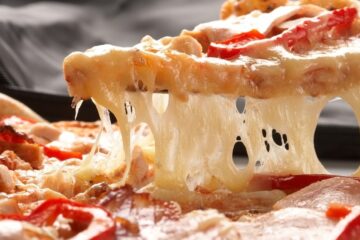
Pizza often gets a bad reputation for cholesterol concerns. Many believe it always raises cholesterol levels. The truth depends on what ingredients make the pizza and how often it is eaten. Understanding the risks helps make smarter choices without giving up pizza completely.
Saturated And Trans Fats In Pizza
Cheese and some meats on pizza have saturated fats. These fats raise bad LDL cholesterol in the blood. Some pizza dough or toppings may contain trans fats. Trans fats are even more harmful and increase heart disease risk. Choosing pizzas with less cheese or low-fat cheese lowers these fat amounts.
Impact Of Processed Meats
Pepperoni, sausage, and bacon are common processed meats on pizza. They contain high levels of saturated fat and cholesterol. Processed meats also have additives that may affect heart health negatively. Limiting these meats or swapping for vegetables cuts down cholesterol risks significantly.
High Sodium Concerns
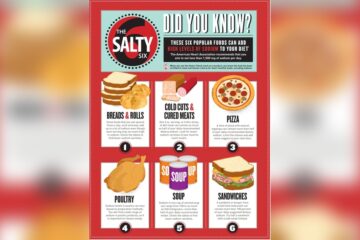
Many pizzas contain high sodium from cheese, meats, and sauces. Excess sodium raises blood pressure and strains the heart. Eating too much salt can worsen cholesterol problems. Choosing pizzas with less salt or homemade versions helps control sodium intake better.

Credit: www.amazon.com
Healthier Pizza Choices
Choosing healthier pizza options helps reduce cholesterol concerns. Simple swaps can make pizza a better choice. Focus on fresh ingredients and mindful preparation. This approach lets you enjoy pizza without guilt.
Vegetable Toppings Benefits
Vegetables add fiber and nutrients. They lower the pizza’s fat and calorie content. Options like spinach, peppers, and mushrooms boost heart health. Vegetables also add flavor and texture. They replace processed meats that increase cholesterol.
Cheese Alternatives
Using less cheese cuts saturated fat intake. Try low-fat mozzarella or part-skim cheese. Plant-based cheeses offer dairy-free options. These choices reduce bad cholesterol risks. Cheese alternatives still keep pizza tasty and creamy.
Better Crust Options
Whole wheat crust adds fiber and nutrients. It helps control blood cholesterol levels. Thin crusts have fewer calories and less fat. Avoid stuffed or deep-dish crusts high in saturated fat. Better crusts support overall heart health.
Homemade Vs Store-bought
Making pizza at home lets you control ingredients. Use fresh vegetables and lean proteins. Store-bought pizzas often contain hidden fats and sodium. Homemade pizzas avoid preservatives and excess unhealthy fats. Cooking at home leads to healthier, cholesterol-friendly meals.
Cholesterol-friendly Eating Habits
Adopting cholesterol-friendly eating habits helps manage cholesterol without giving up favorite foods like pizza. Small changes in how you eat can protect your heart and improve overall health. Eating wisely means choosing portions and food combinations that support healthy cholesterol levels.
These habits focus on balance and control rather than strict restrictions. They allow room for enjoyment while keeping cholesterol in check. Understanding these habits helps clear common myths about pizza and cholesterol.
Moderation And Portion Control
Eating pizza in moderation reduces intake of saturated fats and calories. Smaller portions limit cholesterol spikes and support heart health. Avoid large slices or multiple servings in one meal. Sharing pizza with family or friends helps control portions naturally. Moderation means enjoying pizza occasionally, not daily.
Balancing With Other Foods
Pair pizza with fresh vegetables or salads to add fiber and nutrients. Fiber helps lower cholesterol by removing it from the body. Choose whole grain bread or crust options to increase fiber intake. Include fruits or nuts as snacks to balance meals. This approach helps reduce the overall impact of pizza on cholesterol.
Superfoods That Lower Cholesterol
Certain foods help lower cholesterol and improve heart health. These superfoods contain nutrients that reduce bad cholesterol (LDL) and increase good cholesterol (HDL). Including them in your diet supports healthy blood vessels and lowers heart disease risk. Simple swaps and additions can make a big difference.
Oats And Barley
Oats and barley have a type of fiber called beta-glucan. This fiber binds to cholesterol in the intestines and removes it from the body. Eating a bowl of oatmeal or barley soup daily can lower LDL cholesterol effectively. These grains also keep you full longer, helping control weight.
Fatty Fish
Fatty fish like salmon, mackerel, and sardines are rich in omega-3 fatty acids. Omega-3s reduce triglycerides and raise HDL cholesterol. Eating fish twice a week can improve heart health and lower cholesterol. Grilling or baking fish keeps it healthy and tasty.
Beans And Lentils
Beans and lentils are packed with soluble fiber. This fiber slows cholesterol absorption into the bloodstream. Regular consumption helps reduce LDL cholesterol and supports digestive health. They are also low in fat and high in protein, perfect for a heart-healthy diet.
Nuts And Seeds
Nuts and seeds provide healthy fats, fiber, and plant sterols. These nutrients block cholesterol absorption and improve blood lipid levels. Almonds, walnuts, flaxseeds, and chia seeds are excellent choices. A small handful a day can support cholesterol control.
Berries
Berries like strawberries, blueberries, and raspberries contain antioxidants and fiber. These compounds protect blood vessels and lower cholesterol. Eating berries daily adds natural sweetness and nutrients without extra fat or calories.
Leafy Greens
Leafy greens such as spinach, kale, and collards are rich in fiber and plant compounds. They help reduce cholesterol and improve artery function. Add greens to salads, smoothies, or soups for a healthy boost. Their low calories make them ideal for heart health.
Additional Heart-healthy Foods
Adding heart-healthy foods to your diet can help manage cholesterol effectively. These foods support good heart function and reduce the risk of heart disease. Understanding which foods provide these benefits is key to making smarter choices. Below are two powerful options that improve cholesterol naturally.
Avocados And Healthy Fats
Avocados contain monounsaturated fats that help lower bad LDL cholesterol. These fats also raise good HDL cholesterol, which protects your heart. Eating avocado can reduce inflammation and improve blood vessel health. They are rich in fiber, which further supports cholesterol control. Simple to add to meals, avocados are a tasty and healthy choice.
Plant Sterols And Stanols
Plant sterols and stanols are natural compounds found in fruits, vegetables, nuts, and seeds. These substances block cholesterol absorption in the intestines, lowering blood cholesterol levels. Consuming foods fortified with sterols and stanols can reduce LDL cholesterol by 5 to 15 percent. Including these in your diet helps maintain a healthy cholesterol balance without drastic changes.

Credit: toronto.overdrive.com
Credit: www.walmart.com
Frequently Asked Questions
How Bad Is Pizza For High Cholesterol?
Pizza can raise high cholesterol due to saturated fats in cheese and processed meats. Choose veggie toppings, whole wheat crust, and less cheese to reduce risks. Homemade pizza with healthier ingredients supports better cholesterol control while allowing occasional enjoyment.
What Are The Six Super Foods That Lower Cholesterol?
Six superfoods that lower cholesterol include oats, barley, beans, berries, fatty fish, and nuts. These foods contain fiber, healthy fats, and plant compounds that reduce LDL cholesterol and improve heart health.
What Cheese Can I Eat If I Have High Cholesterol?
Choose low-fat or part-skim cheeses like mozzarella, feta, or cottage cheese. Limit full-fat, aged cheeses to reduce saturated fat intake.
How Much Cholesterol Is In An Average Slice Of Pizza?
An average slice of pizza contains about 20-30 mg of cholesterol, mainly from cheese and meat toppings.
Conclusion
Pizza and cholesterol myths often cause confusion and worry. Not all pizzas harm your heart. Choosing fresh veggies and lean proteins makes a big difference. Using less cheese or low-fat options helps too. Whole wheat crusts add fiber and nutrients.
Homemade pizza lets you control what goes in. Eating pizza occasionally fits a balanced lifestyle. Focus on quality ingredients and moderation for better health. Understanding facts helps you enjoy pizza without guilt. Keep smart choices in mind for a healthier heart.
As the author of the “Ultimate Pizza Guide: Recipes, Tips & Secrets Revealed,” I’m dedicated to sharing my love for pizza and empowering others to create delicious homemade pizzas with ease. Join me on a journey to uncover the secrets to perfecting your pizza game!