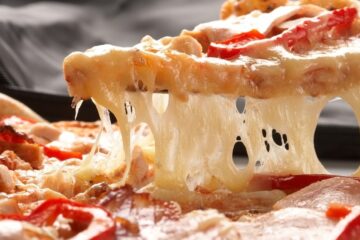
Do you love biting into a hot, cheesy slice of pizza but worry about how it might affect your blood pressure? You’re not alone.
Pizza, with its delicious flavors and tempting toppings, can secretly pack a punch when it comes to raising your blood pressure. But why exactly does this favorite comfort food cause concern? And more importantly, how can you still enjoy pizza without putting your heart at risk?
Keep reading to discover the surprising reasons pizza impacts your blood pressure and simple, smart swaps that let you indulge without the guilt. Your heart—and your taste buds—will thank you!

Credit: www.news18.com
Pizza And Blood Pressure
Pizza is a popular food enjoyed by many. Its ingredients, however, can affect blood pressure. Understanding how pizza impacts blood pressure helps make better choices. Certain components in pizza can raise blood pressure and strain the heart. Paying attention to these can protect your health while still enjoying pizza occasionally.
High Sodium Impact
Pizza often contains high amounts of sodium. Sodium causes the body to retain extra water. This increases blood volume and pressure on blood vessels. A single slice can contain a large portion of the daily sodium limit. Eating too much sodium regularly raises blood pressure. Reducing sodium intake helps maintain healthy blood pressure levels.
Processed Meats Risks
Many pizzas include processed meats like pepperoni and sausage. These meats are high in sodium and unhealthy fats. Processed meats contribute to blood pressure spikes and heart disease risk. They also contain preservatives that may harm blood vessels. Choosing pizzas with fewer or no processed meats lowers these risks.
Cheese And Saturated Fat
Cheese adds flavor but also saturated fat and sodium. Saturated fat can raise bad cholesterol levels. High cholesterol narrows arteries and raises blood pressure. Cheese portion size impacts its health effects. Using less cheese or low-fat options can reduce saturated fat intake.
Refined Flour Effects
Pizza crust is usually made from refined flour. Refined flour can cause quick blood sugar spikes. These spikes may increase inflammation and blood pressure over time. Whole wheat crust is a better choice for stable blood sugar. It also adds fiber, which supports heart health.
Fat Content Concerns
Pizza often contains high amounts of fat, especially saturated fat. Excess fat intake can harm heart health and raise blood pressure. Some pizzas have added oils and fatty toppings that increase fat content. Opting for lean toppings and moderate fat levels helps protect blood pressure.
Credit: www.grandmaducky.recipes
Healthier Pizza Choices
Choosing healthier pizza options can help manage blood pressure without giving up your favorite meal. Simple changes to ingredients and portion sizes make a big difference. Focus on fresh, low-sodium toppings and whole grain crusts to support heart health.
These small adjustments reduce excess salt and unhealthy fats, which can raise blood pressure. Enjoying pizza mindfully allows you to keep it as part of a balanced diet.
Portion Control Tips
Limit yourself to one or two slices per meal. Avoid eating large portions in one sitting. Pair pizza with a side of fresh salad or steamed vegetables. This helps fill you up and lowers the total amount of pizza consumed. Smaller portions reduce sodium and calorie intake, supporting healthy blood pressure.
Choosing Better Ingredients
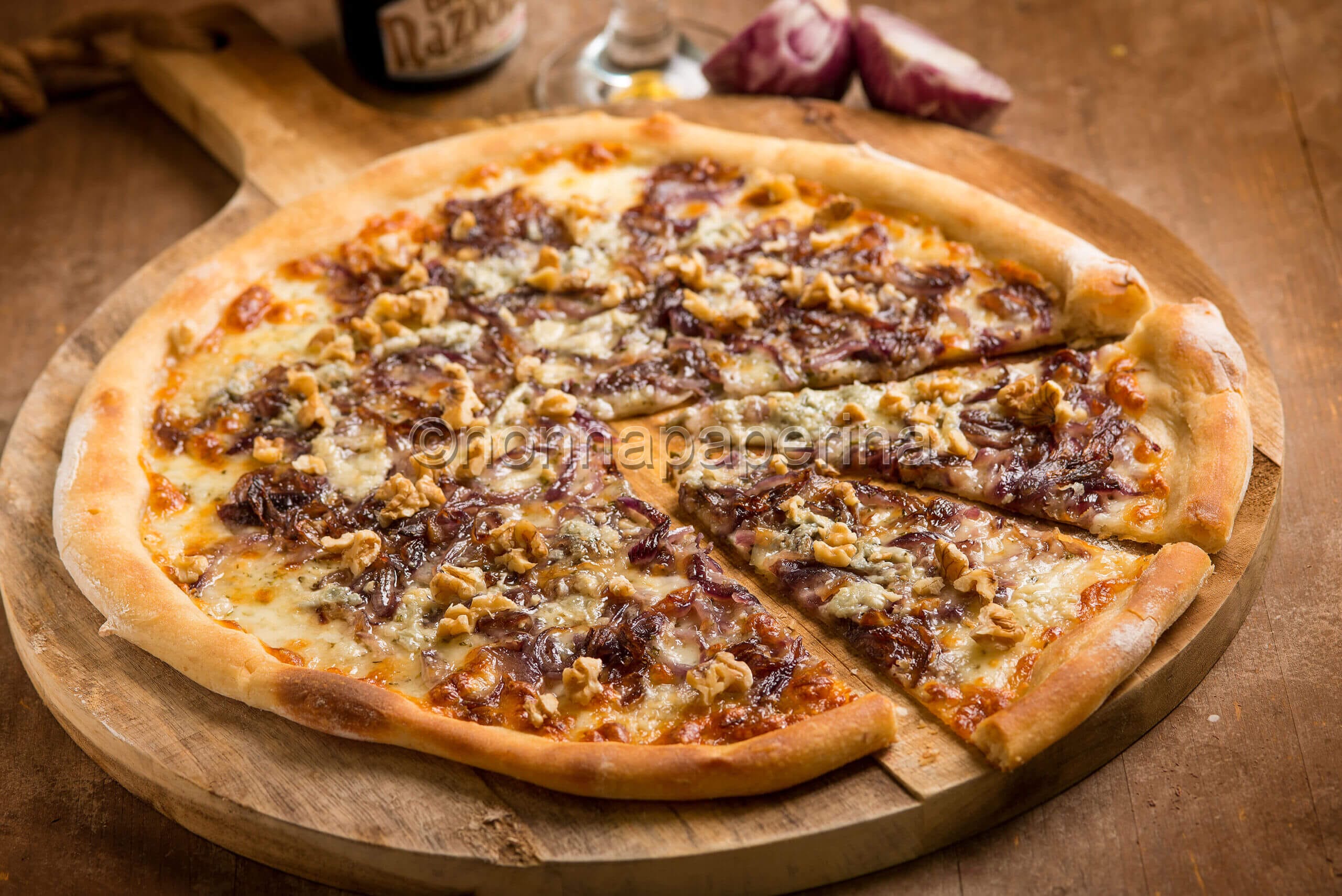
Pick a whole wheat or thin crust to add fiber and reduce refined flour. Use low-sodium tomato sauce to cut down salt. Load your pizza with fresh vegetables like spinach, peppers, and onions. Choose lean protein toppings such as grilled chicken instead of processed meats. Less cheese or low-fat cheese options help limit saturated fat and sodium.
Diy Pizza Benefits
Making pizza at home gives full control over ingredients. You can use fresh, natural foods and avoid preservatives. Homemade pizza lets you adjust salt and fat levels. Experiment with creative veggie toppings and herbs for flavor. This helps create a heart-friendly pizza tailored to your needs.
Limiting High-sodium Add-ons
Avoid processed meats like pepperoni and sausage. These add large amounts of sodium and unhealthy fat. Skip extra cheese or creamy sauces that raise salt content. Use herbs and spices for flavor instead of salt. Be cautious with condiments like olives or pickles, which are often high in sodium.
Foods That Raise Blood Pressure
Certain foods can raise blood pressure and increase health risks. Understanding these foods helps manage blood pressure better. High blood pressure strains the heart and blood vessels. Avoiding or limiting these foods can protect your health.
Sodium-rich Foods
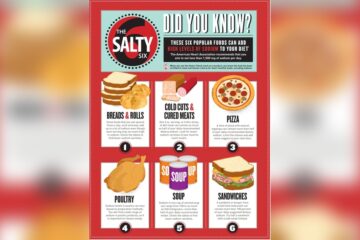
Sodium causes the body to retain extra fluid. This extra fluid raises blood pressure by increasing blood volume. Processed foods, canned soups, and salty snacks contain high sodium levels. Pizza is often high in sodium due to cheese and processed meats. Reading labels helps spot high-sodium items.
Added Sugars
Added sugars can raise blood pressure and cause weight gain. Sugary drinks, desserts, and many snacks have hidden sugars. Excess sugar intake affects hormone balance and blood vessel function. Choosing foods with little or no added sugar is safer. Natural sugars in fruits do not have the same effect.
Saturated And Trans Fats
Saturated and trans fats harm heart health and raise blood pressure. These fats are in fried foods, baked goods, and fatty meats. Pizza toppings like pepperoni and sausage contain these fats. They increase bad cholesterol and reduce blood vessel flexibility. Opting for lean meats and healthy fats supports better blood pressure.
Common High-risk Snacks
Many popular snacks can spike blood pressure quickly. Potato chips, salted nuts, and processed meats are common culprits. These snacks often combine high sodium, unhealthy fats, and sugars. Regular intake can lead to long-term blood pressure problems. Choosing fresh fruits or unsalted nuts is a healthier choice.
Balancing Pizza In Your Diet
Pizza is a popular food enjoyed by many. Balancing it in your diet helps manage blood pressure better. Making smart choices about how often and what type of pizza you eat can reduce health risks.
It is important to enjoy pizza without letting it harm your heart. Small changes and careful planning make a big difference. Here are some tips to help you balance pizza in your diet.
Occasional Indulgence
Eating pizza once in a while limits sodium and fat intake. Treating yourself occasionally avoids constant strain on your blood vessels. Portion control matters; one or two slices are enough. Choose times when you can balance the rest of your meals with healthy options.
Pairing With Heart-healthy Foods
Combine pizza with vegetables like salad or steamed greens. These foods add fiber and nutrients, helping lower blood pressure. Avoid sugary drinks and salty sides. Drinking water or herbal tea supports better heart health.
Monitoring Blood Pressure Effects
Keep track of your blood pressure after eating pizza. Notice if it rises significantly or stays steady. Adjust your pizza choices based on these results. Use whole wheat crust, low-sodium sauce, and fresh toppings to reduce negative effects.

Credit: www.prevention.com
Frequently Asked Questions
Can Pizza Cause Blood Pressure To Rise?
Yes, pizza can raise blood pressure due to high sodium, saturated fats, and processed meats. Choose healthier toppings and limit portions.
What Are Three Foods Cardiologists Say Not To Eat?
Cardiologists advise avoiding processed meats, sugary drinks, and foods high in sodium to protect heart health.
Which Food Triggers High Blood Pressure?
Foods high in sodium like processed meats, cheese, salty sauces, and refined carbs trigger high blood pressure.
What Is The Most Artery Clogging Food?
The most artery-clogging foods are those high in saturated fats and trans fats, like fried fast food, processed meats, and pizza with extra cheese and pepperoni. These foods increase bad cholesterol, leading to plaque buildup and artery blockage. Limit intake for better heart health.
Conclusion
Pizza can raise blood pressure due to its high sodium and fat. Choosing whole wheat crust and more vegetables helps reduce risks. Limiting processed meats and cheese also supports heart health. Eating pizza occasionally, not often, keeps it from harming blood pressure.
Making pizza at home gives control over healthier ingredients. Small changes can make a big difference in managing blood pressure. Enjoy your favorite food wisely and stay mindful of your health.

As the author of the “Ultimate Pizza Guide: Recipes, Tips & Secrets Revealed,” I’m dedicated to sharing my love for pizza and empowering others to create delicious homemade pizzas with ease. Join me on a journey to uncover the secrets to perfecting your pizza game!