“Pizza Accessory Sanitation Standards”
When it comes to making your favorite pizza, you probably focus on fresh ingredients and delicious flavors. But have you ever stopped to think about how clean the tools and accessories are that help create that perfect slice?
Pizza accessory sanitation standards play a huge role in keeping your food safe and tasty. Whether you own a pizza business or just love cooking at home, understanding these sanitation rules can protect you and your customers from harmful bacteria.
You’ll discover the key sanitation practices that keep pizza accessories spotless and why they matter more than you might think. Keep reading to learn how simple steps can make a big difference in pizza safety and quality.
Sanitation Basics For Pizza Accessories
Maintaining clean pizza accessories is essential for food safety. Proper sanitation prevents contamination and ensures a safe eating experience. Understanding basic cleaning practices helps keep tools hygienic and pizza delicious.
Key Pizza Tools To Sanitize
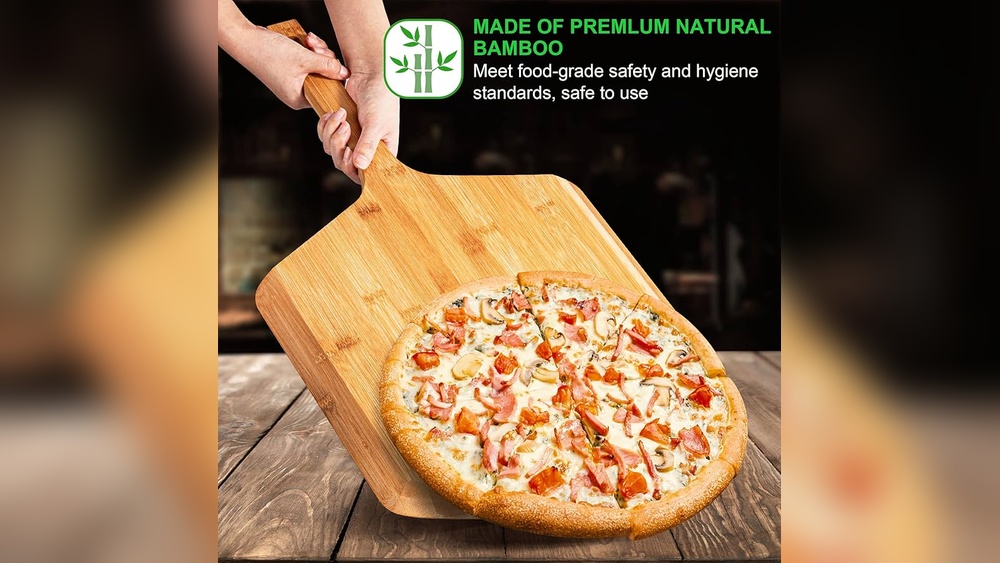
Several tools require regular sanitation. Pizza peels collect flour and sauce residue. Dough mixers touch raw ingredients that can harbor bacteria. Cutting boards and knives often contact cooked and raw items. Even pizza pans and screens need cleaning after each use. Keeping these tools clean reduces health risks and improves food quality.
Common Contaminants To Avoid
Bacteria such as Salmonella and E. coli can grow on dirty tools. Flour dust and leftover food particles attract pests. Oils and grease buildup create slippery surfaces and bad odors. Cross-contamination can spread germs from raw dough to cooked pizza. Avoiding these contaminants protects both staff and customers from foodborne illnesses.
Recommended Cleaning Agents
Use food-safe detergents and sanitizers for pizza tools. Warm water helps dissolve grease and flour residues. Chlorine-based sanitizers kill most bacteria quickly. Quaternary ammonium compounds provide long-lasting protection. Avoid harsh chemicals that leave harmful residues. Rinse tools well after cleaning to remove all cleaning agents.

Credit: www.webstaurantstore.com
Handling Gloves And Hand Hygiene
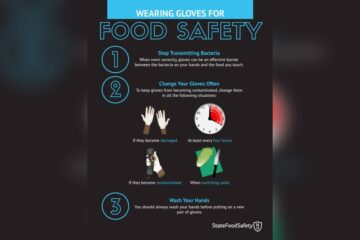
Proper handling gloves and hand hygiene play a crucial role in maintaining pizza accessory sanitation standards. Clean hands reduce the risk of contamination and help keep food safe. Gloves provide a barrier between hands and food but do not replace the need for washing hands regularly. Both practices ensure a clean and safe environment for pizza preparation.
When Gloves Are Necessary
Gloves are necessary when handling ready-to-eat foods like cold toppings or salads. They protect food from germs on hands. Workers with cuts or bandages must wear gloves to avoid contamination. Changing tasks, such as moving from handling money to food, requires new gloves. Gloves are not always used when making pizza dough because clean hands and washing can be more effective.
Benefits Of Frequent Handwashing
Frequent handwashing removes dirt, bacteria, and viruses from hands. It lowers the chance of spreading germs to pizza and accessories. Washing hands is effective even when gloves are worn. Clean hands prevent cross-contamination between raw and cooked foods. Handwashing is a simple, low-cost way to keep food safe every day.
Risks Of Bare-hand Contact
Bare-hand contact with ready-to-eat foods increases the risk of contamination. Harmful bacteria can transfer from hands to food easily. This may cause foodborne illnesses for customers. Bare hands touching pizza toppings or accessories can spread germs quickly. Using gloves or clean utensils helps reduce these risks effectively.
Sanitizing Pizza Prep Surfaces
Sanitizing pizza prep surfaces is crucial for food safety and quality. Clean surfaces prevent contamination and keep ingredients fresh. Proper sanitation protects customers from harmful bacteria. It also extends the life of your pizza accessories. Following strict cleaning routines ensures a safe kitchen environment.
Types Of Surfaces To Clean
Pizza prep areas include various surfaces that need regular cleaning. These are dough tables, cutting boards, countertops, and pizza peel handles. Stainless steel and wood surfaces require different care methods. Each surface can harbor bacteria if not cleaned properly. Don’t forget sinks and storage areas where accessories are kept.
Effective Cleaning Techniques
Start by removing food debris from all prep surfaces. Use warm water and soap to wash thoroughly. Scrub surfaces with a brush or sponge to remove stuck-on residue. Rinse with clean water to remove soap. Apply a food-safe sanitizer to kill germs. Let surfaces air dry or use clean towels.
Sanitizing Frequency Guidelines
Sanitize prep surfaces before starting food prep and after each task. Clean between handling different toppings to avoid cross-contamination. Surfaces should also be sanitized after spills or visible dirt. At least once a day, perform a deep clean of all pizza prep areas. Follow local health codes for specific timing requirements.
Credit: www.webstaurantstore.com
Maintaining Oven And Equipment Cleanliness
Maintaining cleanliness in pizza ovens and equipment is crucial for food safety and quality. Clean ovens ensure even cooking and prevent burnt flavors. Proper sanitation of tools reduces bacteria and contamination risks. Regular cleaning protects both customers and your kitchen staff.
Cleaning Pizza Ovens Safely
Turn off the oven and let it cool before cleaning. Use a soft brush to remove crumbs and debris. Avoid harsh chemicals that could leave harmful residues. Wipe surfaces with a damp cloth and food-safe cleaner. Clean oven racks and trays regularly to prevent buildup. Always follow the manufacturer’s cleaning instructions.
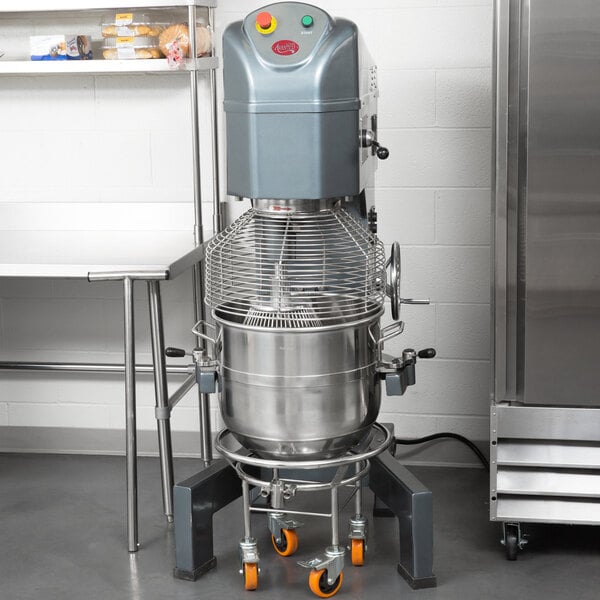
Sanitizing Dough Mixers And Tools
Disassemble mixers and remove all dough remnants. Wash parts with warm, soapy water and rinse well. Use a food-safe sanitizer to kill germs on tools. Allow parts to dry completely before reassembling. Clean knives, dough cutters, and peel boards after each use. Regular sanitation keeps dough fresh and safe.
Preventing Cross-contamination
Separate raw ingredients from cooked items at all times. Use different cutting boards and utensils for meats and vegetables. Wash hands thoroughly before handling food. Clean surfaces and equipment between tasks to avoid spreading bacteria. Train staff on hygiene practices to maintain safe food handling. Cross-contamination prevention protects your customers’ health.
Storage And Handling Of Pizza Accessories
Proper storage and handling of pizza accessories are essential for maintaining cleanliness and food safety. Pizza tools, like peels, cutters, and trays, must be kept in a clean and dry environment. This prevents contamination and ensures they are ready for use during service. Following strict sanitation standards helps protect customers from foodborne illnesses.
Proper Storage Practices
Store pizza accessories in designated areas away from food and chemicals. Use clean shelves or hooks to keep items off the floor. Organize tools by type to avoid cross-contamination. Label storage spaces clearly to maintain order. Regularly clean storage areas to remove dust and debris. Proper storage extends the life of accessories and keeps them safe.
Avoiding Moisture And Bacteria Growth
Moisture encourages bacteria growth on pizza accessories. Dry all tools completely before storing them. Use towels or air drying racks to ensure no water remains. Avoid stacking wet items, as this traps moisture. Check accessories frequently for signs of mold or rust. Keeping accessories dry reduces health risks and maintains hygiene.
Safe Handling During Service
Handle pizza accessories with clean hands or gloves. Avoid touching food-contact surfaces directly. Sanitize tools regularly during busy service times. Use separate accessories for raw and cooked foods to prevent contamination. Train staff on proper handling techniques to ensure safety. Safe handling protects both workers and customers from germs.

Credit: www.amazon.com
Local Health Codes And Compliance
Local health codes set clear rules for pizza accessory sanitation. These rules help keep food safe and prevent illness. Pizza shops must follow these codes to maintain high cleanliness standards. Compliance protects customers and builds trust in the business.
Key Regulations In Austin, Texas
Austin requires all pizza accessories to be cleaned regularly. Utensils, dough trays, and cutting boards must be sanitized after use. Food contact surfaces need approved sanitizers. Temperatures for washing and rinsing must meet local standards. Employees must follow strict handwashing rules to avoid contamination.
Inspection Preparation Tips
Keep cleaning logs updated daily. Store pizza tools off the floor and covered. Train staff on proper sanitation practices. Check sanitizer levels often and refill as needed. Remove any visible food debris from accessories before inspection. Regularly review local health code updates to stay compliant.
Consequences Of Non-compliance
Failing to meet sanitation standards leads to fines. Repeat violations can result in temporary closure. Poor sanitation harms reputation and customer trust. Legal action may follow if foodborne illness occurs. Staying compliant avoids penalties and ensures smooth business operations.
Training Staff On Sanitation Standards
Training staff on sanitation standards is vital for maintaining a clean and safe pizza kitchen. Proper training helps prevent contamination and ensures all pizza accessories stay hygienic. Well-trained employees understand the importance of cleanliness and follow strict sanitation protocols.
Effective training creates a culture of safety. It reduces the risk of foodborne illnesses and keeps customers happy. Every staff member must learn and apply sanitation rules consistently.
Essential Hygiene Training Topics
Staff should learn proper handwashing techniques. They must know when and how to wash hands thoroughly. Training includes correct glove use and when gloves are required. Employees need to clean and sanitize pizza tools and surfaces regularly. Understanding cross-contamination risks is also crucial. Staff should know how to handle raw and cooked ingredients safely.
Regular Sanitation Audits
Regular audits check if sanitation standards are followed. Supervisors inspect work areas, tools, and staff behavior. These audits help identify hygiene gaps early. Immediate action fixes any issues found. Frequent checks keep sanitation top of mind for employees. Audits also provide feedback to improve training and procedures.
Encouraging Accountability
Each team member must take responsibility for cleanliness. Clear roles and expectations support this goal. Staff should report sanitation problems without fear. Positive reinforcement motivates good hygiene practices. Managers lead by example and hold staff accountable. Accountability builds trust and ensures consistent sanitation efforts.
Innovations In Pizza Accessory Sanitation
Innovations in pizza accessory sanitation have improved cleanliness and safety in pizza preparation. New methods and tools help maintain high hygiene standards. These advancements reduce contamination risks and improve efficiency. Sanitation now goes beyond traditional cleaning, using technology and eco-friendly approaches.
Sanitizing Technologies
Modern sanitizing technologies include UV light and ozone cleaning. UV light kills bacteria on surfaces without chemicals. Ozone sanitizes air and equipment quickly and effectively. These technologies reduce the need for harsh chemicals. They also help reach hard-to-clean spots on accessories.
Eco-friendly Cleaning Solutions
Eco-friendly cleaning uses natural and biodegradable ingredients. These solutions are safe for workers and the environment. They avoid toxic chemicals that can harm pizza accessories or food safety. Many pizza businesses now choose green cleaning products. This approach supports sustainability without losing cleaning power.
Automation In Sanitation Processes
Automation improves consistency and speed in cleaning routines. Machines can wash and sanitize pizza pans, cutters, and trays automatically. Automated systems reduce human error and contamination risks. They save time and labor costs for busy pizza kitchens. Automation ensures every accessory meets sanitation standards reliably.
Frequently Asked Questions
What’s The 2 Hour Rule For Pizza?
The 2-hour rule states pizza left out over 2 hours at room temperature may grow harmful bacteria. Refrigerate leftovers promptly.
What Happens If I Put Pineapple On Pizza In Italy?
Putting pineapple on pizza in Italy often sparks debate, as traditionalists dislike it. Some restaurants may refuse it, but it’s not illegal. Tourists usually enjoy this topping without issue. Pineapple pizza remains controversial but available in many Italian pizzerias catering to diverse tastes.
Does A Pizza Oven Have To Be Under A Hood?
A pizza oven must be under a hood if used commercially or required by local health codes. Residential ovens may not need one.
Do Pizza Places Have To Use Gloves?
Pizza places must follow local health codes; gloves are usually required for ready-to-eat items but often not for handling hot pizza dough. Frequent handwashing remains essential.
Conclusion
Keeping pizza accessories clean protects customers and staff from illness. Follow local rules for washing and sanitizing tools often. Use approved cleaning products to remove germs and food residue. Regular checks ensure standards stay high and equipment works well. Clean accessories help make safe, tasty pizza every time.
Simple steps create a healthier kitchen and happy customers. Prioritize sanitation to support your pizza business’s success.

As the author of the “Ultimate Pizza Guide: Recipes, Tips & Secrets Revealed,” I’m dedicated to sharing my love for pizza and empowering others to create delicious homemade pizzas with ease. Join me on a journey to uncover the secrets to perfecting your pizza game!