When was the last time you thought about replacing your pizza accessories? Whether it’s your oven timer, pizza stone, or baking peel, knowing the right time to replace these tools can make all the difference between a perfect homemade pizza and a disappointing one.
You rely on your pizza accessories to deliver that crispy crust and even bake every single time—so why risk using worn-out parts that could ruin your pizza night? You’ll discover exactly when and why you should replace your pizza accessories, how to spot signs of wear, and simple tips to extend their lifespan.
Keep reading to ensure every pizza you make is as delicious as the first slice!
Pizza Stone Preheating
Preheating a pizza stone is essential for a perfect pizza crust. The stone absorbs heat and distributes it evenly. This creates a crispy base and cooks toppings properly. Without preheating, your pizza may turn out soggy or unevenly cooked. Understanding the right timing and temperature helps you get the best results every time.
Ideal Preheat Duration
Heat your pizza stone for at least 30 minutes before baking. This allows the stone to reach the right temperature. Thicker stones may require up to 45 minutes. Avoid placing dough on a cold stone. Preheating ensures the crust cooks quickly and stays crispy.
Temperature Tips
Set your oven between 450°F and 500°F for optimal stone heating. Higher temperatures create a better crust but watch for burning toppings. Avoid temperatures below 400°F, as the stone won’t get hot enough. Adjust time if your oven runs hotter or cooler than usual.
Using Infrared Thermometers
Infrared thermometers measure the stone’s surface temperature without contact. Aim for about 500°F on the stone’s surface before baking. This tool helps avoid guesswork and ensures the stone is evenly heated. Use it to check spots that might be cooler or hotter than others.
Oven Timer Settings
Oven timer settings play a vital role in baking the perfect pizza. Correct timing ensures the crust is crispy and toppings are cooked just right. Using the timer properly can extend the life of your pizza oven accessories by preventing overuse and damage.
Setting The Timer Correctly
Always set the timer before placing your pizza inside the oven. This helps avoid burning or undercooking the pizza. Use the timer to match the recipe’s recommended baking time exactly. Check the timer regularly during baking to make sure it works accurately.
Recommended Baking Times
Most pizzas bake well between 10 and 15 minutes. Thin crust pizzas often need less time, about 8 to 12 minutes. Thick crust or deep dish pizzas require longer, usually 15 to 20 minutes. Follow your oven’s manual and pizza recipe for best results.
Adjusting For Different Ovens
Every oven heats differently. Gas ovens may cook faster than electric ones. Convection ovens often reduce baking time by a few minutes. Adjust your timer setting based on your oven’s heat and airflow. Test and note the best time for your specific oven to avoid mistakes.
Replacing Pizza Accessories
Replacing pizza accessories is essential to keep your pizza oven working well. Over time, parts wear out and affect cooking quality. Timely replacement saves you from bigger repairs and unsafe cooking conditions. Knowing when and what to replace helps maintain great pizza taste and oven safety.
Signs Of Wear And Tear
Look for cracks, chips, or discoloration on stones and trays. Burn marks or melted spots on knobs show damage. Timers that do not keep time or stop working need attention. Loose or broken handles and hinges also warn of wear. These signs mean it is time to replace parts.
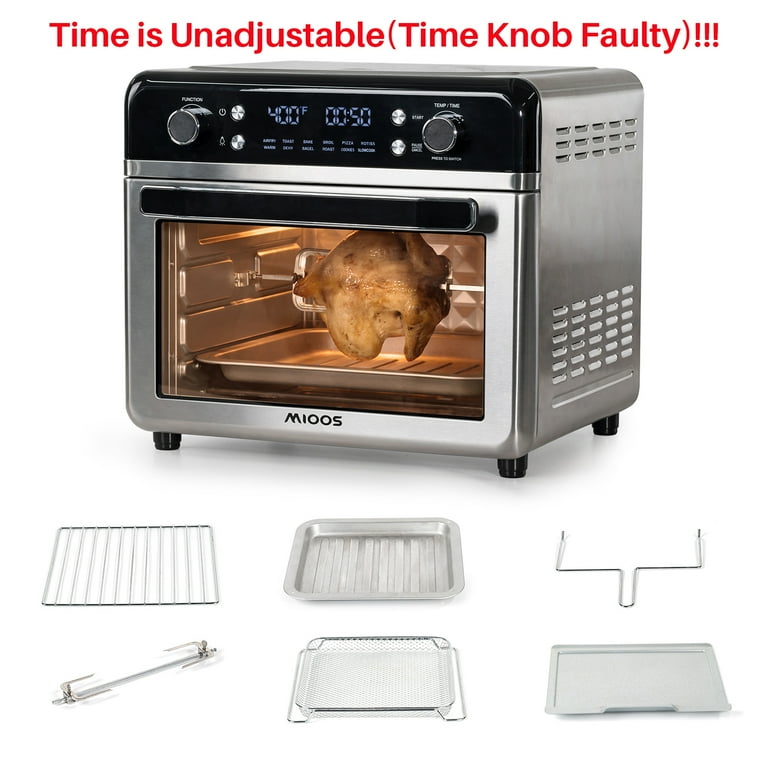
When To Replace Timers And Knobs
Replace timers if they stop counting down or reset randomly. Knobs that are hard to turn or missing pieces affect oven control. Frequent use causes knobs and timers to wear faster. Replace them every 1-2 years for best performance. Use original or compatible parts for proper fit.
Choosing Quality Replacement Parts
Select parts made from durable materials like metal or heat-resistant plastic. Avoid cheap parts that may melt or break easily. Check reviews and ratings before buying replacements. Choose brands known for oven accessories to ensure safety. Quality parts last longer and keep your pizza oven reliable.
Credit: www.walmart.com
Pizza Stone Lifespan
Pizza stones are essential for perfect homemade pizza. Knowing how long your stone lasts helps maintain great results. Their lifespan varies by use and care. Understanding key factors extends their durability and improves baking.
Material Impact On Durability
Pizza stones come in different materials like ceramic, cordierite, and soapstone. Cordierite lasts longest because it handles heat well. Ceramic stones may crack faster under high heat. Soapstone is durable but can be heavy and expensive. Choose material based on your baking frequency and budget.
Avoiding Thermal Shock
Thermal shock happens when the stone heats or cools too fast. Avoid placing a cold stone in a hot oven. Let the stone heat gradually with the oven. Do not put a hot stone on a cold surface. Sudden temperature changes cause cracks and shorten lifespan.
Proper Handling And Cleaning
Handle your pizza stone carefully to avoid drops and chips. Use a scraper or brush for cleaning. Avoid soap or detergent; it absorbs into the stone. Let the stone cool before washing with warm water. Proper care prevents damage and keeps your stone usable longer.
Maintaining Accessories
Maintaining your pizza accessories properly helps them last longer and perform better. Regular care keeps tools like pizza stones, peels, and cutters in top shape. Knowing how to clean, store, and protect your accessories is essential for great pizza every time.
Cleaning Best Practices
Clean pizza accessories after each use. Avoid harsh chemicals that can damage surfaces. Use warm water and a mild soap for cleaning. For pizza stones, scrape off food bits with a plastic scraper only. Never soak stones in water. Let them air dry completely before storing. Keep metal tools dry to prevent rust.
Storage Tips
Store accessories in a dry, cool place. Avoid stacking heavy items on pizza stones. Use a soft cloth or paper towel between stones if stacking is necessary. Keep cutting tools in a protective sheath or container. Store peels hanging or flat to avoid bending. Proper storage prevents damage and dirt buildup.
Extending Accessory Life
Handle accessories gently to avoid cracks and dents. Preheat pizza stones gradually to prevent thermal shock. Use a pizza stone only for baking, not as a cutting surface. Inspect tools regularly for wear and tear. Replace accessories when cracks or rust appear. Regular maintenance saves money and improves pizza quality.

Credit: www.amazon.com
Expert Baking Tips
Perfect pizza baking depends on careful use of your accessories. Expert baking tips help you get the best crust and flavor. Using the right tools at the right time makes a big difference. This section covers how to build pizza on a hot stone, timing for a perfect crust, and using accessories for consistent results.
Building Pizza On A Hot Stone
Place your pizza stone in a cold oven before heating. This prevents cracks and lets the stone heat evenly. Preheat the oven to 475°F or higher for at least 45 minutes. Use a floured pizza peel to build your pizza. Slide the pizza onto the hot stone quickly to keep the heat steady. The stone absorbs moisture and creates a crispy crust.
Timing For Perfect Crust
Preheat your pizza stone thoroughly to ensure a crisp base. Bake the pizza for 7 to 10 minutes depending on thickness. Thinner crusts cook faster, so watch closely to avoid burning. Rotate the pizza halfway through baking for even heat. Remove the pizza once the cheese bubbles and edges turn golden brown.
Using Accessories For Consistency
Replace worn accessories to maintain baking quality. Old pizza stones or peels lose heat and grip. Timers help track baking duration precisely. Use heat-resistant gloves for safe handling. Consistent accessories deliver better, repeatable results every time you bake.

Credit: www.homedepot.com
Frequently Asked Questions
How Long To Heat A Pizza Stone Before Use?
Heat a pizza stone for 30 to 45 minutes at 450-500°F (230-260°C) before baking. This ensures even, thorough heating for a crispy crust.
How To Set Timer In Oven For Pizza?
Set your oven timer based on pizza type and thickness. Typically, bake at 450°F for 10-15 minutes. Adjust time as needed.
How Long Do Pizza Stones Last?
Pizza stones last for many years with proper care. Cordierite stones offer excellent durability. Avoid thermal shock and drops to prevent cracking. Preheat gently and clean carefully to extend lifespan. Lifespan varies by material and handling, ranging from a few years to decades.
Do You Need To Season A Pizza Stone Before Using It?
No, you don’t need to season a pizza stone before using it. Simply preheat it well to avoid sticking.
Conclusion
Replacing pizza accessories at the right time keeps your oven working well. Watch for signs like cracks, warping, or worn-out parts. Regular checks help avoid poor cooking results and safety issues. Use quality replacements to maintain your pizza’s taste and texture.
Timely changes save money by preventing bigger repairs later. Keep your pizza tools in good shape for the best baking experience. Small efforts lead to delicious pizzas every time. Stay attentive and enjoy fresh, perfectly cooked pizzas at home.

As the author of the “Ultimate Pizza Guide: Recipes, Tips & Secrets Revealed,” I’m dedicated to sharing my love for pizza and empowering others to create delicious homemade pizzas with ease. Join me on a journey to uncover the secrets to perfecting your pizza game!