“Pizza Accessory Inspection Schedule”
If you run a pizza business or manage a food truck, keeping your pizza accessories in top shape is crucial. But how often should you check your equipment to stay safe, compliant, and efficient?
Your Pizza Accessory Inspection Schedule isn’t just a routine—it’s the key to avoiding costly downtime, passing health inspections with ease, and serving the best slices every time. You’ll discover exactly when and how to inspect your pizza tools, what to look for, and tips to make inspections quick and stress-free.
Stay with us to ensure your pizza operation runs smoothly and your customers keep coming back for more!
Inspection Frequency
Setting the right inspection frequency for pizza accessories keeps operations smooth. Regular checks catch issues early and maintain safety standards. A clear schedule balances thoroughness with efficiency, helping staff stay on track.
Quarterly And Biannual Checks
Quarterly inspections focus on daily-use items like dough rollers and pizza cutters. These checks ensure equipment works well and meets hygiene rules. Biannual checks cover ovens and refrigeration units, confirming proper function and safety. Both schedules reduce breakdown risks and keep food quality high.
Surprise Inspections
Surprise inspections test readiness and compliance without warning. They help spot unnoticed problems and maintain consistent standards. Staff stay alert and follow best practices daily. These checks support ongoing safety and cleanliness in the kitchen.
Annual Fire Safety Reviews
Fire safety reviews happen once a year to protect staff and property. Inspectors check fire extinguishers, alarms, and ventilation systems. They verify emergency exits and confirm fire suppression equipment works. This yearly review helps prevent accidents and ensures quick response if fires occur.
Key Accessories To Inspect
Inspecting key pizza accessories ensures smooth operation and food safety. Regular checks prevent breakdowns and maintain quality. Focus on essential equipment to keep your pizza business running well. Here are the main accessories to inspect regularly.
Ovens And Heating Units
Check ovens for even heat distribution and correct temperature settings. Look for cracks or damage in the heating elements. Clean oven interiors to remove grease and food residue. Test safety features like automatic shut-off and alarms. Proper oven function ensures perfectly cooked pizzas every time.
Refrigeration Equipment
Inspect refrigerators and freezers for temperature accuracy and door seals. Check for frost build-up or leaks that reduce efficiency. Clean condenser coils to improve cooling performance. Ensure all shelves and trays are intact and clean. Good refrigeration keeps ingredients fresh and safe for use.
Ventilation Systems
Examine vents and exhaust fans for blockages and dirt. Check filters and replace them regularly to maintain airflow. Test that fans operate quietly and steadily without unusual noise. Proper ventilation removes smoke and heat, creating a safer kitchen environment. This helps maintain air quality and comfort for staff.
Cleaning Tools And Supplies
Inspect brushes, scrapers, and cloths for wear and cleanliness. Replace damaged tools to avoid cross-contamination. Check that cleaning chemicals are stored safely and labeled clearly. Maintain a well-stocked cleaning kit for daily use. Clean tools support hygiene standards and prevent foodborne illnesses.
Inspection Checklist Essentials
An effective pizza accessory inspection schedule depends on a detailed checklist. This checklist ensures all tools and equipment meet quality and safety standards. Regular inspections prevent breakdowns and keep pizza-making smooth. Each item on the list confirms the accessory is ready for use and safe for the kitchen environment.
Equipment Condition
Check all accessories for wear and damage. Look for cracks, rust, or broken parts. Ensure handles and grips are secure. Replace any item that shows signs of wear. Good condition extends the life of your tools. It also improves the quality of your pizza.
Safety Compliance
Verify accessories meet local safety regulations. Check for sharp edges or loose parts. Ensure electrical accessories have proper insulation. Use tools that prevent accidents in a busy kitchen. Safety compliance reduces injury risks. It also protects your business from penalties.
Sanitation Standards
Clean accessories thoroughly before each use. Check for leftover food or grease build-up. Use food-safe cleaning agents to sanitize tools. Inspect for cracks where bacteria can hide. Proper sanitation keeps food safe. It also helps pass health inspections easily.
Temperature Controls
Ensure ovens and warmers maintain correct temperatures. Check thermometer accuracy regularly. Confirm cooling units keep ingredients fresh. Temperature control prevents foodborne illness. It also guarantees the best pizza taste and texture.
Credit: www.ebay.com
Common Inspection Challenges
Inspecting pizza accessories regularly is essential for safe and efficient kitchen operations. Many challenges arise during these inspections that can affect accuracy and compliance. Understanding common hurdles helps maintain a smooth inspection schedule and ensures equipment reliability.
Identifying Wear And Tear
Spotting wear and tear early is difficult. Some damage is hidden or subtle. Small cracks or loose parts may go unnoticed. Inspectors must check all components carefully. Using a flashlight or magnifier can help reveal defects. Regular training improves the ability to identify issues quickly. Ignoring minor wear can lead to bigger problems later.
Maintaining Proper Documentation
Keeping accurate records is often a struggle. Missing or incomplete paperwork causes delays and confusion. Each inspection must be logged with clear details. Dates, findings, and actions taken should be recorded. Digital tools can simplify tracking and storage. Consistent documentation supports accountability and compliance with health standards.
Ensuring Consistent Cleaning
Cleaning pizza accessories properly is vital but challenging. Some parts are hard to reach or disassemble. Residue buildup can hide under surfaces or in joints. Staff must follow cleaning protocols strictly every time. Scheduling regular deep cleans prevents contamination. Consistency in cleaning protects food quality and extends equipment life.
Maintenance Tips For Longevity
Maintaining your pizza accessories is key to extending their life and performance. Regular care prevents breakdowns and keeps equipment safe. Follow these simple maintenance tips to ensure your tools last longer and work efficiently.
Regular Cleaning Routines
Clean pizza accessories after every use. Remove crumbs, cheese, and sauce to stop buildup. Wipe surfaces with a damp cloth and mild soap. Avoid harsh scrubbing that can damage coatings. Dry accessories completely before storing them.
Scheduled Equipment Servicing
Set a calendar for routine checks and servicing. Inspect for wear, loose parts, or rust. Replace damaged items promptly to avoid bigger issues. Professional servicing helps maintain ovens, mixers, and cutters in top shape. Keep records of each service for reference.
Using Recommended Cleaning Agents
Choose cleaning agents made for pizza equipment. Harsh chemicals can harm materials and leave residues. Use food-safe cleaners approved by manufacturers. Follow instructions carefully to protect surfaces. Proper agents ensure thorough cleaning and preserve accessory quality.

Credit: www.ebay.com
Preparing For Health Inspections
Preparing for health inspections is crucial for every pizza business. These inspections ensure safety and hygiene standards are met. Staying ready helps avoid last-minute stress and fines. It also builds trust with customers and inspectors. A clear plan and routine make inspections smoother and more effective.
Organizing Inspection Records
Keep all inspection records in one place. Use folders or digital files labeled by date. Include cleaning logs, repair notes, and past inspection reports. Organized records show your commitment to safety. They help quickly answer inspectors’ questions. Regular updates keep information current and accurate.
Staff Training And Awareness
Train your staff on health and safety rules. Teach them how to use pizza accessories properly. Explain the importance of cleanliness and maintenance. Make sure they know inspection schedules and what to expect. Regular meetings help keep everyone informed. Well-trained staff reduce inspection risks and errors.
Mock Inspection Practices
Conduct mock inspections regularly to find weak points. Use the real inspection checklist as a guide. Check pizza accessories, storage, and sanitation areas. Identify problems and fix them before the real inspection. Practice helps staff stay confident and prepared. It also improves overall workplace hygiene and safety.
Safety Regulations In Austin, Texas
Safety regulations in Austin, Texas, play a key role in the pizza accessory inspection schedule. These rules ensure that pizza businesses maintain safe environments for workers and customers. They cover fire safety, health standards, and proper food handling. Strict compliance helps avoid fines and shutdowns.
Understanding these regulations is important for every pizza business in Austin. Regular inspections check that all accessories and equipment meet local laws. This keeps kitchens safe and food clean.
Local Fire Safety Codes
Austin requires all pizza businesses to follow local fire safety codes. Fire extinguishers must be accessible and inspected regularly. Ventilation systems need to be clean and functioning well. Electrical wiring and gas lines must meet safety standards. These rules reduce fire risks in busy kitchens.
Annual fire inspections verify compliance with these codes. Staff should know emergency exit routes and fire procedures. Proper storage of flammable materials is also required.
Health Department Requirements
The Austin Health Department sets strict rules for pizza accessory inspections. Equipment must be clean and free of damage. Surfaces that touch food need regular sanitizing. Trash areas must be kept clean and sealed.
Inspectors look for pest control measures and proper waste disposal. Food contact items must be stored off the floor. Businesses must keep records of cleaning schedules and repairs.
Food Handling Guidelines
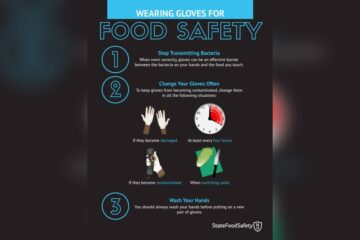
Safe food handling is critical to prevent contamination. Pizza businesses must train staff on hygiene and safe practices. Handwashing stations must be stocked and accessible. Gloves and hairnets are often required during food prep.
Temperature controls are vital. Hot foods must stay above 135°F, cold foods below 41°F. Cross-contamination risks must be minimized by using separate utensils. Proper labeling and storage of ingredients help maintain safety.

Credit: www.jewelosco.com
Technology In Accessory Inspection
Technology plays a key role in improving pizza accessory inspection. It helps ensure safety and quality with less manual effort. Modern tools make the inspection process faster and more accurate. This leads to fewer errors and better maintenance of pizza accessories.
Automated Monitoring Systems
Automated monitoring systems track accessory conditions continuously. Sensors collect data on temperature, humidity, and usage. This data alerts staff to any unusual changes quickly. These systems reduce the need for constant manual checks. They help catch problems before they cause damage.
Deep Learning For Defect Detection
Deep learning uses artificial intelligence to find defects in accessories. It analyzes images and patterns to spot cracks or wear. The system learns from past inspections to improve accuracy. This method detects small issues that are often missed by humans. It ensures that only safe and functional accessories are used.
Digital Checklist Tools
Digital checklist tools simplify the inspection process. Inspectors use tablets or smartphones to follow step-by-step guides. These tools ensure no step is skipped during inspection. They store records automatically for easy review and compliance. Digital checklists save time and improve organization.
Frequently Asked Questions
How Often Do Food Trucks Get Inspected?
Food trucks usually get inspected quarterly or biannually. Surprise inspections can occur anytime. Fire safety checks happen annually.
What Is The Checklist Of Inspection?
An inspection checklist lists key items to verify equipment function, safety, cleanliness, and compliance. Inspectors tick off each item during the review.
How Often Do Health Inspectors Come Around?
Health inspectors usually visit high-risk food businesses every six months. Low-risk places may get inspected annually or every two years. Surprise inspections can occur anytime to ensure ongoing compliance.
How Often Are Food Health Inspections?
Food health inspections typically occur every six months for high-risk businesses. Low-risk places may be inspected every one to two years. Surprise inspections can happen anytime to ensure compliance and safety.
Conclusion
Regular inspection of pizza accessories keeps your kitchen safe and efficient. Follow a clear schedule to catch issues early. Check tools and equipment often for cleanliness and proper function. Consistent inspections help avoid costly repairs and food safety problems. Keep records of each inspection for accountability and improvements.
Staying organized ensures your pizza operation runs smoothly every day. Simple steps lead to better quality and customer satisfaction. Make inspection a routine part of your pizza business success.

As the author of the “Ultimate Pizza Guide: Recipes, Tips & Secrets Revealed,” I’m dedicated to sharing my love for pizza and empowering others to create delicious homemade pizzas with ease. Join me on a journey to uncover the secrets to perfecting your pizza game!