“Pizza Accessory Food-Contact Safety”
When you enjoy a hot, delicious pizza, you probably don’t think much about the safety of the accessories that come with it. But have you ever wondered if the pizza box, plates, or utensils touching your food are truly safe?
Pizza accessory food-contact safety is more important than you might realize. It’s about making sure the materials that touch your pizza don’t transfer harmful chemicals or bacteria to your meal. You’ll discover what makes these accessories safe, how regulations protect you, and what to look for when choosing pizza accessories.
Keep reading to protect your health and enjoy every bite with confidence.
Credit: nogueiraadv.com.br
Fda Food Contact Rules
The FDA Food Contact Rules ensure materials used with food are safe for consumers. These rules cover all items that touch food, including pizza accessories like boxes, cutters, and trays. The FDA sets strict guidelines to prevent harmful chemicals from transferring to food during contact. Manufacturers must follow these rules to keep food safe and avoid contamination.
Understanding FDA regulations helps pizza businesses choose safe products. Safe pizza accessories protect health and maintain food quality. Compliance with these rules also builds customer trust.
What Fda Considers Safe
The FDA defines safe food-contact materials as those that do not release harmful substances into food. Safety depends on the type of material and how it is used. The agency tests materials for chemical migration and toxicity. Only materials proven safe under normal use conditions pass FDA standards.
Safe materials must resist heat, moisture, and food acids without breaking down. The FDA also considers cleaning and reuse when evaluating materials. The goal is to prevent any contamination that could harm consumers.
Materials Allowed In Pizza Accessories
Common FDA-approved materials for pizza accessories include food-grade plastics, cardboard, stainless steel, and silicone. Each material meets specific safety criteria for contact with hot or cold foods.
Food-grade plastics used in pizza boxes and cutters must be free from harmful additives. Cardboard for pizza boxes must have FDA-approved coatings to prevent grease and moisture leaks. Stainless steel tools and trays must resist rust and corrosion under frequent cleaning.
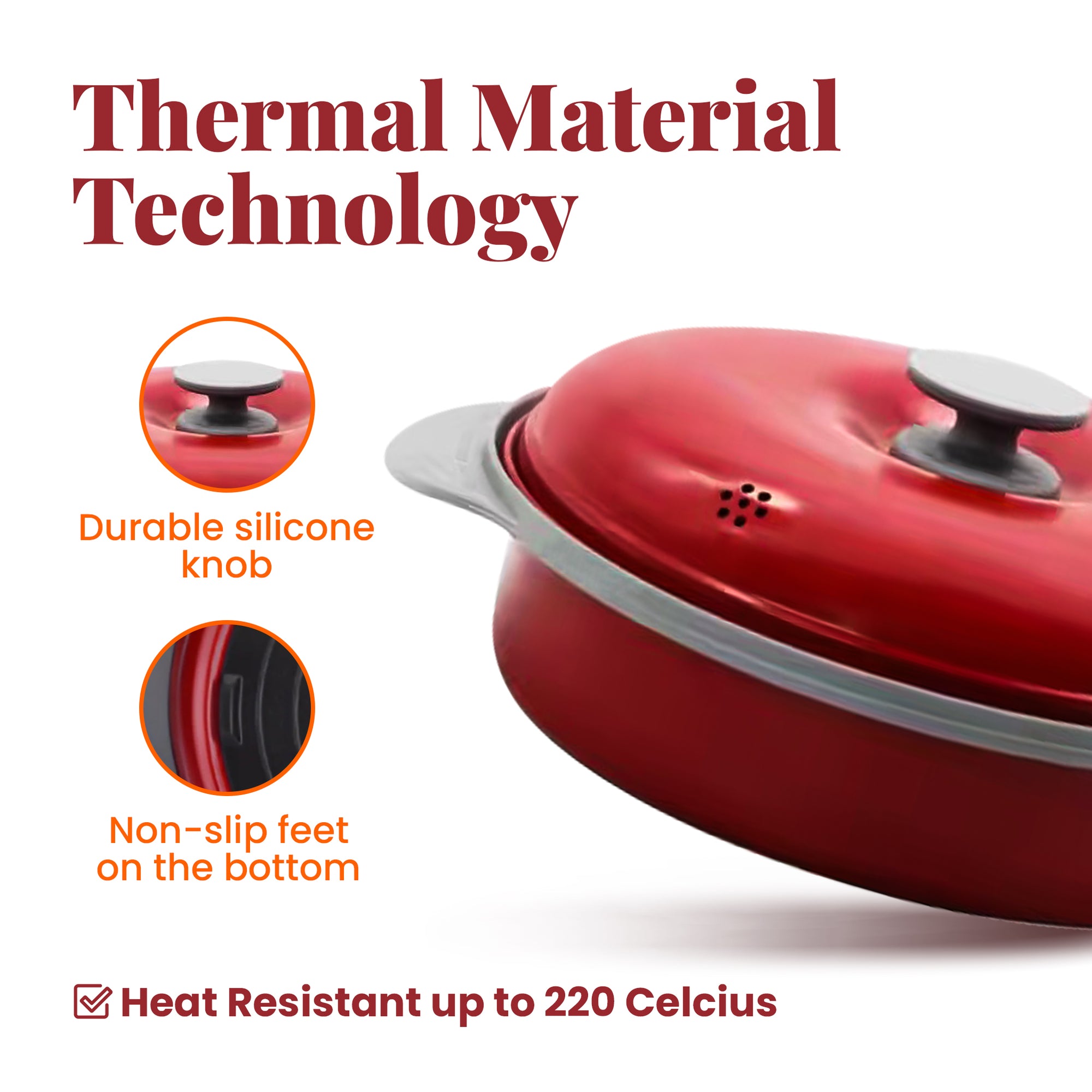
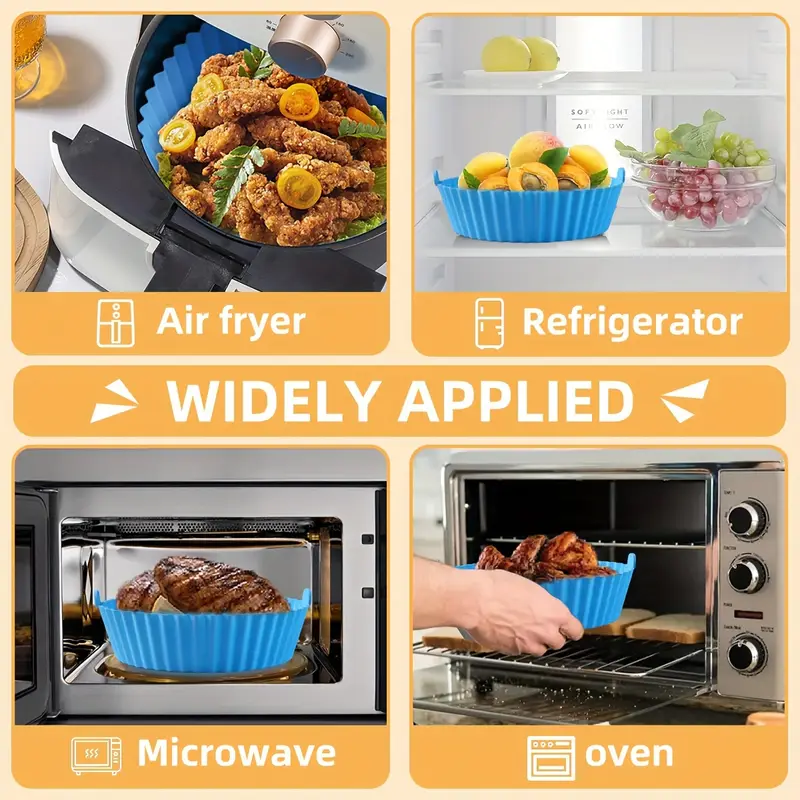
Silicone accessories, like baking mats, are FDA compliant if made without toxic fillers. Choosing these approved materials ensures pizza accessories stay safe during use and handling.
Common Pizza Accessory Materials
Pizza accessories come in various materials that touch your food directly. Choosing safe materials is key to avoid health risks. These materials include cardboard, plastics, and metals. Each has specific safety features and concerns. Understanding these helps keep pizza delicious and safe.
Cardboard Safety Features
Cardboard is the most common pizza box material. It is lightweight and recyclable. Food-grade cardboard meets strict safety rules. It must not release harmful chemicals to the pizza. Many boxes have a special coating to resist grease and moisture. This coating is tested to be safe for food contact. The cardboard also helps keep pizza warm and fresh during delivery.
Use Of Plastics And Metals
Plastics appear in pizza containers and utensils. Food-safe plastics are made without toxic additives. These plastics must pass FDA tests to ensure safety. Metals like stainless steel are common in pizza cutters and trays. Stainless steel is durable, easy to clean, and does not react with food. Both materials must be free from harmful substances. They also need to withstand heat and cleaning chemicals without breaking down.
Concerns With Pfas And Chemicals
PFAS are chemicals used to make pizza boxes grease-resistant. These chemicals can transfer to food and cause health issues. Many manufacturers now avoid PFAS in their products. Checking for PFAS-free labels helps ensure safety. Other chemical additives in accessories must also be regulated. Only FDA-approved materials should touch your pizza to prevent contamination.
Hygiene Practices For Pizza Tools
Keeping pizza tools clean and safe is essential for food-contact safety. Proper hygiene prevents bacteria and contaminants from spoiling the pizza or causing illness. This section explains key hygiene practices for pizza accessories to maintain high safety standards in any kitchen.
Cleaning Frequency And Methods
Clean pizza tools after every use to remove food residue. Use hot water and soap to wash utensils thoroughly. Scrub all surfaces, including handles and edges, to eliminate germs. Rinse tools well to remove any cleaning agents. Dry tools completely before storing to avoid moisture buildup. For deep cleaning, sanitize tools regularly using food-safe disinfectants.
Avoiding Cross-contamination
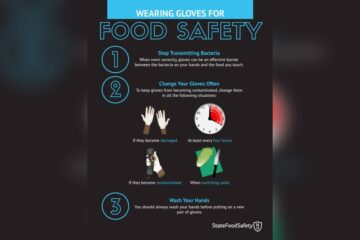
Use separate tools for raw dough and cooked pizza to prevent bacteria transfer. Clean hands before handling different ingredients or tools. Change gloves if used, especially between tasks. Avoid placing clean tools on dirty surfaces. Regularly sanitize work areas to reduce contamination risks. Keep raw and cooked food areas distinct to maintain hygiene.
Proper Storage Tips
Store pizza tools in a clean, dry place to protect from dirt and pests. Use covered containers or drawers to keep tools dust-free. Avoid stacking tools tightly to allow air circulation. Separate clean tools from dirty ones to prevent contamination. Inspect storage areas regularly for cleanliness and pest control. Replace damaged tools promptly to maintain safety.
Credit: www.temu.com
Handling And Using Pizza Boxes
Pizza boxes are more than just containers. They protect your food and keep it fresh. Handling and using them properly ensures your pizza stays safe to eat. Knowing how to deal with these boxes reduces risks of contamination and chemical exposure. Careful use supports your health and the environment.
Risks Of Heating Boxes
Heating pizza boxes can release harmful chemicals. Most boxes are not designed for microwave or oven use. The glue and inks may melt or catch fire. This can contaminate your pizza with toxins. Avoid putting pizza boxes in any heat source. Instead, transfer pizza to a microwave-safe plate or oven tray.
Safe Disposal And Recycling
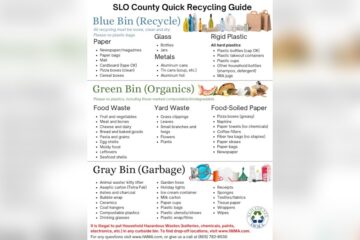
Used pizza boxes often have grease and food stains. These stains can spoil recycling batches. Check local guidelines before recycling pizza boxes. If the box is mostly clean, recycle it. If heavily soiled, throw it in the trash. Some areas compost clean cardboard, which is an eco-friendly option. Proper disposal helps reduce landfill waste and pollution.
Checking For Chemical Exposure
Pizza boxes must meet food safety standards. Look for FDA-compliant labels or certifications. Avoid boxes with bright or shiny prints, as they may contain harmful chemicals. Do not reuse pizza boxes for other foods or storage. Use boxes only for their intended purpose. This lowers the risk of chemical transfer to your food.
Best Materials For Food Contact
Choosing the best materials for pizza accessories that touch food is vital. Safety matters most. Materials must not release harmful chemicals. They should resist stains and odors. Easy cleaning helps prevent bacteria growth. The material’s durability ensures long-lasting use. Below, explore common materials used for safe food contact.
Stainless Steel Advantages
Stainless steel is popular in pizza tools. It resists rust and corrosion well. The surface does not absorb food odors or stains. It handles heat without warping or melting. Cleaning is simple and thorough. Stainless steel is strong and long-lasting. It meets FDA standards for food safety. This material is ideal for pizza cutters and peels.
Food-grade Plastics
Food-grade plastics are lightweight and flexible. They do not react with food ingredients. These plastics resist cracking and breaking. They are safe for cold and warm foods. Many food-grade plastics are dishwasher safe. They come in many shapes and colors. Look for BPA-free labels for extra safety. Plastic pizza accessories offer convenience and hygiene.
Wood And Ceramic Considerations
Wood offers a natural, rustic look. It is gentle on pizza dough surfaces. Wood must be sealed to avoid bacteria. Regular oiling keeps wood in good condition. Ceramic is heat resistant and non-porous. It does not absorb food smells or colors. However, ceramic can chip or break easily. Both materials require careful cleaning and maintenance.
Regulations On Toxic Substances
Regulations on toxic substances ensure pizza accessories are safe for food contact. These rules protect consumers from harmful chemicals. Manufacturers must follow strict guidelines to keep pizza tools and packaging safe. Understanding these regulations helps maintain health and safety in food handling.
Bpa And Bps Bans
BPA and BPS are chemicals once common in food contact materials. Studies found they can harm health, causing hormone disruption. Many countries banned BPA and BPS in pizza boxes and utensils. Safer alternatives now replace these toxic substances in pizza accessories.
Monitoring Chemical Migration
Chemical migration means harmful substances move from materials into food. Regulators test pizza accessories to check if chemicals migrate. Limits are set to ensure chemicals stay below harmful levels. Regular monitoring keeps pizza contact surfaces safe for everyday use.
Impact On Consumer Health
Toxic substances in pizza accessories can cause allergies or long-term illness. Children and pregnant women face higher risks from chemical exposure. Strict rules reduce these dangers by controlling material safety. Safe pizza accessories help protect consumer health and well-being.
Maintaining Safety In Pizza Prep Areas
Maintaining safety in pizza prep areas is essential for any kitchen. Clean surfaces and proper handling reduce the risk of food contamination. Safe pizza accessory use protects customers and staff from foodborne illnesses.
Surface Sanitation Protocols
Sanitize all pizza prep surfaces regularly. Use food-safe sanitizers approved for kitchen use. Clean surfaces before and after each pizza preparation. Remove food residues and grease to prevent bacterial growth. Follow the sanitizer’s instructions for contact time and concentration.
Using Separate Cloths For Surfaces
Use separate cloths for different areas. Avoid cross-contamination by not mixing cloths for raw and cooked foods. Label cloths by use or color code them. Wash cloths frequently in hot water. Replace cloths often to maintain cleanliness and safety.
Inspecting For Damage And Contamination
Check all pizza prep surfaces for cracks and damage. Damaged surfaces can harbor bacteria and are hard to clean. Replace or repair any worn or broken equipment. Look for signs of contamination like stains or odors. Keep the prep area tidy to spot problems early.

Credit: www.walmart.com
Frequently Asked Questions
What Is Fda Compliant For Food Contact?
FDA compliant for food contact means materials safely touch food without transferring harmful substances. These materials meet FDA safety standards.
Are Pizza Boxes Fda Regulated?
Yes, pizza boxes are regulated by the FDA to ensure materials do not transfer harmful substances to food.
What Are Considered Food Contact Surfaces?
Food contact surfaces include utensils, cutting boards, plates, sinks, pots, pans, and preparation tables. These surfaces touch food directly. They must be made from food-safe materials like stainless steel, plastic, wood, glass, or ceramics. These materials resist corrosion, damage, and withstand frequent cleaning.
Which Material Is An Approved Food Contact Surface?
Approved food contact surfaces include stainless steel, food-grade plastics, glass, wood, rubber, and ceramics. These materials resist corrosion and cleaning chemicals. They must not transfer harmful substances to food and withstand frequent washing. Always choose materials labeled FDA compliant or food-safe for direct contact with food.
Conclusion
Ensuring pizza accessories meet food-contact safety standards protects health and taste. Use only FDA-compliant materials to avoid harmful substances. Choose items made from durable, easy-to-clean surfaces like stainless steel or food-grade plastics. Proper cleaning keeps accessories safe and extends their life.
Always check product labels for safety certification before use. Safe pizza tools support delicious, worry-free meals every time. Keep safety in mind for the best pizza experience.

As the author of the “Ultimate Pizza Guide: Recipes, Tips & Secrets Revealed,” I’m dedicated to sharing my love for pizza and empowering others to create delicious homemade pizzas with ease. Join me on a journey to uncover the secrets to perfecting your pizza game!