“Pizza Accessory Disposal Guidelines”
You love pizza, but what do you do with all those boxes, plastic cutters, and other accessories once the last slice is gone? If you’re tossing everything in the trash without a second thought, you might be missing simple ways to reduce waste and help the environment.
Understanding the right way to dispose of pizza accessories isn’t just good for the planet—it can save you from confusion and even fines. In this guide, you’ll discover clear, easy-to-follow pizza accessory disposal guidelines that fit perfectly with Austin, Texas recycling rules.
Keep reading to learn how to handle your pizza leftovers responsibly and make your next pizza night both delicious and eco-friendly.
Pizza Box Recycling Rules
Pizza boxes are common household items after enjoying a delicious meal. Knowing the pizza box recycling rules helps reduce waste. These boxes often carry grease and food residues. Such contamination affects recycling processes. Proper disposal ensures cleaner recycling streams and better environmental impact.
Grease And Food Contamination
Grease and food stains make pizza boxes hard to recycle. Oil seeps into the cardboard fibers. This weakens the paper quality during recycling. Recycling machines cannot remove these contaminants easily. Contaminated boxes often end up in landfills instead of recycling plants.
Separating Clean And Dirty Sections
Separate clean parts of the pizza box from dirty areas. Clean sections without grease can be recycled normally. Tear off any greasy or food-soiled parts. Dispose of dirty sections in the trash or compost bin. This method reduces contamination and improves recycling efficiency.
Local Recycling Policies
Recycling rules differ by city and region. Some areas accept slightly greasy boxes; others do not. Check local guidelines before recycling pizza boxes. Follow instructions from your waste management provider. Staying informed prevents recycling mistakes and supports local programs.
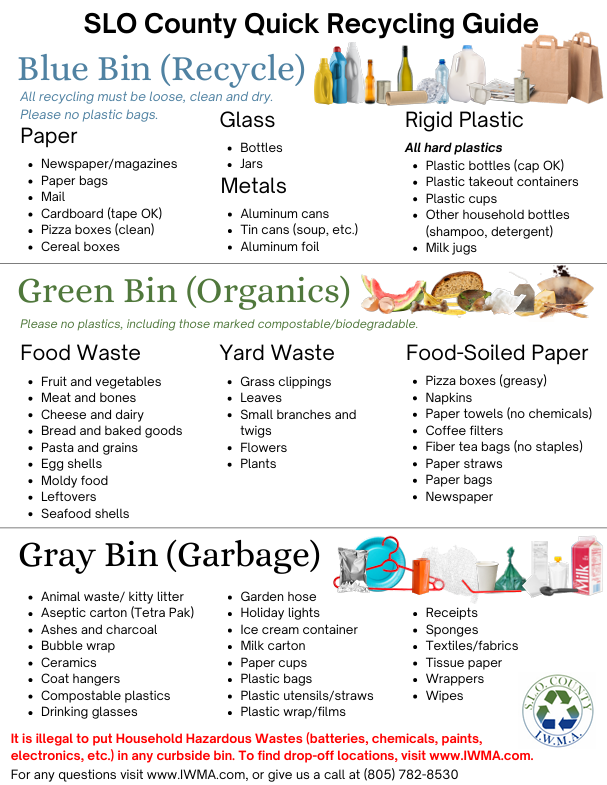
Credit: www.iwma.com
Disposing Of Plastic Accessories
Plastic accessories often come with your pizza order. These include pizza savers, disposable plates, and utensils. Proper disposal helps reduce waste and protect the environment. Follow these simple guidelines to handle plastic pizza accessories responsibly.
Recycling Plastic Pizza Savers
Pizza savers are small plastic pieces placed in the center of pizza boxes. Check if your local recycling accepts this type of plastic. Clean the pizza saver of any sauce or cheese residue. Place it in the recycling bin only if allowed. Otherwise, dispose of it in the trash to avoid contaminating recyclables.
Handling Disposable Plates And Utensils
Many pizza orders include plastic plates and utensils. These items are often made from single-use plastics. Most local recycling programs do not accept them due to contamination risk. Dispose of disposable plates and utensils in the trash unless your community offers special recycling options for them.
Cleaning Requirements
Plastic items must be clean before recycling. Remove all food scraps and grease. Rinse items gently with water if needed. Dirty plastics can contaminate recycling batches and cause rejection. Clean plastic accessories improve the chance of successful recycling and lower waste.
Composting Pizza Waste
Composting pizza waste offers an eco-friendly way to reduce trash and nourish soil. Many parts of pizza leftovers and packaging can break down naturally. This process turns waste into valuable compost for gardens and plants. Proper sorting and preparation help composting work well.
Composting Greasy Boxes
Pizza boxes often have grease stains. These oily spots stop boxes from being recycled normally. But they can go into compost bins if shredded well. Cut the box into small pieces to speed up decomposition. Avoid boxes with plastic liners or excessive wax coatings. Only use cardboard that breaks down easily in compost.
Food Scraps And Leftovers
Leftover pizza slices, crusts, and toppings are great for compost. Remove any plastic or non-compostable items first. Cheese and sauce add nutrients but use moderate amounts. Too much grease can slow composting and attract pests. Balance pizza scraps with dry materials like leaves or paper to keep compost healthy.
Compost Bin Preparation
Start with a layer of brown materials like dried leaves or shredded paper. Add pizza waste in thin layers, mixing with the brown materials. Turn the compost regularly to add air and help break down waste. Keep the compost moist but not too wet. Proper care makes pizza waste decompose faster and prevents bad odors.

Credit: ddrbbqsupply.com
Safe Cleanup Practices
Safe cleanup practices keep your kitchen hygienic and protect the environment. Proper disposal of pizza accessories helps reduce waste and contamination. Follow simple steps to clean up safely and sort materials correctly for disposal or recycling. This keeps surfaces clean and prevents health risks.
Removing Food Residue
Start by scraping off leftover cheese, sauce, and toppings. Use a paper towel or scraper for this task. Avoid rinsing pizza boxes or accessories with water. Food residue can spoil recycling efforts and cause odor. Make sure all visible food bits are removed before disposal.
Separating Materials For Disposal
Sort pizza accessories by material type. Cardboard boxes, plastic pizza savers, and paper liners go in different bins. Clean, dry cardboard can be recycled. Plastic pieces usually belong in the trash unless your area recycles them. Separating materials helps recycling centers process waste better and faster.
Avoiding Cross-contamination
Keep food waste separate from recyclables. Use different bins for greasy items and clean materials. Wash your hands after handling dirty pizza accessories. Clean surfaces and tools used for disposal. This prevents bacteria from spreading and protects your family’s health.
Tips For Reducing Waste
Reducing waste from pizza accessories helps protect the environment. Simple changes in how you use and dispose of these items make a big difference. Small habits reduce trash and keep recycling cleaner. Follow these easy tips to cut down waste at home or in your business.
Using Reusable Accessories
Choose accessories that you can use again and again. Metal or silicone pizza cutters last longer than plastic ones. Use washable plates and utensils instead of disposable ones. Reusable items lower the amount of trash sent to landfills. They also save money over time by reducing repeated purchases.
Choosing Eco-friendly Packaging
Select packaging made from recycled or biodegradable materials. Cardboard boxes with no plastic lining are easier to recycle. Use containers that break down naturally in compost or landfill. Eco-friendly packaging reduces pollution and supports recycling programs. It also shows customers you care about the planet.
Minimizing Single-use Items
Avoid single-use plastic items like forks, knives, and straws. Offer customers reusable or compostable alternatives. Limit the use of small plastic packets for sauces or seasonings. Reducing single-use products cuts waste and lowers plastic pollution. This helps create a cleaner environment for everyone.
Austin-specific Disposal Guidelines
Austin has clear rules for disposing of pizza accessories. Following these helps keep the city clean and green.
Knowing what you can recycle or throw away is important. Austin’s programs aim to reduce waste and protect the environment.
City Recycling Programs
Austin offers curbside recycling for paper, cardboard, and plastics. Residents must separate recyclables from trash.
Pizza boxes with food or grease stains are not accepted. Clean cardboard without food is recyclable in Austin.
Plastic pizza savers and liners usually go in the trash. Check with Austin Resource Recovery for updates.
Accepted And Prohibited Items
Accepted items include clean pizza boxes, paper bags, and cardboard trays. Remove all leftover food before recycling.
Prohibited items are greasy pizza boxes, waxed paper, and plastic bags. Grease contaminates recycling and causes problems.
Plastic utensils and pizza box liners must be disposed of in the trash. Composting food scraps is encouraged where possible.
Where To Find Local Resources
Austin Resource Recovery website offers detailed guides and schedules. It helps you find recycling centers and events.
Local community centers and libraries often provide brochures about waste disposal. Staff can answer your questions.
Mobile apps for Austin recycling can remind you of pickup days and accepted items. Use them to stay informed.

Credit: grillscapes.com
Frequently Asked Questions
Why Does Domino’s Say To Recycle Their Pizza Boxes?
Domino’s encourages recycling pizza boxes to reduce waste. Clean, grease-free boxes recycle well. Greasy boxes contaminate recycling and lower paper quality. Removing food and plastic pieces helps proper recycling. Recycling supports environmental sustainability and waste reduction efforts.
Why Can’t You Recycle A Pizza Box?
Pizza boxes often contain grease, cheese, and food residues that contaminate recycling streams. Grease binds cardboard fibers, reducing paper quality. Only clean, grease-free parts of pizza boxes can be recycled; greasy sections should go to compost or trash to avoid recycling contamination.
How To Get Rid Of A Pizza Box?
Remove all food, plastic, and liners from the pizza box. Recycle clean, grease-free parts. Compost or trash greasy, soiled sections.
Can I Put Pizza Boxes In My Recycling Bin?
Only recycle pizza boxes if they are clean and free of grease or food residue. Greasy boxes contaminate recycling. Tear off clean sections to recycle or compost the rest.
Conclusion
Proper disposal of pizza accessories helps protect the environment. Clean pizza boxes can go in recycling bins. Greasy or food-covered boxes belong in compost or trash. Remove plastic pizza savers before recycling or throwing away. Following these simple steps keeps waste manageable and recycling effective.
Everyone benefits from careful sorting and disposal. Small efforts add up to big environmental gains. Stay mindful of local guidelines to dispose responsibly. This keeps Austin clean and green for all residents.

As the author of the “Ultimate Pizza Guide: Recipes, Tips & Secrets Revealed,” I’m dedicated to sharing my love for pizza and empowering others to create delicious homemade pizzas with ease. Join me on a journey to uncover the secrets to perfecting your pizza game!