When you think about enjoying a delicious pizza, your focus is usually on the toppings, crust, and cheese. But have you ever stopped to consider the health precautions behind the scenes—specifically the accessories used to make and serve your pizza?
Whether it’s the gloves worn by staff, the brushes used to clean ovens, or the utensils handling your food, these pizza accessories play a crucial role in keeping your meal safe. You’ll discover essential health precautions tied to pizza accessories that protect you from harmful bacteria, physical contaminants, and chemical hazards.
Understanding these safety steps helps you enjoy your favorite slice with confidence—keep reading to find out what you need to know!
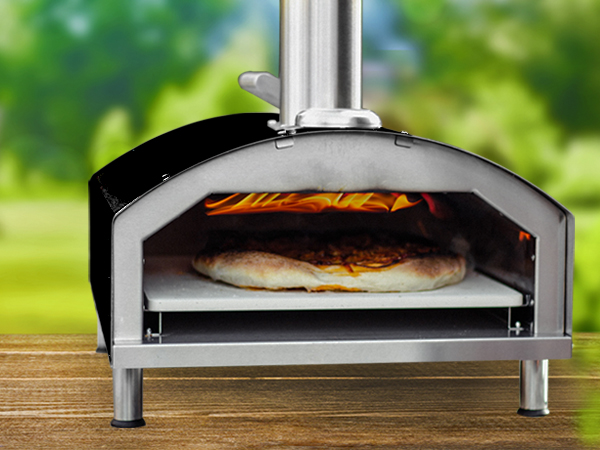
Credit: www.amazon.com
Biological Hazards In Pizza Making
Biological hazards pose a serious risk in pizza making. These hazards come from harmful microorganisms. They can cause foodborne illnesses. Understanding these dangers helps keep food safe and customers healthy.
Common Bacteria Risks
Several bacteria can contaminate pizza ingredients. Salmonella often comes from raw meat and eggs. E. coli can be found in undercooked ground beef. Staphylococcus aureus grows on hands and in nasal passages. Campylobacter is linked to raw poultry. These bacteria cause nausea, vomiting, and diarrhea.
Sources Of Contamination
Contamination happens during many steps. Raw meat and cheese are common sources. Cross-contamination occurs when raw and cooked foods touch. Dirty hands and surfaces spread bacteria quickly. Improper storage temperatures allow bacteria to multiply. Using unclean pizza accessories adds to the risk.
Preventing Foodborne Illness
Clean hands and tools thoroughly before use. Separate raw ingredients from cooked toppings. Store ingredients at safe temperatures below 40°F. Cook pizza fully to kill harmful bacteria. Sanitize pizza accessories regularly and dry them well. Train workers on hygiene and contamination risks.
Physical Hazards To Watch For
Physical hazards in pizza preparation can cause serious health issues. These hazards include any hard or sharp objects that may accidentally enter the food. Such foreign items can lead to injury or choking. Identifying these risks is essential for safe pizza making. Staff must stay alert to avoid contamination from equipment and tools.
Oven Brush Bristle Risks
Oven brushes often have metal bristles that loosen over time. These tiny bristles can fall off during cleaning and stick to pizza. If swallowed, they may cause cuts or choking. Inspect brushes regularly for loose bristles. Replace worn brushes promptly to reduce risk.
Foreign Object Contamination
Foreign objects include broken glass, plastic pieces, or metal shards. These can come from damaged equipment or packaging. Jewelry, hair, and nails also pose contamination risks. Staff should avoid wearing loose jewelry and keep hair tied back. Check all ingredients and tools carefully before use.
Safe Equipment Practices
Using clean and well-maintained equipment lowers physical hazards. Always clean tools after each use. Store pizza accessories in clean, dry places. Train workers on proper handling and inspection of tools. Regular equipment checks prevent accidents and contamination.
Chemical Hazards In Pizza Preparation
Chemical hazards pose hidden risks during pizza preparation. These risks come from substances used to clean and maintain pizza accessories and ingredients. Exposure to harmful chemicals can affect food safety and customer health. Understanding these dangers helps keep pizza making safe and healthy.
Cleaning Agent Safety
Cleaning agents like bleach and oven cleaners contain strong chemicals. They remove grease and grime but can leave harmful residues. Always follow product instructions for safe use. Avoid using cleaners near food or food contact surfaces. Rinse all surfaces well after cleaning to remove any chemical traces. Store cleaning agents away from food areas to prevent accidental contamination.
Pesticide Residue Concerns
Fresh ingredients like vegetables can carry pesticide residues. These chemicals protect crops but may harm humans if ingested. Wash all produce thoroughly under running water before use. Peeling or scrubbing can reduce pesticide amounts. Choose organic ingredients when possible to lower chemical exposure. Proper handling of raw toppings reduces the risk of chemical contamination.
Proper Sanitization Methods
Sanitization kills germs without leaving harmful chemicals behind. Use food-safe sanitizers approved for kitchen use. Follow recommended contact times and dilution rates carefully. Avoid mixing different cleaning products, which can create toxic fumes. Regularly sanitize pizza accessories to maintain hygiene. Proper sanitization prevents foodborne illnesses and chemical hazards in pizza preparation.
Credit: www.thorfamilylaw.com
Managing Allergenic Risks
Managing allergenic risks is vital in pizza preparation and serving. Many ingredients in pizza can trigger allergic reactions. Handling these allergens carefully protects customers and staff. Simple steps reduce the chance of allergic reactions in pizza environments.
Major Pizza Allergens
Pizza contains common allergens. Wheat in the crust is a major allergen. Cheese and other dairy products can cause reactions. Eggs may be present in dough or toppings. Soy sometimes appears in sauces or processed toppings. Nuts and seafood toppings also pose risks.
Knowing these allergens helps manage risks better. Each allergen requires careful handling to avoid exposure.
Preventing Cross-contact
Cross-contact happens when allergens touch non-allergenic food. This can cause severe allergic reactions. Use separate utensils for allergen-containing ingredients. Clean surfaces and tools thoroughly between uses. Store allergenic ingredients separately from others.
Train staff to avoid accidental contact. Even small traces of allergens can harm sensitive customers. Proper hygiene, such as hand washing and glove use, is crucial.
Labeling And Communication
Clear labeling helps customers identify allergenic ingredients. List all major allergens on menus and packaging. Staff should know how to answer allergy questions accurately. Encourage open communication about allergies with customers.
Good labeling and clear communication build trust. They ensure customers make safe food choices and reduce allergen risks.
Hygiene Practices For Pizza Workers
Maintaining strict hygiene is vital for pizza workers. It keeps food safe and customers healthy. Clean hands and proper glove use reduce contamination risks. Following hygiene steps prevents harmful germs from spreading. Pizza workers should focus on simple habits that protect every pizza made. These practices help avoid foodborne illnesses and ensure a clean workspace.
Handwashing And Glove Use
Washing hands with soap and water is the first step. Hands must be scrubbed for at least 20 seconds. Workers should wash hands before starting work and after breaks. Gloves provide a barrier but do not replace handwashing. Always wear clean gloves when handling food to stop germs from spreading.
Changing Gloves Between Tasks
Gloves can pick up bacteria from different surfaces. Changing gloves between tasks avoids cross-contamination. For example, switch gloves after touching raw meat and before handling dough. Do not reuse gloves. Always remove used gloves and wash hands before putting on new ones.
Avoiding Bare Hand Contact
Direct contact with ready-to-eat food raises contamination risks. Use tools like tongs or spatulas instead of bare hands. Avoid touching pizza toppings or cooked slices without gloves. This practice limits germs and keeps food safe for customers.
Cleaning And Sanitizing Procedures
Proper cleaning and sanitizing procedures are essential for maintaining health standards in pizza preparation. These steps help remove harmful bacteria, allergens, and chemical residues. Keeping pizza accessories clean reduces the risk of food contamination and foodborne illnesses.
Regular cleaning also preserves the quality and lifespan of equipment. A clean workspace ensures safer food handling and a better dining experience for customers.
Surface And Equipment Cleaning
All surfaces used for pizza preparation must be cleaned frequently. Use warm water and food-safe detergents to remove grease and food particles. Wipe down countertops, cutting boards, and utensils after each use.
Pizza peels, pans, and dough trays require thorough cleaning to prevent bacteria growth. Avoid using harsh chemicals that can leave harmful residues. Rinse equipment well and let it air dry completely before storing.
Inspecting Cleaning Tools
Cleaning tools like brushes, cloths, and sponges must be inspected regularly. Replace any worn or damaged items to avoid contamination. Dirty cleaning tools can spread bacteria instead of removing it.
Use separate cloths for different tasks, such as wiping tables and cleaning ovens. Store cleaning tools in a dry, clean area to prevent mold and bacteria buildup. Check brushes for loose bristles that might fall into food.
Safe Oven Maintenance
Ovens used for baking pizza must be cleaned safely and regularly. Remove food debris and grease to prevent smoke and fire hazards. Use oven-specific cleaners that do not leave toxic residues.
Allow the oven to cool before cleaning to avoid burns. Inspect oven racks and trays for damage or buildup. Regular maintenance keeps ovens working efficiently and reduces health risks.
Cross-contamination Controls
Cross-contamination control is vital in pizza preparation to keep food safe. It stops harmful bacteria and allergens from spreading. Proper handling of pizza accessories reduces health risks. These controls protect customers and staff from foodborne illnesses.
Separating Raw And Ready-to-eat Foods
Keep raw ingredients away from ready-to-eat foods. Use different cutting boards and surfaces for raw meats and toppings. This prevents bacteria from raw foods contaminating cooked or fresh items. Always prepare raw foods first, then handle ready-to-eat items.
Using Clean Utensils
Use clean utensils for each ingredient or step. Avoid using the same spatula for raw and cooked pizza toppings. Wash utensils with hot, soapy water between uses. Replace worn or damaged tools to maintain hygiene and safety.
Storage Best Practices
Store raw and cooked ingredients separately in sealed containers. Label containers with dates to track freshness. Keep raw meats on lower shelves to avoid dripping onto other foods. Maintain correct refrigeration temperatures to slow bacterial growth.
Safe Ingredient Sourcing
Safe ingredient sourcing is vital for making healthy and delicious pizza. It ensures the ingredients used are free from contamination and safe for consumption. Choosing the right suppliers and handling ingredients carefully reduces health risks.
Choosing Approved Suppliers
Select suppliers who meet food safety standards and certifications. Approved suppliers follow strict guidelines to prevent contamination. Working with trusted sources helps maintain ingredient quality and safety. Avoid unknown or unverified suppliers to reduce risks.
Checking Ingredient Quality
Inspect ingredients for freshness and signs of spoilage. Look for proper packaging and expiration dates. Reject ingredients with unusual odors, colors, or textures. Regular quality checks prevent using harmful or low-grade products.
Handling High-risk Ingredients
High-risk ingredients include raw meats, dairy, and fresh produce. Store these items at correct temperatures to slow bacteria growth. Use separate utensils and surfaces to avoid cross-contamination. Follow hygiene rules strictly when preparing these ingredients.

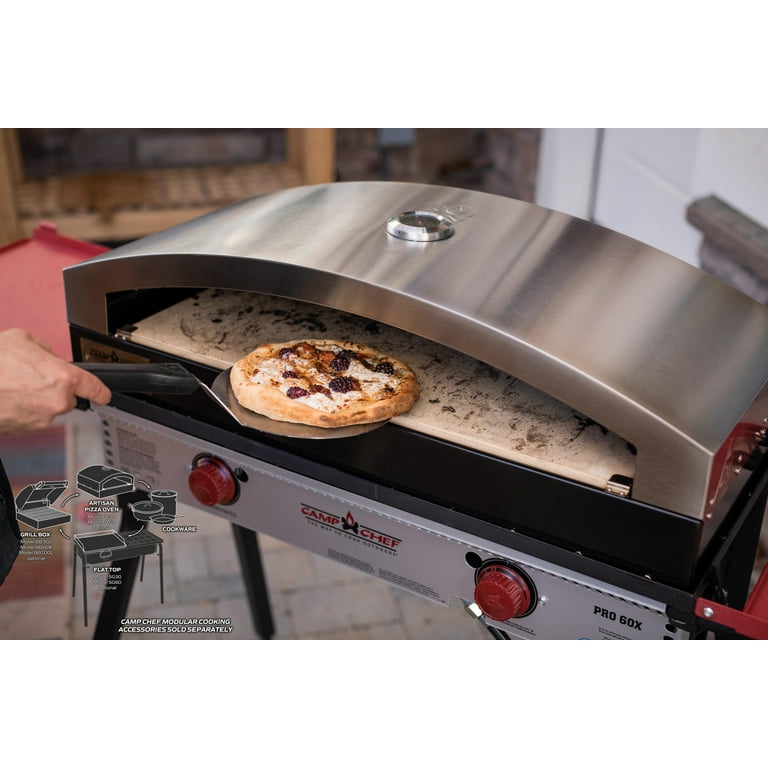
Credit: www.amazon.com
Frequently Asked Questions
Do Pizza Shops Have To Wear Gloves?
Pizza shops are not legally required to wear gloves, but using gloves helps reduce food contamination risks. Proper handwashing remains essential.
What Potential Food Hazard Should The Worker Consider Pizza?
Pizza workers should consider biological hazards like bacteria from improper handling, physical hazards such as broken brush bristles, and chemical hazards including cleaning agents. Maintaining hygiene, controlling temperature, and preventing cross-contamination reduce foodborne illness risks effectively.
What Is The Unhealthy Part Of A Pizza?
The unhealthy parts of pizza include high-fat cheese, processed meats, and a refined flour crust. These increase calories, saturated fat, and sodium levels.
Is It Safe To Use A Pizza Oven Indoors?
Using a pizza oven indoors is safe only if it has proper ventilation and follows manufacturer guidelines. Avoid carbon monoxide risks.
Conclusion
Safe handling of pizza accessories protects health and prevents illness. Clean tools and wash hands often to reduce risks. Always avoid cross-contamination by separating raw and cooked foods. Use gloves properly and change them between tasks. Check accessories for damage that can cause physical hazards.
Keep cleaning chemicals away from food preparation areas. Simple steps keep your pizza experience safe and enjoyable. Stay mindful and practice good hygiene every time you make or serve pizza. Health precautions help ensure tasty pizza without health worries.

As the author of the “Ultimate Pizza Guide: Recipes, Tips & Secrets Revealed,” I’m dedicated to sharing my love for pizza and empowering others to create delicious homemade pizzas with ease. Join me on a journey to uncover the secrets to perfecting your pizza game!