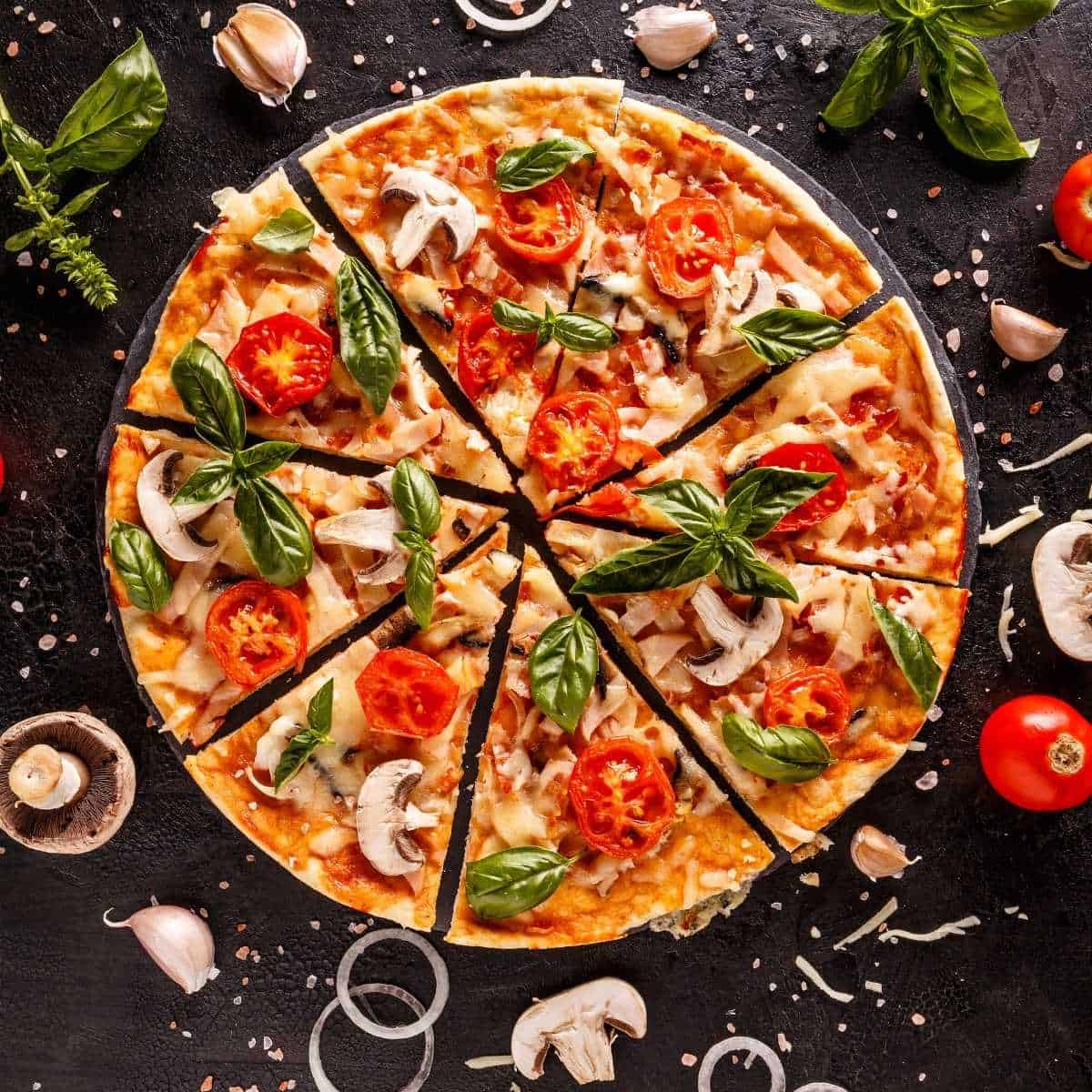
You love pizza, but if you have diabetes, you might wonder if it’s safe to enjoy this popular dish without harming your blood sugar levels. The truth is, pizza can cause blood sugar spikes, but that doesn’t mean you have to give it up completely.
With the right choices—like picking a thinner crust, loading up on veggies, and watching your portion size—you can still savor pizza while keeping your diabetes in check. Curious how to make pizza work for your health? Keep reading to discover simple tips and smart swaps that let you enjoy your favorite meal without the worry.
Pizza Crust Options
Choosing the right pizza crust plays a big role for diabetics. The crust affects blood sugar levels and overall nutrition. Some crusts have more fiber and fewer carbs. Others use alternative ingredients to lower the glycemic index. Below are common crust options that work well for people with diabetes.
Whole Grain And Wheat
Whole grain crust contains more fiber than white flour crust. Fiber slows sugar absorption in the blood. This helps prevent spikes in blood sugar. Whole wheat crust also has vitamins and minerals. It tastes nutty and pairs well with vegetable toppings. Choose 100% whole wheat to get the most benefits.
Cauliflower Crust
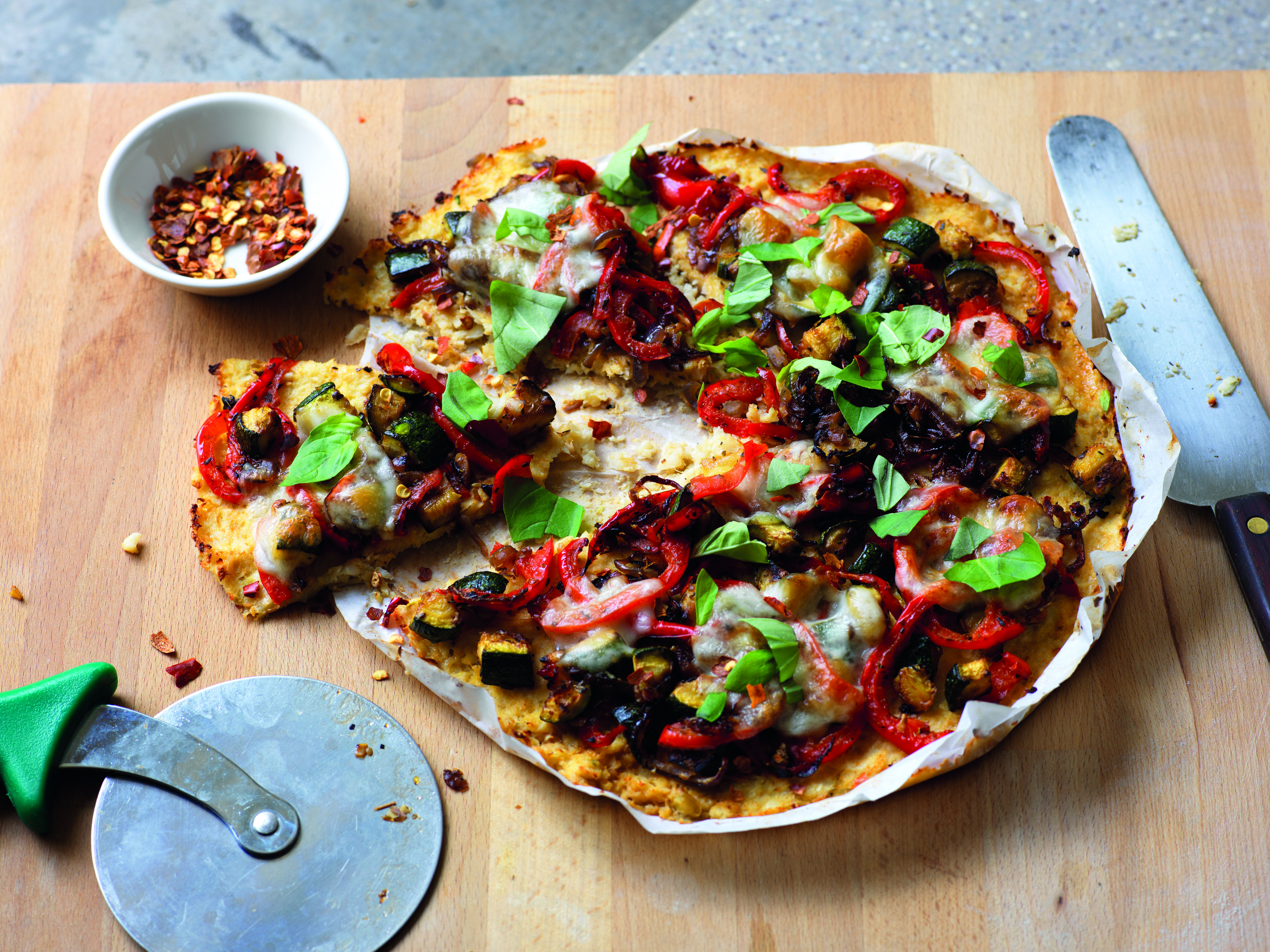
Cauliflower crust is low in carbohydrates and calories. It contains fiber and vitamins from vegetables. This crust causes a smaller rise in blood sugar. It is gluten-free, suitable for some who avoid wheat. Cauliflower crust has a different texture but works well with many toppings. It offers a fresh and lighter pizza experience.
Almond Flour Crust
Almond flour crust is another low-carb choice. It has healthy fats and protein from almonds. This crust has a low glycemic index, helping keep blood sugar steady. Almond flour adds a slightly sweet and nutty flavor. It is also gluten-free. This option works well for diabetics seeking a nutritious crust alternative.
Thin Crust Benefits
Thin crust pizza reduces total carbs compared to thick crust. It has less dough, which means fewer calories. Thin crust crisps up nicely and holds toppings well. Eating thin crust helps control portion size and blood sugar. It pairs well with lots of vegetables and lean protein toppings.
Best Toppings For Diabetics
Choosing the right pizza toppings helps manage blood sugar levels. Toppings rich in fiber and protein slow sugar absorption. This balance supports better blood sugar control. Below are some of the best topping choices for diabetics.
Vegetable Choices
Vegetables add fiber, vitamins, and minerals to pizza. Mushrooms, spinach, and bell peppers work great. Onions and broccoli also add flavor and nutrients. These choices have a low glycemic impact. They help keep blood sugar stable.
Lean Protein Options
Protein helps slow digestion and controls hunger. Grilled chicken is a top lean protein for pizza. Turkey and seafood like shrimp or salmon are good too. Avoid fried or breaded proteins to keep it healthy. Protein helps keep blood sugar steady after eating.
Toppings To Limit
Limit processed meats like pepperoni and sausage. These are high in saturated fat and salt. Too much cheese can increase calories and fat. Avoid sugary sauces that spike blood sugar quickly. Choose toppings that support a balanced and healthy meal.
Sauce And Cheese Choices
The sauce and cheese on pizza play a major role in its impact on blood sugar. Choosing the right sauce and controlling cheese intake help keep blood sugar stable. Many sauces contain hidden sugars. Cheese adds fat and calories, so moderation matters.
Low-sugar Sauces
Tomato sauce is common, but many brands add sugar. Look for sauces labeled “no added sugar” or “low sugar.” Simple tomato sauce made from fresh tomatoes works well. Pesto sauce is another good option. It is low in sugar and adds flavor. Avoid barbecue or sweetened sauces that raise blood sugar quickly.
Managing Cheese Intake
Cheese adds protein and calcium but also saturated fat. Use less cheese to reduce calories and fat. Choose low-fat cheese varieties to lessen fat intake. Mozzarella is a popular choice and often lower in fat. Spread cheese evenly to enjoy flavor without excess. Too much cheese can slow digestion and affect blood sugar control.
Credit: diabetesstrong.com
How Pizza Affects Blood Sugar
Pizza can influence blood sugar levels in several ways. Understanding these effects helps diabetics enjoy pizza safely. The main factors are carbohydrates, fats, and proteins present in the pizza.
Carbohydrate Impact
Carbohydrates in pizza mainly come from the crust and sauce. These carbs break down into sugar quickly, causing a rise in blood glucose. Thick or white flour crusts have more carbs and raise blood sugar faster. Thin crusts and whole-grain options digest slower, resulting in a gentler blood sugar increase. Tomato sauce may contain added sugars, adding to the carb load. Portion control is key to managing carbohydrate intake from pizza.
Fat And Protein Effects
Fats and proteins in pizza slow digestion and sugar absorption. Cheese, meats, and toppings provide these nutrients. They help prevent rapid blood sugar spikes by delaying carbohydrate digestion. However, too much saturated fat can negatively affect heart health. Lean protein toppings like grilled chicken offer benefits without excess fat. Balancing fat and protein with carbs helps maintain stable blood sugar levels.
Two-phase Blood Sugar Response
Eating pizza can cause a two-phase blood sugar response. First, the carbs cause a quick rise in glucose. Then, fats and proteins slow down digestion, extending the blood sugar increase over time. This delayed effect can make blood sugar control tricky for diabetics. Monitoring levels after eating and choosing balanced ingredients helps reduce this impact. Eating pizza with fiber-rich vegetables also supports better blood sugar control.
Managing Blood Sugar With Pizza
Managing blood sugar with pizza requires smart choices and careful habits. Pizza can raise blood sugar quickly due to its carbohydrates. Controlling how much and what you eat helps keep levels steady. Small changes make a big difference in enjoying pizza safely.
Simple strategies help balance the meal’s impact on blood sugar. Portion size, side dishes, activity after eating, and monitoring all play roles. These steps reduce spikes and support overall health for diabetics.
Portion Control Strategies
Eat smaller slices instead of a whole large piece. Choose thin crust to lower carbohydrate intake. Avoid extra cheese to reduce fat and calories. Use measuring tools or visual guides to estimate portions. Stop eating when you feel satisfied, not full.
Pairing With Vegetables And Salads
Add fresh vegetables or a leafy green salad to your meal. Vegetables provide fiber that slows sugar absorption. Use light vinaigrette dressing to keep calories low. This pairing helps create a balanced plate and reduces blood sugar spikes.
Post-meal Activity
Light exercise after eating helps your body use sugar better. A short walk for 10 to 15 minutes can lower blood sugar. Avoid sitting still for long periods right after your meal. Regular activity supports stable glucose levels over time.
Blood Sugar Monitoring
Check your blood sugar before and two hours after eating pizza. This helps you see how your body reacts. Adjust future meals based on these readings. Keeping a log can help identify patterns and improve control.
Credit: www.diabetes.org.uk
Tips For Making Diabetes-friendly Pizza
Making pizza diabetes-friendly requires smart choices. Focus on ingredients that help control blood sugar. Portion size matters too. Here are some practical tips to enjoy pizza without worry.
Homemade Pizza Benefits
Making pizza at home lets you control every ingredient. Choose whole-grain or almond flour crusts. Add plenty of vegetables like spinach and peppers. Use lean proteins such as grilled chicken. Limit cheese to reduce fat. Homemade pizza helps manage carbs and calories better than store-bought options.
Reading Nutrition Labels
Check nutrition labels carefully on frozen or takeout pizzas. Look for total carbohydrates and fiber content. Fiber helps slow sugar absorption. Avoid pizzas with high sugar or sodium. Pay attention to serving size to avoid overeating. Reading labels helps you pick better options for blood sugar control.
Balancing Ingredients
Balance carbs with protein and fiber for steady blood sugar. Use thin crusts to lower carb intake. Add vegetables for vitamins and fiber. Choose low-fat cheese or use less cheese. Pick sauces without added sugar. Pair pizza with a side salad to add more fiber and nutrients.

Credit: www.healthline.com
Frequently Asked Questions
What Kind Of Pizza Is Ok For Diabetics?
Diabetics should choose pizza with thin, whole-grain or almond flour crusts. Add vegetable toppings and lean proteins. Use low-sugar sauces and less cheese. Control portion sizes and pair pizza with a salad to help manage blood sugar levels effectively.
Will Eating Pizza Raise My Blood Sugar?
Eating pizza can raise blood sugar due to refined carbs in the crust and sugars in the sauce. Choose thin, whole-grain crusts and add veggies to help manage spikes. Portion control and balancing with protein and fiber also reduce blood sugar rises.
What Kind Of Pizza Is Safe For Diabetics?
Diabetics should choose thin, whole-grain, or veggie crusts. Add vegetable toppings and lean proteins. Use low-sugar sauces and less cheese. Control portions and pair pizza with a salad to manage blood sugar effectively.
Does Pizza Raise Blood Sugar Levels Quickly?
Yes, pizza raises blood sugar due to refined carbs in the crust and sauce. Fat and protein cause a delayed, prolonged blood sugar rise. Choosing healthier crusts and toppings helps reduce spikes.
Conclusion
Pizza can fit into a diabetic meal plan with smart choices. Opt for thin, whole-grain, or low-carb crusts. Add plenty of veggies and lean proteins for fiber and nutrients. Use less cheese and avoid sugary sauces to control fat and sugar intake.
Watch portion sizes carefully and pair pizza with a fresh salad. Making pizza at home helps control ingredients better. Eating pizza does affect blood sugar, but careful planning keeps it manageable. Enjoy pizza in moderation as part of a balanced, diabetes-friendly diet.

As the author of the “Ultimate Pizza Guide: Recipes, Tips & Secrets Revealed,” I’m dedicated to sharing my love for pizza and empowering others to create delicious homemade pizzas with ease. Join me on a journey to uncover the secrets to perfecting your pizza game!