You probably want the best for your child’s health, and you might wonder: Is pizza safe for your kid’s daily diet? After all, pizza is a favorite among kids and easy to grab on busy days.
But can eating it every day harm your child’s growth or well-being? What hidden risks might you not be aware of? You’ll discover the surprising truth about daily pizza consumption for kids, how it can affect their health, and simple ways to make pizza a smarter choice.
Keep reading to find out how to balance your child’s love for pizza with their need for a healthy, strong body.

Credit: healthyheartmarket.com
Pizza And Kids’ Nutrition
Pizza remains a popular choice among children, loved for its taste and convenience. Yet, its frequent consumption raises questions about nutrition and health. Understanding pizza’s impact on kids’ nutrition helps parents make informed food decisions. This section explores key nutritional concerns related to daily pizza intake for children.
Calories And Weight Gain
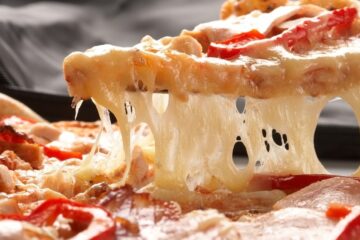
Pizza often contains high calories from cheese, dough, and toppings. Excess calories can lead to weight gain in children. Regularly eating pizza without balancing activity or other foods may cause unhealthy weight increases. Portion control and choosing lighter options can reduce calorie intake.
Sodium And Heart Health Risks
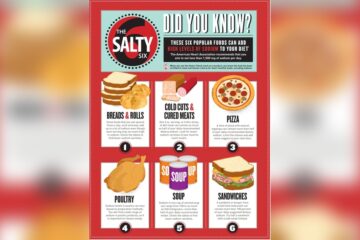
Many pizzas have high sodium levels due to processed meats and cheese. Excess sodium increases blood pressure and stresses the heart. Kids consuming too much salt risk developing heart problems later in life. Monitoring sodium content in pizza is essential for heart health.
Nutrient Gaps In Daily Pizza Diet
Pizza lacks several essential nutrients for growing kids. It often misses enough fiber, vitamins, and minerals found in fruits and vegetables. Relying on pizza daily may cause nutrient deficiencies and poor overall diet quality. Adding fresh veggies or fruits to meals can fill these gaps.
Digestive Concerns With Pizza
Pizza can cause digestive issues like bloating or stomach upset. Dairy in cheese may trigger lactose intolerance symptoms in some children. Gluten in crust may affect kids with sensitivities. Greasy toppings may also disrupt digestion. Choosing pizza with fewer irritants helps reduce discomfort.

Credit: www.bbcgoodfood.com
Daily Pizza Effects On Children
Feeding children pizza every day can affect their health in several ways. Daily pizza meals might seem convenient and tasty. Still, they can influence a child’s body and behavior both immediately and over time. Understanding these effects helps parents make better food choices for their kids.
Short-term Health Impacts
Eating pizza daily often leads to stomach discomfort. The high fat and cheese content may cause bloating or indigestion. Excess salt in pizza can increase thirst and water retention. Children might feel tired or sluggish after eating pizza regularly. Poor digestion and lack of nutrients can lower their energy levels quickly.
Long-term Risks
Daily consumption of pizza increases the risk of weight gain. High calories and unhealthy fats contribute to obesity in children. Too much sodium can raise blood pressure even at a young age. Over time, these habits may lead to heart problems and diabetes. Missing out on fruits and vegetables causes nutrient shortages and weak immunity.
Behavioral And Energy Changes
Children who eat pizza every day may show mood swings. Sugar and fat spikes affect their brain and emotions. They might struggle to focus in school or feel restless. Low nutrient intake can reduce their stamina and cause fatigue. A balanced diet supports steady energy and good behavior.
Healthier Pizza Choices
Choosing healthier pizza options can make a big difference for kids’ daily diets. Pizza does not have to be unhealthy. Simple swaps help reduce calories and increase nutrients. These small changes make pizza more balanced and kid-friendly.
Focus on the base, toppings, and sauce to improve nutrition. Homemade pizza offers even more control over ingredients. These choices support better health and keep pizza fun to eat.
Whole-wheat And Thin Crust Options
Use whole-wheat crust instead of white flour crust. Whole wheat adds fiber and nutrients. Thin crust cuts down on extra calories and carbs. Both options help control portion size and reduce overload of refined grains. This supports better digestion and steady energy for kids.
Vegetable And Lean Protein Toppings
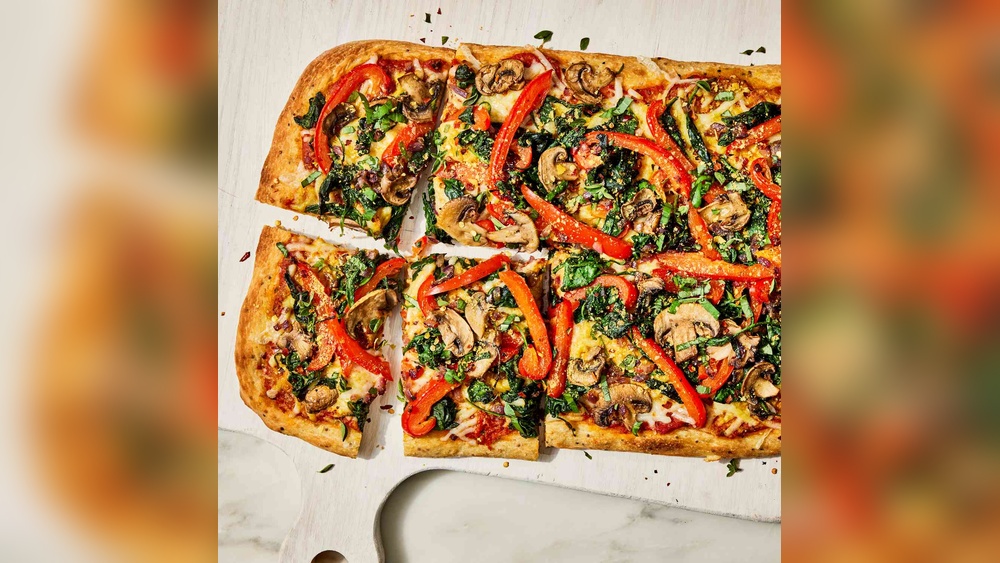
Add colorful vegetables like bell peppers, spinach, and tomatoes. Vegetables provide vitamins and minerals essential for growth. Choose lean proteins such as grilled chicken or turkey. These toppings add protein without extra fat. Avoid processed meats like pepperoni or sausage to lower saturated fat intake.
Sauce Alternatives
Traditional tomato sauce is a good choice if low in sugar. Try homemade tomato sauce with fresh tomatoes and herbs. Pesto or olive oil-based sauces add flavor with healthy fats. Avoid creamy sauces high in calories and unhealthy fats. A lighter sauce helps keep pizza healthier and more digestible.
Benefits Of Homemade Pizza
Making pizza at home allows full control over ingredients. Use fresh vegetables and lean meats. Choose whole-grain crusts and reduce cheese amounts. Homemade pizza has less salt, sugar, and preservatives than store-bought. Kids can help prepare pizza, making mealtime fun and educational. This approach supports better eating habits and nutrition.

Credit: www.healthdirect.gov.au
Balancing Pizza In Kids’ Diet
Balancing pizza in kids’ diets means giving them treats without harm. Pizza can fit into meals if chosen wisely and served with care. Parents can use simple methods to keep pizza healthy and enjoyable for children. This balance helps kids enjoy food while meeting their nutrition needs.
Moderation Strategies
Serve pizza only a few times each week. Keep portion sizes small to avoid extra calories. Choose healthier pizza types with less cheese and more veggies. Limit high-fat and processed meat toppings. Encourage kids to eat slowly and stop when full. These steps help control calorie intake and prevent overeating.
Complementary Foods To Include
Add fresh vegetables like carrots, cucumbers, or bell peppers as sides. Offer fruits such as apple slices or berries to sweeten the meal. Include a small serving of protein, like grilled chicken or beans. Provide water or milk instead of sugary drinks. These foods boost vitamins and minerals missing in pizza alone.
Encouraging Variety And Balance
Introduce different meals beyond pizza to expand taste and nutrition. Rotate meals with whole grains, fruits, vegetables, and lean proteins. Teach kids to enjoy diverse foods for strong growth and good health. Make meals colorful and fun to keep children interested. Variety prevents nutrient gaps and supports overall well-being.
Addressing Picky Eating
Picky eating is common among children and can make meal planning tough. Kids often prefer familiar foods, which can limit their diet variety. Pizza is a favorite for many children, so parents may wonder about its role in daily meals.
Understanding how to address picky eating helps introduce balanced choices. Using pizza as a starting point, parents can expand their child’s food preferences. Careful strategies can ensure kids enjoy meals while getting needed nutrients.
When Kids Want Pizza Daily
Children may ask for pizza every day due to its taste and ease. This desire can lead to missing other important foods. Parents should watch for signs of nutritional gaps. Setting limits on daily pizza helps balance their diet. Explaining the need for variety makes kids more open to other foods.
Introducing New Flavors Gradually
New flavors can feel strange to picky eaters. Introducing small changes on pizza can help. Add mild vegetables like tomatoes or spinach slowly. Use different cheeses or herbs to create new tastes. Let children try new toppings without pressure. This method helps expand their palate over time.
Healthy Substitutes And Alternatives
Substitutes keep pizza fun and nutritious. Whole wheat crust adds fiber and vitamins. Swap heavy cheese with lower-fat options. Use lean proteins like grilled chicken instead of processed meats. Include colorful vegetables as toppings for extra nutrients. These changes improve pizza’s health without losing appeal.
Frequently Asked Questions
How Unhealthy Is Pizza For Kids?
Pizza can be unhealthy for kids if eaten frequently due to high calories, sodium, saturated fats, and low nutrients. Excess intake may cause weight gain, heart issues, and nutrient deficiencies. Opt for homemade, veggie-loaded, whole-wheat crust pizzas and limit cheese to make it healthier and safer for children.
Is It Okay For Kids To Eat Pizza?
Kids can eat pizza occasionally as part of a balanced diet. Choose whole-wheat crust, veggies, and lean proteins for healthier options. Limit cheese and processed meats to reduce calories, sodium, and fat. Avoid daily consumption to prevent weight gain and health issues.
Is Pizza Good For A Child?
Pizza can be a tasty treat for children but should be eaten in moderation. Choose healthier toppings and whole-wheat crusts. Avoid daily consumption to prevent excess calories, sodium, and fats. Balance pizza with fruits, vegetables, and proteins for a nutritious diet.
Is It Unhealthy To Eat Pizza Every Day?
Eating pizza daily can harm health due to high calories, sodium, and saturated fats. Choose homemade, veggie-rich options to stay healthier.
Conclusion
Pizza can be part of a child’s diet but not daily. Frequent pizza meals may cause health issues like weight gain and nutrient gaps. Choose healthier options like whole-wheat crust and more veggies. Homemade pizzas give better control over ingredients.
Balance pizza with fruits, vegetables, and proteins for better nutrition. Moderation keeps meals enjoyable and supports children’s growth. Remember, variety matters most in a healthy daily diet.
As the author of the “Ultimate Pizza Guide: Recipes, Tips & Secrets Revealed,” I’m dedicated to sharing my love for pizza and empowering others to create delicious homemade pizzas with ease. Join me on a journey to uncover the secrets to perfecting your pizza game!