“How to Clean Pizza Accessories Safely”?
If you love making pizza at home, you know how important your pizza accessories are to getting that perfect crust and flavor. But keeping these tools clean isn’t just about hygiene—it’s about preserving their quality and making sure every pizza tastes as good as the last.
You might be wondering how to clean your pizza stone, peel, or oven safely without damaging them or risking unwanted flavors. In this guide, you’ll discover simple, effective ways to clean your pizza accessories that protect your investment and keep your kitchen smelling fresh.
Stick with me, and you’ll never have to worry about stubborn stains or harmful cleaning methods again. Ready to master the art of safe pizza accessory cleaning? Let’s dive in!
Cleaning Pizza Stones
Cleaning pizza stones is essential to keep them working well and safe for cooking. These stones absorb oils and food bits, so regular cleaning stops old smells and burnt residue. Avoid harsh cleaning methods that can damage the stone or change its cooking quality. Follow simple steps to clean and care for your pizza stone safely.
Cooling And Scraping
Let the pizza stone cool completely before cleaning. Hot stones can crack with sudden temperature changes. Use a plastic scraper or spatula to remove stuck food bits gently. Avoid metal tools that may scratch the surface.
Brushing And Wiping
Use a stiff brush to clear crumbs and loose particles from the stone’s surface. A grill brush or pizza stone brush works well. Lightly wipe the stone with a damp cloth if needed, but never soak it in water.
Drying Techniques
Air dry the stone fully before storing or using again. Never place a wet stone in a hot oven. Moisture trapped inside can cause cracks during heating.
Deep Cleaning With Baking Soda Paste
For tough stains, mix baking soda with water or vinegar to make a paste. Apply it to the spots and scrub gently with a brush. Wipe the stone clean with a damp cloth and dry it thoroughly afterward.
High-heat Burn-off Method
Place the stone in a hot oven (around 500°F) for about an hour. This burns off food residues and odors. Make sure the stone is dry before heating to avoid damage.
What To Avoid
- Do not use soap or detergents. The stone absorbs them and affects taste.
- Avoid soaking the stone in water to prevent cracking.
- Do not use harsh chemicals or oven cleaners on the stone.
- Never use metal tools that can scratch or damage the surface.

Credit: www.amazon.com
Cleaning Metal Pizza Stones
Metal pizza stones offer excellent heat retention for crispy, evenly cooked pizzas. Proper cleaning keeps them in good shape and extends their life. Cleaning metal pizza stones is simple but requires care to avoid damage. Follow these steps to clean your stone safely and effectively.
Cooling And Scraping
Allow the metal pizza stone to cool completely before handling. Sudden temperature changes can cause warping or cracks. Use a plastic or wooden scraper to remove stuck-on food gently. Avoid metal tools that may scratch the surface.
Washing With Soap And Water
Wash the stone with warm water and mild dish soap. Use a soft sponge or cloth to clean the surface. Do not soak the stone in water, as it can cause rust or damage. Rinse thoroughly to remove all soap residues.
Drying And Seasoning
Dry the stone immediately with a clean towel. Leave it in a warm area to air dry completely. To protect the stone and prevent rust, apply a thin layer of cooking oil. Heat the stone in the oven at a low temperature for 30 minutes to season it.
Avoiding Harsh Cleaners
Do not use abrasive cleaners or harsh chemicals. These can damage the stone’s finish and affect pizza flavor. Avoid bleach, oven cleaners, or steel wool pads. Stick to gentle cleaning methods to keep your stone safe and functional.
Cleaning Other Pizza Accessories
Cleaning pizza accessories beyond the stone or oven is important for safe and tasty pizza making. Dirt and grease can build up on these tools. Proper cleaning stops bacteria growth and keeps accessories working well.
Peels And Screens
Peels and screens hold the pizza during baking. Use warm water and mild soap to clean them. Avoid soaking wooden peels to prevent warping. Scrub metal peels and screens with a brush to remove stuck food. Dry them fully before storing.
Oven Racks And Trays
Oven racks and trays catch drips and hold pizzas. Remove loose crumbs first. Soak racks and trays in hot, soapy water for 10-15 minutes. Use a sponge or brush to scrub off grease. Rinse well with clean water. Dry racks and trays completely to avoid rust.
Utensils And Tools
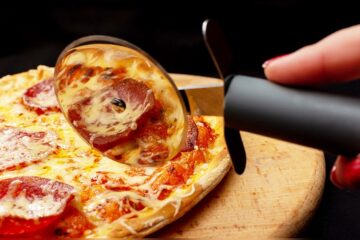
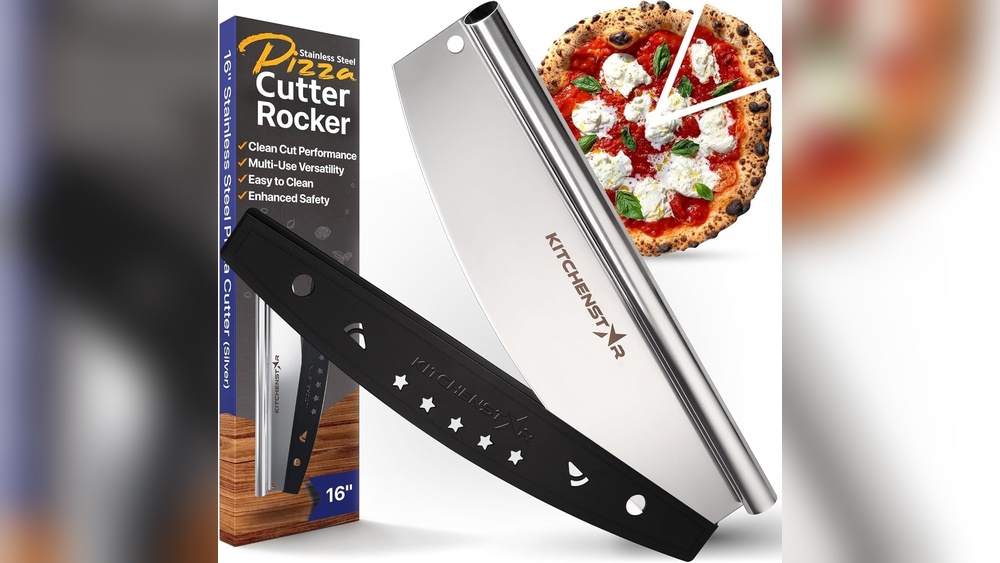
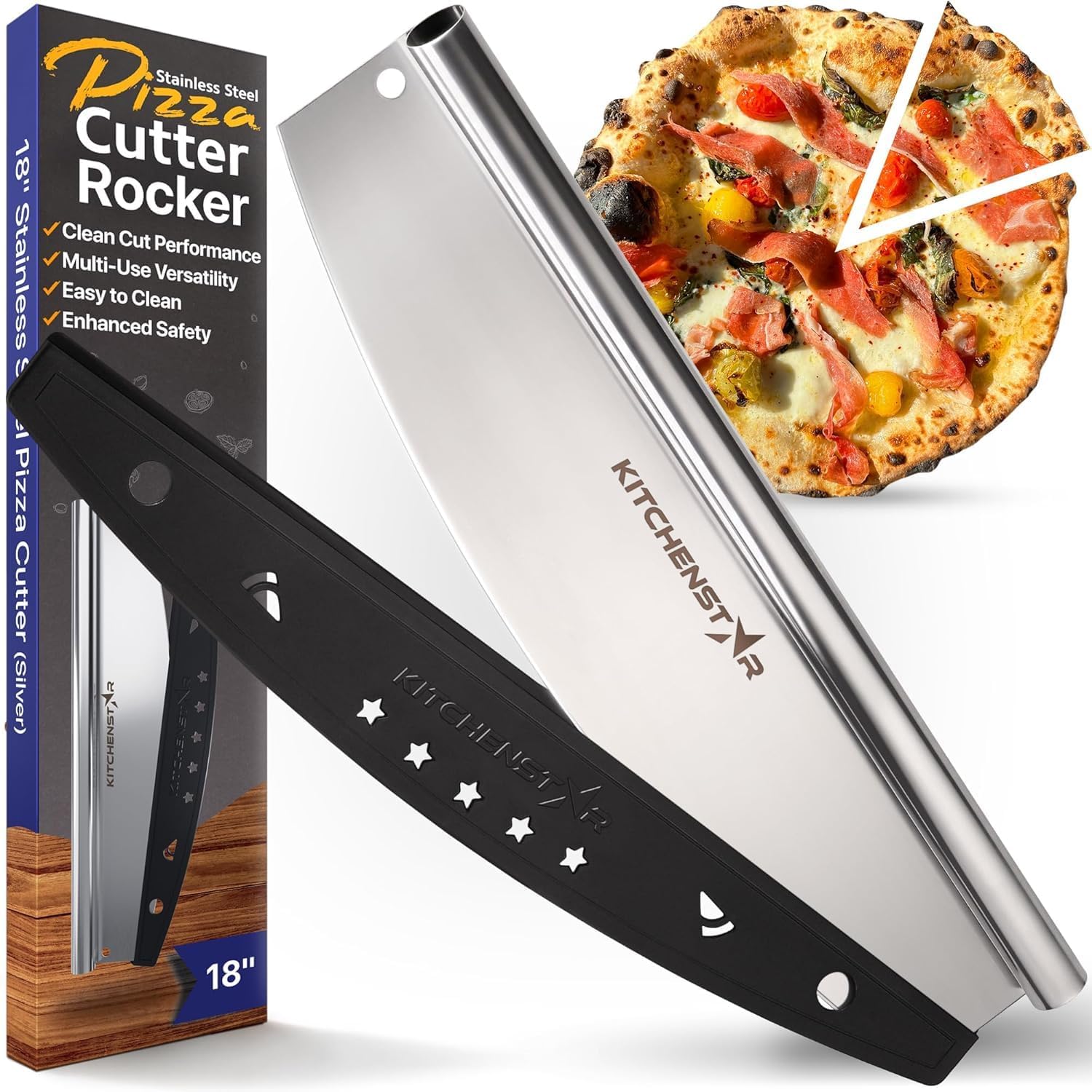
Utensils like pizza cutters, brushes, and spatulas need regular cleaning. Wash them with warm, soapy water after use. Use a small brush to clean cutter blades carefully. Rinse tools thoroughly and dry with a clean towel. Store utensils in a dry place to keep them ready for the next pizza.
Credit: kitchenstar.top
Maintenance Tips
Maintaining pizza accessories properly extends their life and keeps them safe to use. Simple care steps prevent damage and ensure each tool works well every time. Regular attention avoids buildup and wear that can affect pizza quality. Follow these maintenance tips to keep your pizza accessories clean and functional for years.
Proper Storage
Store pizza accessories in a dry, cool place. Avoid damp areas that cause rust or mold. Use protective covers or boxes to keep dust and dirt away. Keep sharp tools separate to prevent dulling or damage. Proper storage reduces wear and helps accessories stay clean longer.
Regular Inspections
Check pizza accessories often for cracks, rust, or loose parts. Look for food buildup in hard-to-see spots. Inspect wooden handles for splinters or damage. Catching problems early stops them from getting worse. Regular checks keep your tools safe and ready to use.
Preventing Damage
Handle pizza accessories gently to avoid breaks or dents. Avoid sudden temperature changes, especially with stones or metal tools. Use non-abrasive cleaners to protect surfaces. Never soak wooden or porous accessories in water. Careful use and cleaning protect your tools and keep them in top shape.

Credit: www.amazon.com
Frequently Asked Questions
Are Pizza Stones Supposed To Be Washed?
Pizza stones should not be washed with soap or soaked in water. Cool completely, scrape off food, brush crumbs, and clean with hot water or baking soda paste. Air dry thoroughly to prevent cracking. Avoid harsh chemicals and never submerge the stone.
Can You Use Dawn Dish Soap On A Pizza Stone?
Do not use Dawn dish soap on a pizza stone. Its porous surface absorbs soap, causing unpleasant flavors. Clean with a baking soda paste, rinse with water, and air dry thoroughly. Avoid soaking or harsh chemicals to preserve the stone’s integrity and taste.
How To Clean And Disinfect A Pizza Stone?
Let the pizza stone cool completely. Scrape off food with a plastic scraper. Brush crumbs away with a stiff brush. Use a damp cloth or baking soda paste for tough spots. Never use soap or soak the stone. Air dry thoroughly before storing.
How To Clean A Metal Pizza Stone?
Let the metal pizza stone cool completely. Scrape off food residue with a plastic scraper. Use a damp cloth or baking soda paste for stubborn spots. Avoid soap and soaking. Air dry thoroughly before storing.
Conclusion
Cleaning pizza accessories safely keeps them in good shape longer. Always cool accessories before cleaning to avoid damage. Use gentle tools like soft brushes or cloths for best results. Avoid soap or harsh chemicals that can harm surfaces. Baking soda paste works well for tough spots.
Let everything dry completely before storing or using again. Following these simple steps helps you enjoy great pizza every time. Safe cleaning means better taste and lasting tools. Keep your pizza gear ready and safe for many delicious meals ahead.

As the author of the “Ultimate Pizza Guide: Recipes, Tips & Secrets Revealed,” I’m dedicated to sharing my love for pizza and empowering others to create delicious homemade pizzas with ease. Join me on a journey to uncover the secrets to perfecting your pizza game!