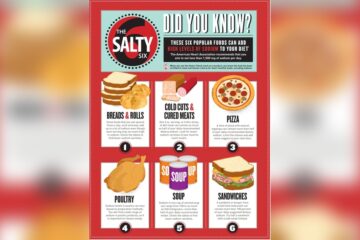
You probably love pizza—it’s tasty, comforting, and easy to grab anytime. But have you ever wondered how this popular dish really affects your overall health?
The truth is, pizza isn’t just empty calories; it contains nutrients that can support your body, but it also has hidden downsides that might sneak up on you if you eat it too often. You’ll discover what happens inside your body when you enjoy pizza, the surprising benefits it can offer, and the health risks you should watch out for.
Plus, you’ll learn simple ways to make your pizza choices better for your health without giving up flavor. Keep reading to find out how pizza truly impacts your well-being—your body will thank you!

Credit: pledgetofitness.com
Nutritional Benefits
Pizza offers more than just great taste. It contains nutrients that support your body in different ways. Understanding these benefits helps you enjoy pizza wisely. The ingredients provide important elements like protein, minerals, and antioxidants. These contribute to muscle strength, heart health, and overall wellness.
Protein And Minerals
Pizza provides a good source of protein. Protein helps build and repair muscles, skin, and hair. The cheese and meat toppings add valuable minerals like iron and zinc. These minerals support immune function and energy levels. B vitamins in pizza also help the body produce energy efficiently.
Antioxidants From Tomatoes
Tomato sauce on pizza is rich in lycopene. Lycopene is a powerful antioxidant that protects cells from damage. It may help reduce the risk of heart disease. Antioxidants also lower inflammation in the body. This makes tomato sauce a healthy part of pizza.
Bone Strength From Cheese
Cheese contains calcium, magnesium, and zinc. These minerals are essential for strong bones and teeth. Calcium helps keep bones dense and prevents osteoporosis. Magnesium supports muscle function and energy production. Cheese also provides vitamin D, which improves calcium absorption.
Mood And Social Impact
Eating pizza can improve mood by boosting dopamine levels. Dopamine is a chemical that makes you feel happy and relaxed. Sharing pizza encourages social bonding and reduces stress. Social meals promote a sense of belonging and well-being. Pizza’s comfort factor helps many feel emotionally better.

Credit: health.clevelandclinic.org
Health Risks
Eating pizza often can bring some health risks. These risks mainly come from its ingredients and how it is made. Understanding these risks helps you make better food choices.
Many pizzas contain high amounts of calories, fats, and sodium. This can affect your body in several negative ways. Knowing these effects can guide you to enjoy pizza without harming your health.
High Calories And Fats
Pizza often has many calories in one slice. Cheese and processed meats add a lot of saturated fats. These fats can cause weight gain if eaten too much. Large portions increase calorie intake quickly. Eating high-calorie foods regularly may lead to obesity and related problems.
Heart Health Concerns
Cheese and pepperoni contain saturated fats and salt. These ingredients can raise bad cholesterol levels. High cholesterol increases the risk of heart disease and stroke. Excess sodium raises blood pressure, which strains the heart. Frequent pizza consumption may harm heart health over time.
Digestive Problems
Some people may have trouble digesting pizza ingredients. Gluten in the crust can cause bloating or pain in sensitive individuals. Lactose from cheese may lead to stomach discomfort or diarrhea. Heavy, greasy pizzas slow digestion and cause discomfort. These issues can reduce your overall well-being.
Energy And Sluggishness
Pizza’s high fat and salt content can make you feel tired. The body uses more energy to digest heavy foods. This can cause sluggishness and low energy levels. Sugary drinks with pizza add to energy crashes. Eating lighter meals can help maintain steady energy throughout the day.
Common Unhealthy Ingredients
Pizza contains many ingredients that can affect your health negatively. Some common ingredients in pizza are linked to health problems. Understanding these unhealthy components helps make better food choices. These ingredients often appear in traditional pizzas and can impact heart health, weight, and energy levels.
Processed Meats And Sodium
Processed meats like pepperoni and sausage are common pizza toppings. These meats contain high levels of sodium and preservatives. Excess sodium raises blood pressure and increases heart disease risk. Processed meats also have unhealthy chemicals that may harm the body. Eating them often can lead to serious health problems.
Refined Carbohydrates
Most pizza crusts use refined white flour. This type of carbohydrate breaks down quickly in the body. It causes blood sugar spikes and leads to energy crashes. Refined carbs have little fiber and few nutrients. Eating many refined carbs may increase the risk of obesity and diabetes.
Excessive Cheese And Saturated Fats
Cheese adds flavor but often comes in large amounts on pizza. It contains saturated fats that can raise bad cholesterol levels. High intake of saturated fats increases heart disease risk. Too much cheese also adds many calories. This can cause weight gain if eaten regularly.
Improving Pizza’s Health Profile
Improving pizza’s health profile makes it a smarter choice for your body. Small changes to ingredients boost nutrition without losing flavor. Focus on better crusts, fresh veggies, lean proteins, and fiber to create a balanced meal. Drinks paired with pizza also influence its health impact.
Healthier Crust Options
Switching to whole wheat crust adds fiber and nutrients. Cauliflower crust is low in carbs and rich in vitamins. Thin crust reduces calories and unhealthy fats. These choices support digestion and help control weight.
Adding More Vegetables
Vegetables add vitamins, minerals, and antioxidants to pizza. Spinach, peppers, mushrooms, and tomatoes are great toppings. They increase fiber and improve heart health. Vegetables also add color and texture, making pizza more appealing.
Choosing Lean Proteins
Opt for grilled chicken, turkey, or seafood instead of processed meats. Lean proteins provide essential amino acids with less saturated fat. This helps maintain muscle and lowers heart disease risk. Avoid high-fat pepperoni or sausage for a healthier meal.
Smart Beverage Choices
Water is the best drink to pair with pizza. It keeps you hydrated without adding calories or sugar. Unsweetened iced tea or sparkling water are good alternatives. Avoid sugary sodas that add empty calories and raise blood sugar.
Incorporating Fiber
Fiber aids digestion and keeps you full longer. Choose fiber-rich crusts and add vegetables to increase intake. A side salad before pizza adds extra fiber and nutrients. Higher fiber helps balance blood sugar and supports weight management.
Effects Of Regular Consumption
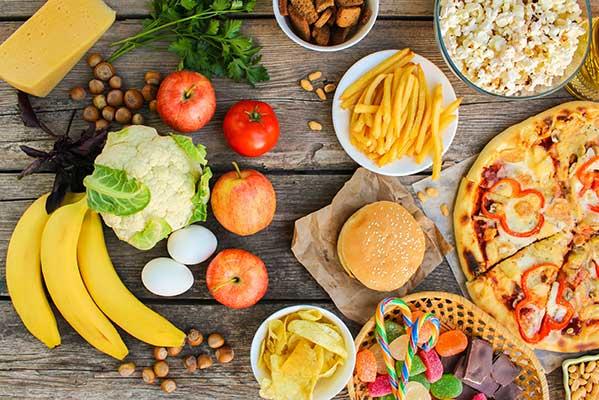
Eating pizza regularly can change your body in many ways. It is a favorite food for many, but frequent intake may affect your health. Understanding these effects helps you make smarter food choices.
Body Changes From Weekly Pizza
Eating pizza once a week adds extra calories and fats to your diet. These calories can cause your body to store more fat. You may feel less energetic after eating heavy, greasy pizza meals. Your digestion might slow down because of high fat and sodium levels. Over time, your body might show signs of bloating or discomfort if you eat pizza often.
Impact On Weight And Blood Pressure
Regular pizza eating often leads to weight gain. Many pizzas contain processed meats and cheese with high saturated fat. This fat can increase your bad cholesterol levels. Sodium in pizza can raise your blood pressure. High blood pressure puts extra strain on your heart. Maintaining a balanced diet is key to controlling weight and blood pressure.
Long-term Heart Health
Consuming pizza frequently may raise risks of heart disease. Saturated fats and salt in pizza can damage blood vessels. This damage increases the chance of heart attacks and strokes. Some pizza toppings, like vegetables, offer nutrients that support heart health. Choosing healthier pizza options can reduce long-term health risks.
Credit: www.cancer.gov
Tips For Enjoying Pizza Wisely
Pizza can be part of a healthy diet if enjoyed wisely. Small changes help you enjoy pizza without harming your health. Simple tips make a big difference in how pizza affects your body.
Focus on how much you eat, what you eat it with, and how often you balance it with other foods. These tips help keep your meals tasty and healthy.
Portion Control
Eat smaller slices to avoid extra calories. Stop before you feel too full. Sharing pizza with friends helps control portions. Avoid eating large amounts at once. This reduces the risk of weight gain and sluggishness.
Balancing Meals
Pair pizza with a side of vegetables or salad. Choose water or low-calorie drinks instead of soda. Add lean protein like grilled chicken or beans to your meal. This balance improves digestion and keeps energy steady. It also lowers sodium and fat intake from pizza alone.
Alternating With Nutritious Foods
Eat pizza less often and enjoy fruits, vegetables, and whole grains on other days. Rotate pizza with meals rich in vitamins and minerals. This helps your body get all nutrients it needs. It also supports heart health and keeps weight in check.
Frequently Asked Questions
How Does Pizza Affect Your Health?
Pizza provides protein, calcium, and antioxidants that support bones and heart health. High calories, saturated fats, and sodium can cause weight gain and increase heart risks. Choosing whole-grain crust, lean meats, and vegetables makes pizza healthier and reduces negative effects.
What Is The Most Unhealthy Thing In Pizza?
The most unhealthy thing in pizza is the high saturated fat and sodium content from processed meats like sausage and pepperoni.
Is There Any Benefit To Eating Pizza?
Pizza provides protein, calcium, and antioxidants like lycopene, supporting bones, muscles, and heart health. Choosing whole-grain crust and veggies boosts nutrition. Eating pizza occasionally can offer mood benefits and social enjoyment.
Is Pizza A Healthy Food True Or False?
False. Pizza can be healthy with whole grains, lean proteins, and veggies. Traditional pizza often contains high calories, sodium, and saturated fats. Choose healthier ingredients to boost nutrition and reduce health risks like weight gain and high blood pressure.
Conclusion
Pizza can fit into a balanced diet when eaten wisely. Choosing whole grains, fresh vegetables, and lean proteins boosts its health value. Eating too much pizza with high fat and salt may harm your heart and digestion. Enjoying pizza with moderation helps you benefit from its nutrients.
Making small changes creates a healthier, tastier meal. Balance and variety remain key for overall well-being.

As the author of the “Ultimate Pizza Guide: Recipes, Tips & Secrets Revealed,” I’m dedicated to sharing my love for pizza and empowering others to create delicious homemade pizzas with ease. Join me on a journey to uncover the secrets to perfecting your pizza game!