When you think about pizza, it’s hard not to crave a big, cheesy slice (or two). But have you ever stopped to wonder what a healthy pizza portion size actually looks like?
Knowing how much pizza to enjoy without overdoing it can make all the difference for your health and waistline. Whether you’re grabbing a quick lunch or sharing a pie with friends in Austin, Texas, understanding the right serving size helps you savor your favorite flavors while staying on track with your nutrition goals.
Ready to find out how to enjoy pizza guilt-free? Keep reading to discover simple tips that make your pizza meals both satisfying and healthy.
Credit: www.getlabtest.com
Recommended Serving
Knowing the recommended serving of pizza helps control calorie intake. Portion size affects how healthy your meal is. Eating the right amount keeps you satisfied without overeating. It also supports balanced nutrition and weight management.
Typical Portion Size
A standard serving usually means one to two slices of pizza. This amount fits most adults’ needs without excess calories. Slice size varies by pizzeria, but a regular slice is about one-eighth of a 12-inch pizza. Thin crust pizzas often have fewer calories per slice. Keep toppings in mind; vegetables add nutrients, while extra cheese or meat adds calories.
Calorie Considerations
Calories vary depending on crust, toppings, and cheese amount. A single slice can contain between 200 and 350 calories. Two slices may add up to 400-700 calories. Choose thin crust and vegetable toppings to reduce calorie load. Avoid high-fat meats and extra cheese to keep calories lower. Pair pizza with a salad or vegetables for a balanced meal.
Crust Choices
Choosing the right crust can impact the healthiness of your pizza portion. The crust forms the base, so it affects calories and nutrients. Picking a lighter crust helps control calorie intake without losing flavor.
Crust choices also influence how filling your pizza feels. A thinner crust can keep calories low, while thicker crusts add more carbs and fats. Consider your dietary goals when selecting your crust type.
Thin Vs Deep-dish
Thin crust pizza has fewer calories and less fat. It uses less dough, making each slice lighter. This choice helps you enjoy more toppings without extra calories.
Deep-dish crust is thicker and heavier. It contains more carbohydrates and fats. Eating deep-dish means smaller portion sizes to avoid extra calories.
Thin crust suits those watching calories or carbs. Deep-dish may be better for higher energy needs but requires careful portion control.
Whole Grain Options
Whole grain crusts add fiber and nutrients missing in white flour crusts. Fiber helps with digestion and keeps you feeling full longer.
Choosing whole grain crust supports heart health and steady blood sugar levels. It also adds a nutty flavor that complements many toppings.
Look for crusts labeled “whole wheat” or “whole grain” to gain these benefits. Whole grain crusts make your pizza more balanced and nutritious.
Toppings Tips
Choosing the right pizza toppings helps control portion size and keeps your meal healthier. Smart topping choices add flavor without extra calories or unhealthy fats. Focus on fresh ingredients that nourish your body and satisfy your taste buds.
Vegetable Boost
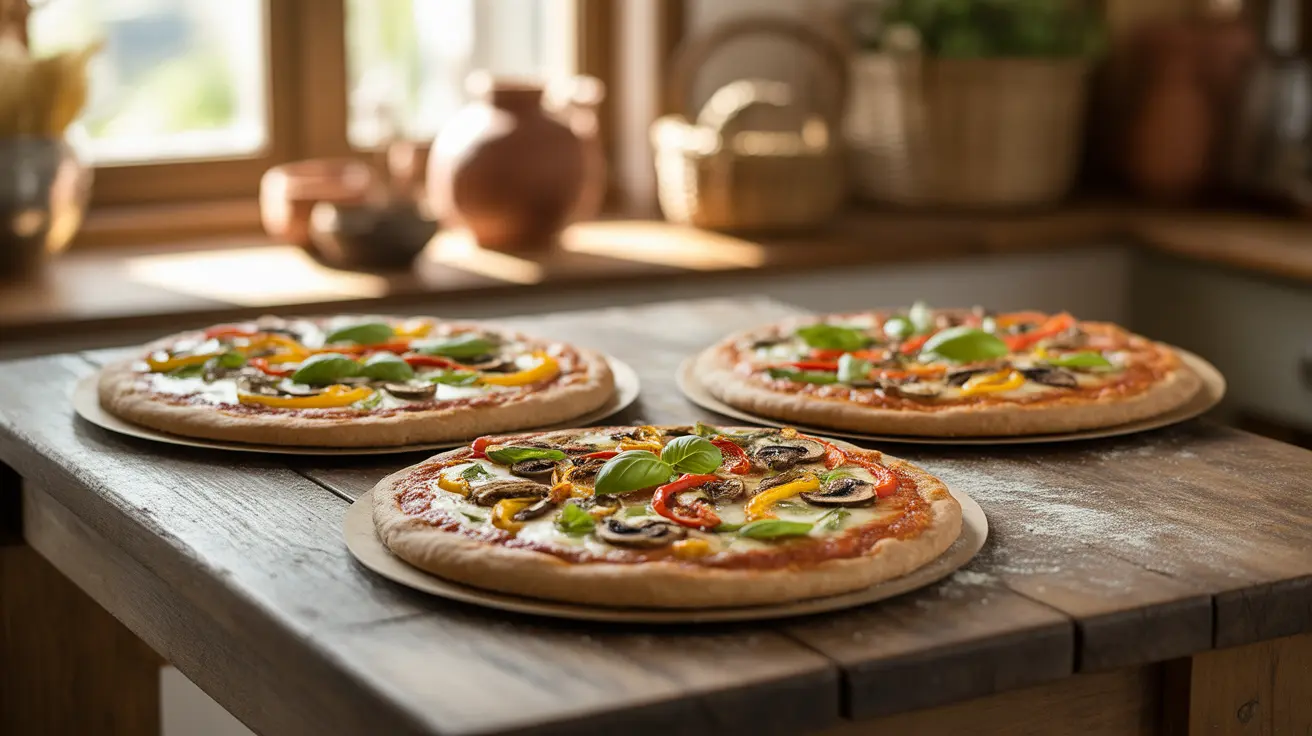
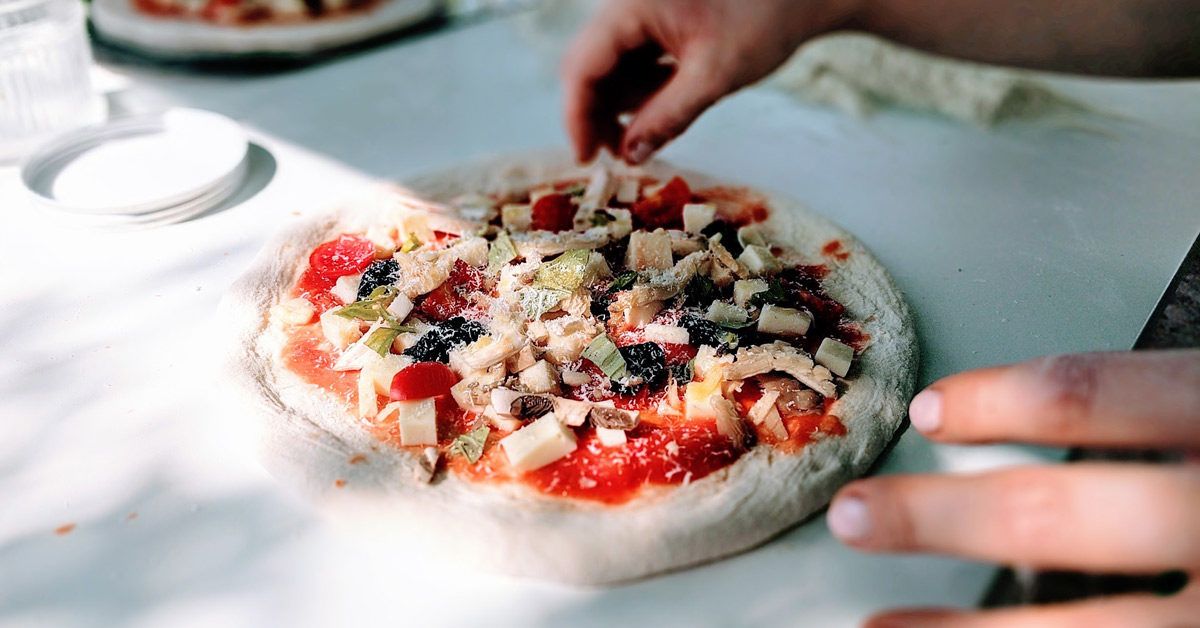
Vegetables add color, crunch, and vitamins to your pizza. Use spinach, bell peppers, mushrooms, and tomatoes. These toppings increase fiber and reduce calories. They make your pizza filling without extra fat. Vegetables also add antioxidants that support your health.
Limit Processed Meats
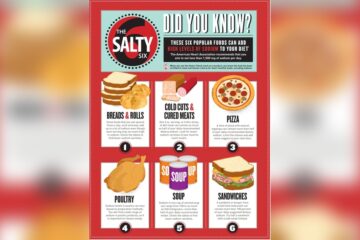
Processed meats like pepperoni and sausage contain high sodium and unhealthy fats. Eating too much can raise blood pressure and cholesterol. Choose lean meats like grilled chicken or turkey instead. Using less processed meat lowers calories and keeps your pizza lighter.
Cheese Alternatives
Cheese gives pizza its creamy texture but can be high in fat. Try lighter options like part-skim mozzarella or reduced-fat cheese. You can also use less cheese and still enjoy the flavor. Some plant-based cheeses work well and reduce saturated fat intake.
Balanced Pairings
Balancing your pizza meal helps manage portion size and nutrition. Pairing pizza with healthy sides creates a fuller, more satisfying meal. This approach controls calorie intake without missing out on flavor.
Choosing the right pairings can add fiber, vitamins, and minerals to your meal. It also helps reduce the temptation to eat too many pizza slices. Small changes make a big difference in eating habits.
Adding Salads
Salads add freshness and crunch to your pizza meal. A large salad fills your stomach with fewer calories. It provides important nutrients like fiber and antioxidants.
Choose leafy greens such as spinach, arugula, or romaine. Add colorful vegetables like tomatoes, cucumbers, and carrots. These boost flavor without adding many calories.
Light Dressings
Use light dressings to keep your salad healthy and tasty. Avoid creamy dressings that contain lots of fat and calories. Instead, try vinaigrettes made with olive oil and vinegar.
Simple lemon juice or balsamic vinegar also works well. These dressings add taste without extra calories. A light dressing helps balance the richness of the pizza.
Portion Factors
Understanding portion factors helps maintain a healthy pizza portion size. Several aspects influence how much pizza you should eat. These factors guide you to enjoy pizza without overeating.
Considering these elements can prevent extra calories and support balanced meals. Adjusting portion size based on these factors ensures better control over your diet.
Slice Size Impact
Not all pizza slices are equal in size. Larger slices contain more calories and nutrients. A small slice might be enough for some people. Pay attention to the slice size before deciding how many to eat. Choosing smaller slices helps control calorie intake.
Hunger Levels
Assess your hunger before eating pizza. Eating when very hungry may lead to larger portions. Eating a small snack before pizza can reduce overeating. Eat slowly and stop when you feel full. This habit helps avoid unnecessary extra slices.
Meal Context
Think about what else you are eating with pizza. If pizza is the main dish, two slices may be enough. If you have sides like salad or soup, one or two slices might suffice. The meal context affects how much pizza you need for satisfaction.
Credit: www.healthline.com
Frequency And Moderation
Understanding how often to enjoy pizza and how much to eat is key to staying healthy. Frequency and moderation help control calorie intake and maintain a balanced diet. Eating pizza occasionally is fine, but daily consumption can cause health problems. Learning to balance your pizza portions supports long-term wellness.
Occasional Treats
Pizza is a popular treat for many. Eating it once in a while allows you to enjoy the flavors without harming your health. Choose smaller portions and healthier toppings to make the most of your treat. Savor each bite slowly to feel satisfied with less. Pair pizza with a side of vegetables or a salad for a balanced meal. This approach keeps your diet varied and enjoyable.
Daily Consumption Risks
Eating pizza every day can lead to weight gain and other health issues. Most pizzas contain high amounts of calories, sodium, and unhealthy fats. These can increase the risk of heart disease, diabetes, and high blood pressure. Overeating pizza may crowd out important nutrients from other foods. Limiting pizza to a few times per week helps protect your health. Portion control is essential to avoid excess calories and maintain energy balance.
Serving Multiple Guests
Serving pizza to multiple guests needs good planning. Portion control helps keep the meal healthy. It also ensures no one feels left out or gets too much. Understanding pizza slice counts for different guests helps avoid waste and overeating. This section guides you on serving the right pizza portions for groups.
Calculating Slices
Count the total guests coming to your event. Plan for three slices per adult. For children, plan two slices each. Multiply these numbers by the number of guests. This gives the total slices needed. Check how many slices each pizza has. Divide total slices by slices per pizza. This shows how many pizzas to order. Round up to avoid running out.
Children Vs Adults
Children usually eat less than adults. Their smaller appetite means fewer slices. Two slices per child is a good rule. Adults need more energy and hunger satisfaction. Three slices per adult works well. Adjust based on hunger levels and age. Younger kids may want even less. Keep some healthy sides to fill gaps.
:max_bytes(150000):strip_icc()/pizza_annotated3-bb1cf56718e1456a8e5bdc3536ee5728.jpg)
Credit: www.verywellfit.com
Health Goals Alignment
Choosing the right pizza portion helps match your health goals. Portion control supports balance and avoids overeating. It also keeps your meal enjoyable without guilt. Aligning pizza intake with your needs makes your diet smarter and healthier.
Weight Management
Eating a moderate amount of pizza helps control calorie intake. One to two slices often fit within a healthy daily calorie limit. Avoiding large portions reduces the chance of unwanted weight gain. Pair your pizza with vegetables or salad to add fiber and fullness. Small portions satisfy cravings without excess calories.
Heart Health
Smaller pizza servings lower saturated fat and sodium intake. Choosing thin crust and vegetable toppings benefits heart health. Limiting cheese and processed meats reduces unhealthy fats. Balanced portions prevent spikes in blood pressure and cholesterol. Controlling pizza size helps maintain a healthy heart over time.
Frequently Asked Questions
What Is A Healthy Serving Of Pizza?
A healthy pizza serving is typically one to two thin-crust slices with vegetable toppings. Pair it with a salad for balance. Limit cheese and processed meats to reduce calories and sodium. Moderation matters; enjoy pizza as an occasional treat within your daily calorie needs.
Is A 7 Inch Pizza Enough For One Person?
A 7-inch pizza typically serves one person as a light meal or snack. Hunger level and toppings affect satisfaction.
Is 2 Slices Of Pizza Too Much?
Two slices of pizza are generally a reasonable portion for most people. Portion size depends on slice size and your overall diet. Balance with vegetables and lean protein for a healthier meal. Monitor calories and fat if you aim for weight loss or heart health.
Is 1 Serving Of Pizza 1 Slice?
One serving of pizza is typically one to two slices, depending on slice size and your dietary needs.
Conclusion
Choosing the right pizza portion helps keep meals balanced and satisfying. One to two slices usually suit most people’s needs. Pick thin crust and add plenty of vegetables to boost nutrition. Limit high-fat toppings and cheese for fewer calories. Pair pizza with a fresh salad to feel fuller longer.
Enjoy pizza as an occasional treat, not daily food. Being mindful of portion sizes supports a healthier lifestyle. Small changes make eating pizza better for your body. Keep portions reasonable and savor every bite.

As the author of the “Ultimate Pizza Guide: Recipes, Tips & Secrets Revealed,” I’m dedicated to sharing my love for pizza and empowering others to create delicious homemade pizzas with ease. Join me on a journey to uncover the secrets to perfecting your pizza game!