You love pizza, but you also want to stay healthy. What if you could enjoy your favorite slice without the guilt?
The secret lies in adopting healthy pizza eating habits that let you savor every bite while caring for your body. From choosing the right crust to topping your pizza with nutrient-packed ingredients, small changes can make a big difference. Ready to discover how to enjoy pizza the smart way?
Keep reading, and you’ll learn simple tips that keep your cravings satisfied and your health on track.
Choosing The Right Crust
Choosing the right crust is key to enjoying a healthier pizza. The crust forms the base and affects calories and nutrients. Picking a better crust can lower carbs and boost fiber. It also helps control portion size and keeps you full longer.
Benefits Of Thin Crust
Thin crust has fewer calories than thick crust. It contains less dough, which means less carbs and fat. Thin crust allows more room for healthy toppings like vegetables. It also crisps up nicely, adding a satisfying crunch. This crust style suits those watching their calorie intake.
Whole Wheat Vs Regular Crust
Whole wheat crust offers more fiber than regular crust. Fiber aids digestion and helps maintain blood sugar levels. It also keeps you feeling full for longer. Whole wheat crust has more vitamins and minerals too. Regular crust is softer but less nutritious. Choosing whole wheat adds a healthy boost to your pizza.
Exploring Veggie-based Crusts
Veggie crusts use vegetables like cauliflower or zucchini as the base. These crusts are lower in carbs and calories. They provide extra vitamins and antioxidants. Veggie crusts are a good option for gluten-free diets. They add a unique flavor and texture to pizza. Trying veggie crusts can make pizza both tasty and healthy.
Credit: www.nbcnews.com
Smart Topping Choices
Choosing the right toppings can make your pizza meal healthier and more satisfying. Smart topping choices add flavor, nutrients, and balance to your pizza. Focus on fresh, wholesome ingredients that support your health goals. These simple swaps help reduce calories and increase vitamins and minerals.
Load Up On Vegetables
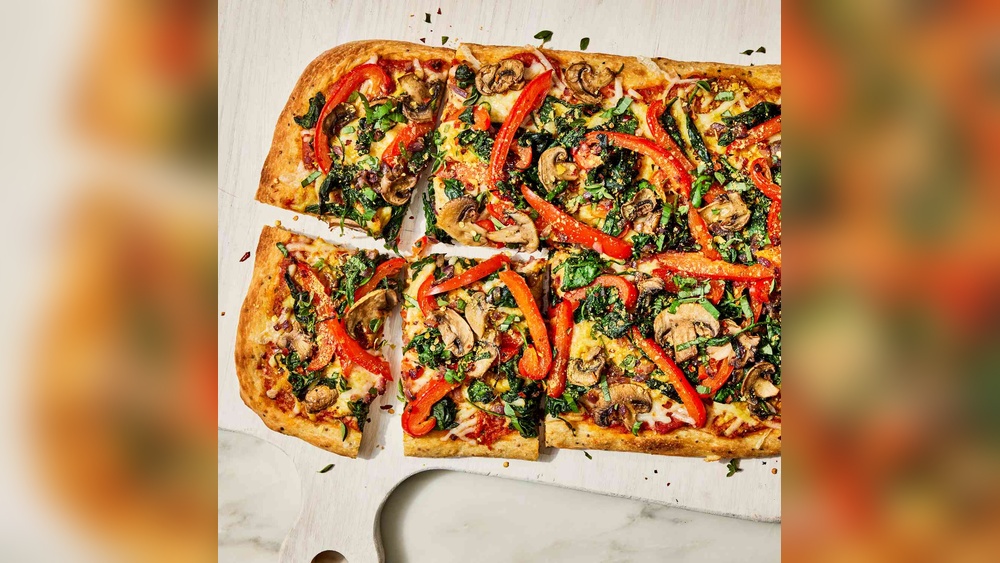
Vegetables bring color, crunch, and nutrition to every slice. Bell peppers, spinach, mushrooms, onions, and tomatoes are great options. They add fiber and vitamins without many calories. More vegetables mean more antioxidants and fewer empty calories. Fresh or roasted veggies both work well as toppings.
Opt For Lean Proteins
Lean proteins provide energy and keep you full longer. Grilled chicken, turkey, and shrimp are smart choices. They add flavor and texture without too much fat. These proteins support muscle health and help control hunger. Avoid heavy sauces that add extra calories to protein toppings.
Limit High-fat Meats
High-fat meats like pepperoni, sausage, and bacon add saturated fat and calories. Too much can raise cholesterol and affect heart health. Use these toppings sparingly or skip them altogether. Choose healthier alternatives to enjoy pizza without guilt. Your heart will thank you for cutting back on fatty meats.
Cheese And Sauce Tips
Cheese and sauce play key roles in pizza flavor and nutrition. Choosing the right cheese and using sauce carefully can make pizza healthier. These tips help reduce calories and fat without losing taste.
Selecting Low-fat Cheese Options
Pick cheeses with lower fat content to cut calories. Mozzarella made from part-skim milk is a great choice. It melts well and tastes mild. Cottage cheese adds protein with less fat. Parmesan adds flavor in small amounts without extra fat. Using less cheese also helps control calories. Spread cheese evenly for balanced flavor and nutrition.
Using Sauce Wisely
Tomato sauce adds vitamins and taste but watch portions. Choose sauces with no added sugar or salt. Homemade sauce can be fresher and healthier. Spread sauce thinly to avoid extra calories. Avoid creamy or oily sauces that increase fat. Herbs and spices in sauce boost flavor without calories. A light layer is enough to keep pizza tasty.
Balancing Sides And Drinks
Balancing sides and drinks makes your pizza meal healthier and more enjoyable. Adding the right sides boosts nutrition and helps control calories. Choosing smart drinks keeps you hydrated without extra sugar. Small changes can improve your pizza experience and support good health.
Pairing With Fresh Salads
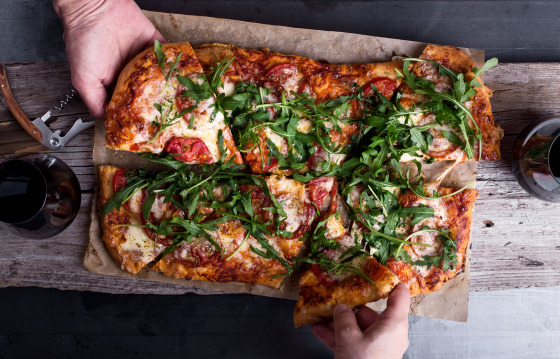
Fresh salads add vitamins and fiber to your meal. They help fill you up with fewer calories. Use leafy greens like spinach or arugula for a nutrient boost. Add colorful veggies such as tomatoes, cucumbers, and carrots. Light dressings like olive oil and lemon keep it healthy. Salads balance the richness of cheesy pizza slices well.
Choosing Hydrating Beverages
Water is the best drink to stay hydrated. It has no calories or sugar and helps digestion. Sparkling water with a slice of lemon adds flavor without extra sugar. Unsweetened iced tea or herbal tea offers taste and hydration. Avoid sugary sodas and heavy alcohol to keep your meal light. Good hydration supports overall health and keeps you feeling good.
Portion Control Strategies
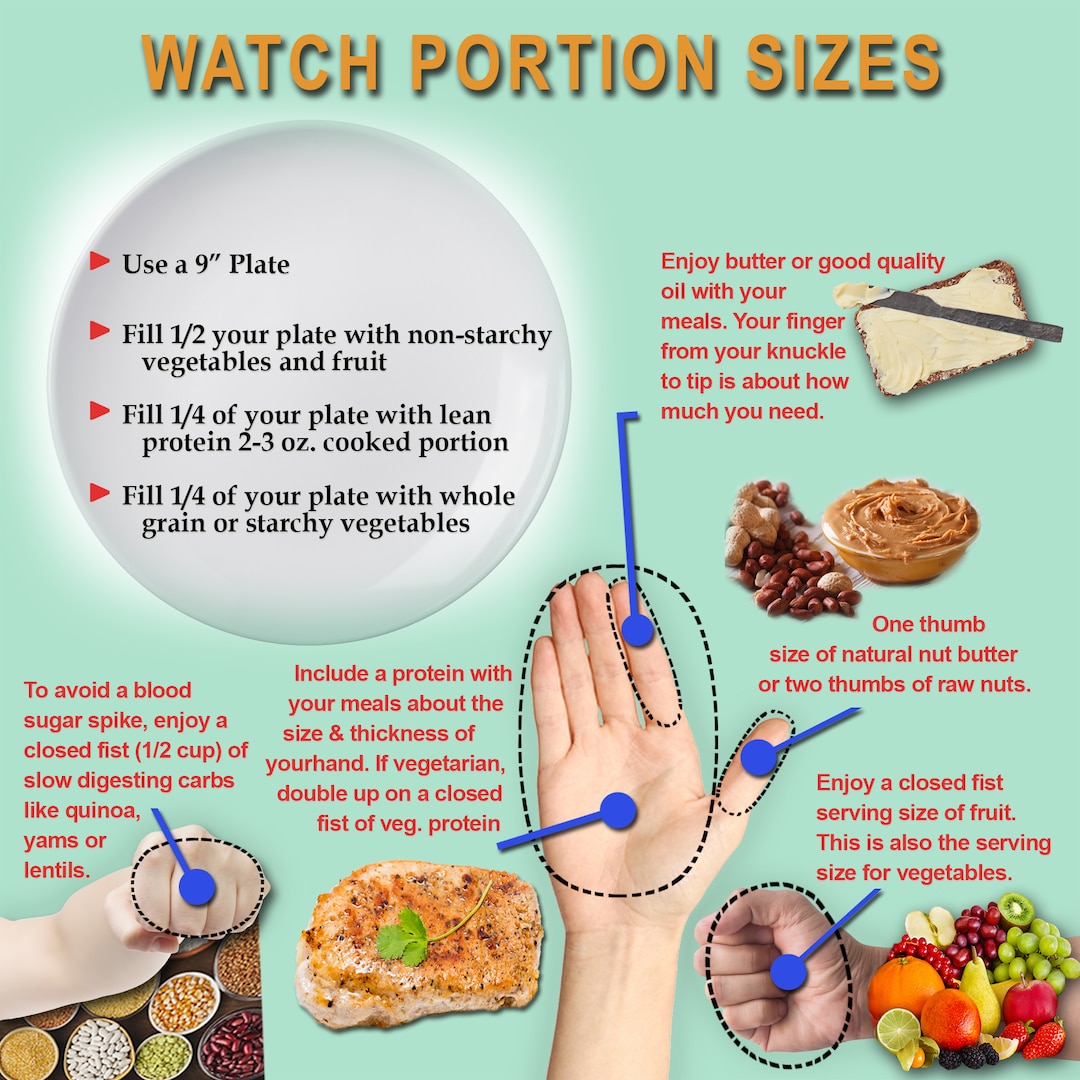
Controlling pizza portions helps maintain a balanced diet. It prevents overeating and supports healthy weight. Using simple strategies can make enjoying pizza guilt-free. Here are effective portion control methods to try.
Mindful Eating Practices
Focus on each bite. Chew slowly and enjoy the flavors. Put your fork down between bites to slow down. Notice how full you feel as you eat. Stop eating when you feel satisfied, not stuffed. Avoid distractions like TV or phones during meals. Mindful eating helps you recognize hunger and fullness cues.
Satisfying Pizza Cravings Without Overeating
Choose smaller pizza slices or share with others. Pair pizza with a side salad to add fiber and nutrients. Drink water before and during your meal to feel fuller. Pick toppings like vegetables and lean proteins for better nutrition. Avoid high-fat and extra cheese toppings to reduce calories. These tips help satisfy cravings while controlling intake.
Credit: www.jbsa.mil
Incorporating Mediterranean Habits
Incorporating Mediterranean habits into your pizza eating routine can make your meals healthier and more enjoyable. The Mediterranean way focuses on fresh ingredients, balance, and mindful eating. These habits help you enjoy pizza without guilt and support your overall well-being.
Mediterranean Diet Principles
The Mediterranean diet emphasizes fruits, vegetables, whole grains, and healthy fats. Olive oil is a key fat source, replacing butter and margarine. This diet limits red meat and encourages lean proteins like fish and poultry. Meals are colorful and full of natural flavors. Eating slowly and enjoying food with others is important. These principles help control portion sizes and improve digestion.
How Italians Enjoy Pizza Guilt-free
Italians eat pizza with fresh, simple toppings like tomatoes, basil, and mozzarella. They prefer thin crusts, which reduce calorie intake. Pizza is often shared, making portions smaller. Meals are balanced with salads, vegetables, and a glass of red wine. Italians focus on quality over quantity, savoring each bite. This mindful approach prevents overeating and supports a healthy lifestyle.
Healthy Pizza Preparation At Home
Making pizza at home lets you control the ingredients and create healthier meals. You can choose fresh, whole foods and avoid unwanted additives. Preparing your own pizza also helps manage portion size and nutritional content. This section guides you through simple steps for healthier pizza preparation.
Making Nutritious Dough
Use whole wheat flour for more fiber and nutrients. Mix in ground flaxseed or chia seeds for extra omega-3 fats. Avoid using too much salt or sugar in the dough. Replace some water with vegetable juice for added vitamins and color. Let the dough rise naturally to improve texture and taste.
Creative Topping Ideas
Choose colorful vegetables like bell peppers, spinach, and tomatoes. Add lean proteins such as grilled chicken or turkey breast. Use low-fat cheese or try plant-based cheese alternatives. Sprinkle herbs like basil, oregano, or rosemary for flavor without calories. Limit processed meats to reduce sodium and unhealthy fats.
Baking Tips For Healthier Results
Preheat the oven to a high temperature for a crispy crust. Use a pizza stone or baking sheet to ensure even cooking. Bake the pizza until the crust is golden and cheese is melted. Avoid extra oil or butter on the crust to reduce calories. Cut pizza into smaller slices to control portion size.
Navigating Pizza Restaurants
Eating pizza at a restaurant can be a challenge for healthy habits. Many menu options have high calories, fats, and sodium. Making wise choices helps you enjoy pizza without guilt. Small changes lead to better nutrition and satisfaction.
Understanding the menu and customizing your order can control what you eat. It is possible to find balance and still enjoy your meal. Here are some tips to navigate pizza restaurants with health in mind.
Making Smart Menu Choices
Pick thin-crust pizzas to lower calorie intake. Thin crust has fewer carbs and less fat than thick crust. Choose whole-wheat crust if available for extra fiber and nutrients. Avoid stuffed crusts as they add extra cheese and calories.
Load your pizza with vegetables. Options like spinach, peppers, mushrooms, and onions boost vitamins and fiber. Select lean proteins such as grilled chicken or turkey instead of pepperoni or sausage. These choices reduce saturated fat and sodium.
Opt for lighter cheese or ask for less cheese. Cheese adds fat and calories, so controlling its amount helps keep pizza healthier. Skip creamy or heavy sauces and go for tomato-based sauces instead. They usually contain fewer calories and fat.
Customizing Your Order
Request half portions of cheese or sauce to cut down on fats. Ask for extra vegetables to make your pizza more filling and nutritious. Substitute high-fat meats with lean protein or extra veggies to reduce calories.
Choose smaller pizza sizes or share a large pizza with friends. This helps control portion size and avoid overeating. Consider ordering a side salad to add fiber and nutrients without many calories.
Ask the staff how pizzas are prepared to make informed choices. Some places offer gluten-free or low-fat options that suit your needs. Customizing your pizza lets you enjoy flavors while keeping it healthy.
Managing Leftovers Safely
Managing leftovers safely helps keep your pizza fresh and tasty. It also protects you from foodborne illness. Proper care extends the life of your pizza and preserves its nutrition. Knowing the right way to store and reheat pizza makes a big difference.
Proper Storage Guidelines
Store leftover pizza in an airtight container or wrap it tightly in foil. Place it in the refrigerator within two hours after eating. Keep pizza at or below 40°F to stop bacteria growth. Consume leftovers within three to four days for best quality. Avoid leaving pizza out at room temperature for long periods.
Reheating Without Losing Nutrition
Reheat pizza gently to keep its taste and nutrients. Use an oven or toaster oven at 350°F for about 10 minutes. This method keeps the crust crispy and the toppings flavorful. Avoid microwaving as it can make the crust soggy and dry out toppings. Add a small amount of water or cover with foil to maintain moisture during reheating.

Credit: www.womenshealthmag.com
Frequently Asked Questions
What Is The Healthiest Way To Eat Pizza?
Choose a thin or whole-wheat crust with light cheese. Add plenty of veggies and lean proteins like grilled chicken. Avoid fatty meats and creamy sauces. Pair pizza with a fresh salad to boost nutrition and keep calories in check.
How Do Italians Eat Pizza And Not Get Fat?
Italians eat pizza in moderation, favor fresh ingredients, and follow a Mediterranean diet rich in vegetables, lean proteins, and olive oil. They balance meals with physical activity, avoid excess cheese and processed meats, and choose thin-crust pizzas, helping maintain a healthy weight without sacrificing flavor.
What’s The 2 Hour Rule For Pizza?
The 2-hour rule means you should refrigerate leftover pizza within two hours to prevent bacteria growth and foodborne illness.
What Is The Healthiest Thing To Eat At A Pizza Place?
Choose a thin or whole-wheat crust with light cheese. Load up on vegetables and lean proteins like grilled chicken. Avoid fatty meats and creamy sauces. Pair your pizza with a large salad for added nutrients and fullness. This makes a healthier pizza meal option.
Conclusion
Enjoying pizza can fit into a healthy lifestyle. Choose thin crusts to reduce calories. Add plenty of colorful vegetables for nutrients. Pick lean proteins like grilled chicken instead of fatty meats. Limit cheese to keep saturated fat low. Eating slowly helps you notice fullness and avoid overeating.
Balance pizza meals with salads or fruit on the side. Small changes make a big difference over time. Healthy pizza habits can keep you satisfied and well-nourished. Keep these tips in mind for your next pizza night!

As the author of the “Ultimate Pizza Guide: Recipes, Tips & Secrets Revealed,” I’m dedicated to sharing my love for pizza and empowering others to create delicious homemade pizzas with ease. Join me on a journey to uncover the secrets to perfecting your pizza game!