Have you ever wondered if your homemade pizza can actually be good for you? The truth is, it can—if you make the right choices.
When you prepare pizza at home, you get full control over every ingredient, from the crust to the toppings. This means you can swap out processed meats for fresh veggies, use whole grain or cauliflower crusts, and cut down on cheese and salt.
But does that mean homemade pizza is always healthy? And how can you make sure your pizza not only tastes great but also supports your well-being? Keep reading to discover the surprising health benefits of homemade pizza and simple tips to make your next slice a smarter choice for your body. Your taste buds and your health will thank you!
Health Benefits Of Homemade Pizza
Homemade pizza offers unique health benefits that many overlook. Making pizza at home lets you create a balanced meal. You can add fresh ingredients and avoid unhealthy additives. This control improves the overall nutrition of your pizza.
Choosing what goes on your pizza helps you eat better. Homemade pizzas can be part of a healthy diet when made with care. Let’s explore the main health benefits of homemade pizza.
Control Over Ingredients
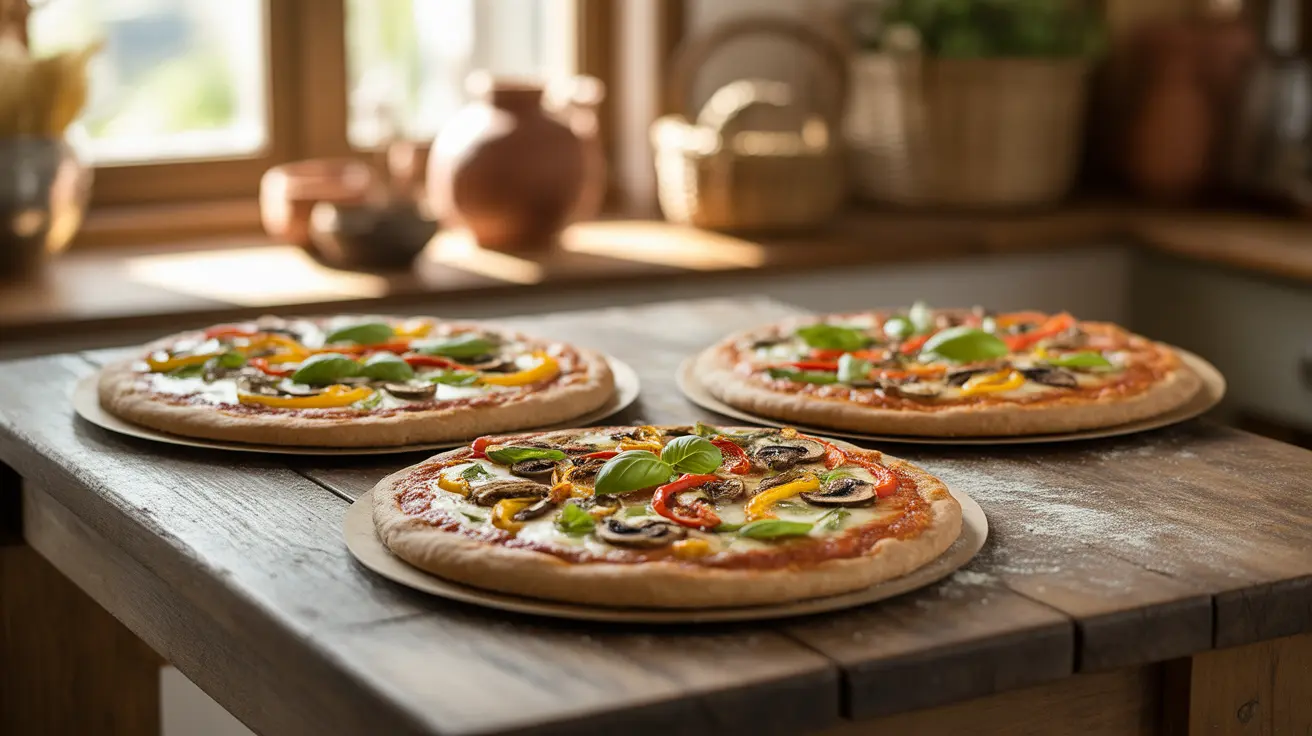
Making pizza at home lets you pick each ingredient. You can use whole grain flour for the crust. This adds fiber that helps digestion. You control the amount of cheese, reducing saturated fat. Fresh vegetables add vitamins and minerals. Lean meats or plant-based proteins make the pizza healthier. Avoiding processed meats cuts down on salt and preservatives. This control reduces unhealthy fats and excess calories.
Nutritional Value Of Key Components
Tomato sauce on pizza contains lycopene, a powerful antioxidant. It supports heart health and may lower cancer risk. Whole wheat crust provides fiber and B vitamins. Cheese gives calcium and protein but should be used in moderation. Vegetables like spinach, peppers, and mushrooms add fiber and vitamins. Lean proteins, such as grilled chicken, supply essential amino acids. Olive oil used as a drizzle offers healthy fats. Together, these ingredients create a balanced meal.
Comparison With Takeout Pizza
Takeout pizzas often contain more salt, fat, and calories. They use processed meats and extra cheese to boost flavor. Many have refined flour crusts with little fiber. Homemade pizza avoids artificial additives and preservatives. You control portion sizes to prevent overeating. Homemade pizzas usually have fewer unhealthy fats. This makes homemade pizza a better choice for regular meals.
Choosing The Right Crust
Choosing the right crust is crucial for making homemade pizza healthier. The crust forms the base and largely affects the pizza’s nutrition. Selecting a crust with better ingredients can increase fiber and reduce unhealthy fats. It also influences how full you feel after eating.
Whole Wheat And Grain-based Options
Whole wheat crusts contain more fiber than regular white flour crusts. Fiber helps digestion and keeps blood sugar stable. Grain-based options like spelt or oat flour add vitamins and minerals. These crusts usually have a nuttier taste and denser texture. They make pizza more filling and can support heart health.
Cauliflower Crust Benefits
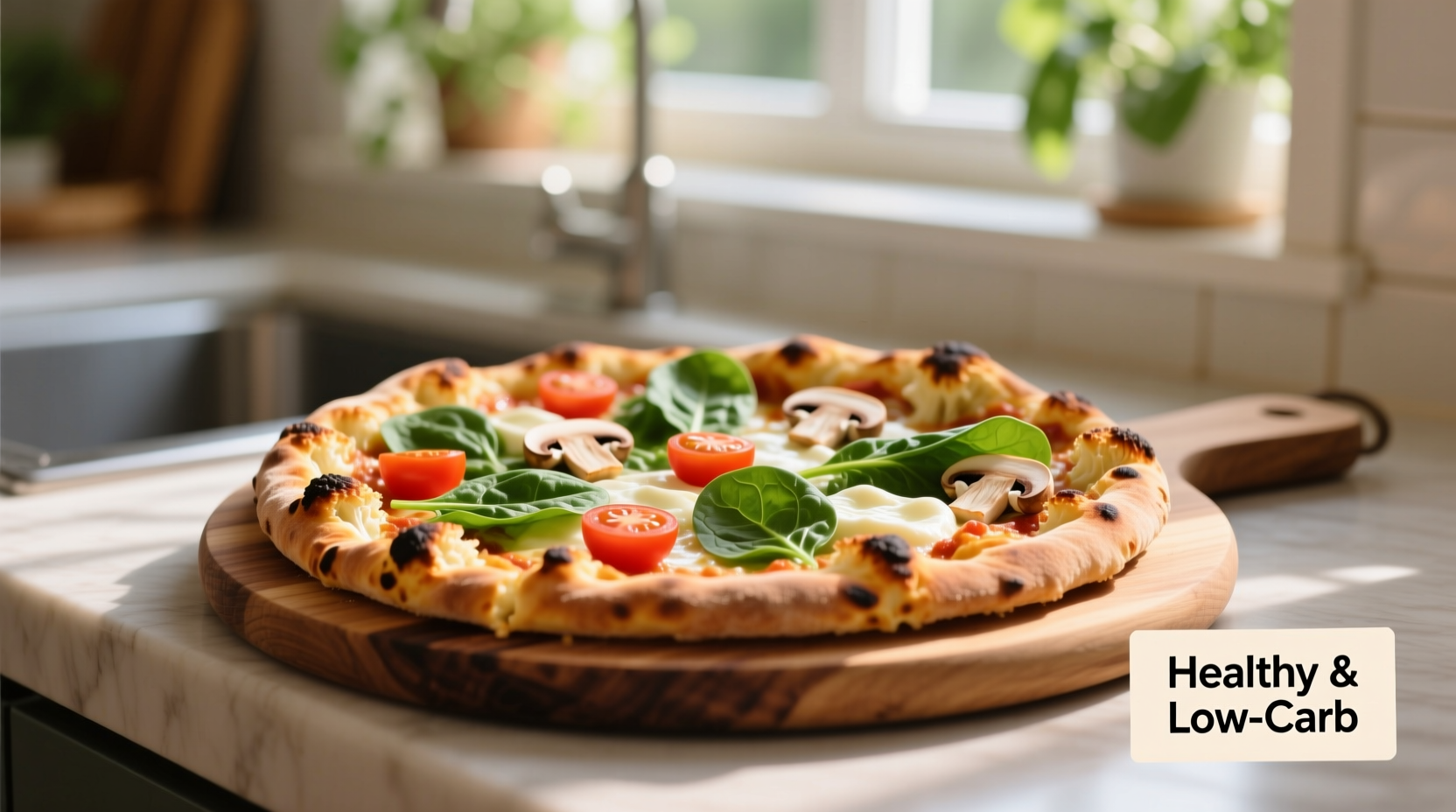
Cauliflower crust is low in carbs and calories. It is a good choice for those watching their weight or blood sugar. This crust adds vegetables to your meal, boosting vitamins and antioxidants. It is often gluten-free, which helps people with gluten intolerance. Cauliflower crust is lighter and can make pizza easier to digest.
Thin Vs. Deep-dish
Thin crust pizza contains fewer calories and less fat than deep-dish. It allows more room for healthy toppings like vegetables and lean proteins. Deep-dish crust is thicker and often higher in calories and carbs. It can feel more filling but may lead to overeating. Choosing thin crust helps control portion size and calorie intake.
Sauce Secrets For Better Nutrition
Pizza sauce plays a big role in the nutrition of homemade pizza. Choosing or making the right sauce can improve health benefits. Tomato-based sauces carry vitamins and antioxidants, but store-bought versions often contain extra sugar and salt. A homemade sauce lets you control ingredients and flavors. Small changes in sauce recipes boost nutrition and taste without extra calories or additives.
Making Your Own Sauce
Making pizza sauce at home is simple and healthy. Use fresh or canned tomatoes with no added salt or sugar. Cook tomatoes gently to keep nutrients intact. Avoid canned sauces with preservatives or artificial ingredients. Homemade sauce is rich in vitamin C and lycopene, a powerful antioxidant. Using fresh ingredients helps you avoid unwanted chemicals and keep the sauce natural.
Avoiding Added Sugars And Sodium
Many store sauces include extra sugar and salt to improve flavor. These add empty calories and raise blood pressure risks. Skip sauces with sugar listed in ingredients. Use fresh garlic, onion, and spices for natural taste instead. Limiting salt keeps your pizza heart-friendly. Taste the sauce before adding salt. Often, natural tomato flavor is enough without extra sodium or sugar.
Enhancing Flavor With Herbs
Herbs make pizza sauce tasty and healthy. Oregano, basil, thyme, and rosemary add flavor and antioxidants. Fresh or dried herbs both work well. These herbs reduce the need for salt and sugar. Adding herbs also gives anti-inflammatory benefits. A pinch of red pepper flakes can add a spicy kick without calories. Herbs transform simple sauce into a delicious, nutrient-rich topping.
Credit: www.getlabtest.com
Cheese Choices Matter
Cheese plays a big role in the health profile of homemade pizza. The type and amount of cheese you choose affect calories, fat, and flavor. Making smart cheese choices can boost nutrition without losing taste. Let’s explore how different cheeses impact your pizza’s health benefits.
Part-skim Vs. Full-fat Cheese
Part-skim cheese has less fat and fewer calories than full-fat cheese. It still melts well and gives a creamy texture. Using part-skim mozzarella can lower saturated fat intake. This choice supports heart health and helps control weight. Full-fat cheese adds richness but increases calories and fat. Balancing these options depends on your health goals and taste preferences.
Using Aged Cheese For Flavor
Aged cheeses, like Parmesan or Asiago, have strong flavors. A small amount adds intense taste without extra calories. This means you can use less cheese overall. Aged cheese also contains beneficial nutrients like calcium and protein. Using aged cheese smartly enhances flavor and nutrition in homemade pizza.
Reducing Cheese Quantity
Cutting back on cheese lowers calories and fat. You can still enjoy a tasty pizza with less cheese. Try spreading cheese thinly or mixing it with vegetables. This approach keeps your pizza lighter and healthier. Reducing cheese also helps control sodium intake, important for blood pressure. Small changes in cheese quantity make a big health difference.
Smart Toppings For Health
Choosing the right toppings transforms homemade pizza from a simple meal into a nutritious choice. Smart toppings add vitamins, minerals, and protein without extra unhealthy fats or salt. This section explores how to pick toppings that boost health and flavor.
Loading Up On Vegetables
Vegetables add color, crunch, and nutrition to your pizza. Peppers, spinach, mushrooms, and kale provide fiber and antioxidants. These nutrients support digestion and help protect the body from diseases. Veggies also add natural sweetness and moisture, reducing the need for extra cheese or sauce.
Selecting Lean Proteins
Lean proteins like grilled chicken or turkey sausage improve your pizza’s protein content. Protein helps build muscle and keeps you full longer. These options have less saturated fat than traditional pizza meats. Choosing lean proteins supports heart health and aids in weight management.
Avoiding Processed Meats
Processed meats like pepperoni and bacon contain high levels of salt and preservatives. These can increase the risk of heart disease and other health issues. Avoiding processed meats reduces unhealthy fats and additives. Instead, focus on fresh ingredients for a cleaner, healthier pizza experience.
Incorporating Healthy Fats
Incorporating healthy fats into homemade pizza improves taste and nutrition. Healthy fats support heart health and keep you full longer. Choosing the right fats can make your pizza a smarter choice. Using good fats like olive oil adds flavor without unhealthy effects.
Olive Oil Benefits
Olive oil is rich in monounsaturated fats. These fats help lower bad cholesterol and raise good cholesterol. Olive oil contains antioxidants that fight inflammation. Drizzling olive oil on pizza enhances flavor and adds healthy nutrients. It also helps your body absorb vitamins from vegetables on the pizza.
Portion Control Tips
Controlling portion size keeps your pizza meal balanced. Eating too much can lead to extra calories and weight gain. Serve pizza with a side of fresh salad for fullness. Cut pizza into smaller slices to avoid overeating. Pay attention to hunger signals and stop eating when satisfied.
Balancing Your Meal
Balancing your meal is key to enjoying homemade pizza without guilt. It helps you get nutrients from different food groups. This balance keeps your body fueled and satisfied. Homemade pizza allows control over ingredients, but pairing it with other foods boosts health benefits. Simple choices make your meal more complete and nourishing.
Adding Side Salads
Side salads add fresh vegetables and fiber to your meal. They provide vitamins that pizza may lack. Crisp greens, tomatoes, cucumbers, and carrots work well as salad ingredients. A light vinaigrette dressing keeps calories low. Salads also add volume to your meal, helping you feel full faster.
Mindful Portion Sizes
Portion control prevents overeating, even with healthy homemade pizza. Eating smaller slices with a side salad balances hunger and nutrition. Avoid piling on too many toppings high in fat or salt. Pay attention to hunger cues and stop when full. Mindful eating supports better digestion and long-term health.
Potential Drawbacks To Consider
Homemade pizza offers many benefits, but some drawbacks need attention. Choosing ingredients carefully can lower health risks. Still, certain common choices may cause problems. Knowing these can help make smarter decisions for your meals.
Risks Of Excess Cheese And Processed Meats
Cheese adds flavor but also adds a lot of calories and fat. Eating too much cheese can increase the risk of heart disease. Processed meats like pepperoni or sausage contain preservatives that may harm health. These meats often have chemicals linked to cancer and other illnesses. Limiting cheese and processed meats keeps pizza healthier and safer.
High Sodium And Saturated Fat Concerns
Many pizza toppings and sauces contain high sodium levels. Too much salt can raise blood pressure and cause heart problems. Saturated fat in cheese and meats may increase cholesterol levels. High cholesterol can lead to blocked arteries and heart attacks. Using low-sodium sauce and lean toppings reduces these risks greatly.
Pizza’s Role In Different Diets
Pizza fits into many diets with some smart choices. It offers flexibility in ingredients and portion sizes. Homemade pizza especially lets you tailor it to your nutritional needs. It can be a source of energy, protein, and vitamins.
Suitability For Athletes And Bodybuilders
Pizza can fuel workouts and muscle growth. Using whole grain crust adds complex carbs for energy. Lean proteins like grilled chicken help repair muscles. Toppings with vegetables provide antioxidants and vitamins. Controlling cheese amount lowers fat while keeping protein. Proper portion size keeps calorie intake balanced. Homemade pizza can support muscle building and recovery.
Incorporating Pizza In A Balanced Diet
Pizza can be part of a healthy meal plan. Choose thin crust to reduce refined carbs. Add a variety of colorful vegetables for fiber and nutrients. Use moderate cheese to limit saturated fat. Include lean protein toppings for satiety and muscle health. Pair pizza with a side salad or fruit for extra vitamins. Mindful eating and portion control keep pizza balanced.
Credit: spice.alibaba.com
Lycopene And Other Antioxidants
Lycopene is a powerful antioxidant found mainly in tomatoes. It gives tomato sauce its rich red color. Antioxidants protect cells from damage caused by harmful molecules called free radicals. Homemade pizza often includes fresh tomato sauce, making it a good source of lycopene. Alongside lycopene, tomato sauce contains other antioxidants that support health. These compounds can boost the immune system and reduce inflammation. Eating homemade pizza with real tomato sauce can add these health benefits to your diet.
Health Benefits Of Tomato Sauce
Tomato sauce is rich in vitamins like C and A. It contains antioxidants that help fight oxidative stress. Lycopene, the main antioxidant in tomatoes, becomes more available when cooked. This means homemade pizza sauce may offer more lycopene than raw tomatoes. The antioxidants in tomato sauce protect cells and support skin health. They also help reduce inflammation in the body. Using homemade sauce lets you avoid extra sugars and preservatives found in store-bought sauces.
Cancer Prevention And Heart Health
Lycopene has been linked to lower risks of some cancers, especially prostate cancer. Studies suggest it helps prevent cell damage that leads to cancer. It also supports heart health by reducing bad cholesterol and improving blood vessel function. Eating foods high in lycopene can lower blood pressure. Homemade pizza with tomato sauce can contribute to these benefits. Choosing fresh, homemade ingredients boosts the nutritional value of your meal.
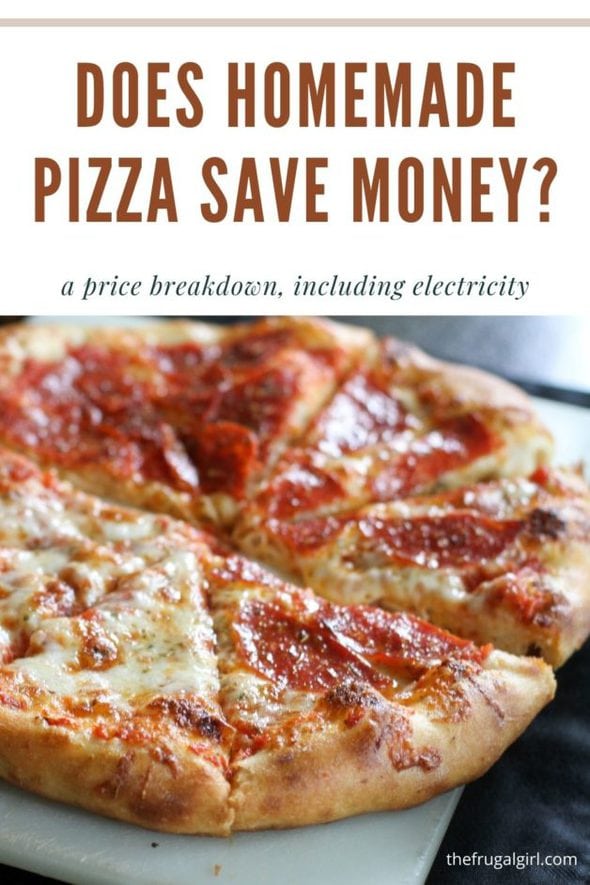
Credit: www.thefrugalgirl.com
Frequently Asked Questions
Is Making Homemade Pizza Healthy?
Yes, homemade pizza can be healthy by using whole grain crusts, fresh veggies, lean proteins, and less cheese. Choose homemade sauce to reduce added sugars and salt. Control portions and avoid processed meats for a nutritious, balanced meal.
Is It Healthy To Eat Homemade Pizza Every Day?
Eating homemade pizza daily can lead to excess calories, saturated fat, and sodium intake. Choose whole grains, veggies, and lean proteins for healthier options. Moderation and balanced meals support better health than daily pizza consumption alone.
Is There Any Health Benefit To Pizza?
Pizza offers health benefits like lycopene from tomato sauce, protein and calcium from cheese, and nutrients from vegetable toppings. Homemade pizza lets you control ingredients, making it a balanced meal with carbs, fats, and protein. Choose whole grains and lean toppings for a healthier option.
Why Do Bodybuilders Eat Pizza?
Bodybuilders eat pizza to enjoy a high-calorie, protein-rich meal that supports muscle growth and recovery. It also offers a satisfying carb source for energy.
Conclusion
Homemade pizza offers a chance to eat healthier than fast food. You choose fresh ingredients, whole grains, and lean proteins. Adding plenty of vegetables boosts vitamins and fiber. Using less cheese and salt helps control fat and sodium. Portion size matters—too much pizza can still harm health.
A balanced meal with a side salad works well. Cooking at home lets you enjoy tasty food and better nutrition. Homemade pizza can fit a healthy lifestyle with smart choices.

As the author of the “Ultimate Pizza Guide: Recipes, Tips & Secrets Revealed,” I’m dedicated to sharing my love for pizza and empowering others to create delicious homemade pizzas with ease. Join me on a journey to uncover the secrets to perfecting your pizza game!