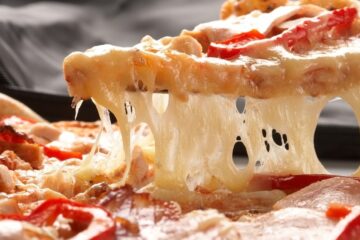
You love pizza, but you’re trying to stick to a low-fat diet. So, can pizza fit into your healthy eating plan without ruining your goals?
The good news is, yes—it can! You just need to make smarter choices about the crust, sauce, toppings, and portions. Imagine enjoying your favorite slice without guilt, while still keeping your fat intake in check. You’ll discover simple tips and tricks to transform pizza into a delicious, low-fat meal that supports your health.
Ready to find out how? Let’s dive in!
Low-fat Pizza Basics
Pizza can fit into a low-fat diet with smart choices. Understanding low-fat pizza basics helps keep it healthy and tasty. Focus on the crust, sauce, toppings, cheese, and portions to reduce fat content. These small changes make a big difference in your meal’s nutrition.
Choosing The Right Crust
Pick thin crusts over thick or stuffed ones to cut fat. Whole-wheat crust adds fiber and nutrients without extra fat. Cauliflower crust is a great low-fat, low-carb option. Avoid deep-dish or buttery crusts that add unnecessary fat.
Sauce Selection Tips
Choose tomato-based sauces with no added sugar or oil. Homemade sauces give control over ingredients and fat content. Avoid creamy sauces like Alfredo or ranch, which are high in fat. Herbs and spices boost flavor without adding fat.
Lean Protein And Veggie Toppings
Load pizza with vegetables like peppers, onions, and spinach. Use lean proteins such as grilled chicken, turkey, or seafood. Skip processed meats like pepperoni and sausage that are high in fat. Vegetables add fiber and nutrients with little fat.
Cheese Choices For Less Fat
Use part-skim mozzarella for lower fat and good taste. Limit cheese amount to reduce calories and fat. Try low-fat ricotta or feta as alternatives. Adding cheese sparingly keeps pizza flavorful but lighter.
Portion Control Strategies
Eat smaller slices and pair pizza with a salad or vegetables. Avoid eating large amounts in one sitting to manage fat intake. Mindful eating helps enjoy pizza without overindulging. Controlling portions makes low-fat pizza practical and satisfying.

Credit: www.balduccis.com
Healthy Pizza Ingredients
Choosing healthy pizza ingredients helps fit pizza into a low-fat diet. Careful ingredient selection lowers fat and boosts nutrition. This approach makes pizza a balanced and tasty meal. Each component adds value without excess fat.
Whole-grain And Veggie Crust Options
Whole-grain crusts contain more fiber than white flour crusts. Fiber aids digestion and keeps you full longer. Veggie crusts, like cauliflower or zucchini, reduce calories and fat. They add vitamins and minerals naturally. Thin crusts also cut down on calories.
Homemade Low-sugar Sauces
Many store-bought sauces have added sugars and salt. Making sauce at home lets you control ingredients. Use canned tomatoes, garlic, and herbs for fresh flavor. Skip sugar or use natural sweeteners sparingly. Low-sugar sauce cuts unnecessary calories and improves health.
Vegetables For Nutrients And Fiber
Vegetables boost vitamins, minerals, and fiber on your pizza. Peppers, spinach, mushrooms, and onions add color and crunch. Fiber helps digestion and keeps blood sugar stable. Vegetables add volume without extra fat or calories. They make pizza more filling and nutritious.
Using Lean Meats And Seafood
Choose lean proteins like grilled chicken, turkey, or seafood. These options provide protein with less fat than processed meats. Avoid pepperoni, sausage, and bacon, which are high in saturated fat. Seafood adds healthy omega-3 fats and a unique taste. Protein supports muscle health and satiety.
Low-fat Cheese Alternatives
Cheese adds flavor and protein but can be high in fat. Use low-fat or part-skim mozzarella to reduce fat content. Try plant-based cheeses for a dairy-free option. Nutritional yeast also adds a cheesy taste with no fat. Use cheese sparingly to keep calories in check.
Making Pizza At Home
Making pizza at home lets you control every ingredient. This control helps keep your pizza low in fat and healthy. You can choose fresh, wholesome items that fit your diet needs. Homemade pizza also avoids extra salt and unhealthy fats found in many store-bought pizzas.
With simple swaps and smart choices, pizza can be a balanced meal. The following tips focus on sodium, macros, cooking methods, and dietary needs. They help keep pizza tasty and good for you.
Controlling Sodium And Quality
Using fresh ingredients lowers sodium in your pizza. Avoid processed meats and canned sauces with high salt. Make your own tomato sauce using fresh tomatoes and herbs. Choose low-sodium cheese or use less cheese overall. Fresh toppings like vegetables add flavor without added salt.
Balancing Macros In Your Pizza
Balance carbs, protein, and fats for a healthy pizza. Start with a whole-wheat or cauliflower crust for fiber. Add lean proteins like grilled chicken or seafood. Use light cheese or smaller amounts to reduce fat. Load up on vegetables for vitamins and fiber. This balance helps keep your pizza filling and nutritious.
Healthy Cooking Methods
Baking is the best method for cooking pizza at home. Avoid deep frying or adding extra oil. Use a pizza stone or baking sheet to get a crispy crust. Bake at high heat to cook quickly and keep toppings fresh. These methods keep fat content low and texture perfect.
Customizing For Dietary Needs
Homemade pizza can fit many diets easily. Use gluten-free crusts for gluten sensitivity. Choose dairy-free cheese for lactose intolerance. Add extra vegetables for vegan or vegetarian diets. Adjust portion sizes to control calorie intake. Customizing pizza lets you enjoy it without worry.
Balancing Pizza In Your Diet
Balancing pizza in your diet means making smart choices without giving up your favorite food. Pizza can fit into a low-fat diet by pairing it with healthy sides and controlling how often you eat it. This balance helps you enjoy pizza while staying on track with your health goals.
Combining Pizza With Salads And Sides
Adding a fresh salad or steamed vegetables makes your meal more filling. Salads add fiber, vitamins, and minerals that pizza might lack. Choose light dressings like lemon juice or vinegar to keep fat low. Avoid fried sides or creamy dips that add extra calories and fat.
Moderation And Frequency
Eating pizza once or twice a week keeps your diet balanced. Large portions or daily pizza can increase fat and calorie intake quickly. Keep slices to a reasonable number and listen to your hunger cues. Moderation helps maintain a low-fat diet without feeling deprived.
Calorie Considerations
Check the calorie content of pizza before eating. Thin crust and vegetable toppings usually have fewer calories than thick crust and meat toppings. Limit high-fat cheese and processed meats. Knowing calories helps you plan meals and avoid overeating.
Incorporating Pizza Into Weight Loss
Choose pizza with lean protein like chicken or seafood to support weight loss. Whole grain or vegetable-based crusts add fiber and keep you full longer. Pair pizza with low-calorie sides to reduce total meal calories. Tracking calories and fats allows pizza to fit into a weight loss plan.
Common Pizza Myths
Pizza often gets a bad reputation in diet discussions. Many believe it is always unhealthy and full of fat. These ideas can stop people from enjoying pizza in a balanced diet. It is important to look closely at common pizza myths. Understanding facts helps make smarter food choices.
Pizza can fit into a low-fat diet with the right approach. Let’s explore some myths and truths about pizza’s health impact.
Is Pizza Always Unhealthy?
Not all pizza is unhealthy. The type of crust, toppings, and cheese matter a lot. Thin crust pizzas with vegetables and lean proteins can be low in fat. Avoiding extra cheese and processed meats reduces calories and fat. Portion size also affects how healthy pizza can be.
Debunking Fat Content Misconceptions
Many think pizza always has high fat content. Fat comes from cheese, meat, and oily toppings. Choosing low-fat cheese and lean meats lowers fat. Vegetable toppings add nutrition without extra fat. Homemade pizzas allow control over fat content. Fat content varies widely between pizza types.
Pizza’s Nutritional Benefits
Pizza provides more than just fat and calories. It offers protein from cheese and meats. Vegetables add fiber, vitamins, and minerals. Whole grain or veggie-based crusts add fiber and nutrients. Tomato sauce contains antioxidants like lycopene. Balanced pizza can be a source of important nutrients.
Understanding Sodium And Calories
Pizza can be high in sodium and calories. Processed meats and cheese increase sodium levels. Choosing fresh ingredients lowers sodium. Controlling portion size helps manage calorie intake. Homemade pizzas allow control over salt and calories. Being mindful reduces risks linked to high sodium diets.

Credit: www.kroger.com
Tips For Enjoying Pizza Healthily
Enjoying pizza on a low-fat diet is possible with simple, mindful choices. These tips help balance flavor and health without sacrificing enjoyment. Small changes make a big difference in reducing fat and boosting nutrients.
Smart Topping Swaps
Choose vegetables like peppers, mushrooms, and spinach instead of high-fat meats. Lean proteins such as grilled chicken or seafood add flavor without extra fat. Skip extra cheese or use a small amount of low-fat cheese.
Using Smaller Portions
Eat smaller slices to control calorie and fat intake. Pair a small portion of pizza with a side salad to feel full. This helps avoid overeating and keeps fat intake low.
Pairing With Nutrient-dense Foods
Add a fresh salad or steamed vegetables to your meal. These foods provide fiber, vitamins, and minerals that pizza lacks. They improve digestion and help balance the meal.
Listening To Your Body’s Signals
Eat slowly and stop when you feel satisfied, not full. Pay attention to hunger and fullness cues to avoid extra calories. This habit supports weight management and a low-fat diet.

Credit: www.amazon.com
Frequently Asked Questions
Can I Have Pizza On A Low-fat Diet?
Yes, you can enjoy pizza on a low-fat diet by choosing thin crust, vegetable toppings, lean proteins, and using less cheese.
Can I Eat Pizza For Fat Loss?
Yes, you can eat pizza for fat loss by choosing thin, whole-grain crust, lean proteins, and plenty of vegetables. Control portion size to stay within calorie goals. Homemade pizza allows better ingredient choices, reducing fat and sodium. Balance pizza with salads for a nutritious, satisfying meal.
Is There Such A Thing As A Low-fat Pizza?
Yes, low-fat pizza exists by using thin crust, reduced cheese, lean proteins, and plenty of vegetables. Choose smart toppings for a healthier slice.
Can Pizza Fit Into A Healthy Diet?
Pizza fits into a healthy diet by choosing whole-grain crust, vegetable toppings, lean proteins, and controlling portion sizes.
Conclusion
Pizza can fit into a low-fat diet with smart choices. Opt for thin, whole-grain crusts and plenty of veggies. Choose lean proteins like grilled chicken instead of fatty meats. Use less cheese or pick lower-fat options to cut calories. Watch your portion size and balance pizza with a fresh salad.
Making pizza at home helps control ingredients and fat content. This way, you enjoy pizza without breaking your low-fat goals. Simple swaps make pizza a tasty, healthy meal option.
As the author of the “Ultimate Pizza Guide: Recipes, Tips & Secrets Revealed,” I’m dedicated to sharing my love for pizza and empowering others to create delicious homemade pizzas with ease. Join me on a journey to uncover the secrets to perfecting your pizza game!