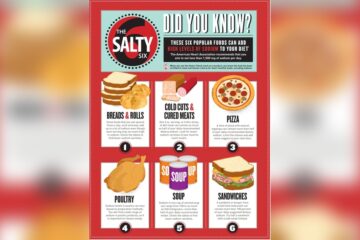
Can pizza be part of a balanced diet? If you’ve ever wondered whether you can enjoy your favorite slice without feeling guilty, you’re not alone.
Pizza often gets a bad rap for being unhealthy, but the truth depends a lot on what’s on your pizza and how much you eat. Imagine savoring a delicious meal that satisfies your cravings while also fitting into your health goals.
Sounds too good to be true? Keep reading, because we’ll show you how pizza can actually work in your favor when chosen wisely. From smart crust options to topping tips and portion control, you’ll learn how to enjoy pizza without derailing your balanced diet. Your next pizza night might just become a healthy highlight!
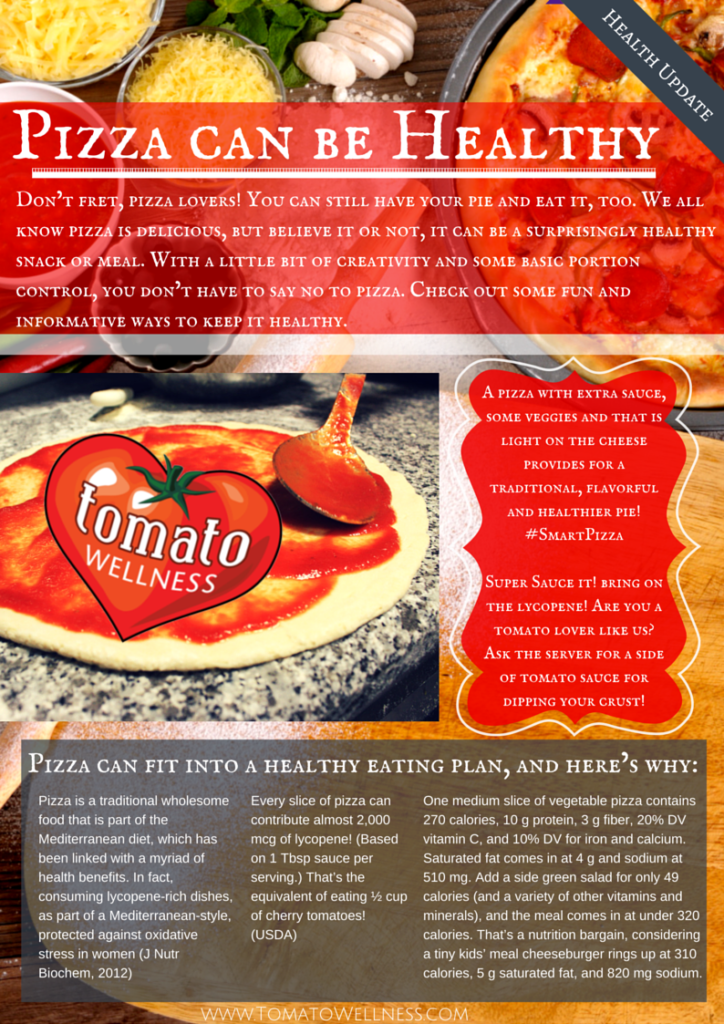
Credit: tomatowellness.com
Pizza And Nutrition
Pizza can offer a mix of nutrients, depending on its ingredients. It may provide protein, carbohydrates, and fats all in one meal. The nutrition quality varies widely based on what goes into the pizza and how much you eat.
Choosing the right ingredients and controlling portions can help fit pizza into a balanced diet. Let’s explore how ingredients, portion size, and eating frequency affect pizza’s nutritional value.
Ingredients Impact
The type of crust matters. Whole grain or thin crusts have more fiber and fewer calories than thick, refined flour crusts. Tomato sauce offers antioxidants like lycopene, which supports heart health.
Cheese adds protein and calcium but also saturated fat. Vegetables bring vitamins, minerals, and fiber. Processed meats raise sodium and unhealthy fats, lowering nutrition quality.
Portion Size Effects
Eating one or two slices can fit into daily calorie needs. Large portions increase calorie, fat, and sodium intake quickly. Overeating pizza may lead to weight gain and other health issues.
Balancing pizza with salads or fruits helps control total calorie intake. Portion control keeps pizza from becoming an unhealthy choice.
Frequency Matters
Eating pizza occasionally is less likely to harm health. Frequent consumption of high-fat, processed pizzas can increase risk of heart disease and obesity. Moderation is essential.
Regularly choosing healthier toppings and crusts improves overall diet quality. A balanced diet includes variety and limits processed foods.
Unhealthy Pizza Traits
Pizza often gets a bad reputation for being unhealthy. Many pizzas contain ingredients that can harm your health if eaten frequently. Knowing these traits helps you make better choices. Here are some common unhealthy traits found in many pizzas.
Refined Carbohydrates
Most pizzas use white flour for the crust. This refined carbohydrate lacks fiber and nutrients. It causes quick spikes in blood sugar. Eating too much can lead to weight gain and energy crashes.
High Fat And Calories
Cheese and fatty meats add a lot of calories. Many pizzas are loaded with saturated fats. These fats can raise bad cholesterol levels. Eating high-fat pizzas often may increase heart disease risk.
Sodium Content
Processed meats and cheese contain high sodium. Pizza sauce can also add extra salt. Too much sodium raises blood pressure. It may cause water retention and increase heart strain.
Processed Additives
Frozen and fast-food pizzas often have preservatives. Some contain added sugars and unhealthy fats. These additives reduce the pizza’s nutritional value. They can also trigger inflammation and digestive issues.
Healthier Pizza Options
Choosing healthier pizza options makes it easier to include pizza in a balanced diet. Small changes in ingredients improve nutrition without losing taste. Focus on fresh, whole foods and mindful preparation to boost pizza’s health benefits.
These choices help keep calories in check and add valuable nutrients. A well-made pizza can provide energy and essential vitamins while satisfying cravings.
Nutrient Benefits
Tomato sauce is rich in lycopene, a powerful antioxidant. Vegetables add fiber, vitamins, and minerals that support overall health. Lean protein toppings like grilled chicken help build and repair muscles. Cheese provides calcium and protein but should be used in moderation to reduce fat intake.
Balanced Macronutrients
Good pizza balances carbohydrates, proteins, and fats in each slice. Whole-grain or cauliflower crusts add fiber and complex carbs for lasting energy. Protein from toppings supports muscle health and keeps you full longer. Healthy fats from cheese or olive oil help absorb vitamins and support brain function. This balance helps maintain steady blood sugar levels and supports daily activities.
Making Pizza Healthier
Pizza can be part of a balanced diet by making smarter choices. Small changes to ingredients improve nutrition without losing taste. Focus on the base, toppings, cheese, sauce, and portion sizes. These adjustments help create a healthier meal that fits your lifestyle.
Better Crust Choices
Choose thin crusts made from whole grains or alternative flours. Whole-grain crusts add fiber and nutrients. Cauliflower crusts lower carbs and increase vegetable intake. Avoid thick, refined flour crusts that add empty calories. These options support digestion and keep you full longer.
Smart Toppings
Load your pizza with colorful vegetables like peppers, spinach, and tomatoes. They add vitamins, minerals, and antioxidants. Select lean proteins such as grilled chicken or turkey instead of processed meats. Limit high-fat meats like pepperoni and sausage. Fresh toppings boost flavor and nutrition.
Cheese Alternatives
Use less cheese to reduce fat and calories. Try lower-fat cheese varieties or plant-based options. Nutritional yeast adds a cheesy flavor with fewer calories. Mixing regular and alternative cheeses can keep taste and improve health. Cheese alternatives help control saturated fat intake.
Sauce Selection
Pick tomato-based sauces rich in lycopene, a powerful antioxidant. Avoid creamy sauces high in fat and calories. Homemade sauces with fresh herbs have less sodium and no additives. Tomato sauce supports heart health and adds natural flavor. Sauce choice impacts overall pizza nutrition.
Portion Control Tips
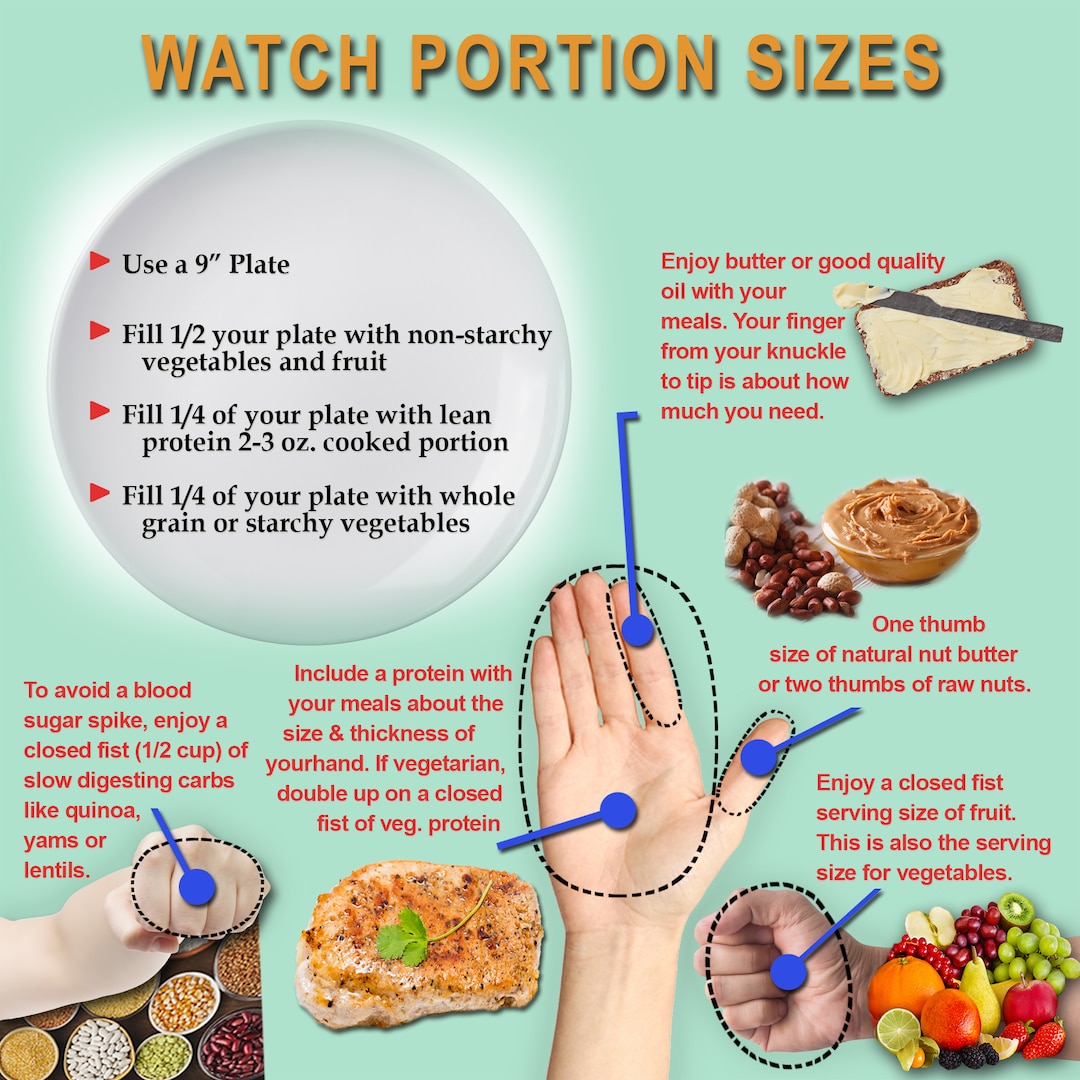
Limit pizza servings to one or two slices per meal. Pair pizza with a side salad or steamed vegetables. Avoid extra snacks or sugary drinks alongside pizza. Eating slowly helps you notice fullness and prevents overeating. Portion control balances calorie intake for a healthy diet.
Creative Pizza Alternatives
Pizza can be part of a balanced diet by choosing creative alternatives. These options reduce calories and add nutrients. They make pizza fun and healthier. You can still enjoy great taste with smarter choices.
Cauliflower And Veggie Crusts
Cauliflower crusts are low in carbs and high in fiber. They provide vitamins and minerals missing in regular crusts. Veggie crusts use ingredients like zucchini or spinach. Both add flavor and nutrients. These crusts help control calories and increase vegetable intake.
Pita And Naan Bases
Pita and naan breads are thinner and lighter than traditional dough. They work well as pizza bases with fewer calories. These breads add a different texture and taste. Using whole wheat versions adds extra fiber. They offer a quick way to make a healthier pizza.
Vegetable Pizza Bites
Vegetable pizza bites use slices of zucchini, eggplant, or bell peppers as bases. Top them with tomato sauce, cheese, and herbs. These bites serve as snacks or appetizers. They increase vegetable servings without extra carbs. Perfect for portion control and variety.
Light Sauce And Fresh Veggies
Choose light tomato sauce with no added sugar. Fresh veggies like spinach, mushrooms, and tomatoes add vitamins and fiber. They keep pizza fresh and colorful. Use less cheese to lower fat and calories. This combo supports a balanced meal with fewer unhealthy ingredients.
:max_bytes(150000):strip_icc()/easy-vegan-pizza-1x1-002-a224f13696b3483d8099b7ae5b494250.jpg)
Credit: www.eatingwell.com
Moderation And Balance
Pizza can fit into a balanced diet when eaten with moderation and balance. Portion size matters most. Eating large amounts often leads to consuming excess calories and fat. Smaller portions help control intake while still enjoying the flavors. Balance means pairing pizza with other healthy foods throughout the day. This approach helps meet nutritional needs without overdoing calories or unhealthy ingredients.
Choosing Healthier Slices
Pick pizzas with thin crusts made from whole grains. They add fiber and nutrients missing in white flour crusts. Choose tomato-based sauces instead of creamy ones for fewer calories and more antioxidants. Load your pizza with vegetables like peppers, spinach, and mushrooms. These toppings add vitamins and minerals. Select lean proteins such as grilled chicken instead of processed meats. Use less cheese or choose lower-fat varieties to reduce saturated fat and calories.
Complementing Meals
Balance pizza with light, nutrient-rich meals before and after. Start with a fresh salad full of greens and veggies. Avoid heavy or fried side dishes. Drink water or unsweetened beverages instead of soda. Add fruits or a small portion of nuts later to satisfy hunger and add nutrients. This helps keep your overall diet varied and healthy while still enjoying pizza.
Credit: www.jbsa.mil
Frequently Asked Questions
Is Pizza A Healthy Food Or Junk Food?
Pizza can be healthy or junk food depending on ingredients and portion size. Choose whole-grain crust, vegetables, lean proteins, and limit cheese for a balanced meal. Avoid processed meats and excessive cheese to reduce calories, fat, and sodium. Moderation and mindful choices make pizza part of a healthy diet.
Is It Okay To Eat A Pizza On A Diet?
Eating pizza can fit a diet if you choose thin crust, load vegetables, limit cheese, and control portions to one or two slices.
What Should I Eat If I Crave Pizza?
Choose a thin, whole-grain crust pizza topped with vegetables and lean protein. Limit cheese and avoid processed meats. Eat one or two slices to satisfy cravings healthily.
Is Pizza Healthier Than Burgers?
Pizza can be healthier than burgers if made with thin crust, vegetables, and lean proteins. Portion control is essential.
Conclusion
Pizza can fit into a balanced diet with smart choices. Choose whole-grain or thin crusts for more fiber. Add plenty of vegetables to boost vitamins and minerals. Pick lean proteins like grilled chicken over processed meats. Use less cheese or lower-fat options to cut calories.
Control portion size by eating one or two slices. Balance pizza with other healthy meals during the day. Enjoy pizza mindfully to keep your diet nutritious and tasty. Small changes make a big difference in pizza’s health impact.

As the author of the “Ultimate Pizza Guide: Recipes, Tips & Secrets Revealed,” I’m dedicated to sharing my love for pizza and empowering others to create delicious homemade pizzas with ease. Join me on a journey to uncover the secrets to perfecting your pizza game!