“Are Plastic Pizza Tools Safe?”
When you reach for your plastic pizza tools, you probably assume they’re just as safe as any other kitchen gadget. But have you ever stopped to wonder if those bright, lightweight utensils could be silently affecting your health?
You deserve to know what’s really happening when plastic meets your hot, cheesy pizza. You’ll discover the surprising truths about plastic pizza tools—how heat can turn them into a source of harmful chemicals, what risks you might be unknowingly taking, and what safer options you can choose without giving up convenience.
Keep reading to protect your health and enjoy your pizza worry-free.

Credit: www.amazon.com
Plastic And Heat
Plastic pizza tools often come into contact with high heat during cooking. Heat affects plastic’s safety and usability. Understanding how heat interacts with plastic is key to safe kitchen practices.
When plastic heats up, it can change its structure. These changes might release unwanted substances. Some substances could mix with your food, posing health risks.
Chemical Migration
Heat can break down plastics, causing chemicals to move into food. These chemicals include plasticizers that make plastic flexible.
Plasticizers such as phthalates can disrupt hormones in the body. BPA, another common chemical, mimics estrogen and may affect hormone balance.
PFAS, used for their resistance properties, can interfere with metabolism and cell growth. The risk rises with higher temperatures and fatty foods.
Microplastic Release
Heating plastic speeds up the release of tiny plastic particles. These microplastics can mix into hot food and drinks.
Microplastics are small enough to enter the body and may cause health issues. The release increases if the plastic tools are old or scratched.
Using plastic pizza tools with high heat may expose you to these tiny particles. Choosing heat-safe materials can help reduce this risk.
Credit: www.homedepot.com
Harmful Chemicals In Plastic
Plastic pizza tools often contain chemicals that can harm health. These chemicals may leach out, especially when exposed to heat. Understanding these harmful substances helps make safer choices in the kitchen.
Phthalates
Phthalates make plastic soft and flexible. They can escape from plastic tools into food. Studies link phthalates to hormone imbalances. These chemicals may affect growth and development. Avoiding plastic tools with phthalates reduces these risks.
Bpa
BPA stands for Bisphenol A. It is used in many hard plastics. BPA can mimic the hormone estrogen in the body. This can lead to health problems like reproductive issues. Many manufacturers now make BPA-free pizza tools for safety.
Pfas
PFAS are chemicals that resist heat and stains. They are found in some plastic coatings. PFAS can disrupt metabolism and cell function. These substances build up in the body over time. Choosing tools without PFAS lowers exposure to these toxins.
Microplastics
Microplastics are tiny plastic particles. They come from breaking down larger plastics. Heating plastic tools can release microplastics into food. These particles may enter the body and cause harm. Using non-plastic tools reduces microplastic intake.
High-risk Conditions
Plastic pizza tools can pose health risks under certain conditions. Understanding these high-risk factors helps you use them safely. The main concerns involve heat, food type, and the tool’s condition. Each factor can increase chemical release from plastic into your food.
High Temperatures
Heat breaks down plastic and causes chemicals to leach out. Using plastic tools near hot ovens or boiling liquids raises this risk. Microwaving pizza with plastic tools can also release harmful substances. Keep plastic tools away from extreme heat to reduce exposure.
Fatty Foods
Fatty foods like cheese, oils, and meats absorb heat differently. These foods can increase the release of chemicals from plastic. Fat acts as a carrier, making it easier for toxins to move into your food. Using plastic tools with greasy pizza toppings can be unsafe.
Damaged Plastics
Scratches, cracks, and worn plastic surfaces release more chemicals. Damage breaks the plastic’s protective layer, exposing harmful components. Old or chipped pizza tools have a higher risk of contaminating food. Replace damaged plastic tools regularly to stay safe.
Health Effects Linked To Plastic Use
Plastic pizza tools often come into contact with hot food. This raises concerns about their safety. Understanding health effects linked to plastic use helps you make better choices. Some plastics can release harmful chemicals. These chemicals may affect your body in different ways.
Hormone Disruption
Certain plastics contain chemicals like BPA and phthalates. These chemicals can mimic natural hormones in the body. They interfere with the hormone system, causing imbalance. Hormone disruption may affect growth, mood, and reproduction. Children and pregnant women are especially vulnerable to these effects.
Cancer Concerns
Some plastic chemicals are linked to cancer risk. BPA and PFAS are known to damage cells and DNA. Long-term exposure to these chemicals may increase the chance of developing cancer. Heating plastic tools can release more harmful substances. Using plastic tools with hot foods may raise this risk.
Metabolic Impact
Chemicals from plastics can affect metabolism and weight. PFAS exposure is connected to changes in fat cells and energy use. This may lead to obesity and diabetes. These substances interfere with how the body processes food. Using plastic tools repeatedly with hot or fatty foods increases exposure.
Safer Cooking Alternatives
Choosing safe tools for cooking pizza matters for health and taste. Plastic tools can release harmful chemicals when heated. Safer options exist that protect your food and body. These alternatives resist heat and avoid chemical leaks. Use them to keep cooking safe and enjoyable.
Glass And Ceramic
Glass and ceramic tools handle heat well without releasing toxins. They do not react with food or change flavors. These materials are perfect for baking and serving pizza. They also clean easily and last long. Choose glass or ceramic for oven-safe pizza tools.
Food-grade Silicone
Food-grade silicone is flexible and heat resistant. It does not melt or release harmful chemicals. Silicone tools are gentle on pizza dough and easy to clean. They come in many shapes and sizes. Use silicone spatulas or mats for safe pizza preparation.
Stainless Steel
Stainless steel is strong and durable for kitchen tools. It does not absorb odors or stains from food. This metal resists rust and is safe at high temperatures. Stainless steel pizza cutters and peelers provide excellent control. They offer a safe, long-lasting alternative to plastic.
Natural Materials
Wood and bamboo are natural choices for pizza tools. They do not release chemicals and feel comfortable in hand. Natural tools avoid heat damage and are biodegradable. Use wooden paddles or spoons for an eco-friendly kitchen. Treat them well to prevent cracking or warping.
Credit: www.alibaba.com
Tips To Reduce Exposure
Reducing exposure to harmful chemicals from plastic pizza tools is important for your health. Small changes in how you use these tools can lower risks. Follow simple tips to keep plastic use safer in your kitchen.
Avoid Microwaving Plastic
Never microwave plastic pizza tools or containers. Heat breaks down plastic and releases toxins. These chemicals can mix with your food. Use glass or ceramic dishes for heating instead. This stops harmful substances from getting into your meals.
Use Heat-resistant Containers
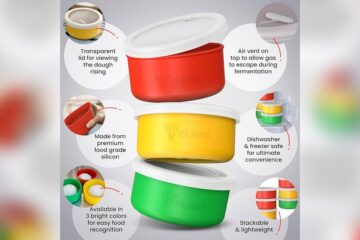
Choose containers made for high heat. Materials like glass, ceramic, or food-grade silicone handle heat safely. They do not release dangerous chemicals. Using these containers protects your food and health. Keep plastic tools for serving, not cooking.
Inspect For Damage
Check plastic pizza tools regularly for cracks or scratches. Damaged plastic lets chemicals escape easier. Throw away any tools that look worn or broken. Using intact tools lowers the chance of harmful chemicals getting into your food.
Frequently Asked Questions
Are Plastic Cooking Tools Safe?
Plastic cooking tools can release harmful chemicals like BPA and phthalates when heated. Avoid microwaving plastic and choose safer alternatives such as glass, ceramic, or food-grade silicone to protect your health and prevent chemical contamination in food.
Does Heating Up Plastic Release Toxins?
Heating plastic releases harmful chemicals like BPA and phthalates, especially at high temperatures. Use glass or ceramic instead.
What Is The Healthiest Material For Cooking Utensils?
The healthiest cooking utensils are made from stainless steel, cast iron, glass, ceramic, and food-grade silicone. These materials resist toxins and last long. Avoid plastic tools, as heat can release harmful chemicals like BPA and phthalates into food. Choose non-toxic, durable options for safer cooking.
What Kitchen Tools Have Microplastics In Them?
Common kitchen tools with microplastics include plastic spatulas, cutting boards, storage containers, and utensils exposed to heat. Heating plastics releases microplastics and harmful chemicals. Avoid microwaving or cooking with plastic tools to reduce microplastic contamination in food. Choose glass, ceramic, or stainless steel alternatives instead.
Conclusion
Plastic pizza tools can be safe if used correctly. Avoid exposing them to high heat or greasy foods. Heating plastic often releases harmful chemicals into your food. Choose tools made from glass, ceramic, or stainless steel for better safety. Check for damage or scratches before each use.
Keep your cooking habits smart to reduce health risks. Safe kitchen choices protect you and your family every day.

As the author of the “Ultimate Pizza Guide: Recipes, Tips & Secrets Revealed,” I’m dedicated to sharing my love for pizza and empowering others to create delicious homemade pizzas with ease. Join me on a journey to uncover the secrets to perfecting your pizza game!