When you enjoy a slice of your favorite pie, you might wonder how pizza and calcium absorption interact within your digestive system. Pizza is a complex food matrix, often containing a blend of proteins, fats, carbohydrates, and minerals. Because dairy, specifically mozzarella cheese, is a primary ingredient, pizza is frequently viewed as a source of dietary calcium. However, the bioavailability of this mineral depends on several chemical variables occurring during digestion, such as the presence of phytates in the crust or the specific ratio of fat to calcium. Understanding these interactions helps you make more informed choices about your nutrient intake while still enjoying your meals.
Key Takeaways
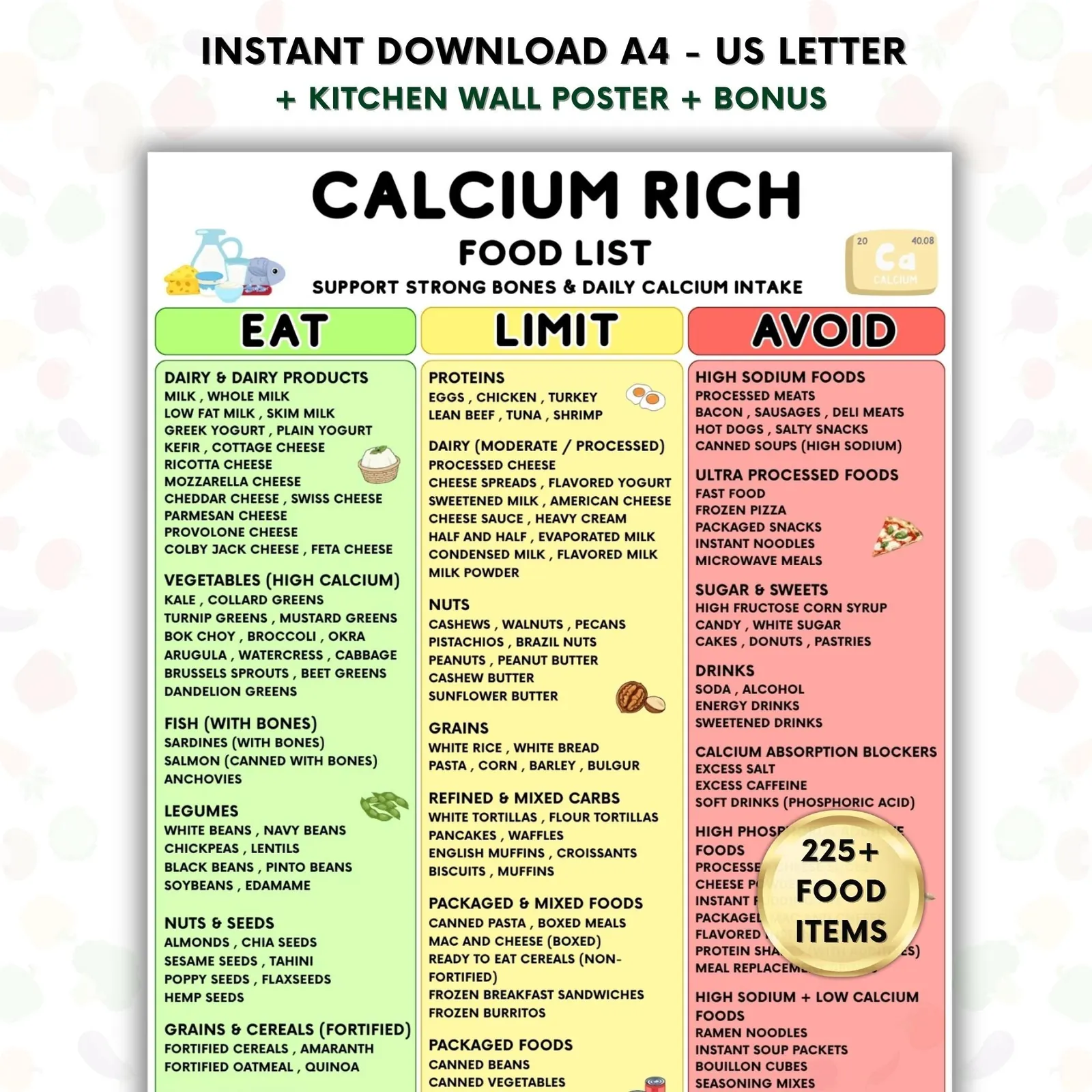
- Dairy-based cheese provides a concentrated, highly bioavailable form of calcium for the body.
- Whole grains in pizza crust contain phytic acid, which can bind to minerals and potentially reduce absorption.
- Consuming pizza with a side of leafy greens can balance the nutrient profile and support bone health.
- Vitamin D is essential for calcium uptake; consider the total nutritional context of your meal.
- Excessive intake of sodium, common in many pizzas, may increase urinary calcium excretion.
Does Cheese Provide Enough Calcium?
Cheese is widely recognized as a dense source of calcium. Mozzarella, the standard choice for most pizzas, is particularly high in this mineral because the cheesemaking process concentrates milk solids. When you eat pizza, you’re consuming a bioavailable mineral source that the body can readily access.
Unlike some plant-based sources of calcium, which may contain oxalates that inhibit absorption, the calcium found in dairy is generally well-absorbed by the human digestive tract. According to the USDA Dietary Guidelines for Americans, dairy products are the primary contributors of calcium in the typical American diet.
How Crust Affects Nutrient Uptake
The crust of your pizza can influence how effectively you absorb the minerals from the cheese. Most pizza crusts are made from wheat flour. If you choose a crust made from whole grains, it contains phytic acid, or phytates. These compounds are natural plant substances that can bind to minerals like calcium, zinc, and iron, forming insoluble complexes that the body can’t easily absorb.
This is known as the phytate-mineral interaction. While this doesn’t mean you should avoid whole grains, it does mean that the total amount of calcium you absorb from the cheese might be slightly lower than if you consumed the cheese alone.
| Crust Type | Phytate Content | Impact on Calcium |
|---|---|---|
| Refined White Flour | Low | Minimal inhibition |
| Whole Wheat Flour | Moderate | Slight reduction |
| Sourdough (Fermented) | Very Low | Enhanced absorption |
The Role of Fermentation
Sourdough crusts offer a unique advantage regarding mineral absorption. The fermentation process, which relies on lactobacilli and wild yeast, naturally breaks down a significant portion of the phytic acid present in the grain. By reducing the concentration of these anti-nutrients, the fermentation process makes the minerals in the entire meal more accessible.
If you’re concerned about maximizing your calcium uptake, choosing a pizzeria that uses long-fermentation dough techniques is a smart strategy. This simple switch can mitigate the inhibitory effects of whole grains without sacrificing the fiber benefits of the wheat.
Sodium and Calcium Balance

A significant factor in the relationship between pizza and your body is the sodium content. Pizza is often high in salt, both in the dough and in the cheese and tomato sauce. High sodium intake is known to increase the amount of calcium that’s excreted through the urine. This is a calcium-sodium dynamic that experts often monitor.
When you consume large amounts of sodium, your kidneys work harder to remove the excess salt, and calcium is often pulled from the bloodstream and excreted along with it. To counter this, ensure you aren’t regularly exceeding your daily sodium limits, which typically range from 1,500 to 2,300 milligrams per day.
Optimizing Your Pizza Meal
You can improve the nutritional outcome of your meal by pairing your pizza with specific foods. Adding a side salad with dark, leafy greens like spinach or arugula introduces additional calcium into your diet. While spinach contains oxalates, the overall variety of nutrients in a balanced meal helps maintain homeostasis.
Furthermore, ensuring you get adequate vitamin D levels is crucial, as this vitamin acts as a key to unlock calcium absorption in the intestines. Many people are deficient in vitamin D, which limits the body’s ability to utilize the calcium provided by the cheese on their pizza.
Pizza Ingredients and Calcium Absorption
When building your pizza, the toppings you choose can either support or hinder your nutritional goals. Some vegetables are better for bone health than others. Consider the following table to help you select toppings that complement your calcium intake.
| Topping Category | Calcium Content | Mineral Impact |
|---|---|---|
| Broccoli | Moderate | High bioavailability |
| Anchovies | High | Provides bone-building minerals |
| Red Peppers | Low | High in Vitamin C |
| Processed Meats | Negligible | High sodium burden |
Is Dairy Always the Best Source?
While pizza is a convenient way to get dairy, it isn’t the only way to meet your daily requirements. If you find that you’re relying too heavily on pizza for your calcium, you might be missing out on other essential nutrients found in diverse food sources.
The calcium-rich food variety is essential for long-term health. Consider integrating other sources such as fortified almond milk, sardines, or yogurt into your weekly meal plan. Diversifying your intake ensures that you aren’t just getting calcium, but also a full spectrum of vitamins and minerals required for structural integrity.
Troubleshooting Your Digestive Response
Some individuals find that pizza causes digestive discomfort, which can indirectly affect how well they absorb nutrients. If you experience bloating or gastrointestinal distress after a meal, your body may be struggling to process the fats or the gluten in the pizza. This gastrointestinal efficiency is vital for nutrient uptake.
If you have trouble with dairy, you might consider trying lactose-free cheese or pizzas with a thinner crust to reduce the overall load on your digestive system. Identifying your personal triggers can help you enjoy pizza without compromising your ability to absorb the calcium it provides.
Frequently Asked Questions
Does tomato sauce block calcium absorption?
Tomato sauce is acidic, which can theoretically influence gastric pH. However, there’s no strong evidence to suggest that the acidity of tomato sauce significantly blocks calcium absorption from cheese. In fact, some studies suggest that a slightly acidic environment in the stomach can actually assist in the dissolution of calcium salts, making them more available for absorption in the small intestine.
Can I get all my daily calcium from pizza?
While pizza contains calcium, it isn’t an ideal sole source. Relying solely on pizza would likely lead to excessive consumption of sodium, saturated fats, and refined carbohydrates. To meet your daily calcium requirements, which generally fall between 1,000 and 1,300 milligrams per day for most adults, you should consume a wide variety of dairy, leafy greens, and fortified foods throughout the week.
Does the fat content in pizza help?
Yes, fat plays a role in the absorption of fat-soluble vitamins, such as vitamin D. Since vitamin D is necessary for the active transport of calcium in the gut, a moderate amount of fat in your pizza can actually support the absorption process. However, this only works if your body has sufficient vitamin D stores; fat alone can’t compensate for a lack of this vital hormone.
Should I take a calcium supplement with pizza?
Generally, it’s best to get your nutrients from whole foods rather than supplements. Taking a calcium supplement with a high-sodium meal like pizza may be counterproductive, as the sodium can increase calcium excretion. If you believe you aren’t meeting your needs through diet alone, consult a healthcare provider to determine if supplementation is necessary and at what time of day it’s most effective.
Are there pizzas that are better for bone health?
Yes, you can improve the bone-health profile of your pizza by choosing specific ingredients. Opt for a thin-crust or sourdough base to minimize phytates, load your pizza with broccoli or kale to add extra minerals, and include protein sources like anchovies or sardines. These small adjustments transform a standard slice into a more nutritionally balanced meal that better supports your skeletal system.
Conclusion
Understanding the interplay between your favorite comfort food and your internal physiology allows you to enjoy your meals with greater peace of mind. By focusing on the quality of your crust, the balance of your toppings, and your overall daily sodium intake, you can effectively manage how your body processes the nutrients provided. The next time you order a pizza, try pairing it with a fresh, green side salad to boost your intake of complementary vitamins and minerals.

As the author of the “Ultimate Pizza Guide: Recipes, Tips & Secrets Revealed,” I’m dedicated to sharing my love for pizza and empowering others to create delicious homemade pizzas with ease. Join me on a journey to uncover the secrets to perfecting your pizza game!