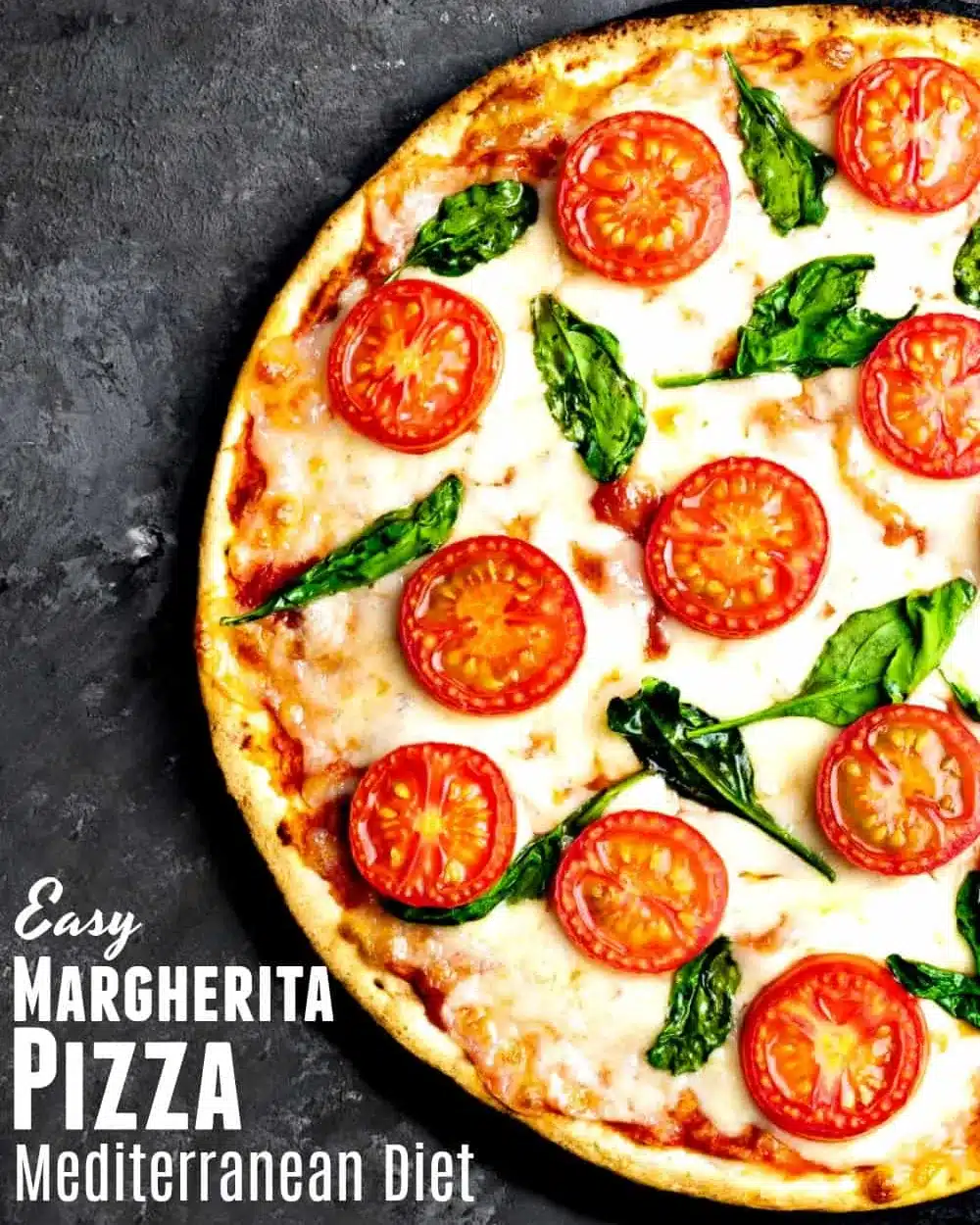
The Mediterranean diet is widely celebrated for its emphasis on whole, plant-based foods, healthy fats, and lean proteins, leading many to wonder how favorites like pizza as part of mediterranean diet patterns can fit into a healthy lifestyle. While traditional fast-food pies are often loaded with saturated fats and refined flours, you can certainly enjoy this Italian staple by focusing on high-quality ingredients and portion control. By shifting your perspective from “processed indulgence” to “wholesome meal,” you can incorporate pizza into your weekly rotation without compromising your health goals.
Key Takeaways
- Prioritize thin-crust bases made from whole wheat or ancient grains to increase fiber intake.
- Load your pizza with a wide variety of colorful, non-starchy vegetables to boost nutrient density.
- Use extra virgin olive oil as your primary fat source instead of processed meat toppings.
- Limit processed deli meats, opting instead for grilled chicken, chickpeas, or moderate amounts of fresh mozzarella.
- Practice mindful portion control by pairing a smaller slice with a large, fresh side salad.
Is Pizza Truly Mediterranean?
The traditional diet of the Mediterranean region is defined by local, seasonal ingredients rather than specific dishes. Authentic Italian pizza, particularly the Neapolitan style, uses simple, high-quality components like San Marzano tomatoes, fresh basil, and a modest amount of cheese.
When made with whole grain flour and topped with fresh produce, it aligns closely with the principles of the Mediterranean way of eating. The key is avoiding the heavy, greasy layers of pepperoni and commercial cheese blends that characterize many Westernized versions.
Crafting the Perfect Base
The foundation of your pizza is the most significant factor in its nutritional profile. Refined white flour lacks the fiber and nutrients found in minimally processed grains. By selecting a base that prioritizes complex carbohydrates, you can maintain steady energy levels and support digestive health.
| Base Type | Nutritional Benefit | Texture Profile |
|---|---|---|
| Whole Wheat | High in fiber and minerals | Hearty and dense |
| Spelt Flour | Lower glycemic index | Nutty and robust |
| Cauliflower | Low calorie, gluten-free | Thin and crisp |
| Chickpea Flour | High protein and fiber | Savory and unique |
Choosing Your Toppings Wisely
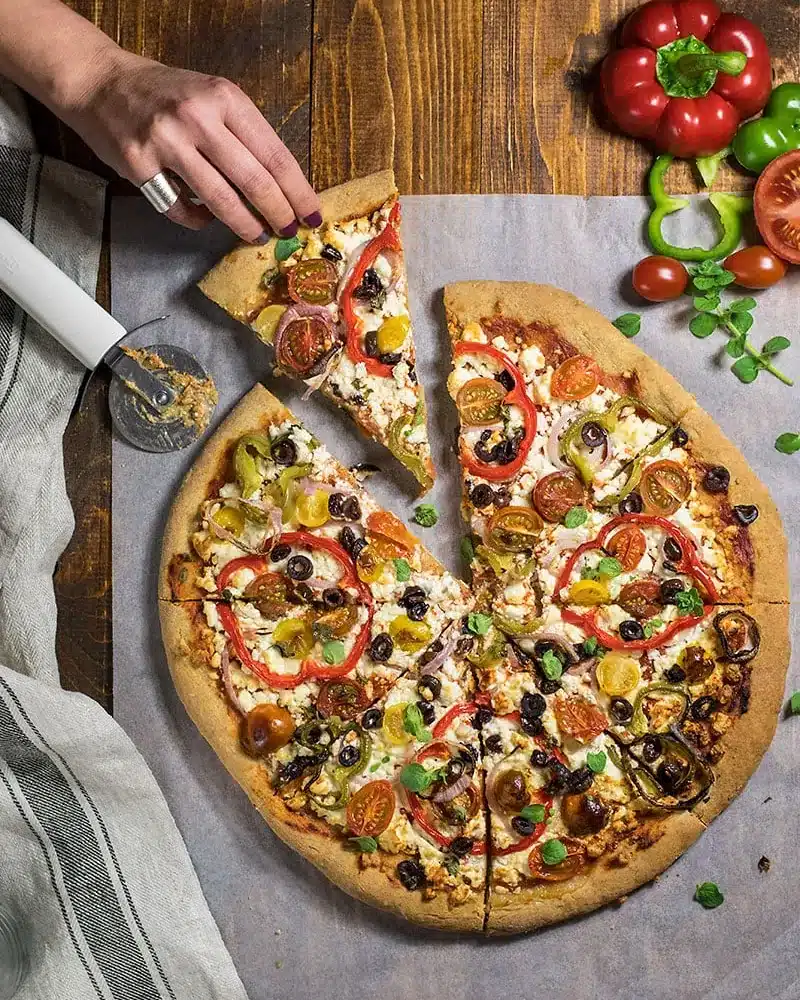
Toppings are where you can transform a standard pizza into a nutrient-dense Mediterranean meal. Instead of relying on processed meats that are often high in sodium and nitrates, focus on plant-based proteins and heart-healthy vegetables. Adding a variety of colors to your pizza ensures you receive a wide range of phytonutrients and antioxidants.
- Vegetables: Spinach, arugula, bell peppers, zucchini, mushrooms, and red onions.
- Proteins: Grilled chicken breast, canned chickpeas, marinated artichoke hearts, and white beans.
- Herbs: Fresh basil, oregano, parsley, and rosemary.
- Fats: Kalamata olives, walnuts, toasted pine nuts, or a light drizzle of extra virgin olive oil.
The Role of Healthy Fats
Fats are a cornerstone of the Mediterranean diet, but the type of fat matters significantly. Extra virgin olive oil is the gold standard, providing monounsaturated fats that support cardiovascular health.
When preparing pizza, avoid using butter or heavy cream-based sauces. Instead, use a light base of crushed tomatoes or a thin spread of pesto. According to the Harvard T.H. Chan School of Public Health, replacing saturated fats with healthy unsaturated fats is a critical step in reducing the risk of heart disease.
Managing Your Portion Sizes
Even when using healthy ingredients, it’s important to be mindful of how much you consume. A single slice of pizza can vary significantly in caloric density depending on the thickness of the crust and the amount of cheese used. A practical strategy is to treat pizza as one component of a larger meal. Start by eating a large serving of mixed greens dressed with vinegar and olive oil, which will help you feel satisfied with fewer slices of pizza.
Can You Eat Frozen Pizza?
Not all frozen options are created equal, but you can find healthier varieties if you know what to look for. Check the labels for minimal ingredient lists and avoid products with long lists of preservatives or hidden sugars. Look for brands that offer thin, whole-grain crusts and prioritize vegetable-heavy topping profiles.
- Amy’s Kitchen: Offers various vegetable-based thin-crust options.
- Cappello’s: Known for almond flour crusts that are grain-free and nutrient-dense.
- Banza: Uses a chickpea-based crust that significantly increases protein content.
Making Pizza Part of a Mediterranean Diet
If you prefer to make your pizza at home, you have total control over the quality of your ingredients. You can start by making a batch of homemade dough using a mix of whole wheat and bread flour. Preparing your own sauce with fresh tomatoes, garlic, and herbs eliminates the added sugars found in many store-bought jars.
Simple Homemade Assembly
- Roll out your dough to a very thin consistency to reduce refined carb intake.
- Spread a thin layer of tomato puree seasoned with dried oregano and a pinch of sea salt.
- Add a sprinkle of fresh mozzarella or feta cheese, keeping the total amount to about one ounce per serving.
- Cover the surface with a generous layer of thinly sliced vegetables.
- Bake at high heat until the edges are golden brown and the vegetables are tender.
Troubleshooting Common Pizza Challenges
Transitioning to a healthier pizza style often comes with a few hurdles. If your crust feels too tough, try increasing the hydration of your dough. If your pizza lacks flavor, focus on high-quality herbs and a finishing drizzle of high-quality olive oil.
| Challenge | Potential Solution |
|---|---|
| Crust is too dry | Use a higher hydration dough recipe |
| Lacks flavor | Add fresh herbs and balsamic glaze |
| Soggy center | Pre-bake the crust for five minutes |
| Too much sodium | Use fresh tomatoes instead of canned sauce |
Frequently Asked Questions
Can I eat cheese on the Mediterranean diet?
Yes, cheese is part of the diet but should be consumed in moderation. Focus on high-quality, fermented, or fresh options like feta, goat cheese, or fresh mozzarella. These provide calcium and protein without the heavy processing found in commercial, pre-shredded varieties. Aim to use cheese as a flavorful garnish rather than the primary foundation of your meal, ensuring it complements the vegetables rather than overpowering them.
Is thin crust always better?
Generally, yes. A thin crust uses less refined flour, which helps keep your blood sugar levels more stable compared to thick, doughy crusts. By choosing a thinner base, you also increase the ratio of nutritious toppings to the bread component. If you can find a thin crust made from whole grains or legumes, it aligns even better with the nutrient-dense profile encouraged by Mediterranean eating patterns.
How often should I eat pizza?
There’s no strict rule, but it’s best viewed as a flexible part of your diet rather than a daily staple. If you prepare it using whole grains and plenty of vegetables, it can comfortably fit into your weekly routine. The goal is to prioritize variety, so if you eat pizza on Friday, try to fill the rest of your week with legumes, fish, and nuts.
Are there vegan pizza options?
Absolutely. You can easily create a delicious, plant-based pizza by using a tomato or pesto base and omitting the cheese. Replace dairy with toppings like sliced mushrooms, artichokes, olives, and even dollops of hummus or white bean puree after baking. Nutritional yeast can also be sprinkled on top to provide a savory, “cheesy” flavor profile without using any animal products, keeping the meal strictly plant-focused.
How do I avoid excess sodium?
Sodium is often hidden in pizza sauce, processed meats, and commercial cheeses. To minimize intake, make your own sauce from scratch using fresh or canned tomatoes with no added salt. Swap out pepperoni or sausage for grilled chicken or chickpeas, and use fresh herbs to boost flavor instead of relying on salty toppings. Always check labels on store-bought items for “no salt added” versions whenever possible.
Pro Tip: When you’re short on time, use a whole-grain pita or a piece of sourdough toast as a quick, individual-sized pizza base. Top it with a slice of fresh tomato, a small amount of feta, and a handful of baby spinach, then toast it in the oven until the cheese is soft and the greens have wilted.
Warning: Avoid “stuffed crust” varieties or pizzas with flavored, buttery edges, as these are typically loaded with highly processed fats and excessive calories that don’t align with the Mediterranean approach to heart-healthy eating.
Conclusion
Incorporating pizza into your life is entirely possible when you view it as a vessel for nutrient-dense, plant-based ingredients rather than a vehicle for processed fats. By experimenting with whole-grain crusts and fresh, seasonal vegetables, you can enjoy this culinary tradition while staying firmly aligned with your wellness goals. Your next step is to head to the kitchen and try preparing a veggie-forward, thin-crust pizza this weekend.
As the author of the “Ultimate Pizza Guide: Recipes, Tips & Secrets Revealed,” I’m dedicated to sharing my love for pizza and empowering others to create delicious homemade pizzas with ease. Join me on a journey to uncover the secrets to perfecting your pizza game!